
What Is the 80 20 Rule Wedding? Simple Tips for a Stress-Free Celebration
Planning a wedding can feel overwhelming, with endless details to manage and decisions to make. Many couples strive for a perfect day that reflects their love and commitment. The 80/20 rule in wedding planning suggests that you can achieve 80% of your desired outcomes with just 20% of your efforts, allowing you to focus on what truly matters.
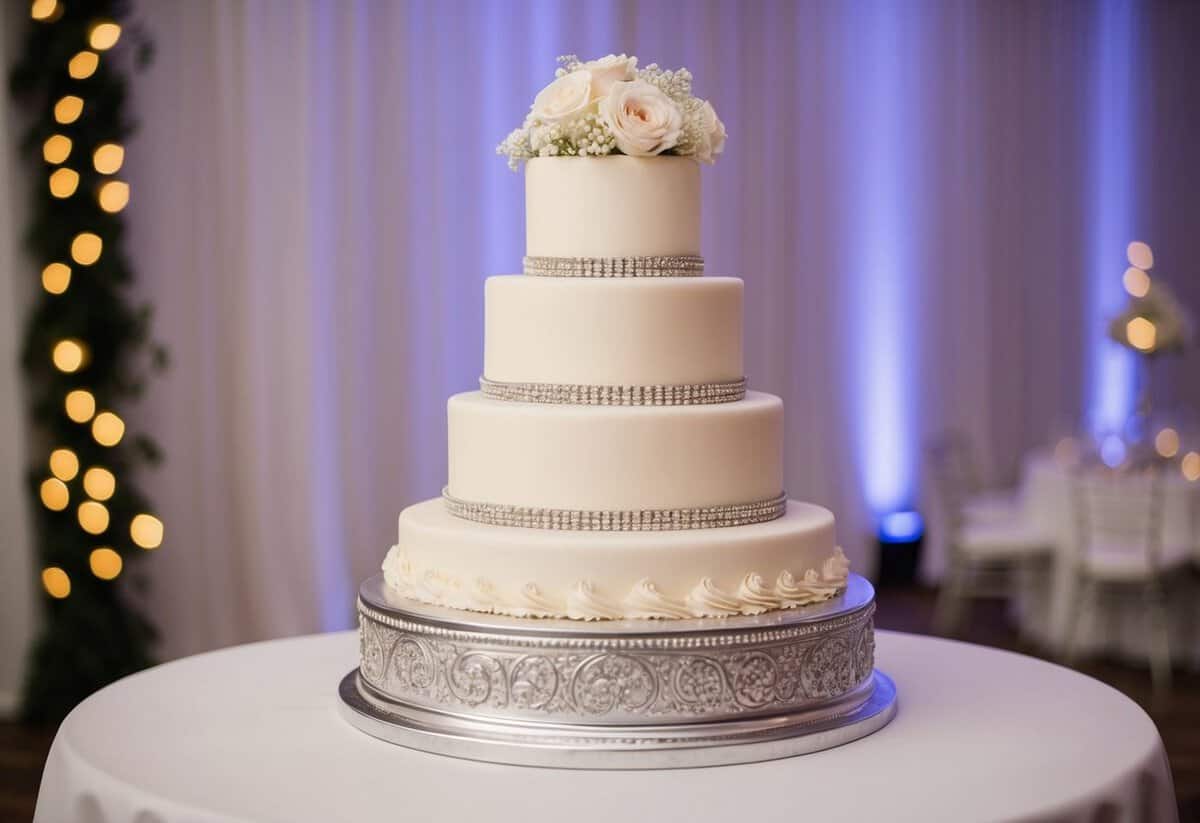
Understanding this rule can help you prioritize elements that bring you joy and satisfaction while reducing stress. For example, instead of spending countless hours on every small detail, you can concentrate on key areas that will have the most impact on your special day. This approach not only simplifies the wedding planning process, but also reminds you that, in marriage and relationships, it’s essential to enjoy the journey together rather than striving for perfection.
By applying the 80/20 rule, you can better navigate the challenges of wedding planning and focus on building a strong foundation for your future together. This mindset encourages you to keep your relationship’s priorities in check and to create lasting memories without getting lost in the small stuff.
Understanding the 80/20 Rule
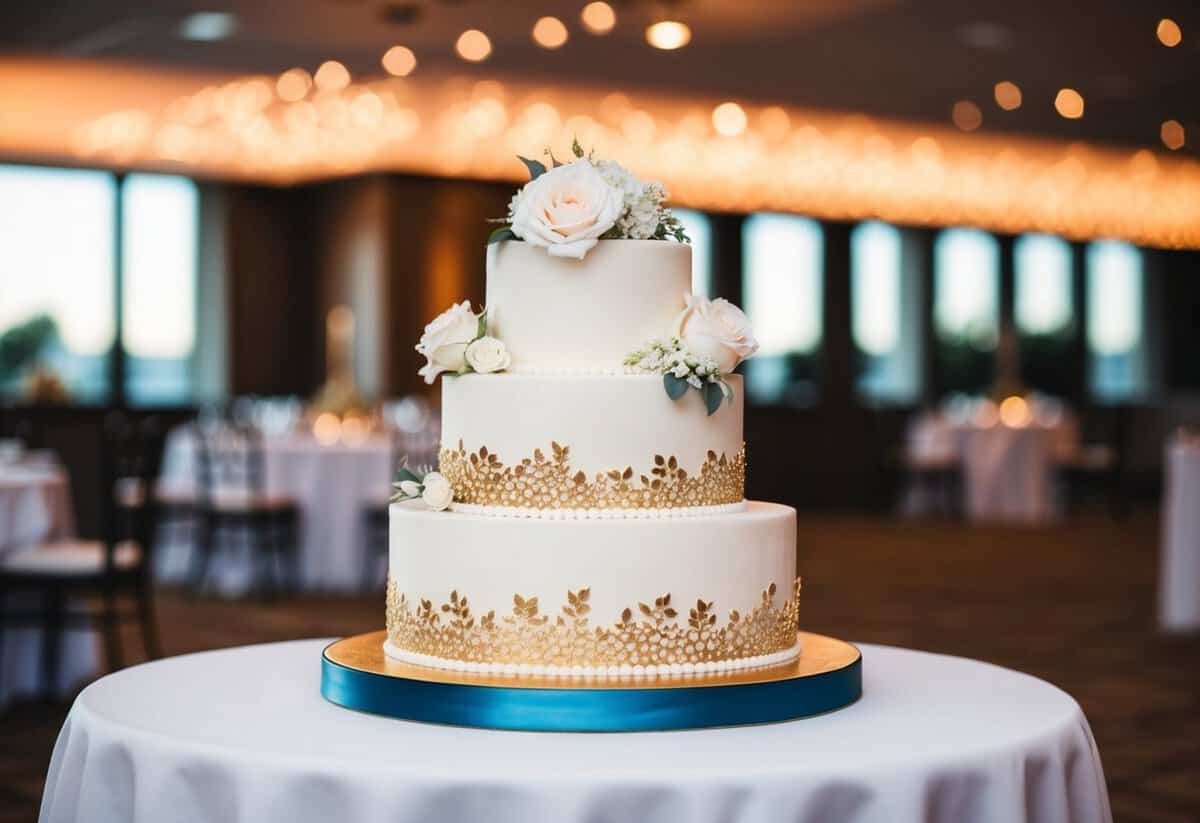
The 80/20 Rule, known as the Pareto Principle, suggests that a small portion of efforts can lead to a large portion of results. This principle can be especially helpful in relationships, especially when balancing personal growth with caring for your partner.
Origins of the Pareto Principle
The Pareto Principle was discovered by Italian economist Vilfredo Pareto in the early 1900s. He found that 80% of Italy’s wealth was owned by just 20% of the population. This idea shown that a small amount of input often leads to most of the output.
Although originally an economic theory, it applies to many areas of life, including relationships. When you understand this principle, you can prioritize what truly matters for your happiness and success in a marriage. Recognizing what contributes most to your relationship can lead to better communication and reduced conflict.
Applying the 80/20 Rule to Relationships
In relationships, the 80/20 Rule means that 80% of your joy often comes from 20% of what you do together. For example, spending quality time with your partner or sharing meaningful conversations can contribute greatly to relationship happiness.
Focusing on these high-impact activities is essential. When you identify what makes your relationship thrive, you can strengthen your bond. It can also help you recognize when you may be focusing too much on minor issues instead of what truly matters.
Making time for fun activities or deep discussions can nurture your partnership and keep it healthy. Aim to invest more in those experiences and less on trivial conflicts.
Balance Between Personal Growth and Caring for a Partner
Finding the right balance between personal growth and caring for your partner is vital. When you grow as an individual, you bring new ideas and energy to the relationship. This personal development can enrich your shared experiences and help both of you thrive.
However, it’s essential to remember that your partner has individual needs too. Communicate openly about your goals while considering how they fit within your relationship.
Make space for both your aspirations and your partner’s. Set aside dedicated time for your personal growth, but also prioritize moments to connect. This approach ensures that both of you feel fulfilled and valued in the relationship.
Practical Tips for 80/20 Wedding Planning
Applying the 80/20 rule to your wedding planning can help you focus on what truly matters. By prioritizing key areas, you can streamline the process and enhance your experience. Here are some practical tips.
Time Management and Guest List Optimization
Start with your guest list. Aim for quality over quantity. Invite those who truly matter to you and your partner. This will keep your celebrations intimate and enjoyable.
Next, create a detailed timeline. Break down tasks into smaller steps. Use tools like calendars and to-do lists. Prioritize high-impact tasks first.
Focus on elements like venue selection and catering, which have a significant effect on your day.
Also, consider delegating tasks to friends or family. This lightens your load and keeps everyone engaged. Choose trustworthy helpers for critical jobs to ensure quality. Balancing your wedding timeline with your work and personal life will make the planning process smoother.
Focus on Relationship Satisfaction
Remember that your wedding is a celebration of your relationship. Spend time discussing what matters most to both of you. This could be certain traditions, music choices, or personal touches.
Set aside moments to reflect on your journey together. This approach keeps the focus on your bond rather than stressors. Choose elements that reflect your shared values and experiences.
By prioritizing these discussions, you’ll find satisfaction grows. Couples who align on wedding details often feel closer. This connection enhances your overall enjoyment of the planning process.
Incorporating Emotional Support in Planning
Planning a wedding can be overwhelming. It’s essential to have emotional support during this time.
Talk to your partner regularly about feelings and challenges. Open conversations will strengthen your bond.
Reach out to supportive friends or family members. They can provide advice, help you navigate stress, and celebrate milestones with you.
Consider hosting casual planning sessions. This can turn stressful tasks into enjoyable gatherings.
Another strategy is to involve a wedding planner if your budget allows. They can offer professional support, reducing your anxiety. Ultimately, the emotional aspects of planning directly influence your wedding day experience. Prioritizing support will help make the process smoother.
Fostering a Perfect Relationship
Building a perfect relationship involves setting realistic expectations, improving communication, and balancing time apart with togetherness. Each aspect contributes to a stronger bond with your partner.
Setting Realistic Expectations
To foster a perfect relationship, it is crucial to set realistic expectations. Understand that no partner can fulfill every need or desire. Focus on the 80% you appreciate about your partner, rather than chasing the elusive 20%.
Make a list of qualities you value. Discuss these with your partner to ensure you are on the same page. This practice helps avoid misunderstandings and builds a solid foundation for your relationship. Embrace the idea that flaws are part of love. When you accept imperfections, you create a space for growth.
Improving Communication and Reducing Misunderstandings
Better communication can transform your relationship. Aim to express your feelings openly and honestly.
Timing matters—choose moments when you both are calm to share thoughts. This reduces misunderstandings and fosters trust.
Use “I” statements to share feelings without blaming. For example, “I feel hurt when…” This approach encourages a constructive dialogue.
Also, listen actively to your partner. Reflect back what you hear to confirm understanding. This practice can prevent many conflicts from escalating.
Consider scheduling regular check-ins to discuss your needs and concerns. This creates a routine of open communication. Remember, being proactive can help strengthen your emotional connection.
Appreciating Absence and Togetherness
The saying “absence makes the heart grow fonder” rings true in relationships. Taking time apart can enhance appreciation for each other.
Encouraging personal interests and friendships outside your partnership can also help.
Spend some time apart to recharge. Whether it’s a hobby or a night out with friends, these moments contribute to your individuality.
When you reunite, you might find you have more to share and talk about.
Balance togetherness with independence. Quality time together is essential, but having individual experiences adds excitement.
Plan special dates, but also cherish time spent apart. This mix fosters a deeper, more fulfilling relationship.