
What is the A and B List for Wedding Guests? A Guide to Prioritizing Your Invitations
When planning a wedding, creating your guest list can feel overwhelming, especially when deciding who makes the cut. To simplify this process, many couples use an A-list and a B-list for their wedding guests. The A-list includes your closest friends and family members, while the B-list consists of those you’d like to invite if more space allows or if someone on the A-list cannot attend.
Understanding the difference between these lists helps you manage your invitations without hurting feelings. The A-list is usually filled with essential people in your life, while the B-list can include more distant relatives and friends.
Organizing your guest list this way ensures that you can accommodate more guests as the situation allows, keeping your wedding intimate yet inclusive.
Using the A and B list strategy means you can focus on the people who matter most to you while still having the flexibility to welcome others if the opportunity arises. This method not only eases your planning stress but also streamlines the invitation process.
Understanding the A-List and B-List Concept

Creating your wedding guest list can be a thoughtful yet tricky task. The A-list and B-list concept helps you prioritize guests while considering your venue capacity and budget.
Criteria for A-List and B-List
Your A-list should include guests you see as essential to your celebration. These are typically close family and friends, and important people from your social circles. Think about who you can’t imagine celebrating without.
The B-list, on the other hand, is for those who are nice to have but not crucial. This could include acquaintances, friends who live far away, or those from larger social groups.
When putting together these lists, consider the significance of each guest and your relationship with them. This will help you determine who goes where in a respectful manner.
Managing the Two Lists
Managing your A-list and B-list involves clear organization. Start by writing down everyone you want to invite and separate them into A and B categories.
In your B-list, keep guests in order of priority. This way, if someone from your A-list declines, you can easily invite the next person from the B-list.
It’s crucial to handle invitations carefully. Avoid making B-list guests feel like an afterthought. When sending invites, ensure that it feels personal. Clear communication can help maintain good wedding etiquette and prevent any hurt feelings.
Crafting Your Wedding Guest List
Creating your wedding guest list is an important step in planning your special day. Knowing how to categorize your guests can help you manage the number better. This section will guide you on how to prioritize your A-list guests first and consider the B-list guests later on.
Starting With the A-List
Begin by making a list of A-list guests. These are the people who mean the most to you, such as close friends and family. Think about those who you definitely want to share this special day with.
Make sure you include:
- Immediate family: Parents, siblings, and grandparents.
- Close friends: Best friends and those who have supported you through important times.
- Key figures: Anyone who plays a significant role in your life, like mentors or important work colleagues.
Once you have this list, determine how many invitations you can send based on your venue capacity and budget. This will help ensure you can invite those closest to you without feeling overwhelmed.
Considering the B-List
After organizing your A-list, it’s time to consider your B-list. B-list guests are those you would like to invite if space allows or if A-list guests cannot attend.
To effectively manage your B-list:
- Make a separate list: Include friends, coworkers, or distant relatives who you would love to have.
- Be thoughtful: Understand that you may not be able to invite everyone. Your B-list should include guests who would still add joy to your day without feeling like an afterthought.
When sending invitations, send your A-list first. If you receive RSVPs showing that A-list guests can’t attend, send invitations from your B-list. This keeps your guest list manageable and ensures everyone feels appreciated.
Invitations and RSVPs

Sending invitations and collecting RSVPs are crucial steps in your wedding planning. A well-organized approach will help ensure that you know exactly how many guests will attend.
Sending Out Invitations
When you’re ready to invite your guests, consider timing. It’s best to send out your A-list invitations around eight weeks before the wedding. This gives guests enough time to respond.
For your B-list, send those invitations once you have solid RSVPs from the A-list.
Make sure your invitations clearly state the RSVP deadline. Including RSVP cards can simplify the process for your guests. You want them to easily let you know if they can attend.
If you have a wedding website, consider adding RSVP options there too.
Finally, keep track of who has replied. This will help you avoid confusion later on.
Tracking RSVP Responses
Collecting RSVPs is important for finalizing your headcount. You need to know how many guests to plan for your venue, catering, and other arrangements.
Set a clear RSVP date, usually a few weeks before the wedding. This gives you time to follow up with anyone who hasn’t responded. You can send a friendly reminder via email or a text message.
As responses come in, create a list to track who is attending. This can be a simple spreadsheet where you note names, plus-ones, and their acceptance status. This way, you’ll have a clear view of your final headcount, making your wedding planning smoother.
Logistical Considerations for Your Big Day
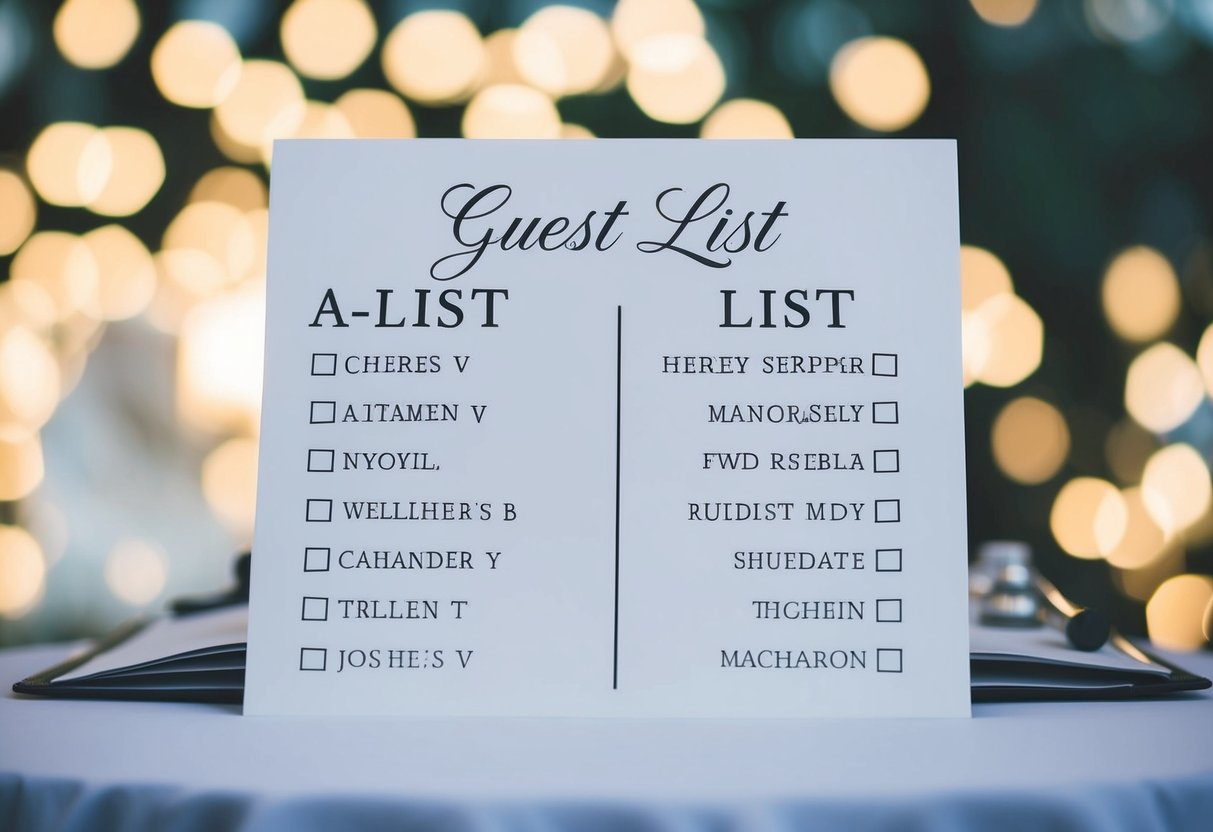
Planning your wedding involves many logistical details that can impact your guest experience. Focus on guest comfort and accurate headcounts to ensure everything runs smoothly on your special day.
Venue Space and Guest Comfort
Choosing the right venue can make a big difference for your guests. Make sure it has enough space for everyone you plan to invite.
If you have a small wedding, you might want an intimate setting. This fosters connection among guests.
Consider the seating arrangements. You want everyone to feel included, so create a plan that encourages mingling.
Additionally, think about amenities like restrooms and heating or cooling systems to keep everyone comfortable.
Check access routes too. Guests should easily find the venue, so clear signs or maps can guide them. If any of your guests need special assistance, confirm that the venue can accommodate them.
Finalizing the Headcount
You can’t plan effectively without knowing how many people will attend. Start by sending out invitations with clear RSVP dates. This will help you figure out your guest count well in advance.
Once you receive replies, keep track of who’s coming. Maintain a list that includes both your A-list and B-list guests. This is helpful if someone from the A-list cannot attend.
Staying in touch with your guests as your wedding day approaches is also important. Send reminders about RSVPing to ensure a more accurate count. This can help with seating arrangements and catering as well. A precise headcount leads to smoother planning and a more enjoyable experience for everyone involved.