
What Is the Alternative to a Day of Coordinator? Exploring Your Event Planning Options
Planning a wedding can be exciting yet overwhelming. You might wonder if hiring a day-of coordinator is necessary for your special day. The good news is that there are several alternatives you can consider to keep everything running smoothly without the added cost of a day-of coordinator.
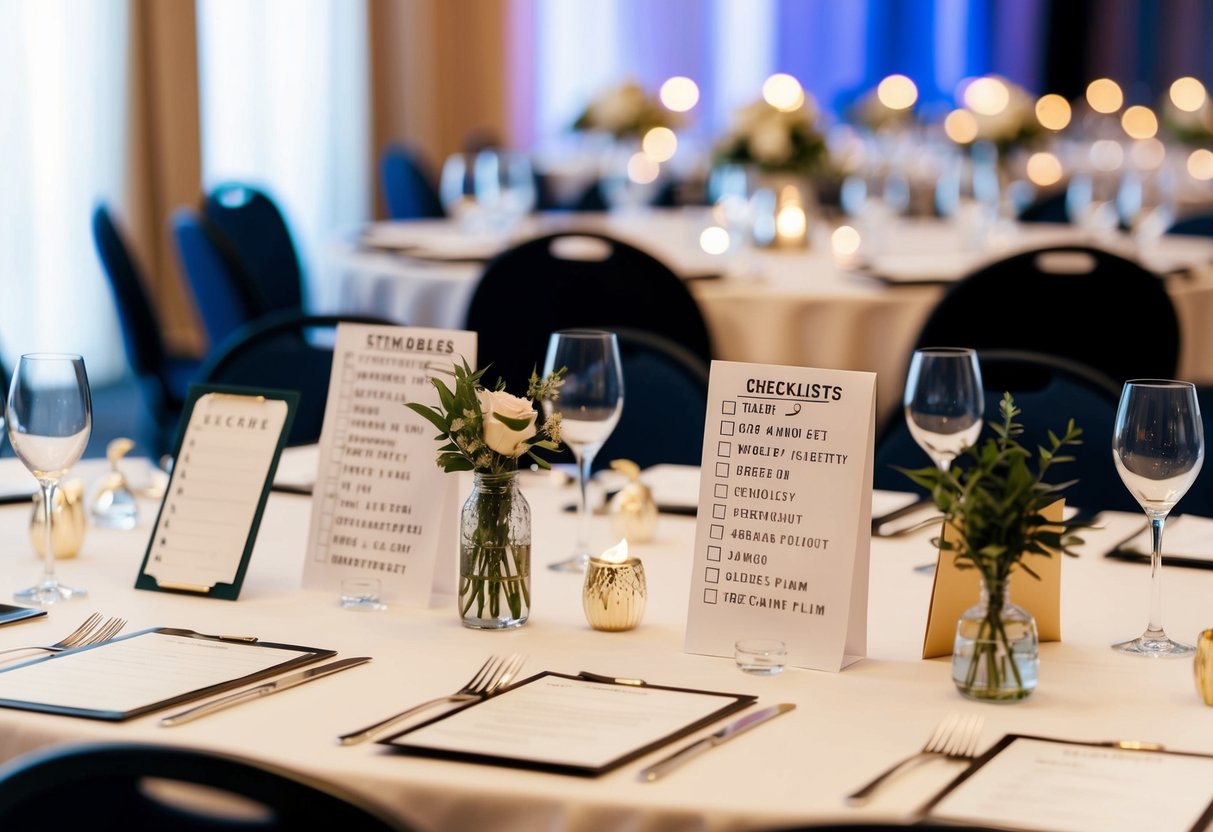
You can enlist the help of a trusted friend or family member who can take on this role. This person can oversee logistics, manage vendors, and ensure that things go according to plan.
You can also consider hiring a venue coordinator, who often provides specific support for the location but may not cover all the planning details.
Exploring these options can ease some of the stress while allowing you to enjoy your wedding day. With a little creativity and the right people, you can find a solution that works for you and your budget.
Understanding the Role of a Day-Of Coordinator

A Day-Of Coordinator plays a crucial role in ensuring your wedding day runs smoothly. This person helps manage the details, allowing you to enjoy your special day without stress. Let’s explore their core responsibilities and the benefits they bring to your wedding planning.
Core Responsibilities
The Day-Of Coordinator has several key responsibilities that make your wedding day easier. These may include:
- Timeline Management: They create a detailed timeline to keep everything on track.
- Vendor Coordination: They communicate with all your vendors, ensuring everyone knows their roles.
- Setup and Breakdown: They oversee the setup of decorations and the breakdown post-celebration.
Additionally, a coordinator is there to handle any unexpected issues. Whether it’s a last-minute change or a vendor delay, they step in to keep everything moving smoothly. Their focus is solely on your day, ensuring you can enjoy it fully without worrying about details.
Benefits in Wedding Planning
Having a Day-Of Coordinator offers numerous benefits during your wedding planning journey.
First, they provide peace of mind. Knowing that someone is managing the day’s details allows you to relax and enjoy your time with family and friends.
Second, they bring expertise. With their experience, they can troubleshoot problems quickly and efficiently. This experience can save you from potential stress on a big day.
Lastly, they help create a seamless flow from ceremony to reception. By focusing on the logistics, your Day-Of Coordinator allows you to concentrate on celebrating, making wonderful memories.
Top Alternatives to a Day-Of Coordinator

If you’re considering alternatives to hiring a day-of coordinator, you have several great options. Each option allows for varying levels of support and coordination to ensure your wedding day runs smoothly.
Full-Service Wedding Planner
A full-service wedding planner is your best bet for comprehensive support. They handle everything from the beginning to the end of your wedding planning. This includes managing your budget, coordinating with vendors, and taking care of logistics.
You get personalized attention and professional expertise. They will create timelines, manage vendor contracts, and ensure all your plans come together seamlessly. While this option may have a higher cost, it can significantly reduce your stress.
If you want to enjoy the planning process while having someone manage the details, this choice is ideal. Trusting an expert can make your day more enjoyable and less hectic.
Event Management Software
Event management software can be a valuable tool for organizing your wedding. There are many platforms designed to help you plan and coordinate every detail. These applications often include features for guest tracking, scheduling, and vendor management.
Using these tools can save you time and keep everything organized. With features like customizable checklists, timelines, and budgeting tools, you can manage your plans from anywhere. Many of these platforms are user-friendly and accessible on mobile devices.
By using event management software, you’ll gain insights and offers to streamline your planning process. This method is great for tech-savvy couples who enjoy DIY planning while staying organized.
On-Site Venue Coordinator
Many venues offer an on-site coordinator as part of their service. This person is familiar with the venue and its logistics, which can be a real advantage. They can help with setup, manage the flow of events, and troubleshoot any issues on your wedding day.
Although they may not be involved in the planning phases, their expertise ensures that all vendor services run smoothly. They usually coordinate with your vendors so that everything aligns with the venue’s rules and timing.
If you are looking for assistance tailored to your venue, this option might be an excellent fit. Having someone familiar with the location can make a significant difference on your big day.
DIY Coordination With a Team
If you prefer a hands-on approach, consider DIY coordination with a team. This method involves gathering trusted friends or family members to help you manage the day. By assigning specific tasks, you can ensure that everything is covered without hiring a professional.
You will need to create a detailed plan with timelines and responsibilities. Clear communication is vital to make sure everyone knows their role. You can make a checklist and designate someone to check in with vendors.
This approach allows for personalization while keeping costs down. If you have a supportive group, this option can lead to a successful and memorable day.
Evaluating Professional Wedding Planners

When considering alternatives to a day-of coordinator, a professional wedding planner can provide extensive support. Here are important aspects to evaluate when thinking about hiring one.
Analyzing the Costs and Benefits
Hiring a wedding planner involves more than just the initial price tag. Planners often save you time by managing details you might overlook.
- Full-service planners can range from $1,500 to over $10,000, depending on their experience and the services included.
- Day-of planners, who generally charge less, might start around $800.
Benefits to Consider:
- A seasoned wedding planner can negotiate vendor contracts and often get you better deals.
- They will manage timelines and coordination, reducing stress on your big day.
Balancing these costs with their experienced benefits is crucial for making the right choice.
Choosing the Right Planner
Finding the best planner for your needs is key. Start by asking for recommendations from friends or family.
Things to consider:
- Review their portfolio to see past weddings they’ve planned.
- Schedule interviews to gauge compatibility—your planner should understand your vision.
Questions to ask:
- What is included in their services?
- How do they handle unexpected issues on the wedding day?
Choosing someone you feel comfortable with can make the planning process enjoyable.
Determining Your Needs
Reflect on what you will need help with while planning your wedding. This might change how you choose a planner.
Consider these factors:
- Are you hands-on and only need day-of support? A day-of coordinator might be enough.
- Do you prefer a planner who manages everything from start to finish?
Make a list of your priorities and must-haves. This will help you clearly communicate your needs to potential planners and find the best fit for your wedding day.
Leveraging Vendors and Suppliers

When planning your event, collaborating with the right vendors and suppliers can ease your workload. Focusing on key partners like florists and venues that offer coordination services can provide essential support without the need for a dedicated day-of coordinator.
Working With a Florist
When selecting a florist, consider their experience with your event type. A skilled florist understands how to create arrangements that match your theme and venue.
Communicate your vision clearly so they can make personalized suggestions. Prepare a list of your favorite flowers and ideas for arrangements, which will help the florist tailor their offerings.
Questions to Ask Your Florist:
- What past experiences do you have with similar events?
- Can you handle setup and breakdown on the event day?
- What is your cancellation policy?
Make sure to book early, as popular florists can be in high demand, especially during peak seasons. This partnership enables you to focus on enjoying your day while the florist takes care of the details.
Selecting a Venue With Coordination Services
Choosing a venue that provides coordination services can greatly reduce your planning stress. These venues often include a foreman who oversees setup, ensuring everything runs smoothly.
Ask potential venues about their coordination services. Many venues offer packages that include planning support or on-site management. This can mean the difference between a chaotic event and a seamless one.
Key Benefits of Venue Coordination:
- Streamlined communication between vendors.
- Managed setup and cleanup processes.
- Access to a trusted network of additional services.
When you invest in a venue with these options, you can relax knowing that your event will still have a professional touch, even without a dedicated day-of coordinator.