
What Is the Alternative to Getting Married in the UK? Exploring Your Options
If you’re considering options other than marriage in the UK, you’re not alone. Many couples explore various alternatives that offer love and commitment without the traditional wedding.
One of the most popular options is a civil partnership, which grants similar legal rights and responsibilities as marriage.

Another common choice is cohabitation, where you and your partner live together without formalizing the relationship. This arrangement can provide flexibility, allowing you to build a life together while maintaining your independence.
When living together, it’s important to understand your legal rights regarding property, finances, and any children you may have, as these can differ from those in a marriage.
These alternatives can offer valuable benefits that suit your lifestyle and values. Whether you’re drawn to civil partnerships or prefer the idea of cohabitation, exploring these options can lead you to the best choice for your relationship.
Understanding Civil Partnerships
Civil partnerships offer a meaningful option for couples who seek to formalize their relationship without entering into a traditional marriage. This legal arrangement provides many of the same rights and responsibilities as marriage, making it a viable alternative for same-sex couples and others.
Legal Framework of Civil Partnerships
In the UK, civil partnerships were introduced in 2005, allowing same-sex couples to have their relationships legally recognized. This framework ensures equal rights in areas like inheritance, taxation, and parental responsibilities.
You can form a civil partnership at a registry office or a designated venue. The process requires both partners to give notice, providing proof of identity and address. After this, you can arrange a ceremony, although it is generally less formal than a marriage.
Civil Partnerships vs. Marriage
While both civil partnerships and marriages afford similar legal rights, there are notable differences. For example, civil partnerships cannot use the term “married” legally.
In the eyes of UK law, civil partnerships were established more recently than traditional marriages. This difference can lead to some uncertainties in specific legal matters.
If you’re considering this option, know that a civil partnership should be approached with the same seriousness as a marriage. Both arrangements are designed to protect your rights and ensure a supportive framework for your relationship.
Forming a Civil Partnership in the UK
To form a civil partnership, you must follow a set of steps. Initially, you need to give notice of your intention to enter into this partnership. This involves visiting your local registry office in England, Wales, or Northern Ireland.
The notice period lasts for 28 days. After this, you can proceed with the ceremony at the same or another venue of your choice. It’s essential to prepare the necessary documents, including proof of identity, for a smooth experience.
By understanding these steps, you can make informed decisions about your relationship status.
Cohabitation and Legal Rights
If you choose to live together without marrying, it’s important to understand how cohabitation affects your legal rights. Your relationship may have different rights and responsibilities compared to a legal marriage. Here’s what you need to know.
What is Cohabitation?
Cohabitation refers to when two people live together in a long-term relationship without being married or in a civil partnership. This arrangement is common in the UK and can involve romantic couples or those who are just close friends.
Cohabiting couples often share their lives, finances, and responsibilities like a married couple. However, cohabitation does not provide the same automatic legal protections that marriage does. Understanding the nature of your commitment is essential for planning your future together.
Legal Rights for Cohabiting Couples
Cohabiting couples do not have the same legal rights as married couples. For example, if you live together but are not married, your partner does not automatically have parental responsibility for your children. In contrast, both parents in a marriage have equal rights and responsibilities towards their offspring.
Without legal protections, you may face challenges if you split up, especially regarding property and finances. If you do not have a will, your partner may not inherit your assets unless they can make a claim, which is not guaranteed.
It’s vital to consider these aspects as you build your life together.
Cohabitation Agreements
A cohabitation agreement is a useful document that outlines the rights and responsibilities of each partner in a cohabiting relationship. It serves to clarify how finances, assets, and responsibilities will be managed.
You might want to include details about shared expenses, property ownership, and how to handle debts. Creating a cohabitation agreement is a proactive step to protect your interests.
Consider seeking legal advice to ensure that the document meets all necessary requirements and reflects both partners’ wishes.
Religious and Non-Religious Ceremonies
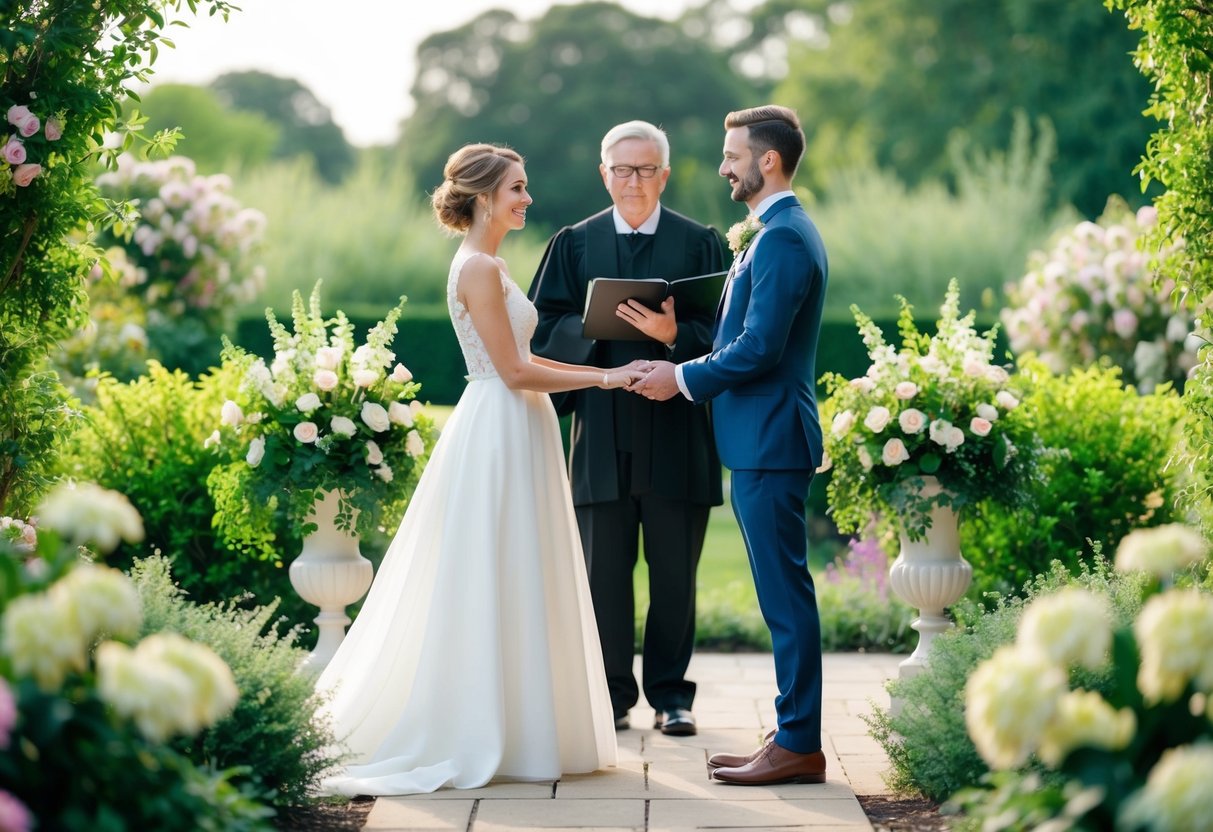
In the UK, there are many ways to celebrate your commitment that suit different beliefs and preferences. Whether you’re looking for a traditional church ceremony or something more unique, options are available for everyone.
Alternative Ceremonies for Commitment
If a civil ceremony feels more aligned with you, consider options like outdoor venues or a unique space that reflects your style. Civil ceremonies can take place in many locations, from parks to historic buildings.
You can personalize your vows and include readings that are meaningful to you. Many couples choose to incorporate special elements like music or personal stories, which adds a personal touch to the ceremony.
You can also explore a humanist ceremony, which focuses on human values without any religious aspects.
Faith-Based Commitment Rituals
For those who wish to include their faith in the commitment ceremony, faith-based rituals are a great option. Whether you belong to a specific religion or want to incorporate spiritual elements, there are various paths you can take.
A church ceremony usually includes traditional vows, readings from sacred texts, and other religious practices. Many faith communities welcome couples looking to marry in the UK, even if they have non-traditional beliefs.
Consider discussing your wishes with a spiritual leader to make your ceremony memorable and respectful. By embracing your beliefs, you create a meaningful and heartfelt celebration of your commitment.
Legal and Financial Considerations

When exploring alternatives to marriage in the UK, it’s essential to look into the legal and financial aspects. Here are key points to consider:
Legal Recognition: You can choose to enter a civil partnership. This option is legally recognized and offers many of the same rights as marriage. It is available for both same-sex and opposite-sex couples.
Register Office: If you decide to marry, you’ll need to give notice at a register office. This step is essential to make your marriage legally binding.
Tax Benefits: Being married or in a civil partnership can provide tax advantages. For example, you may qualify for the Marriage Allowance, which can result in a tax break.
Financial Rights: In a civil partnership or marriage, both partners gain specific legal rights, such as shared property rights and inheritance rights. Think about how these may benefit you.
Divorce Considerations: If you choose marriage but later decide to separate, you will face legal processes associated with divorce. This can include dividing assets and resolving financial issues.
Settled Status: Your immigration status can affect your rights in partnerships. It’s wise to understand how your immigration status interacts with any living arrangements you choose.
Exploring these aspects can help you make informed choices about your relationship and its legal standing in the UK.