
What Is the Average Age to Have a Baby in the UK? Understanding Trends and Insights
Having a baby is a big decision, and knowing the right timing can help you feel more prepared. In the UK, mothers have a baby at an average age of about 30.9 years, while fathers tend to be around 33.7 years old. These numbers have steadily increased over the years, reflecting changes in society and personal choices.

When you look at live births in England and Wales, you’ll notice that many parents are waiting until they are older to start families. This shift means that there’s also a growing number of stillbirths, particularly among women over 40, where the rate is about 6.0 stillbirths per 1,000 births. Understanding these trends can help you navigate your own journey into parenthood.
Demographics of Parenthood in the UK
In the UK, parenthood trends are shaped by various factors, including age, ethnicity, and family planning choices. Understanding these aspects can provide insights into the experience of becoming a parent in modern society.
Age Trends and Family Planning
In England and Wales, the average age of mothers at childbirth is currently around 30.9 years. This reflects a significant increase from 27.7 years in 1991. Many factors contribute to this delay in childbearing, such as pursuing higher education and establishing careers.
The average number of children per family has also changed. Families are trending toward having fewer children, with a completed family size often around 1.7 children. This shift indicates that many couples are more focused on their careers and personal goals before starting a family, leading to increased childlessness as well.
Cultural and Ethnic Considerations
Cultural and ethnic backgrounds play a role in parenting trends in the UK. Studies show that women from the black ethnic group often have children at younger average ages compared to other ethnic groups. In contrast, women of Asian descent may have larger families.
Your experiences with parenthood may also be influenced by community support and family structures. For example, some families may place a high value on extended family involvement, which can shape decisions about when to have children. Ethnic and cultural factors contribute significantly to the demographics of parenthood, reflecting diverse values and priorities across different communities.
Birth Statistics and Health Data
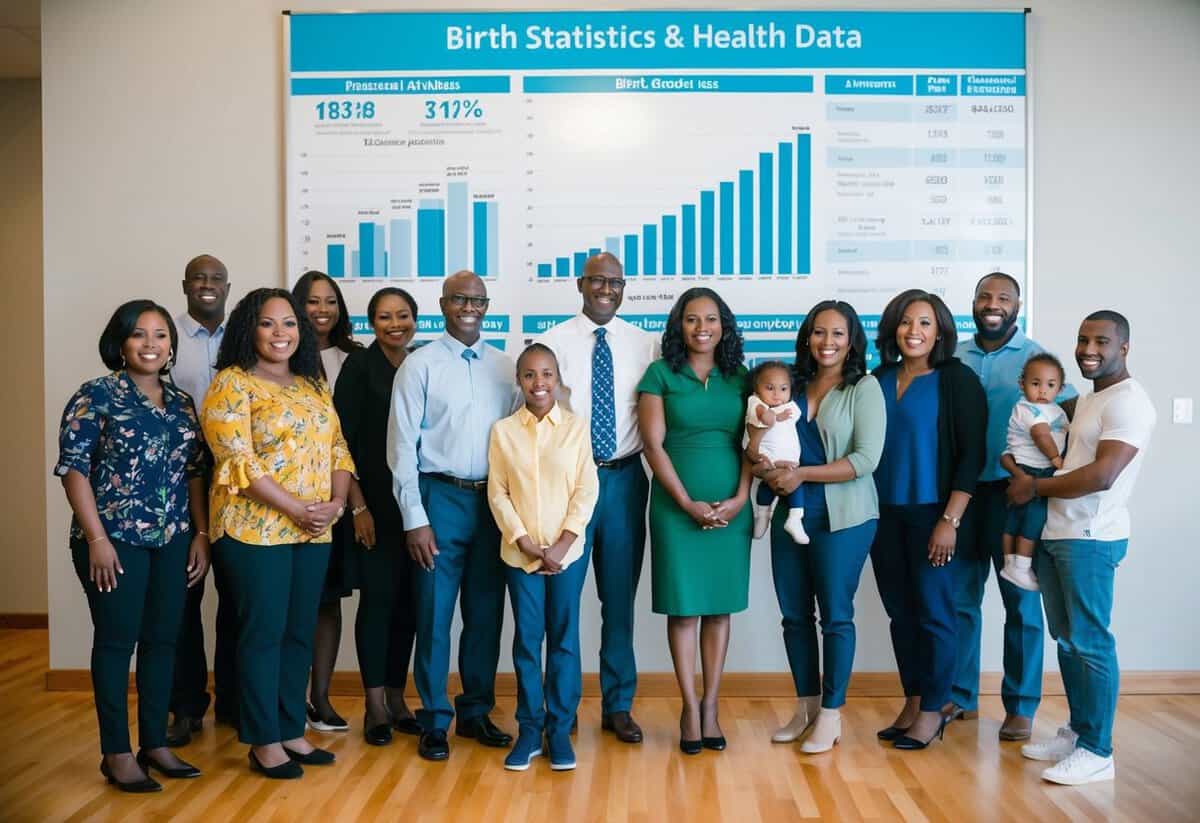
Understanding birth statistics and health data can give you valuable insights into childbirth in the UK. This information helps paint a clearer picture of current trends regarding the age of parents and the well-being of babies.
Birth Rates and Types
In 2021, there were around 615,000 live-born children in England and Wales. This marked a slight decrease in annual live births compared to previous years. Approximately 1.9% of these were multiple births, indicating a steady but modest occurrence of twins and triplets.
When looking at preterm births, about 7.4% of live births were classified as preterm. This statistic highlights the importance of prenatal care. Factors such as maternal age and health can significantly affect these rates.
Birthweight is another important aspect. The average birthweight for live-born children is around 3.5 kg. Babies born with lower birthweights might face more health challenges.
Health Factors in Childbirth
Health factors play a vital role in childbirth. The stillbirth rate in England is about 3.9 stillbirths per 1,000 births. Interestingly, this rate is highest among women aged 40 years and older, sitting at around 6.0 stillbirths per 1,000 births.
Also, gestational age impacts your baby’s health. Full-term births occur between 37 and 42 weeks. Babies born before this timeframe might face complications. Being informed about these health factors can help you make better choices for your family.
Legal and Statistical Frameworks
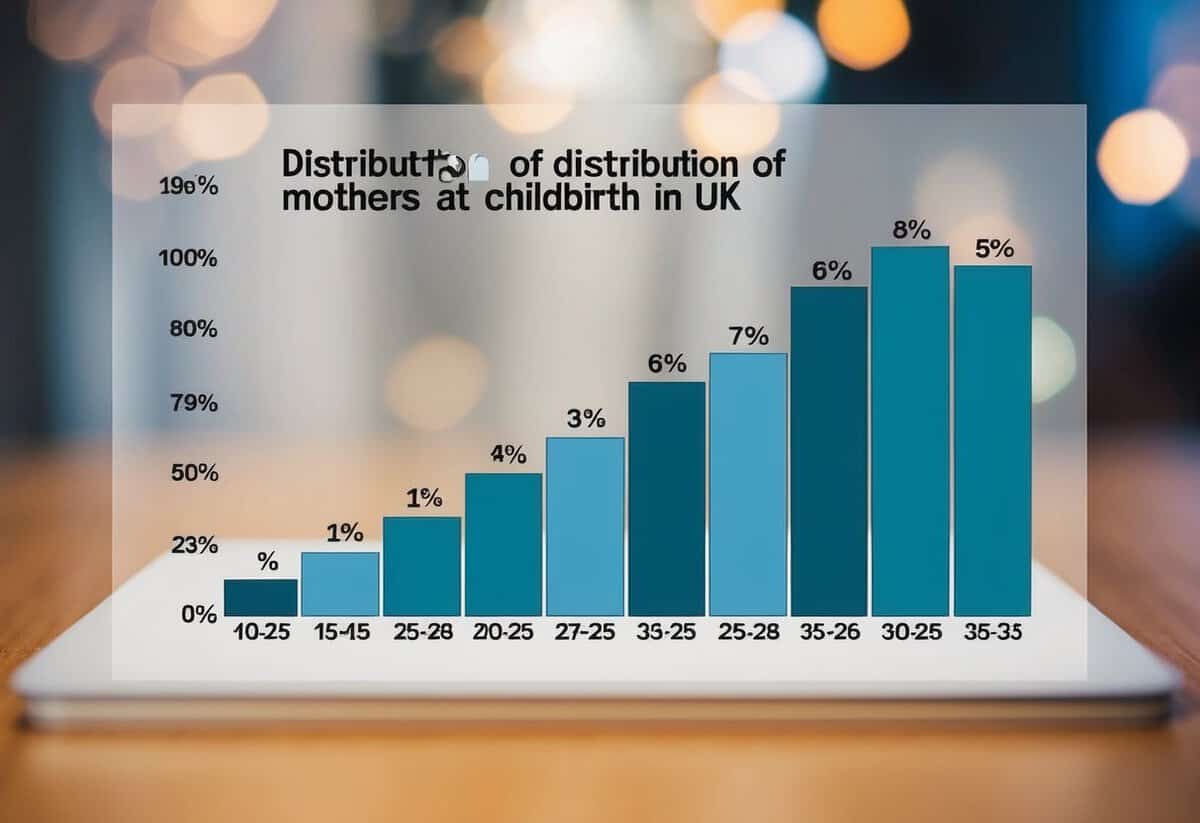
Understanding the legal and statistical frameworks that influence the average age to have a baby in the UK is important. These frameworks shape policies around fertility and help collect relevant data.
Legislation Influencing Fertility
In the UK, legislation plays a key role in fertility and childbearing. The Human Fertilisation and Embryology Act governs assisted reproductive technologies, ensuring safety and ethical practices. This law impacts access to fertility treatments and therefore the age at which women seek to conceive.
In England and Wales, families may face varying regulations compared to Scotland, which has its own set of laws under the National Records of Scotland. These differences can affect decisions about having children.
Moreover, societal shifts, such as the increase in career-focused women, have led to later motherhood. As a result, understanding these legal frameworks helps you grasp the broader context influencing your choices.
Data Sources and Records
Tracking fertility trends requires collecting data. Birth statistics are compiled in national databases, which help establish the standardised mean age for new parents.
The Office for National Statistics (ONS) gathers and publishes data on births in England and Wales. This includes comprehensive details on birth characteristics and place of birth. Such information is essential for research and policymaking.
Additionally, the National Records of Scotland provides similar data for Scotland. These sources allow researchers to analyze age trends and make informed predictions about future fertility patterns.
You can use these statistics to better understand the evolving landscape of family planning in the UK.