
What is the Average Age UK Wedding? Insights into Modern Marital Trends
If you’re curious about the average age for weddings in the UK, you’re not alone. Many people wonder when others tie the knot and how that might impact their own plans.
As of 2020, men typically marry at about 39.7 years, while women marry at about 37.0 years.
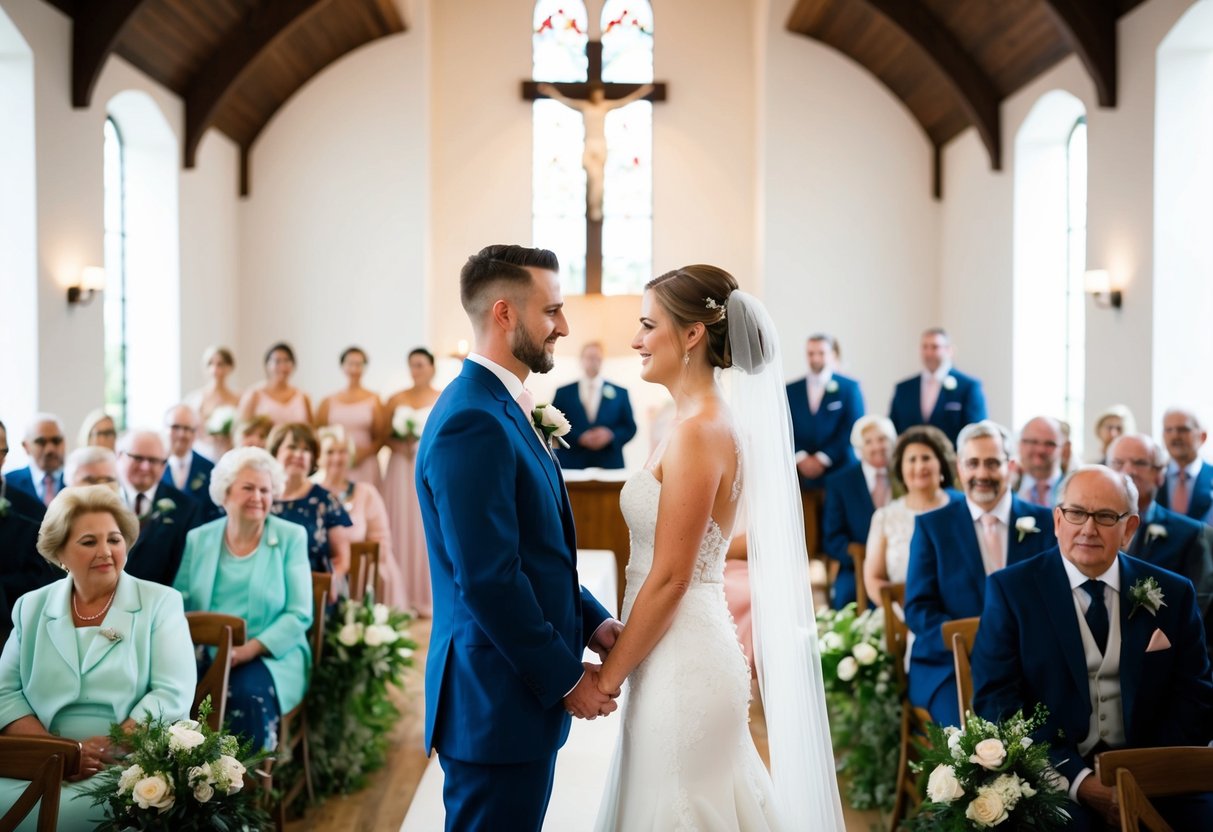
These numbers show that couples are waiting longer to get married compared to previous generations. This change reflects shifting priorities, such as focusing on education, careers, and personal growth before settling down.
Exploring this topic can help you understand the current trends in marriage and what they mean for your own journey.
Whether you’re planning your wedding or just curious about marriage trends, knowing the average age at marriage can give you valuable insights. Let’s dive deeper into how these averages have evolved and what factors contribute to this trend in the UK.
Average Age Trends for UK Weddings
The average age at which people get married in the UK has changed significantly over the years. You can see growth in both the average marriage age and wedding trends.
Let’s explore these shifts from a historical view and then compare the current situation.
Historical Perspective
In the past, the age at marriage was much lower than today. For example, in 1971, the average age for women was about 22.6 years, while men typically married at around 24.6 years.
As society evolved, these ages began to climb steadily. By 2020, the average age for men reached 35.4 years, and for women, it was 33.2 years. Increases in education and career focus contributed to this trend.
People pursued personal growth and financial stability, leading many to choose to delay marriage. This shift in priorities has a lasting impact on marriage rates and the overall wedding landscape.
Contemporary Comparisons
Today, you might notice that couples are marrying later in life. The average ages from recent data reveal that women often marry around 30.8 years and men around 32.7 years.
These statistics highlight a growing trend in delayed marriage compared to the past.
This change also influences wedding trends. Couples might invest more in their weddings, seeking unique experiences that reflect their personalities and values. The average marriage age indicates evolving social norms, where marriage is viewed differently than in previous decades. With these trends, it’s clear that the age at marriage continues to transform in modern UK society.
Cultural and Regional Variations
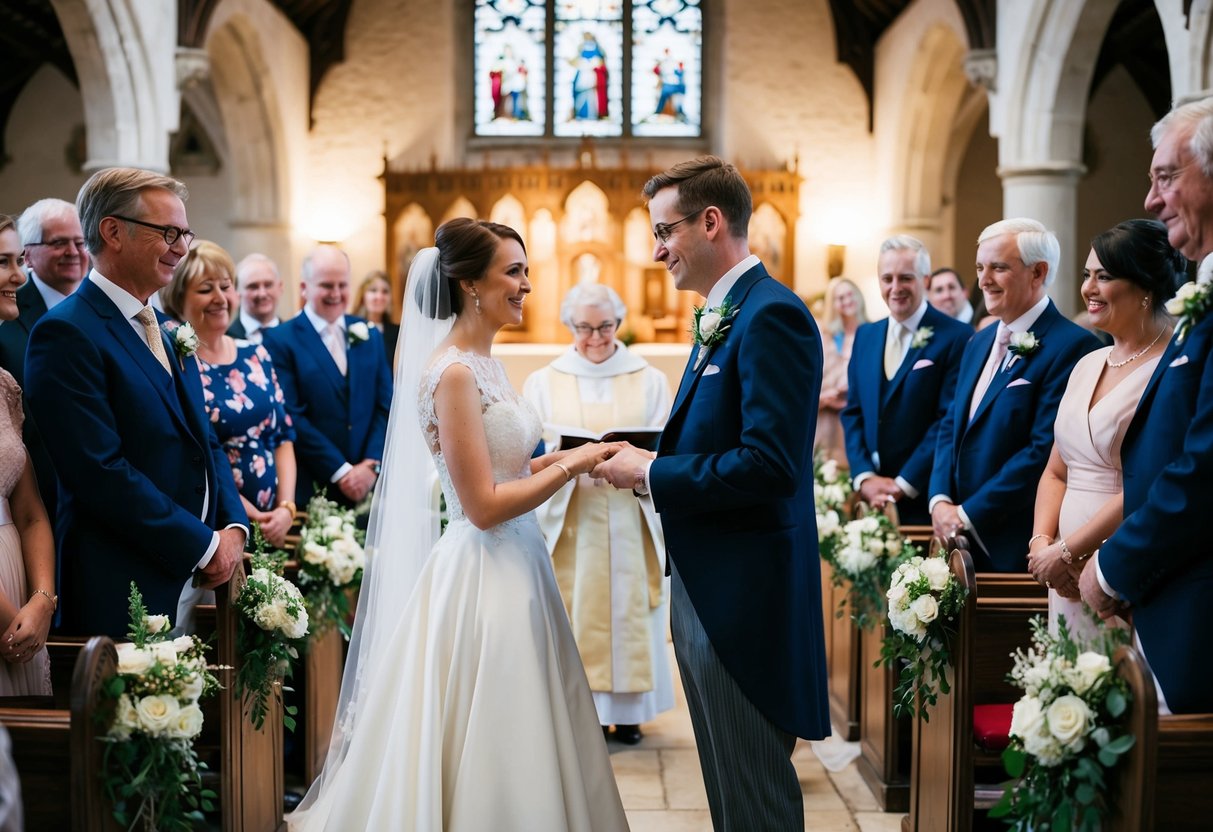
Cultural and regional differences play a significant role in wedding planning in the UK. Understanding these variations can help you navigate traditions and expectations based on your location and beliefs.
Differences in Wales
In Wales, weddings often reflect rich cultural traditions. You might notice that many ceremonies include aspects of Welsh identity. For instance, the use of the Welsh language in vows or songs can be common.
Traditional Welsh weddings might also feature specific customs like the “cai”, a playful tradition where guests tease the couple.
Wales has also seen a shift in the average age of marriage, aligning more with broader UK trends. Many couples are choosing to marry later, with the average age for men being around 39 and women around 36.1, which shows how societal changes impact wedding timing.
Religious vs Civil Ceremonies
When choosing between religious and civil ceremonies, you’ll find important differences in the average age of marriage.
Typically, religious ceremonies may appeal to those who value tradition, and this can sometimes encourage earlier weddings. For instance, in many religious communities, couples might marry in their early 30s or even late 20s.
In contrast, civil ceremonies tend to attract couples who prioritize personalization and flexibility, often resulting in a higher average age at marriage. In recent years, this has been noted at 35.3 years for men and 33.2 years for women.
Understanding these options and their cultural significance can greatly influence your wedding planning journey.
Influences on the Age of Marriage
Several factors affect when couples decide to marry. Serious relationships and financial considerations are primary influences that shape the timing of marriage, impacting when you might choose to take this significant step.
Serious Relationships
In the context of marriage, serious relationships often determine when couples feel ready for a life-long commitment. Individuals usually want to know their partner well, which includes understanding each other’s values and lifestyle choices.
This phase can last several years as you navigate dating, living together, and building trust. Emotional maturity plays a key role, and many people prefer waiting until they feel secure in their relationship.
As a result, the time spent in a serious relationship can delay the decision to marry, making it common to see couples tying the knot later in life.
Financial Considerations
Financial stability is another vital factor influencing the age of marriage. Many people focus on careers, savings, and debt management before making such a significant commitment.
Couples often want to ensure they can support a household and plan for future expenses like housing, children, and weddings.
The desire to avoid financial strain can push marriage back as you and your partner aim for stability. The rising costs of living and wedding expenses further complicate this decision, leading many to prioritize their finances before saying “I do.”
Impact of Wedding Venues and Planning
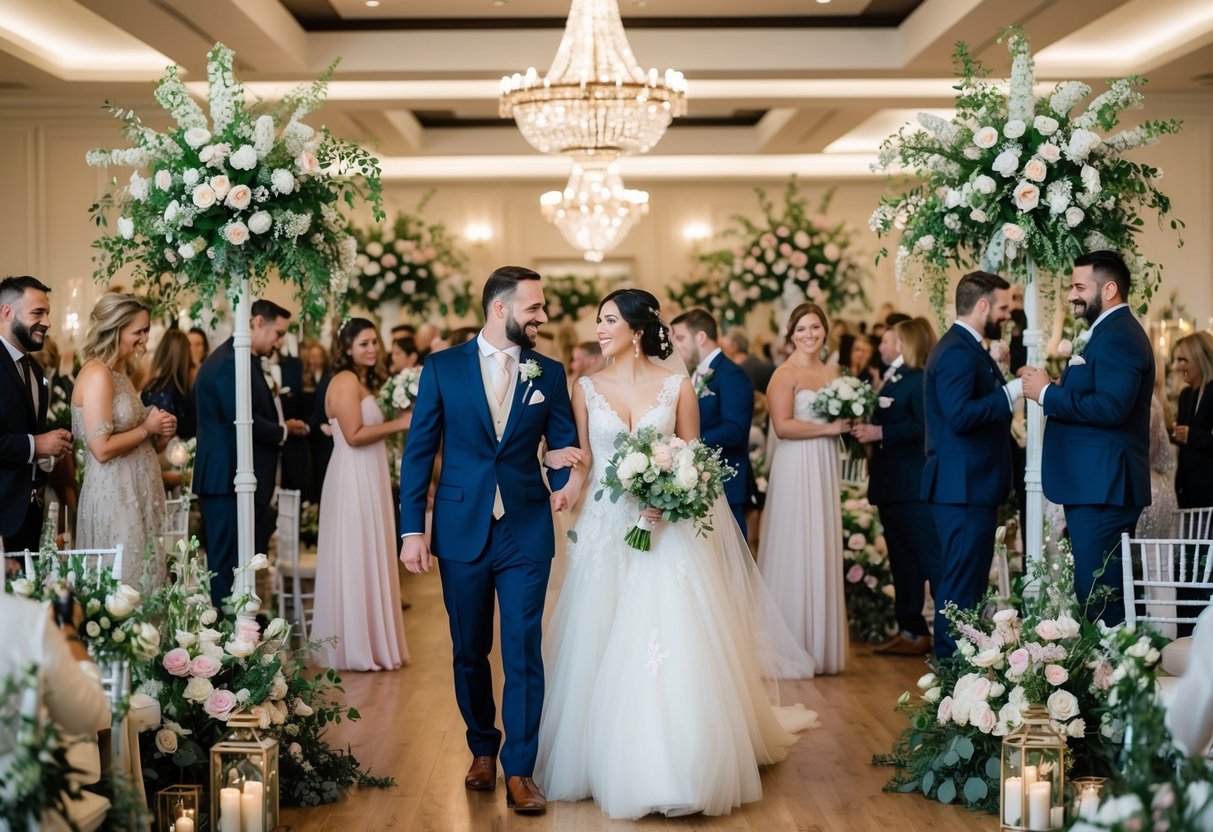
Choosing the right venue and creating a solid planning timeline can greatly affect your wedding experience. Both aspects play a crucial role in making your special day memorable and stress-free.
Choosing the Perfect Venue
When it comes to selecting a venue, consider your style and budget. Popular options include barns, hotels, and gardens, each offering unique vibes.
Look for venues that can accommodate your guest list comfortably and have the necessary amenities.
Think about the location as well. A scenic view or historic site can enhance your wedding’s atmosphere. Research accessibility for your guests, considering travel options and parking availability.
Don’t forget to ask about packages. Some venues offer all-inclusive deals that cover catering, decorations, and services, which can simplify your planning.
Make sure to visit potential venues in person. This helps you visualize how your wedding will unfold and if it aligns with your vision.
Planning Timeline
Developing a wedding planning timeline is essential for staying organized. You should start by setting a date early on. This allows you to secure your venue and book vendors without stress.
Break down tasks into manageable steps. A good approach is to create a checklist that outlines what needs to be done each month leading up to the wedding.
Key tasks include sending save-the-dates, finalizing your guest list, and scheduling tastings.
Don’t forget to include buffer time for unexpected issues. Planning early gives you the flexibility to adapt if something changes. This way, you can enjoy the experience with less pressure, making your wedding day delightful.