
What Is the Average Cash Wedding Gift Per Person? A Guide to Wedding Gift Etiquette
As a wedding guest, you may wonder how much to give as a cash wedding gift. Understanding the social norms around gift-giving can help ease that decision. The average cash wedding gift per person is around $100, but this can vary based on your relationship with the couple and other factors.
Guests often consider their closeness to the couple when deciding on the amount.
Close friends and family typically spend more, often ranging from $100 to $150. On the other hand, coworkers or distant relatives usually give less, with amounts between $50 and $75.
Knowing what others are giving can help you feel more confident in your choice.
Ultimately, giving a cash wedding gift is a thoughtful way to contribute to the couple’s new life together. It allows them the flexibility to use the funds as they see fit, whether for their honeymoon or future expenses. Understanding these average gift amounts can guide you in making a generous and appropriate choice.
Understanding Wedding Gift Etiquette

When it comes to wedding gifts, knowing the proper etiquette can guide you in making thoughtful choices. It’s important to balance personal connections and general rules to ensure your gift is well-received.
The Basics of Wedding Gift Giving
Wedding gift etiquette suggests that cash is often appreciated. The average cash gift usually ranges from $100 to $150 per person. You might choose to give more if you are close to the couple.
If you plan to attend the wedding with someone, consider giving a larger amount together.
For example, a total gift of $250 to $300 can be reasonable for couples attending as guests.
A nice touch is including a personal note with your cash gift. This shows thoughtfulness. Whether you give cash or a physical gift, remember to keep it aligned with your budget and relationship to the couple.
Role of the Relationship with the Couple
Your connection with the couple plays a big role in gift-giving decisions.
Close friends and family may feel inclined to give higher amounts, potentially around $200 or more. Casual acquaintances, on the other hand, might stick to the lower end of the spectrum, such as $50 to $100.
Consider other factors, too, like your travel expenses or the couple’s wedding style.
If it’s a small, intimate gathering, your gift may be more personal. If the wedding is large and formal, sticking to typical amounts is wise.
Understanding your relationship and situation helps guide you to an appropriate wedding gift, ensuring it reflects your connection and intentions.
Determining the Right Amount

When it comes to wedding gifts, knowing how much to give can be tricky. Several factors influence this decision, and using a wedding gift calculator can help you find a suitable amount that fits your budget.
Factors Influencing Wedding Gift Amount
Your relationship with the couple plays a significant role in deciding how much to spend on a wedding gift. If you are a close friend or family member, you might consider giving more than if you are an acquaintance.
Average wedding gift amounts can vary. In 2023, guests spent about $150 on average, down from $160 in 2022.
You should also think about your own financial situation. Setting a wedding gift budget is essential to ensure that giving doesn’t strain your finances.
Another factor is whether you are bringing a plus-one. In such cases, it’s common to increase your gift amount.
For example, you might consider contributing around $200 for two guests instead of $100 for one.
Using a Wedding Gift Calculator
Using a wedding gift calculator can simplify your decision-making process. These tools ask for some key details, such as your relationship to the couple and your budget.
By providing this information, you can receive tailored recommendations on an appropriate wedding gift amount. Some calculators also consider local customs and traditions, which can vary widely.
Finding the right amount can be as easy as entering your data. Using these calculators helps you feel more confident in your gift-giving choices, making the experience enjoyable for you and the happy couple.
Cash Gifts Versus Wedding Registry
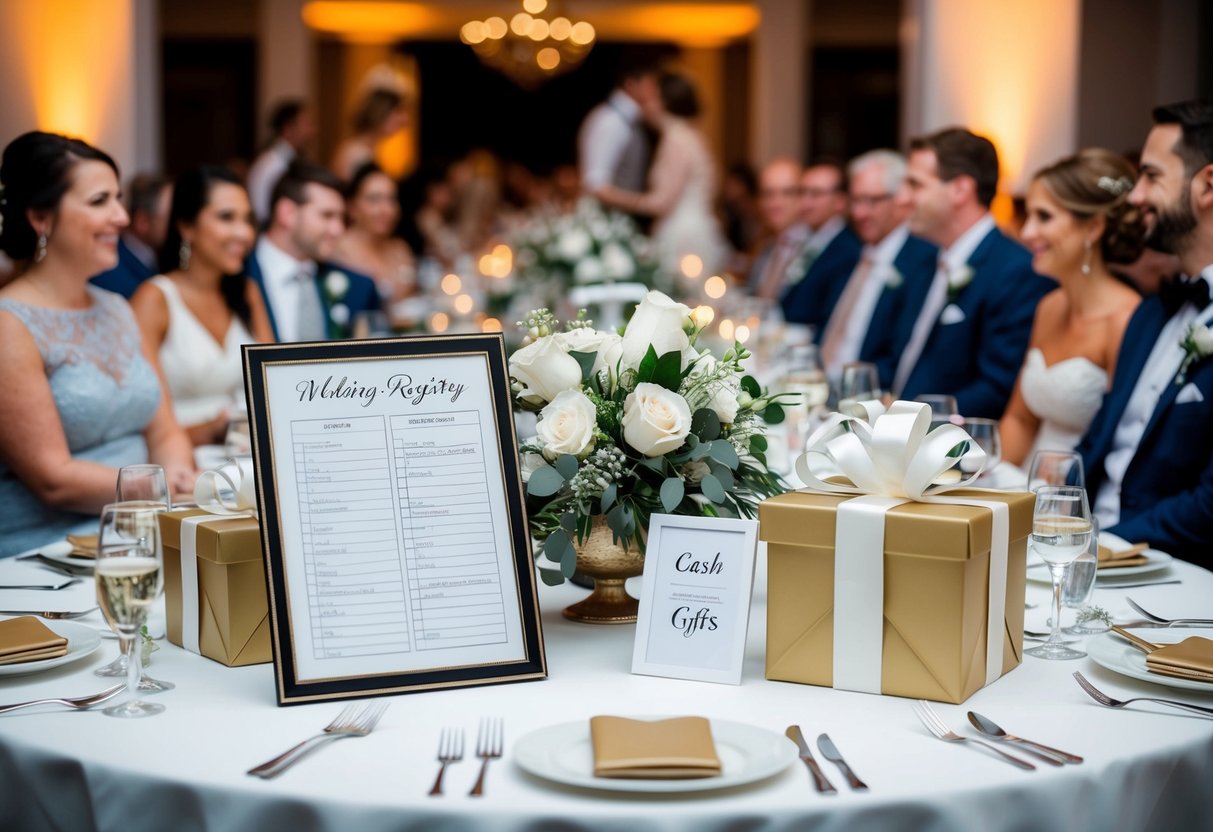
When deciding on a wedding gift, you often face the choice between giving cash or selecting items from the couple’s registry. Both options have their benefits, and understanding these can help you make the best decision.
Choosing Between Money and Registry Items
Cash wedding gifts offer flexibility. When you give money, the couple can use it how they see fit. This can be especially helpful for newlyweds who may have costs beyond their registry. You might give a cash gift of $50 to $250 based on your relationship with them.
On the other hand, using a wedding registry ensures the couple receives something they specifically want or need.
Items on the registry may include kitchenware, home decor, or outdoor gear. This option can show that you put thought into your gift. Many guests tend to give gifts within the range of $100 to $160, which is also a popular amount to consider for registry items.
The Rising Trend of Cash Wedding Gifts
Cash gifts are now more preferred by couples, creating a growing trend in weddings. Surveys show that the average cash gift ranges from $150 to $168. This trend caters to modern couples who might already have all the household items they need.
A cash gift allows them to invest in their future, such as saving for a home or honeymoon expenses. Many wedding guests feel less concerned about sticking strictly to registry items. This shift shows how cash gifts can adapt to changing times.
The rise of cash wedding gifts indicates that flexibility and personal choice are becoming significant considerations.