
What is the Average Guest Count for a Wedding? Discovering Ideal Numbers for Your Special Day
Planning a wedding involves many choices, and one of the biggest decisions is how many guests to invite. Recent years have seen the average wedding guest count fall around 115 to 117 people. Knowing this can help you tailor your venue selection, budget, and guest list accordingly.
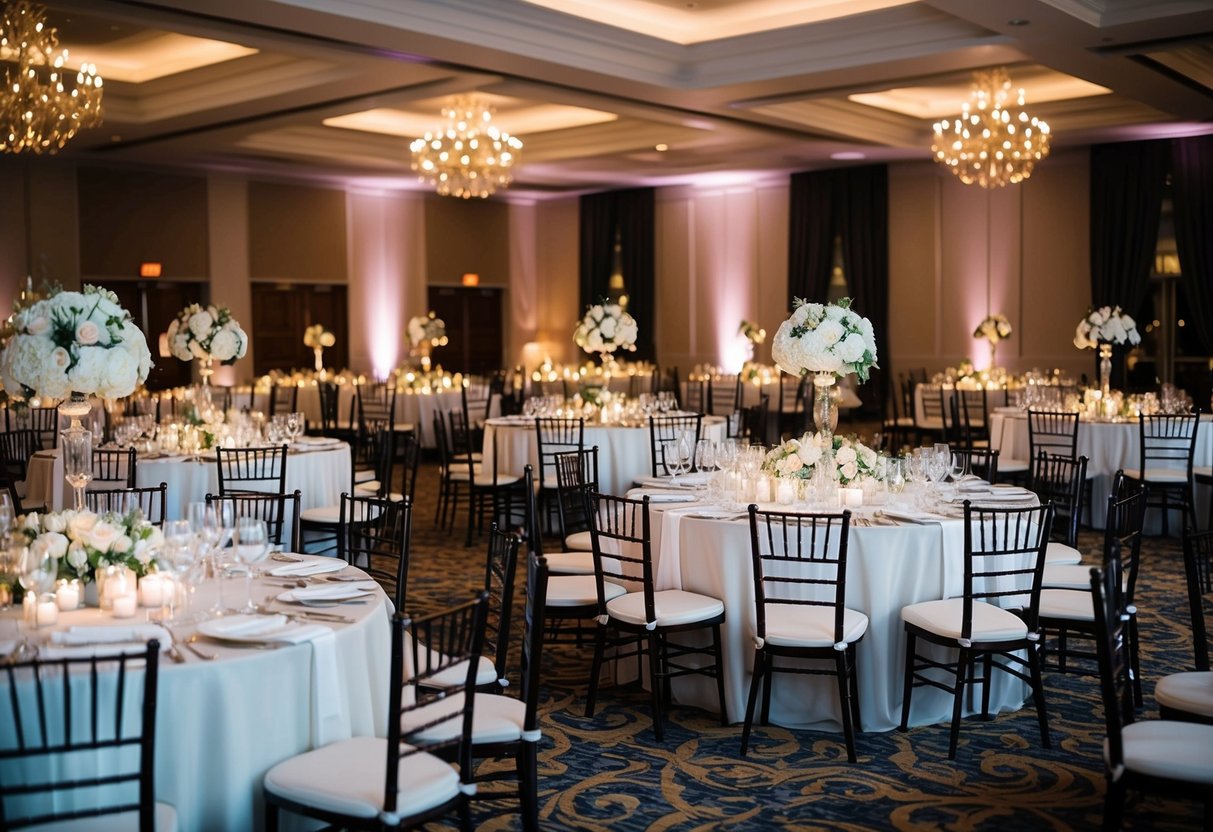
Whether you’re dreaming of an intimate gathering or a lively celebration, understanding guest sizes can greatly affect your planning. Smaller weddings typically have fewer than 50 guests, while larger ones can exceed 150. This variety allows you to choose a style that feels right for you and your partner.
As you think about your special day, it’s important to consider not just numbers, but the atmosphere you want to create. By knowing what most couples experience, you can make informed choices that reflect your unique love story.
Understanding Wedding Sizes
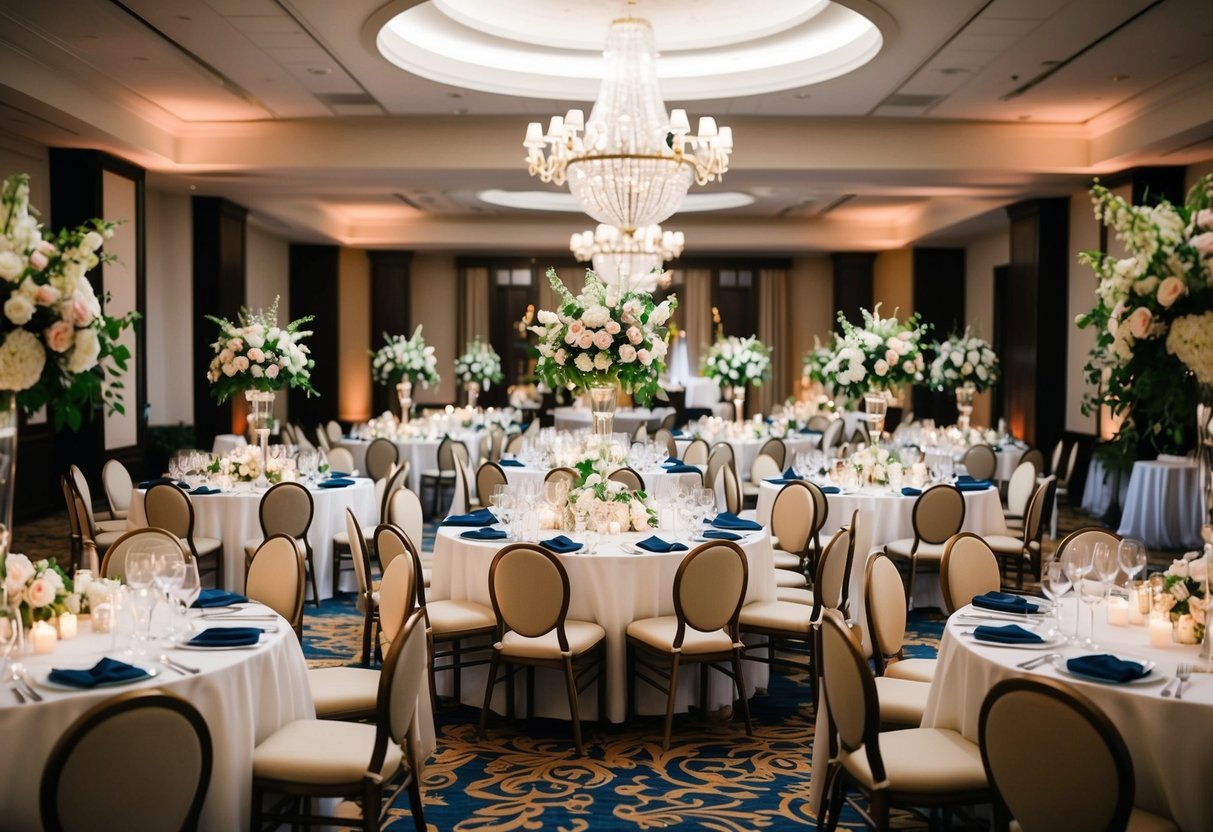
When planning your big day, understanding the different sizes of weddings can help you make decisions that fit your vision and budget. Each wedding size has its own unique feel and can impact your guest experience.
Small Weddings: Embracing Intimacy
Small weddings, often referred to as intimate weddings or micro weddings, typically have guest lists of 50 people or fewer. These events create a cozy atmosphere where you can connect deeply with your guests.
Many couples choose small weddings to focus on personal touches. You can often select a beautiful venue that might not accommodate larger crowds. With fewer guests, you can enjoy more meaningful interactions and even spend quality time with each guest.
Small weddings can take many forms, including a minimony, which may involve essential elements like the ceremony without a full reception. This smaller setting allows you to prioritize what matters most to you and your partner.
Medium Weddings: Balancing Sociability and Intimacy
Medium weddings usually range from 50 to 150 guests. This size strikes a balance between intimacy and the excitement of a larger gathering. You can invite family and friends while still keeping the atmosphere relaxed.
With a medium wedding, you have more options for venues and can accommodate more elaborate setups and programs. You can enjoy good food, music, and activities, making it a fun celebration for everyone involved.
This size allows for a mix of personal touches and a lively atmosphere. It gives you the chance to understand your guest dynamics better, making it easier to connect with a wider circle of your loved ones.
Large Weddings: Celebrating on a Grand Scale
Large weddings typically include over 150 guests, turning your celebration into a big event. This size is ideal for couples who have large families or extensive friend groups, allowing you to gather everyone in one place.
With a big wedding, you can select grand venues that offer a variety of services and amenities. This often includes elaborate decorations, a full-course meal, and entertainment options like bands or DJs.
Planning a large wedding means considering logistics carefully. You will need to think about seating arrangements, vendor coordination, and timeline management. While it’s a big celebration, it can be a rewarding experience to bring so many loved ones together.
Factors Influencing Average Guest Count
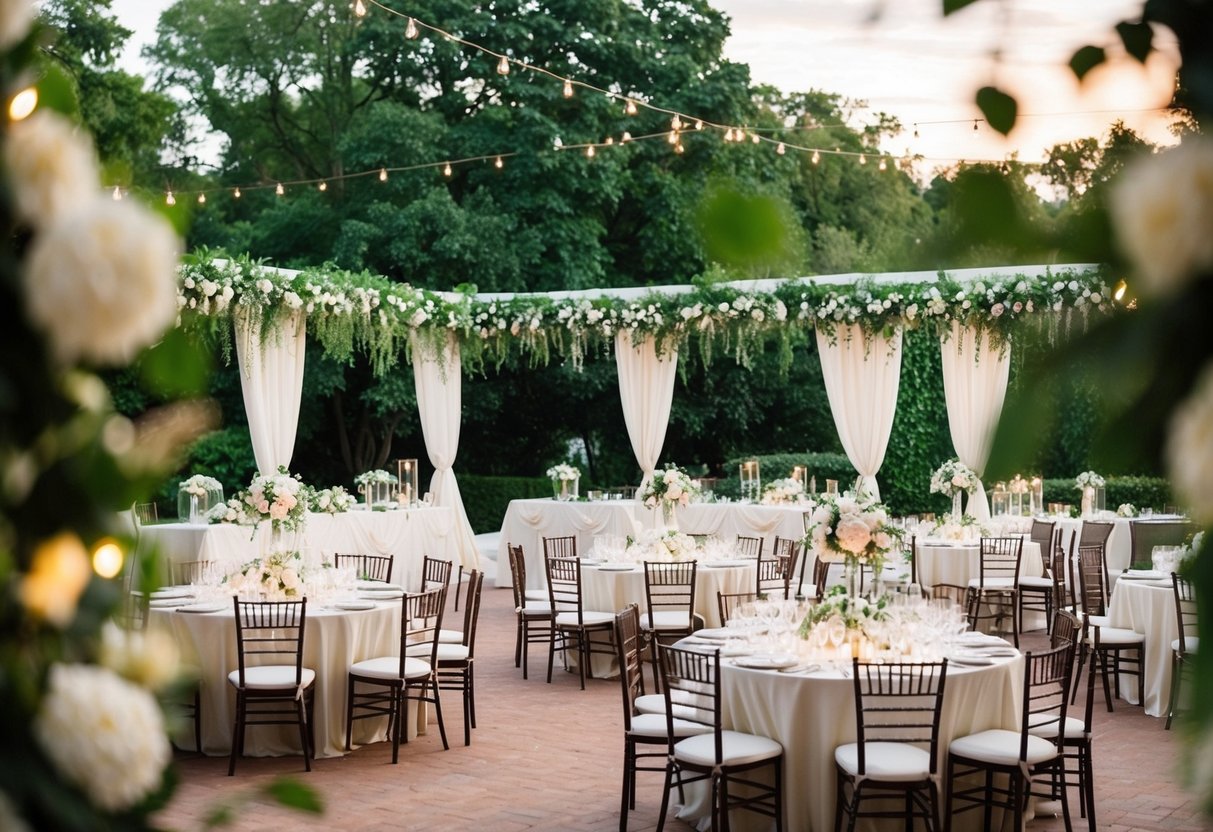
Many factors play a role in determining how many guests you might invite to your wedding. Each choice you make can significantly affect your guest list, including budget, venue options, and personal preferences. Here’s a closer look at these important factors.
Budget Considerations
Your wedding budget is one of the most significant factors in deciding your guest count. A larger guest list often leads to higher costs in catering, venue size, and other expenses.
For example, if you have a budget of $10,000 and estimate $100 per guest, you can invite about 100 people. This means every guest counts toward your overall budget.
Consider ways to manage costs. Opting for a smaller guest list might allow you to spend more on other elements, like a beautiful venue or a special menu. Think about your priorities and how many friends and family you truly want to share this important day with.
Venue Capacity and Location
The venue you choose will directly affect how many guests can attend. Each location has a maximum capacity, and it is crucial to stay within those limits to ensure everyone feels comfortable and has enough space.
If you choose a small, intimate venue, it may only accommodate around 50 people. In contrast, a larger banquet hall could host over 200 guests. Knowing the specifics of your chosen venue can help you plan better.
Additionally, the location can impact attendance. If you’re planning a destination wedding, you might have fewer local guests able to travel. Be sure to factor in these details when deciding where to host your big day.
Personal Preferences of the Couple
Your personal preferences will significantly influence the guest list as well. Some couples dream of a large celebration packed with family and friends, while others may favor a more intimate gathering.
Think about the memories you want to create. If you decide to keep it small, you can spend quality time with each guest. On the other hand, a larger gathering could mean inviting more extended family or friends you haven’t seen in a while.
Discussing your vision with your partner can help clarify what’s most important. Make a list of must-invite people and see how that aligns with your overall vision for the wedding.
Out-of-Town vs. Local Guests
The mix of local and out-of-town guests plays a vital role in your guest count. Local guests may find it easier to attend, while out-of-town guests may need more planning and resources.
If you have many friends and family living far away, a destination wedding could lead to a smaller turnout. Consider sending save-the-dates early for distant guests to allow them enough time to plan.
You might also think about ways to make it easier for out-of-town guests. Consider group rates at hotels or suggest activities they can enjoy nearby if they decide to come. This can encourage more people to join you on your special day.
Planning Your Wedding Guest List
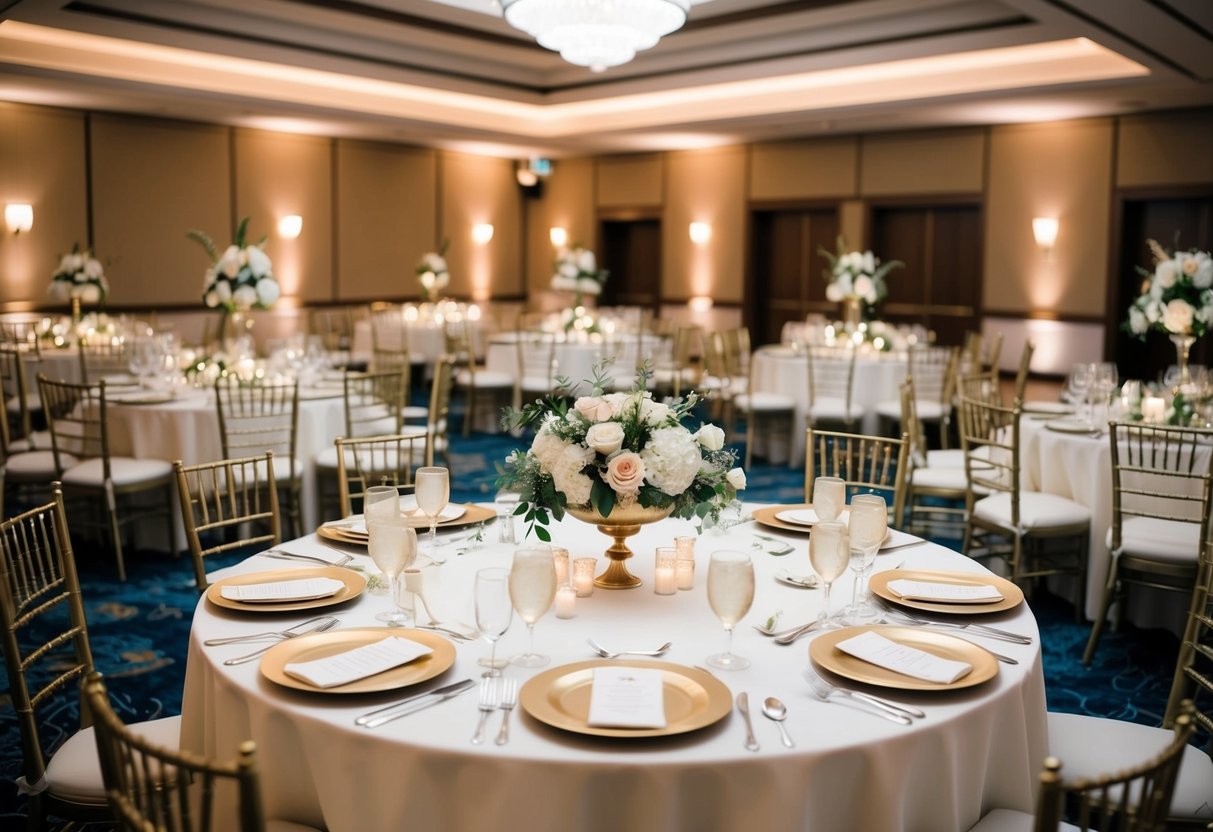
Creating your wedding guest list can feel like a big task, but it’s also an exciting part of your wedding planning. You’ll want to include the right people to celebrate with you while also keeping your guest count in check.
Creating the Initial Guest List
Start by brainstorming names of people you want to invite. Think about family, friends, coworkers, and any important people in your life. A good tip is to separate them into categories like “Must Invite,” “Nice to Invite,” and “Consider Later.”
Consider the average wedding guest list size, which can range based on your style. A small wedding might have under 50 guests, while larger ones can easily have over 150. Keep in mind that your venue may also impact how many guests you can invite.
Once you have your list, use a spreadsheet to keep everything organized. This way, you can add details like addresses or any notes about each guest.
Managing and Adjusting Invitations
Once your initial guest list is ready, you can start sending out save-the-dates and invitations. Make sure to keep track of who’s been invited. Some wedding planners suggest using online tools to help manage this process.
As responses come in, you may need to adjust your guest list. If space is limited, prioritize your “Must Invite” list. Be ready for a bit of back and forth, as inviting additional people might be necessary if someone declines.
Just remember, it’s okay to change your mind or make adjustments as you finalize details.
Handling RSVPs and Final Count
As your wedding day approaches, you need to handle RSVPs. When you send out invitations, make sure to include a clear way for guests to respond. They can respond by mail, phone, or online.
Make sure to set a deadline for RSVPs to help you finalize your numbers. Once you have all responses, calculate your final count.
This count will help with seating arrangements, food, and other logistics. Keep in mind that some guests may decline, so be prepared for slight changes to your average guest count.
With careful planning, you can ensure your wedding day is filled with the people you love most.