
What is the Average Number of Guests at a Wedding? Here’s What You Should Know!
When planning your wedding, one of the most important factors to consider is the number of guests you want to invite. The average number of guests at a wedding has been around 115 to 117 in recent years, trending back towards pre-pandemic levels. This number can help guide your decisions about venue size, catering, and overall budget.
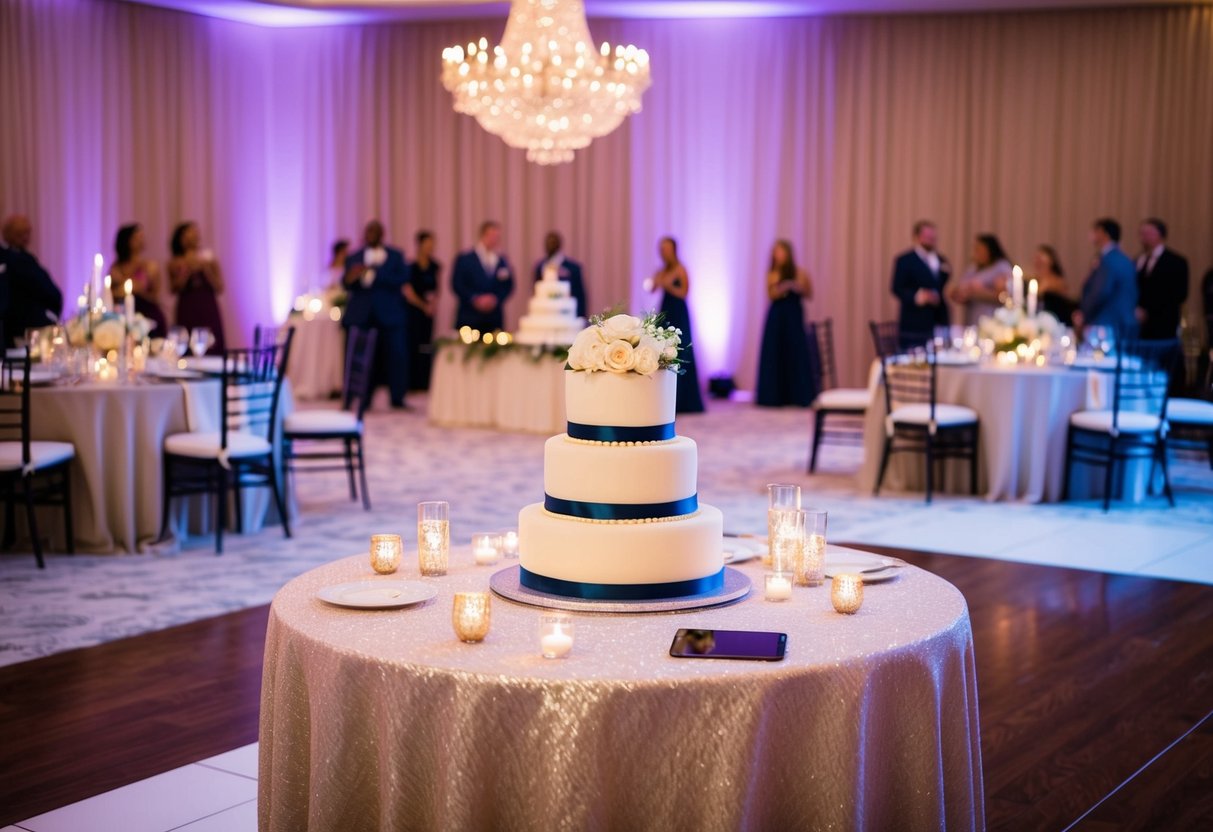
As you think about your guest list, it’s essential to reflect on your personal style and the atmosphere you wish to create. Whether you lean towards an intimate gathering or a larger celebration, understanding current wedding trends can help you find the perfect balance.
Knowing the average can also ease some of the stress that comes with wedding planning, making it easier to decide whom to invite.
Choosing the right number of guests can make your day more enjoyable and memorable. Consider your closest friends and family, and think about how many people you truly want to celebrate with you. With the right guest count, you can create a warm and inviting atmosphere that reflects your love story.
Understanding Wedding Sizes

When planning your wedding, it’s helpful to know the different sizes and styles of weddings. Each type has its own characteristics and can fit your vision in unique ways.
Comparing Small, Medium, and Large Weddings
Weddings are generally categorized as small, medium, or large based on the number of guests.
-
Small Wedding: Typically has 50 guests or fewer. This type allows for a cozy, intimate setting where you can spend quality time with each guest.
-
Medium Wedding: Usually ranges from 50 to 150 guests. This size offers a balance between intimacy and the chance to celebrate with a wider circle of family and friends.
-
Large Wedding: Exceeds 150 guests. If you have a big family or circle of friends, a large wedding can be a joyful celebration, but it may require more planning and resources.
Knowing these categories can help you decide on the best option for your special day.
Micro Weddings and Elopements
Micro weddings and elopements are growing in popularity.
-
Micro Wedding: This is an even smaller celebration with around 10 to 30 guests. Micro weddings offer an intimate experience while still allowing you to include a few important people in your life.
-
Elopement: Often just the couple, elopements allow for a spontaneous adventure. With little to no guest list, you focus entirely on each other in a special location.
These options can be less stressful and more personal, perfect for couples who prefer simplicity.
The Rise of Minimonies and Intimate Gatherings
Minimonies and intimate gatherings also cater to couples seeking a meaningful celebration.
-
Minimony: This term refers to small ceremonies with a limited guest count, typically 20 to 50 attendees. It combines elements of traditional weddings with the simplicity of smaller gatherings.
-
Intimate Weddings: Similar to minimonies, these weddings focus on your closest family and friends. You can enjoy a relaxed, welcoming atmosphere while creating lasting memories with those who matter most.
These types of gatherings allow you to celebrate your love without overwhelming planning or stress.
Average Wedding Guest Metrics
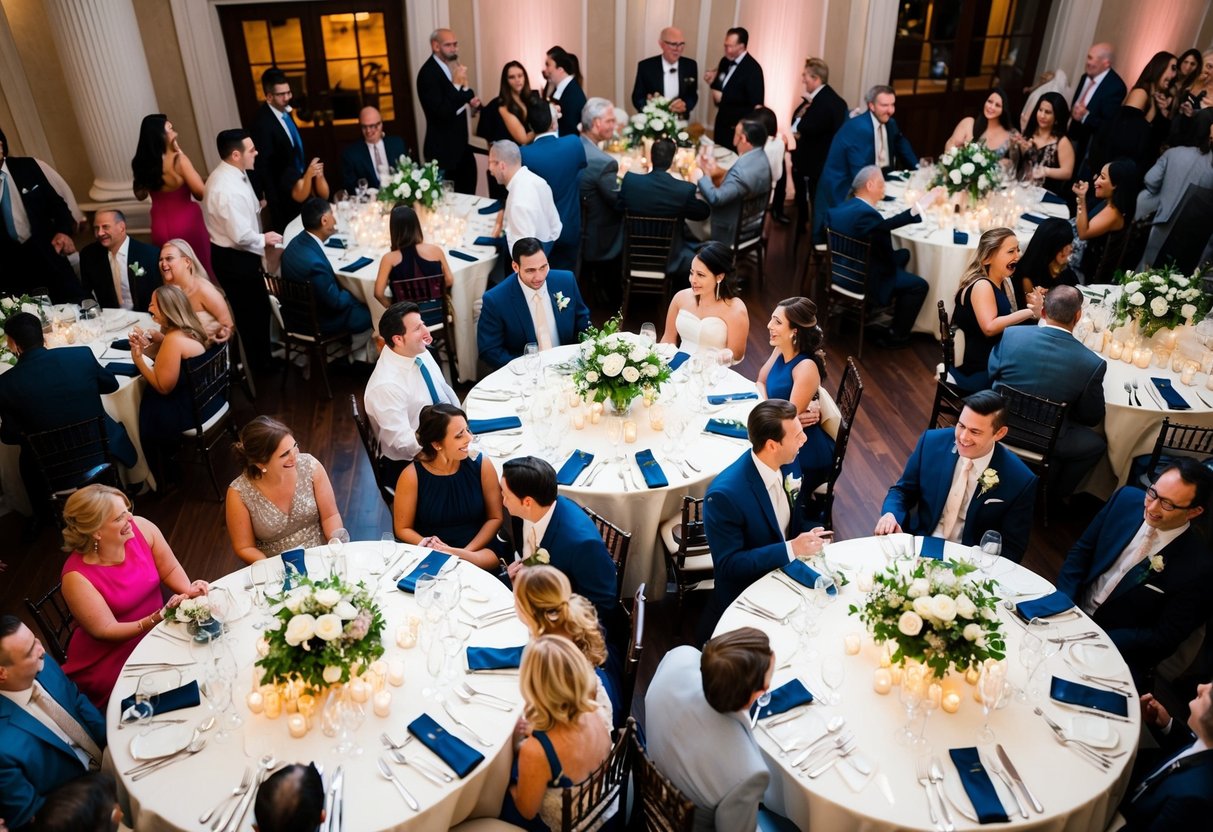
Understanding how many guests to invite can shape your wedding plans. This section will cover insights from real weddings, typical guest list sizes, and tips on determining your guest list effectively.
Real Weddings Study Insights
Recent studies show that the average guest list size has changed over the years. In 2022, couples invited about 117 guests to their weddings. Most couples find that around 75-85% of invited guests typically attend.
For smaller weddings, particularly those with fewer than 50 guests, about 53% of weddings fall into this category. Couples often choose a more intimate setting for close friends and family. This trend helps you set a realistic expectation for your own wedding size.
Average Wedding Guest List Size
The average number of guests you might expect can vary based on factors like age and location. For example, Gen X couples average around 89 guests, while Millennials invite about 115 guests. If you’re part of Gen Z, you may even see averages around 131 attendees.
Your specific context—like whether you’re having a destination wedding—will also impact your guest list size. For a 100-person guest list, typically about 75% are local, and 25% come from out of town. Understanding these averages can guide your planning process.
Determining Guest List Size
To decide on your guest list size, consider sending out save-the-dates six to eight months before the event. This helps guests plan and increases attendance rates.
Think about what category each invited guest falls into: close friends, family, or acquaintances.
Your wedding budget can also affect the guest list. More guests may mean higher costs for food and venue space. A good practice is to list your must-invite guests first, then see how many you can invite beyond them. This approach helps keep your managing your guest list clear and organized.
Budgeting for Your Wedding Guests

Planning how many guests to invite can greatly impact your wedding budget. It’s important to think about how much you can afford and how that affects your guests’ experience.
Allocating Budget for Different Wedding Sizes
Your budget should reflect the number of guests you plan to invite. For example, if you want a small wedding of about 50 guests, you might spend around $15,000 to $30,000. In contrast, a larger wedding with 150 guests could cost $30,000 to $60,000 or more.
Consider these costs:
- Catering: This is usually the biggest expense. Calculate about $50 to $150 per person.
- Venue: Larger venues may cost more.
- Decorations: More guests might mean more tables and centerpieces.
Plan your budget carefully based on your guest list. This can help ensure you don’t overspend.
Managing Expenses for Guest Experience
Creating a great experience for your guests is important, but it shouldn’t break your budget. Aim to balance comfort and cost.
- Food and Drink: Choose a caterer that fits your budget. Consider a buffet to save costs.
- Seating Arrangements: Use a simple seating plan. Having unassigned seating can save on decor costs.
- Favors: A small, thoughtful favor is better than something extravagant.
Set aside part of your budget to enhance your guests’ experience. Comfortable seating, good food, and a nice atmosphere will ensure they enjoy your big day.
Venue and Logistics Planning
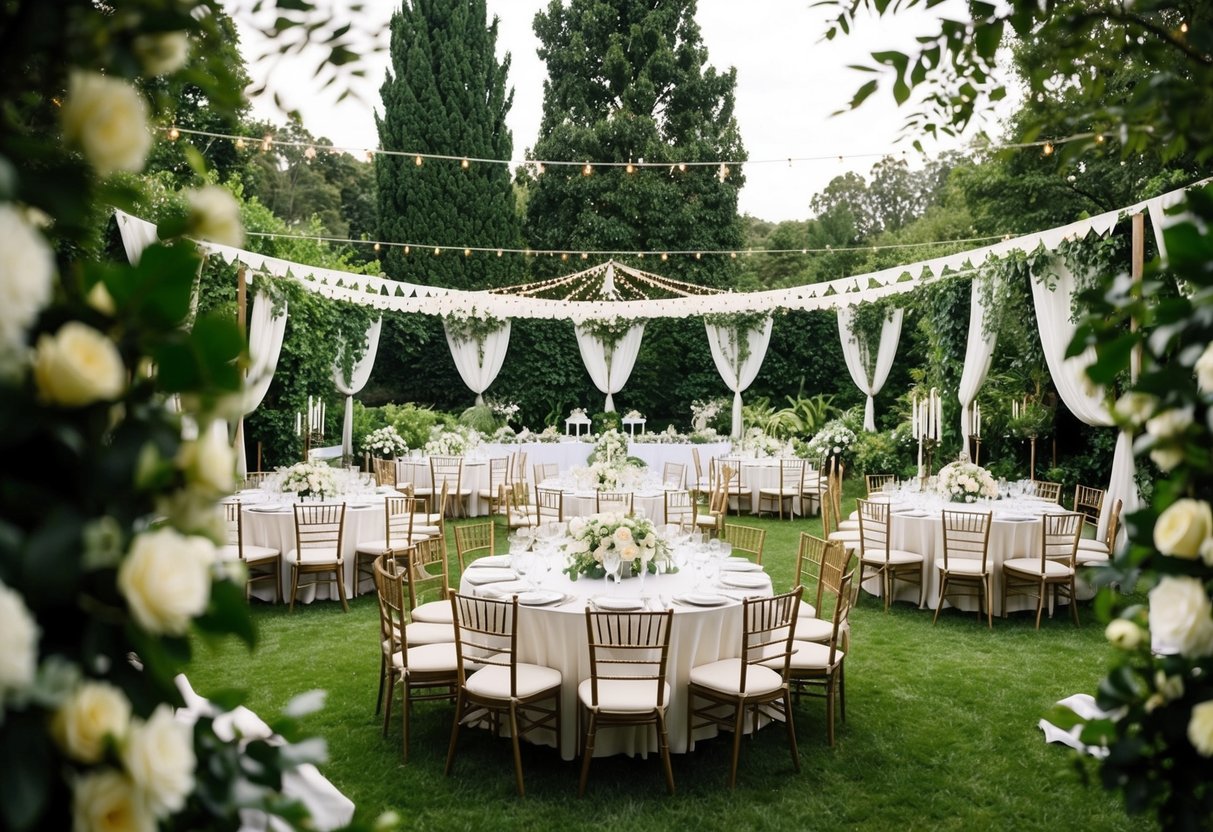
Choosing the right venue involves understanding capacity and logistics, especially when considering your guest list. This planning process should also account for your personal style and cultural traditions, along with the needs of both local and out-of-town guests.
Choosing the Right Venue Capacity
When you select a wedding venue, capacity is a major factor. You want enough space for everyone on your guest list but also to avoid an empty-feeling room if attendance is low.
Tips for Finding Venue Capacity:
- Calculate an estimated number of guests based on RSVPs.
- Discuss options with your wedding planner to find a venue that suits your vision.
- Consider smaller venues for intimate gatherings or larger venues for bigger celebrations.
Balancing aesthetics and