
What Is the Average Number of Guests Invited to a Wedding? A Quick Guide to Wedding Guest Lists
Planning a wedding can feel overwhelming, especially when deciding how many guests to invite. You might wonder what the average number is and how it varies based on different factors. The average wedding guest list in the U.S. is around 120 guests, with some weddings having as few as 50 and others going over 300.
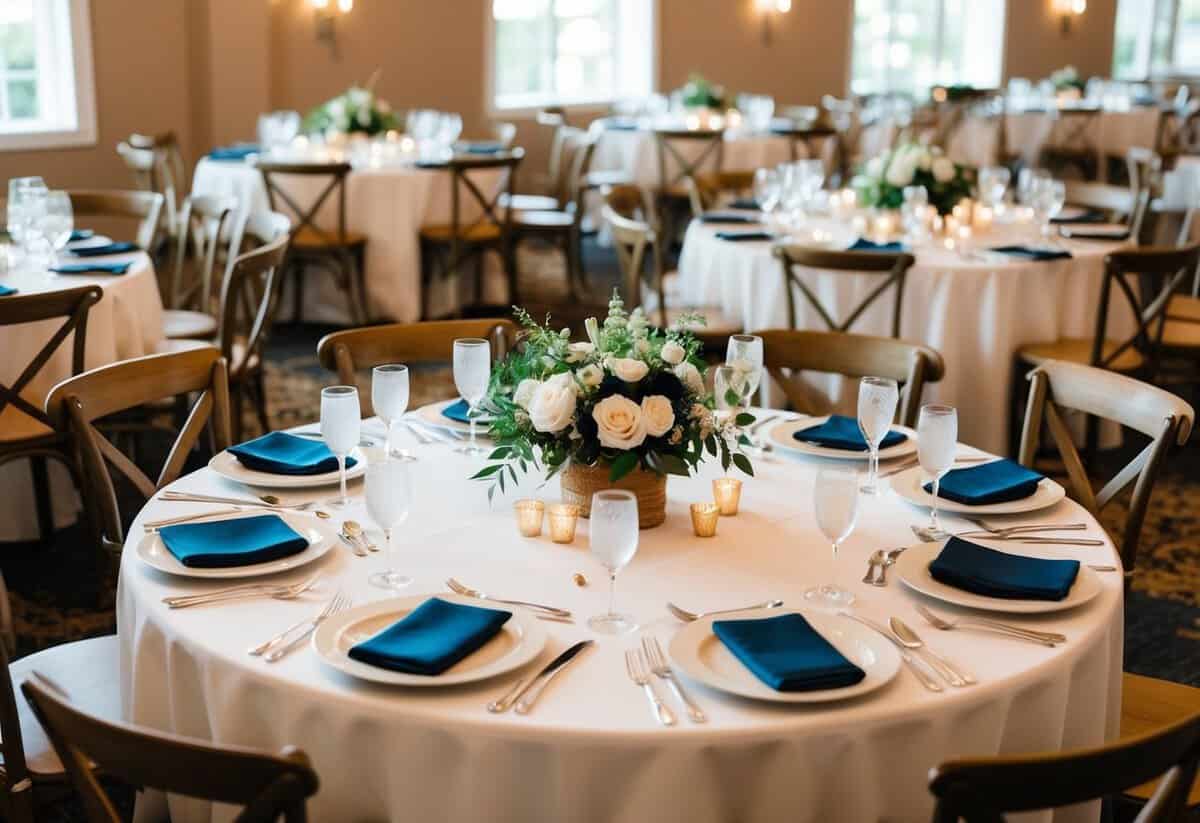
Understanding these numbers can help you set expectations and make your planning easier. The guest list size can depend on your budget, venue, and personal preferences.
As you read on, you will discover how generational trends affect guest counts and tips for managing your list effectively.
Understanding Wedding Sizes
When planning your wedding, understanding the different sizes can help you make important decisions. The guest count can greatly influence your venue choice, budget, and overall atmosphere.
Let’s look at the types of weddings and how to determine the right size for your special day.
Types of Weddings
Weddings can vary in size, and here are some common types:
-
Small Wedding: Usually has 50 guests or fewer. This size allows for a cozy atmosphere.
-
Medium Wedding: Ranges from 50 to 150 guests. This is a popular choice for couples wanting a balance of intimacy and celebration.
-
Large Wedding: Typically includes over 150 guests. These events are often grand and lively.
-
Micro Wedding: A newer trend featuring fewer than 20 guests. This option is great for an intimate experience.
-
Intimate Wedding: Similar to small weddings, focusing on close family and friends.
-
Destination Weddings: Can range in size but often feature a smaller guest list due to travel requirements.
-
Elopement: Just the couple, or maybe a couple of witnesses. It’s a simple and private option.
Determining Wedding Size
To decide on your wedding size, consider a few key factors:
-
Budget: Larger weddings typically cost more, so set your financial limits first.
-
Venue Capacity: Confirm how many guests your chosen venue can accommodate.
-
Guest List: Create a draft list. This process helps you visualize the size you want.
-
Theme and Style: Your wedding’s style can guide the size. For example, an intimate theme connects with a small group.
-
Personal Preferences: Think about how you and your partner want to celebrate. A large party might be overwhelming for some.
Creating the Perfect Guest List
Building a wedding guest list requires careful planning to ensure you invite the right people. It’s important to think about who will make your day special, manage RSVPs effectively, and keep track of all your invitations.
Selecting Guests
When creating your guest list, start with immediate family members and close friends. Make a list of those who are truly significant in your life.
You might also want to consider out-of-town guests and local guests. This helps in planning accommodations and transportation.
Think about whether you want to include plus-ones for single guests. It’s often nice to allow them to bring a date, which can fill seats and add to the celebration.
Also, don’t forget to set limits based on your venue size or budget. Keeping your invite list within these limits can simplify decisions later on.
Importance of RSVPs
RSVPs are essential for understanding how many guests will attend. They help you manage catering, seating arrangements, and other logistics.
Send out save-the-dates well in advance, about six to eight months before the wedding. This gives your guests ample time to plan. Include RSVP details with your invitations, along with a deadline to respond.
When tracking RSVPs, consider using a guest list manager. This tool streamlines the process, making it easier to see who has responded and who hasn’t.
Keep an eye on your positive RSVPs. This information will guide several aspects of your wedding planning, from food to seating.
Managing Invitations and RSVPs
Effective invitation management starts with making a clear list of people you want to invite. This can be done using a simple spreadsheet or a specialized app.
Group your invitations into categories, like family, friends, and work colleagues. This helps you visualize your guest mix and keep track of who has received their wedding invitation.
Make sure to follow up with guests who haven’t RSVPed by the deadline. A gentle reminder can be very helpful to gather final numbers.
Consider the needs of out-of-town guests as well. Providing information about accommodation options and transportation can make their experience smoother.
Budget Considerations for Wedding Guests
When planning a wedding, understanding guest-related costs is key to staying within your budget. The number of guests you invite will directly affect your total expenses, from the venue to catering and everything in between.
Average Wedding Costs
The average cost of a wedding can vary widely, depending on several factors. In the United States, couples typically spend around $33,000 on their big day. A large part of this cost comes from the venue and catering.
Here’s a rough breakdown of where your money might go:
- Venue Rental: $5,000 – $15,000
- Catering: $50 – $200 per person
- Decorations: $2,000 – $10,000
- Photography: $1,500 – $5,000
Ensure you factor in these costs and the number of guests when deciding on your wedding budget. This way, you can have a celebration that suits both your style and wallet.
Allocating the Guest-Related Budget
When allocating your budget for guests, you need to consider several key factors.
First, think about how many guests you want to invite. The average guest count typically ranges from 117 to 150 guests, but this can be adjusted based on your budget.
Next, figure out your per-guest cost, which includes food, drinks, and seating.
For example, if you invite 150 guests and your catering costs $100 per person, that totals $15,000.
Also, consider other expenses like favors, transportation, and accommodations for out-of-town guests.
Keeping a clear record of your guest-related expenses will help you avoid overspending and keep your wedding budget on track.
Analyzing Average Wedding Guest Data

Understanding the average number of wedding guests can help you plan your big day more effectively. By analyzing real wedding statistics, you can get insights into guest counts and how to manage your guest list.
Insights from Real Weddings Study
Insights from studies reveal that the average wedding guest list size varies. Typically, you can expect to invite around 120 to 167 guests.
Factors that influence this number include the type of wedding, location, and your budget. For example, destination weddings tend to have fewer guests, often ranging from 35% attendance.
Couples often prioritize close family and friends, which usually makes up a larger portion of the invitees. You want to balance keeping your wedding intimate while ensuring that important people in your life are included.
Average Numbers for Planning
For planning purposes, consider these average numbers:
- Average Wedding Guest List Size: 120-167 guests
- Typical Attendance Rate: 70-85%
This means if you invite 150 people, you might expect around 105 to 128 guests at your wedding.
Think about the size of your venue and budget when deciding your guest count.
Weddings often fall within a range of 100 to 150 guests, but smaller or larger gatherings are also common based on personal preferences.
Consulting with a wedding planner can provide additional insights tailored to your unique situation.