
What Is the Average Percentage of Wedding Guests That Decline? Understanding RSVP Trends
When planning your special day, you need to know how many guests might decline your invitation. On average, wedding guests typically say no to the invitation at a rate of about 15-20%. This percentage can fluctuate depending on various factors like the location of the wedding and the time of year.
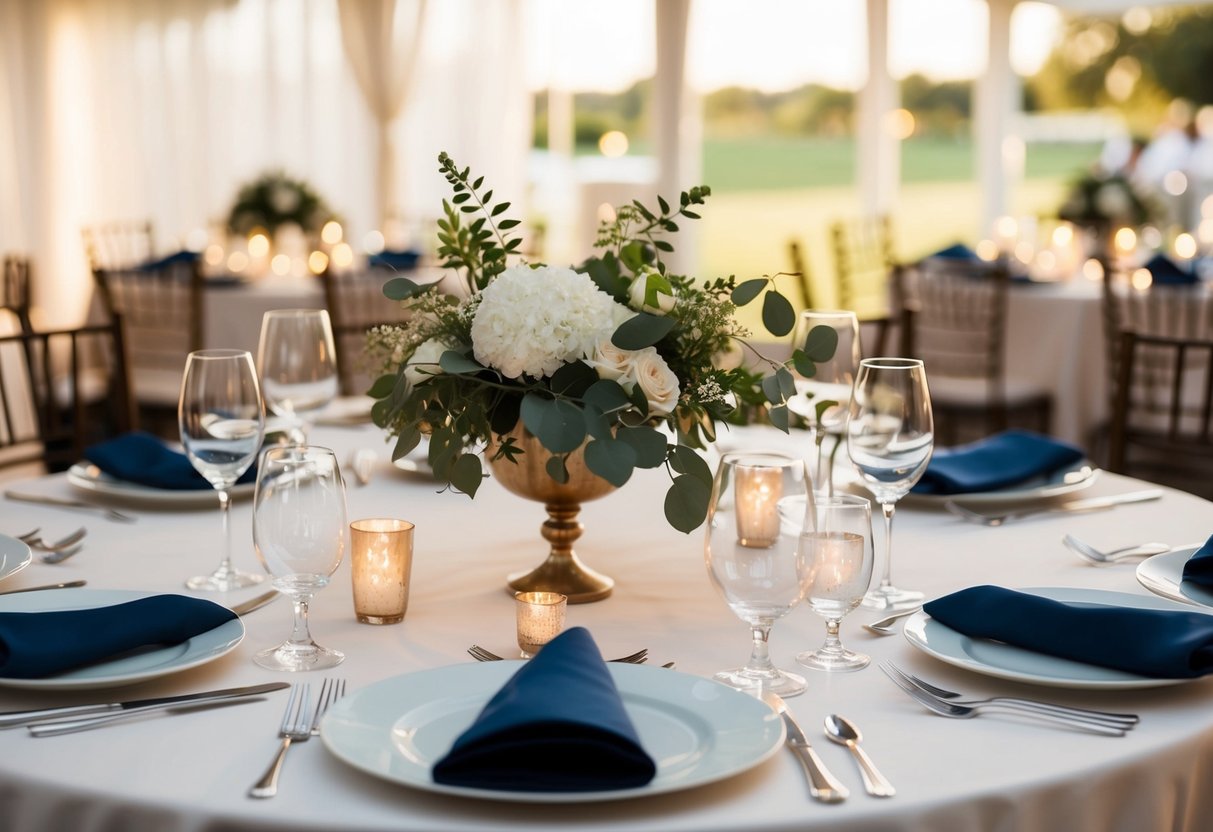
Knowing this average can help you better manage your guest list and budget. If you invite 100 people, you might expect around 80 to attend, but it’s always wise to prepare for a few more declines.
By taking into account the average percentage of guests who decline, you can feel more confident in your planning process and ensure that your big day goes smoothly.
Understanding RSVP Responses
RSVP responses are important for planning your wedding. Knowing what influences these responses can help you understand how many guests might attend. Two main factors play a significant role: the reasons guests decline and the size of your wedding.
Factors Influencing RSVP Rates
Several factors can affect how many guests RSVP positively or decline your invitation.
1. Personal Circumstances: Guests may have prior commitments or family obligations, especially during busy seasons like holidays.
2. Travel and Distance: If your wedding is far from where guests live, they might find it difficult to attend.
3. Costs: The expense of attending can matter a lot. On average, attending a wedding can cost about $580. Guests may decline if they’re feeling the financial pinch, especially in tough economic times.
4. Relationship with the Couple: Close friends and family are more likely to attend than distant relatives or acquaintances.
Understanding these factors can help you set realistic expectations about guest attendance.
The Impact of Wedding Size on RSVPs
The size of your wedding can significantly influence your RSVP responses.
1. Average Attendance Rates: Typically, 60% to 85% of invited guests RSVP “Yes.” This means around 15% to 30% might decline.
2. Larger Weddings: If you’re inviting 200 guests, you might expect around 140 to 170 to attend.
3. Smaller Weddings: For intimate gatherings of 10 to 50, costs can range from $5,000 to $20,000, and attendance might be more readily assured.
Deciphering the Decline Rate
Understanding why guests decline wedding invitations can help you manage your guest list more effectively. Many factors influence the decline rate, including personal circumstances and logistics.
Reasons Why Guests May Decline
Several reasons can lead guests to decline an invitation to your wedding. One common reason is scheduling conflicts. Guests might already have commitments on your wedding date, such as other weddings or family events.
Financial concerns can also play a role. Attending a wedding often comes with expenses like travel and accommodation. If the location is far or if traveling isn’t feasible, guests may choose to say no.
Personal circumstances, such as health issues or family obligations, are also valid reasons people decline. It’s important to be understanding of their situations.
Lastly, sometimes, guests simply feel uncomfortable, whether due to social anxiety or unfamiliarity with the other guests.
Understanding No-Shows at Weddings
No-shows can be frustrating for couples who plan their big day based on expected numbers. The average decline rate is about 15%-20%, but no-shows can increase that percentage.
Many factors contribute to guests not showing, even after RSVPing. Personal emergencies often take priority, and sometimes guests mismanage their schedules.
Communication is key. Some people might not know how to decline a wedding invitation politely, leading to confusion. Others might assume they can attend but later realize they can’t.
Navigating Wedding Planning Dynamics
When planning a wedding, managing your guest list is crucial. You want to create a meaningful experience for everyone involved, while also understanding how many guests may decline the invitation. Knowing the average decline rate can help you plan better.
Crafting the Perfect Guest List
Start by making a full list of everyone you wish to invite. This includes family, friends, coworkers, and anyone else you feel should be there.
Next, think about your guest list size. Generally, 20% of invited guests might decline, based on common trends. This means if you invite 100 people, expect around 80 to attend. You can use this to help finalize your numbers.
Consider grouping guests together. For example, invite close friends and family to maximize attendance. You might prioritize who is essential to your day, and who you’d love to see.
Creating a balanced guest list will ensure your special day is filled with support and joy from those who matter most to you. Keep open communication with guests about your plans to help them make a decision.
Logistics Affecting Wedding Attendance

The logistics of your wedding can significantly influence how many guests can attend. Factors like the location and the distance your guests must travel play a big role in their ability to say “yes” to your invitation.
Destination Weddings vs. Local Celebrations
Destination weddings often come with unique challenges. If you choose a scenic beach or a historic city, remember that many guests might face obstacles attending. Travel costs can be high, and not everyone may be able to make it.
Local celebrations tend to have higher attendance rates. When the wedding is nearby, guests are more likely to come. Those who live close by can simply drive over, making it easier for local guests to join in the celebration.
The Role of Travel Distance and Accommodations
Travel distance can impact your guest list. A faraway wedding venue might make even devoted friends and family have to decline. Out-of-town guests also need accommodations, which can add to their expenses.
Offering group hotel rates can help manage costs. Providing shuttle services can also make it easier for guests to travel from hotels to the venue. This thoughtful approach can boost attendance, as it reduces barriers for guests who may be hesitant about the distance.