
What is the Average Size of a Wedding in the UK? Discover Key Insights and Trends
As you start planning your special day, understanding the average size of a wedding in the UK can help you shape your vision.
The average-sized wedding typically includes around 82 guests during the day and about 103 guests in the evening. Knowing this can guide your decisions on venues, budgeting, and the overall atmosphere you want to create.
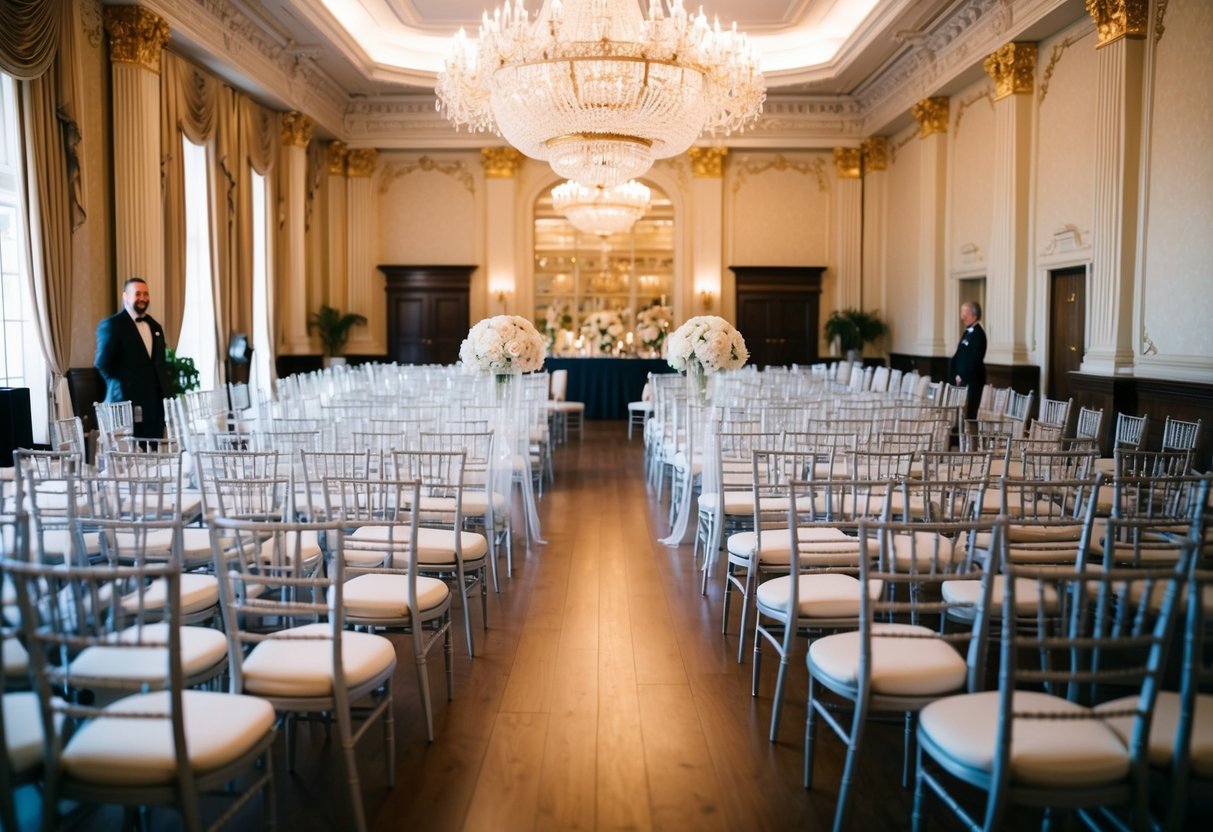
Wedding trends have shifted over the years, and the size of weddings can vary widely based on cultural backgrounds and personal preferences. While some couples prefer intimate gatherings, others may opt for larger celebrations that can include hundreds of guests.
By exploring the average size of weddings, you can make more informed choices that reflect your personal style and desires. This knowledge ensures that your big day feels just right for you and your loved ones.
Understanding Wedding Sizes in the UK
Weddings in the UK vary in size and format. It’s important to know the different types because your choice can affect budget, venue selection, and the overall feel of your day.
Let’s look closer at what defines small, medium, and large weddings, along with some unique options like micro weddings and elopements.
Different Types of Weddings
In the UK, weddings can be broadly categorized based on the number of guests. Here are the main types:
- Micro Weddings: Usually consisting of fewer than 20 guests. Perfect for an intimate celebration.
- Small Weddings: Typically hosting around 20 to 50 guests. This setting offers a cozy atmosphere.
- Medium Weddings: These include about 60 to 150 guests and balance intimacy with a lively vibe.
- Large Weddings: Often have 150 guests or more. These are grand celebrations with a festive atmosphere.
Each type can be unique based on your preferences and budget.
What Constitutes Small, Medium, and Large Weddings
Understanding what makes a wedding small, medium, or large helps in planning.
-
Small Weddings: Generally feature up to 50 guests. This type is intimate and allows for meaningful connections. You can enjoy personal interactions with every attendee.
-
Medium Weddings: Host about 60 to 150 guests. This category is often considered “average” in many surveys. You still maintain a personal feel while accommodating more family and friends.
-
Large Weddings: Typically exceed 150 guests. These events can create a festive and grand atmosphere. You will need a spacious venue to accommodate everyone comfortably.
The guest count can influence your budget and choice of venue.
Micro Weddings and Elopements
Micro weddings and elopements are gaining popularity for several reasons.
-
Micro Weddings: Ideal for couples seeking simplicity and intimacy. With fewer than 20 guests, you can focus more on the experience rather than the logistics.
-
Elopements: Often involve just the couple, sometimes with a witness. This option allows for a romantic getaway with minimal planning. It’s perfect if you want a stress-free day without large crowds.
Both options can provide a meaningful and personal experience, letting you focus on what matters most: your love for each other.
Wedding Venues and Guest Lists
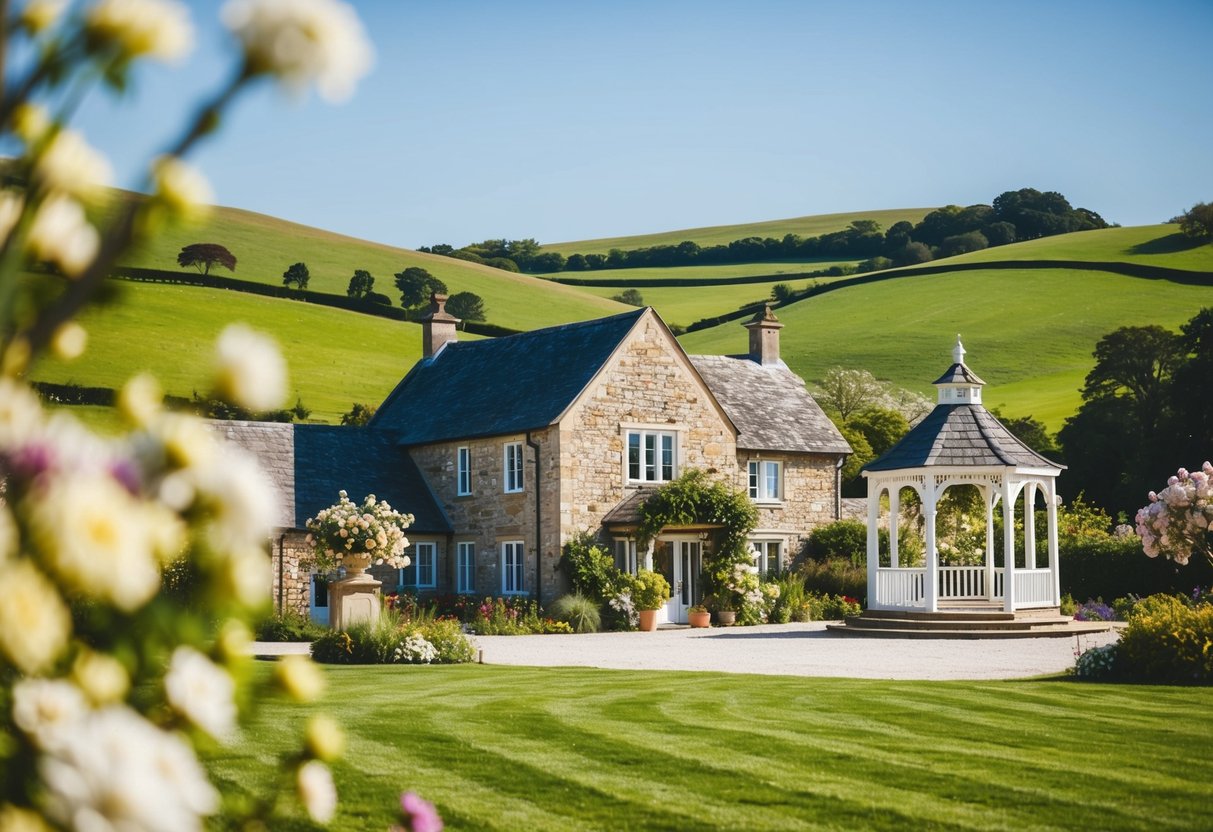
Selecting the right venue is crucial for your wedding day. It affects not just the atmosphere but also how many guests you can invite. Understanding how to manage your guest list and the influence of the venue can help make your day special.
Choosing the Right Wedding Venue
When picking a wedding venue, think about your style and needs.
Popular types include barn venues, which offer a rustic charm, and destination wedding locations, perfect for a getaway feel.
Consider capacity first. Make sure the venue can comfortably fit your guest list.
Check for amenities you need, like catering, parking, or accessibility. Some venues partner with vendors to simplify planning.
Also, think about the location. Is it easy for guests to reach? A venue far from most of your guests might lower attendance.
Managing the Wedding Guest List
Creating your wedding guest list may seem daunting, but it’s manageable with a plan.
Start by listing everyone you want to invite. Next, break it down into categories, such as family, friends, and colleagues.
Set priorities for each group. Do you want to include only close family or a wider circle?
Knowing your venue’s capacity will help you make these choices.
As you finalize, keep track of RSVPs. This helps you adjust your seating arrangements.
Impact of Venue on Wedding Size
The venue can greatly impact the size of your wedding. Smaller venues often suggest intimate gatherings, while larger spaces allow for bigger celebrations.
For example, if you choose a stunning barn wedding venue, think about its capacity and atmosphere. A cozy barn might fit 80 guests perfectly, while a grand estate could accommodate over 200.
Additionally, the setting may encourage certain styles. Outdoor settings might inspire a casual vibe, while elegant indoor spaces may suggest a more formal gathering.
Understanding these factors is vital for achieving your dream wedding.
Budgeting for Your UK Wedding
When planning your wedding, understanding your budget is key. Knowing average costs, how guest count affects your finances, and where to allocate funds can make the process smoother.
Average Costs of UK Weddings
The average cost of a wedding in the UK is around £20,700. This figure can vary based on several factors, including the location and size of your wedding.
Here’s a breakdown of typical expenses:
- Venue and Catering: This often takes up about 25-50% of your budget. For example, the venue can cost between £3,000 and £10,000.
- Photography: You might spend about £1,500 for good photography.
- Attire: The wedding dress and suit can cost around £1,200 total.
- Flowers: Expect to allocate £800-£1,200.
By keeping these averages in mind, you can adjust your budget accordingly.
How Guest Count Influences Budget
Your guest list plays a major role in your wedding budget.
More guests mean higher costs, especially for catering and venue size.
For small weddings or micro weddings, you might invite 20-50 guests. This can help reduce costs significantly, focusing your budget on quality over quantity, such as a nicer venue or caterer.
For larger weddings, typically over 100 guests, expenses skyrocket.
You’ll need to budget for more food, drinks, and potentially a bigger venue, which can quickly add thousands to your total. Consider options like buffet-style meals to keep costs lower.
Allocation of Wedding Budget Across Categories
Understanding how to allocate your wedding budget is essential. Here’s a simple way to look at it:
- Venue and Catering: 40%
- Photography and Video: 10%
- Attire: 10%
- Entertainment: 10%
- Flowers and Decor: 10%
- Other Expenses (favors, transport): 10%
You should adjust these percentages based on your priorities. For example, if you value photography highly, you can allocate extra funds there. Knowing where your money goes helps you create a wedding that suits your style and budget.