
What is the Average Wedding Guest List Size? Insights for Your Big Day Planning
When planning your wedding, one of the key decisions you’ll face is determining your guest list size.
The average wedding guest list size in the U.S. is about 117 guests, showing a steady return to pre-pandemic numbers. This figure can help you set expectations and plan for an event that feels just right.
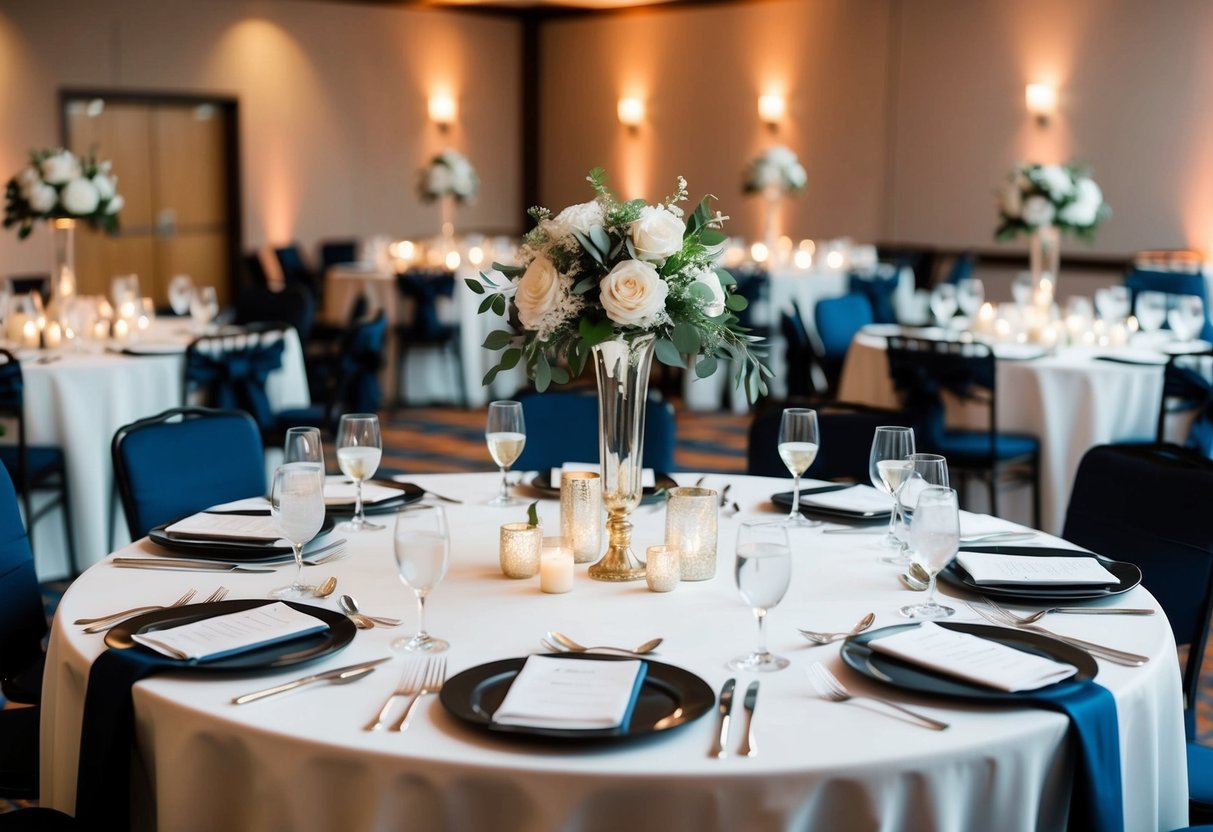
Whether you envision a small gathering or a grand celebration, knowing the average size can guide your decisions for everything from venue selection to budget.
Understanding your desired atmosphere, whether intimate or extravagant, will help shape your wedding planning process.
As you dive deeper into the world of wedding planning, consider how your guest count will influence various aspects of your big day. The right guest list size can create an inviting atmosphere where everyone feels included and cherished.
Understanding Guest List Size and Its Impact on Budget
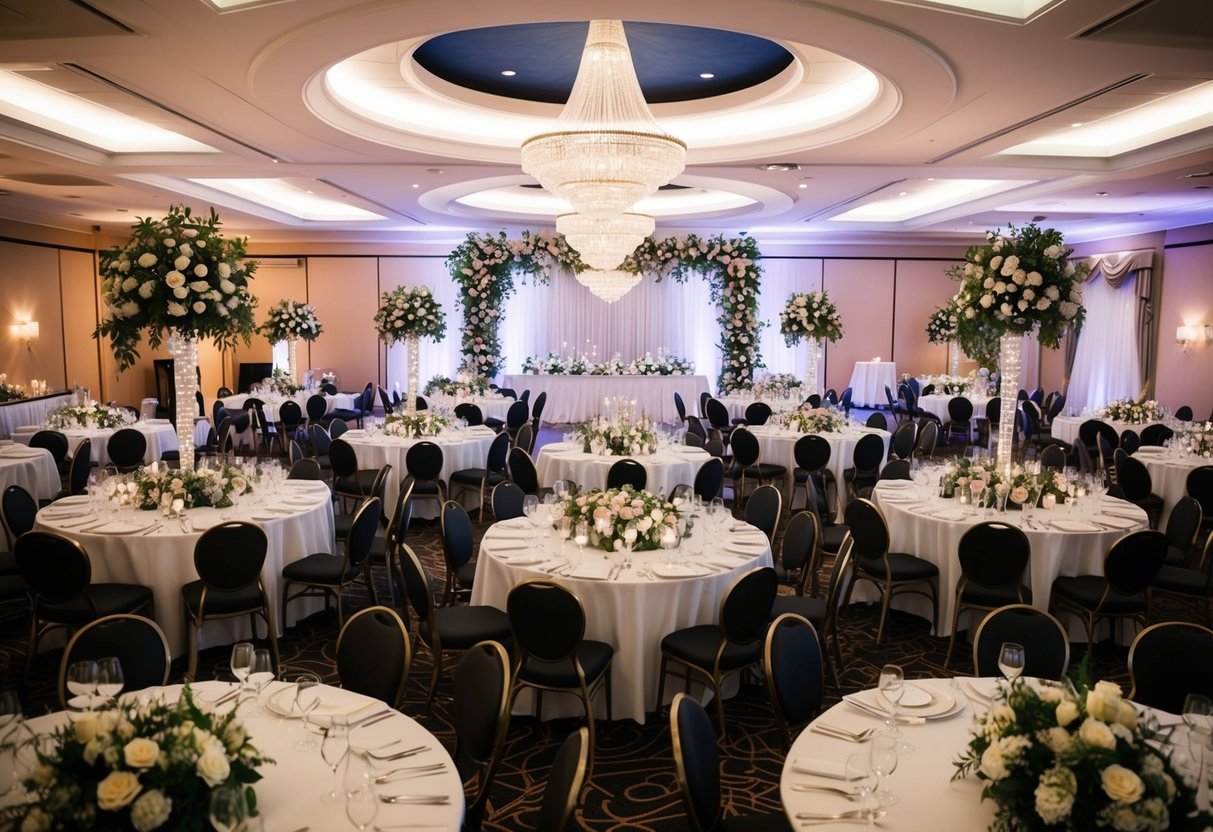
The size of your guest list plays a big role in your wedding budget. More guests usually lead to higher costs, so it’s important to plan wisely.
Key costs that increase with more guests:
-
Catering: More plates mean a larger food bill. If you invite 200 guests instead of 100, your catering costs can double.
-
Venue Size: A larger venue often costs more. You want enough space for everyone, but check prices carefully.
-
Decorations: More guests might mean more tables and centerpieces. This can take a big bite out of your budget.
The average number of wedding guests varies, but in 2023, it was around 115 guests. If your dream wedding exceeds this number, consider how it will impact your expenses.
Tips to manage your wedding budget:
-
Set a guest list limit: Be clear about the number of guests you can invite without breaking the bank.
-
Prioritize guests: Choose who truly matters to you. This can help reduce costs significantly.
Remember, it’s about celebrating your day with loved ones, not just the number of guests. Balancing your wedding size with your budget will make for a happier planning experience.
Deciding on the Size of Your Wedding
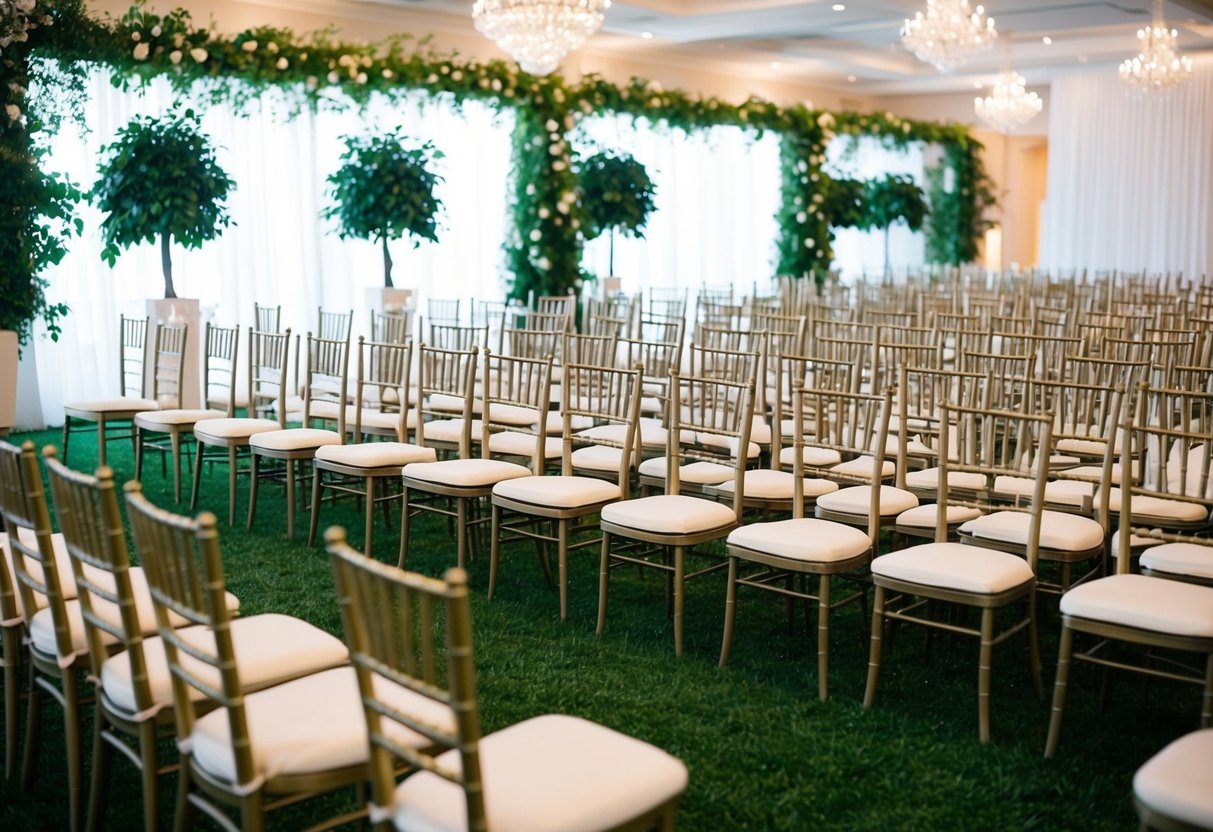
Choosing the size of your wedding can greatly impact your experience. Each option comes with its unique benefits and challenges, allowing you to tailor the day to fit your vision and budget.
Small Weddings: Intimacy and Affordability
A small wedding typically includes 50 guests or fewer. This option creates a cozy atmosphere and allows for deeper connections with each attendee. You can focus on your closest family and friends, making the day feel more personal.
With fewer guests, costs for catering and venue space often decrease, making it more budget-friendly. You can also spend more on details like decorations or a unique venue. Small weddings are perfect for those who value intimacy and want to establish a relaxed vibe.
Medium Weddings: A Balanced Approach
Medium weddings usually have guest lists ranging from 50 to 150 attendees. This size balances intimacy and a more extensive celebration. You can invite a larger circle of friends and family while maintaining a sense of closeness.
This option allows for a variety of venues, from beautiful gardens to spacious banquet halls. You can enjoy some of the perks of a big wedding, such as lively entertainment and diverse menu options, without feeling overwhelmed. It’s a great choice for couples who want a bit of everything.
Large Weddings: Celebrating on a Grand Scale
A large wedding features over 150 guests and can create an impressive atmosphere. This option is ideal if you have a big family or an extensive social circle. You can celebrate your love with a grand party filled with joy and laughter.
Larger weddings offer the potential for elaborate themes, multiple entertainment options, and diverse catering choices. However, they also come with added complexity. Planning becomes more critical and may require additional help to manage the logistics, budget, and guest coordination.
Micro Weddings and Supersized Celebrations
Micro weddings have gained popularity, focusing on an intimate gathering of around 10 to 30 guests. This format emphasizes personal connections and can include unique experiences, such as destination ceremonies or themed parties.
On the opposite end, supersized weddings can host 300 or more guests, creating a vibrant atmosphere. These celebrations can feel like a festival, often featuring elaborate arrangements. If you enjoy lively environments, this might be the right choice for you.
Managing Your Wedding Guest List
When planning your wedding, managing your guest list is crucial. It helps ensure you have the right number of people at your celebration while being considerate of your budget and venue limitations. Here are some key aspects to consider.
The Role of RSVPs in Planning
RSVPs, or responses to your wedding invitations, are essential for effective planning. They tell you who plans to attend, helping you finalize your guest count. This process is important for catering, seating arrangements, and venue capacity.
Send out invitations along with a clear RSVP deadline. You can make it easier for guests by including options for responding, like a phone number or an online form. It’s helpful to follow up with those who haven’t replied as the date approaches. This way, you can better manage your wedding guest list.
Guest List Etiquette for Out-of-Town and Local Guests
When creating your guest list, remember the etiquette for different types of guests. For local guests, it’s often acceptable to invite friends, coworkers, and distant family. You might opt for a smaller guest list for out-of-town guests to balance travel costs.
Consider sending save the dates to out-of-town guests earlier. This gesture helps them plan travel and lodging. For both local and out-of-town guests, think about their feelings. Aim for a mix of people who will enjoy your celebration while keeping the list manageable.
Using a Guest List Manager
Keeping track of your wedding guest list can be overwhelming without a system. Using a guest list manager makes it easier.
Look for tools that allow you to organize your list, track RSVPs, and categorize guests as local or out-of-town.
Many online platforms offer templates and easy sharing options. This way, you can collaborate with your partner or family members. It’s smart to keep notes on individual guests, like dietary restrictions or plus-one preferences. This organized approach ensures a smoother planning process.
Selecting the Right Venue and Planning for Attendance
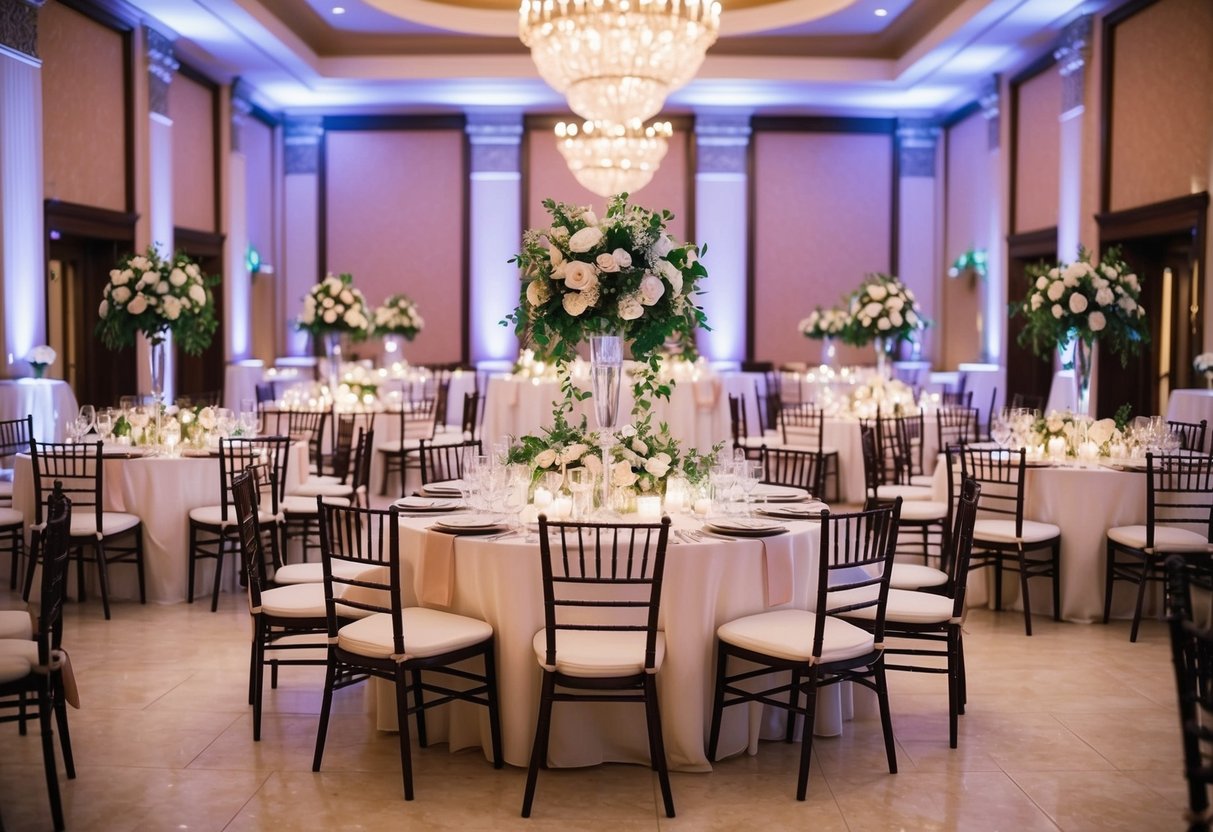
Finding the perfect venue is essential for your wedding. You need to consider how many guests you want to invite and ensure the space can accommodate them comfortably. Planning for your guests’ attendance can help you choose the right location and set up your wedding.
Capacity and Logistics for Different Wedding Sizes
When selecting a venue, start by knowing the capacity. A small wedding usually needs a venue that holds 50 people or less. For a medium wedding, look for spaces accommodating 50 to 150 guests. Larger weddings require venues with a capacity of over 150.
Consider logistics, too. Ensure there are enough parking spots, restrooms, and space for a wedding reception area. You want everyone to feel relaxed and enjoy the celebration. Check the layout of the venue to see how it accommodates your wedding ceremony and reception.
Destination Weddings: Planning for Your Guests
If you’re dreaming of a destination wedding, planning becomes even more critical. Choosing a location that’s easy for your guests to reach can lead to better attendance rates. Communicate well in advance and share details like travel options and accommodation.
Keep in mind that some guests might not be able to attend due to distance or costs. Think about providing group rates at nearby hotels. This can make it easier for your friends and family to join the celebration.
Creating a fun experience for your guests can bring your wedding to life, especially if it’s a destination wedding.
Considerations for Hometown and Local Venues
Hometown weddings can be a great choice for many couples.
Local venues often have strong ties to your community, making it easier to gather guests.
Consider local favorites like family-owned farms, parks, or historical buildings.
Evaluate attendance rates for hometown weddings. Guests are more likely to attend due to lower travel costs and time.
Remember to check how well the venue handles events.
Ask about their experience with wedding trends and if they have packages tailored to your needs.
Selecting the right venue in your hometown may create a warm, accessible atmosphere for everyone celebrating with you.