
What is the Average Wedding Timeline in the UK? A Guide to Planning Your Perfect Day
Planning a wedding can feel overwhelming, but having a clear timeline can make it much easier. In the UK, a typical wedding day starts around 1:00 PM with the ceremony and includes various events such as a reception and speeches, often stretching into the evening. Knowing the average schedule helps you stay organized and ensures you don’t miss any important moments.
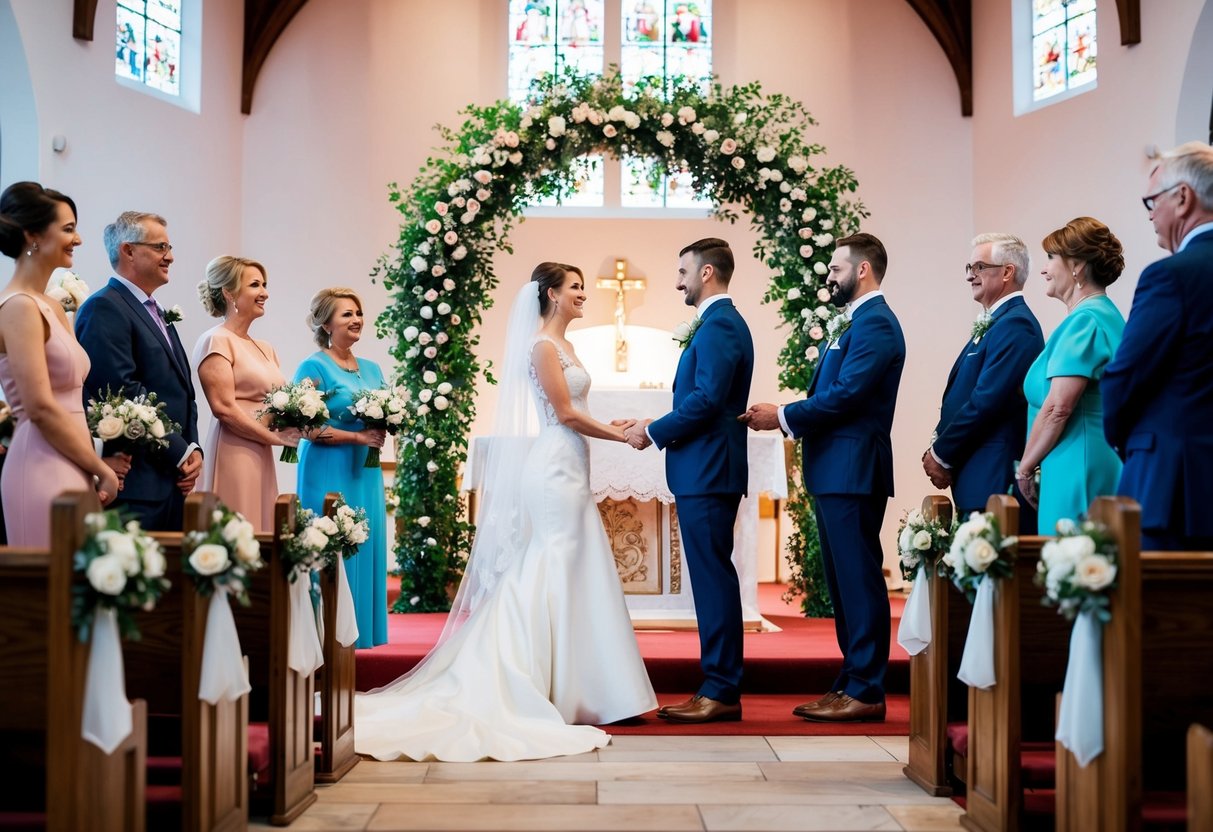
You might wonder how long each part of the day takes. Generally, the ceremony lasts about 30 minutes, followed by a two-hour wedding breakfast. The speeches can vary, typically ranging from 30 to 60 minutes. Understanding this timeline allows you to tailor your day and include personal touches while keeping everything running smoothly.
As you prepare for your special day, having an idea of the wedding day schedule will keep you relaxed and in control. With the right plan in place, you can focus on enjoying your celebration with family and friends.
Pre-Wedding Preparations
Pre-wedding preparations are crucial for making your big day smooth and enjoyable. You’ll focus on several key activities, including getting ready, bridal prep, and welcoming your photographer. Each part plays a vital role in ensuring everything flows perfectly.
Getting Ready
On the wedding day, the getting ready phase sets the tone for the whole event. Start by organizing your space. Ensure that your dress, shoes, and accessories are all in one place. This way, you won’t be scrambling last minute.
Have a timeline that outlines when everyone needs to be ready. This helps you stay on track and allows time for any last-minute changes. Remember to keep your phone charged for capturing the fun moments as you and your group prepare.
Consider a playlist to keep the mood light and enjoyable while you get ready. Light snacks and water help keep everyone energized.
Bridal Prep
Bridal prep is about more than just hair and makeup. It’s a special time for you and your closest friends or family. Book your hair and makeup artists well in advance. Get a trial run before the big day to ensure you like the look.
Plan to have enough time for both hair and makeup. Aim for at least two hours for each, depending on your desired style. It’s also a good idea to have your bridal portrait wardrobe ready. This way, you won’t rush once the makeup is on!
Create a comfortable space where everyone can relax. Personal touches like robes or matching outfits can make the experience even more memorable.
Photographer Arrives
Having your photographer arrive on time is essential for capturing those candid moments. Discuss the timeline beforehand to ensure they know when to show up. Typically, they will arrive during the getting ready phase.
This is a perfect time for them to get candid shots of you and your bridal party. It’s also great for documenting your details, like the dress or invitation suite.
Allow time for some bridal portraits before you leave for the ceremony. This is when you can get those stunning shots that showcase your look. Make the most of this time—relax and enjoy being in the moment while your photographer captures these memories.
Ceremony and Post-Ceremony Activities
Your wedding day is full of special moments, starting with the arrival of guests and leading up to your ceremony. After the vows, post-ceremony activities like the confetti shot add joy to the celebration. Here’s what to expect during these important times.
Guests Arrive
As your big day approaches, guests will start to arrive at the venue. It’s typical for them to gather 30 minutes to an hour before the ceremony begins. You might consider having a welcome drink or light snacks available to keep everyone comfortable.
Make sure to have clear signage directing guests to the ceremony area. Assign a few friends or family to greet guests as they arrive. This personal touch creates a friendly atmosphere and ensures everyone feels valued.
Wedding Ceremony
The wedding ceremony can be religious, non-religious, or civil, depending on your preferences. A religious ceremony often includes traditional readings and music. Non-religious ceremonies may focus more on personal vows and stories.
If you’re opting for a civil wedding, it usually takes place at a registry office or approved venue. This type of ceremony tends to be shorter and may involve less formalities. The actual ceremony lasts between 20 to 60 minutes, so plan accordingly for your guests.
During the ceremony, ensure you have a music playlist ready, whether it’s recorded or performed live. This sets the mood and makes the experience even more special.
Confetti Shot
After you say “I do,” the confetti shot is a fun tradition. This is the moment when guests shower you both with confetti as you walk down the aisle. It’s a beautiful way to capture the joy and celebration of your marriage.
To organize this smoothly, plan ahead by having bags of confetti ready for your guests. You can choose biodegradable options to ensure an eco-friendly celebration. As you step out together, pause for a moment to enjoy the scene and let the joy of the moment sink in. This creates a perfect photo opportunity to remember your special day.
Wedding Reception Details
When it comes to your wedding reception, each part plays a special role in creating a memorable day. From the first drink to the last dance, every detail matters. Here’s a look at the key elements of your wedding reception.
Drinks Reception
The drinks reception is a lively start to your wedding celebrations. This is when your guests enjoy drinks, often right after the ceremony. Typically, it lasts about 1 to 1.5 hours.
You can offer a mix of beverages, including:
- Champagne or prosecco
- Cocktails
- Soft drinks
This is a great time for guests to mingle while you and your wedding party take photos. You could also include light snacks or hors d’oeuvres to keep everyone happy. Remember, a cheerful atmosphere can set the tone for the rest of the day.
Wedding Breakfast
The wedding breakfast is the main meal of your reception. It usually takes place a few hours after the drinks reception and can last around 2 hours. A formal sit-down meal is quite common.
Menu options often include:
- Starter
- Main course
- Dessert
You can choose a traditional three-course meal or something more casual, like a buffet or BBQ. After the meal, the cake cut often follows, bringing everyone together for a sweet moment. This is also when you might serve the wedding cake to your guests, adding a special touch to the event.
Speeches and Toasts
Speeches and toasts are a cherished part of wedding receptions. They usually happen after the wedding breakfast. Traditionally, the best man, maid of honor, and parents give speeches.
Keep speeches to about 5-10 minutes each to keep things engaging. Prepare for some laughter and maybe even a few tears, as heartfelt words can create lasting memories.
This is often followed by a toast to celebrate the newlyweds, and then the first dance begins. This moment marks the transition into the evening celebrations and sets the stage for a fun time ahead.
Evening Festivities
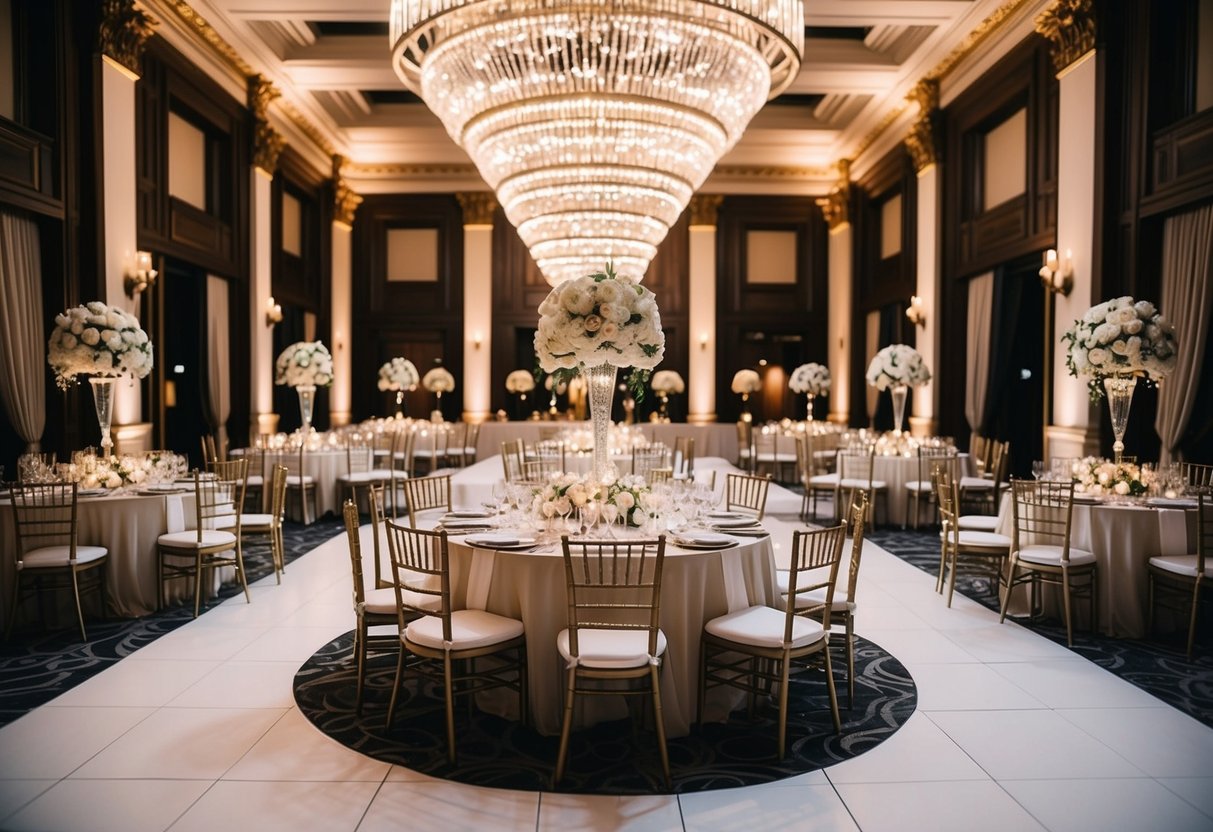
Evening festivities mark a fun and lively part of your wedding day. As the dinner wraps up, the atmosphere shifts to a celebration with your loved ones, filled with unique moments that you’ll cherish.
Evening Guests
Inviting evening guests is a great way to include more friends and family. Typically, they arrive about 30 minutes after the wedding breakfast. This timing allows your daytime guests to wrap up their meals.
You should inform your evening guests of the time. This keeps everything running smoothly. You want everyone to enjoy a festive atmosphere without interruptions. Consider planning activities, such as photo booths or games, to keep guests entertained as they arrive.
Cake Cutting Ceremony
The cake cutting ceremony is a sweet tradition that signifies your first joint task as a married couple. It often takes place shortly after the evening guests arrive.
During the ceremony, you’ll cut the cake together, symbolizing your commitment to share life’s joys. Prepare a special moment for this, maybe with music or fun lighting. You can even involve your guests by inviting them to take pictures.
Don’t forget to save a slice for your first anniversary!
First Dance
The first dance is a highlight of the evening’s festivities. It usually follows the cake cutting and introduces a romantic vibe to the celebration.
Pick a song that holds special meaning for the two of you. Then, practice your dance beforehand to feel more relaxed. This moment isn’t just about performing; it’s about celebrating your love in front of all your friends and family.
After your first dance, the floor will likely open for everyone to join. This is when the real party begins, setting a lively tone for the rest of the evening.