
What is the Bare Minimum Needed for a Wedding? Essential Elements for Your Big Day
Planning a wedding can feel overwhelming, especially when you think about all the elements involved. Many couples wonder what is truly essential to make their special day memorable without going overboard on expenses. To legally marry, you only need a few key elements: a statement acknowledging the couple, the couple’s names, an officiant, and a witness.
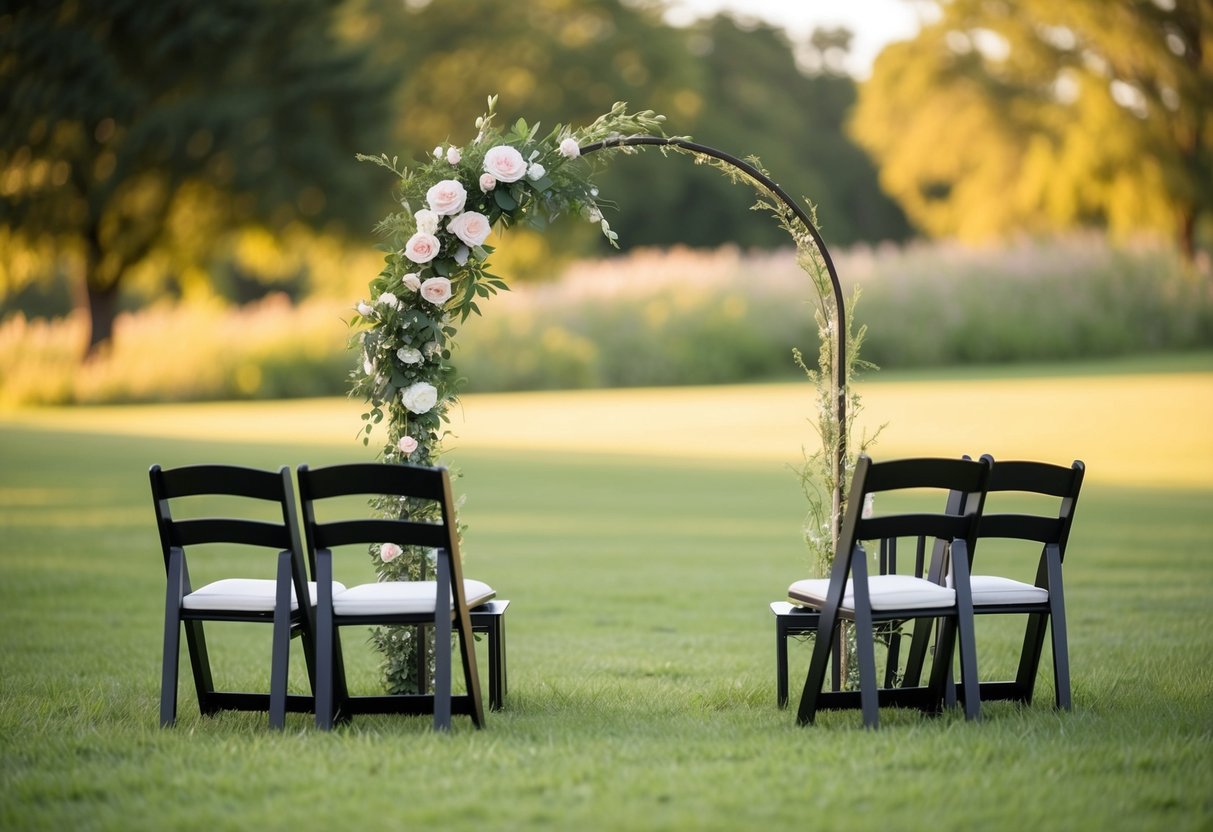
You may feel pressure to include fancy decorations or a large guest list, but you can keep things simple while still having a beautiful ceremony. Creating a meaningful event does not require a lavish venue or extensive planning. Understanding the bare minimum can help you focus on what really matters on your special day.
As you navigate your wedding planning journey, remember that it’s about celebrating your love. Keeping a simple approach can lead to a more intimate and personal gathering, allowing you to cherish every moment with your partner and loved ones.
Essentials of the Wedding Ceremony
When planning a wedding, focusing on the essentials is key. This section covers the critical legal requirements and various venue options available for your ceremony.
Legal Requirements
Before you say “I do,” make sure you fulfill all legal obligations. The requirements can vary by location, so it’s vital to check local laws.
-
Marriage License: You need this document before the wedding. Apply for it at your local government office. It’s often valid for a specific period, so plan ahead.
-
Officiant: You must have someone authorized to conduct the ceremony. This could be a religious leader, a judge, or a friend who has been ordained.
-
Witnesses: Most places require at least one or two witnesses to sign the marriage license. Make sure to choose friends or family who can support you on your special day.
Taking care of these steps will ensure that your marriage is recognized legally, allowing you to focus on the celebration.
Venue Options
Choosing the right venue for your ceremony can set the tone for your wedding. There are many options to consider, depending on your style and budget.
-
Backyard Wedding: A personal and intimate setting. This option allows you to customize everything, from decorations to seating. Plus, it can be cost-effective.
-
Micro Wedding: Perfect for a smaller guest list. These intimate ceremonies focus on the couple and close family.
-
Traditional Venues: Consider churches, banquet halls, or gardens. These often come with included services, such as catering and décor.
Selecting the right venue can make your ceremony memorable and meaningful. Be sure to visit potential locations to see what fits your vision best.
Curating the Guest List

Creating your guest list is an important step in planning your wedding. It sets the tone for your special day and can affect your budget and venue choices.
Start by thinking about who really matters to you. For small weddings or a minimony, focus on close family and friends. Your guest list should highlight those you couldn’t imagine saying “I do” without.
Here are some tips to help you:
-
Make a Preliminary List: Jot down everyone you want to invite, no matter how many that is.
-
Categorize Your List: Divide your guests into A-list and B-list. The A-list includes must-have guests, while the B-list includes those you would like to invite if space allows.
-
Be Honest About Your Budget: Each guest adds costs for food, seating, and favors. Keeping it small can help you save money and create a more intimate atmosphere.
-
Consider the Venue: Your space may limit the number of guests. Choose a venue that fits your desired guest list size.
-
Ask For Help: Don’t hesitate to consult with family or close friends. They can provide valuable insights on who should be on the list.
By curating your guest list thoughtfully, you ensure that your wedding day is filled with love and support from those who matter most to you.
Logistics and Planning
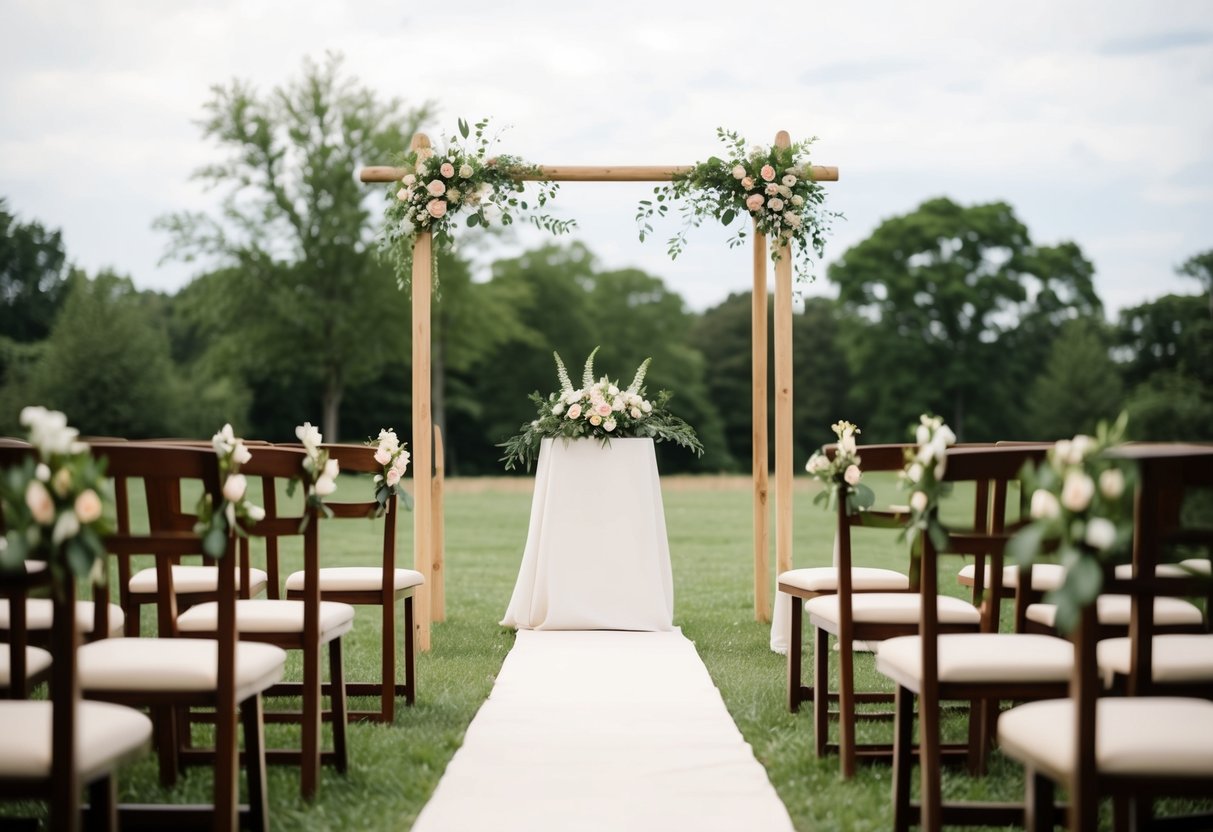
Planning your wedding involves several key steps that help ensure everything goes smoothly. From choosing the right date to mapping out the day of your celebration, attention to detail is crucial. These steps will guide you through organizing your special day.
Selecting a Date
Choosing a date is one of the first tasks on your list. Pick a date that holds significance for you, like an anniversary or a season you love.
Consider the following factors:
- Venues: Check the availability of your preferred venue.
- Guest Schedule: Ensure that key family members can attend.
- Season: Think about weather conditions; summer might mean heat, while winter could bring snow.
Once you settle on a date, save it by sending “Save the Date” cards to your guests. This lets them know to keep their calendars open.
Hiring a Wedding Planner
If you want to ease the stress of planning, hiring a wedding planner can be a great choice. They have experience and can help with logistics.
Here’s what to keep in mind:
- Budget: Determine how much you are willing to spend on a planner.
- Services Offered: Some planners offer full planning, while others may just help on the wedding day.
- Reviews: Look for planners with good reviews and ask for recommendations.
A planner can also negotiate with vendors and find options that fit your budget, saving you time and worry.
Wedding Day Timeline
Creating a timeline for your wedding day is essential for keeping everything on track. Start by outlining the main events, such as the ceremony, reception, and speeches.
Here’s a simple breakdown:
- Morning: Hair and makeup for the bridal party.
- Pre-Ceremony: Allow time for photographs.
- Ceremony: Set a start time and consider travel time for guests.
- Reception: Plan the flow of events, including dinner and speeches.
Share this timeline with your wedding planner, vendors, and bridal party. This way, everyone knows where to be and when, ensuring a smooth and joyful celebration.
With these steps, you can confidently navigate the logistics of your wedding day!
Capturing the Memories

Capturing the special moments of your wedding day is essential. It allows you to relive those precious experiences for years to come. Two important aspects are hiring a photographer and scheduling key moments throughout the day.
Hiring a Photographer
Choosing the right photographer is crucial. Look for someone whose style matches your vision. Take time to review their portfolio to see if they capture the emotions you want preserved.
Consider setting up meetings with a few photographers. Discuss your preferences, including key moments like the first look and the first dance. Be clear about your budget and the hours of coverage you need.
Ask about their experience with weddings. A knowledgeable photographer will know the best times and locations for photos. Also, check reviews or ask past clients about their experiences. A good photographer will enhance your memories.
Scheduling Key Moments
Planning your wedding timeline can help capture essential memories. Start by marking key moments, such as the first look, ceremony, and first dance.
Aim to set aside at least an hour before the ceremony for photos. This time lets you enjoy the first look without feeling rushed.
After the ceremony, ensure you have time for family and couple portraits.
Consider a few breaks throughout the day. This allows your photographer to capture candid moments during the reception. You want to remember all the joy and laughter shared with your guests, so planning is key.