
What Is the Basic Seating Etiquette? Tips for Social and Formal Settings
Seating etiquette plays a crucial role in both formal and informal dining settings. Whether you’re attending a dinner party or a family gathering, understanding how to sit properly shows respect for your host and fellow guests. Good manners dictate that you pay attention to seating arrangements, as they can affect the flow of conversation and the overall atmosphere.
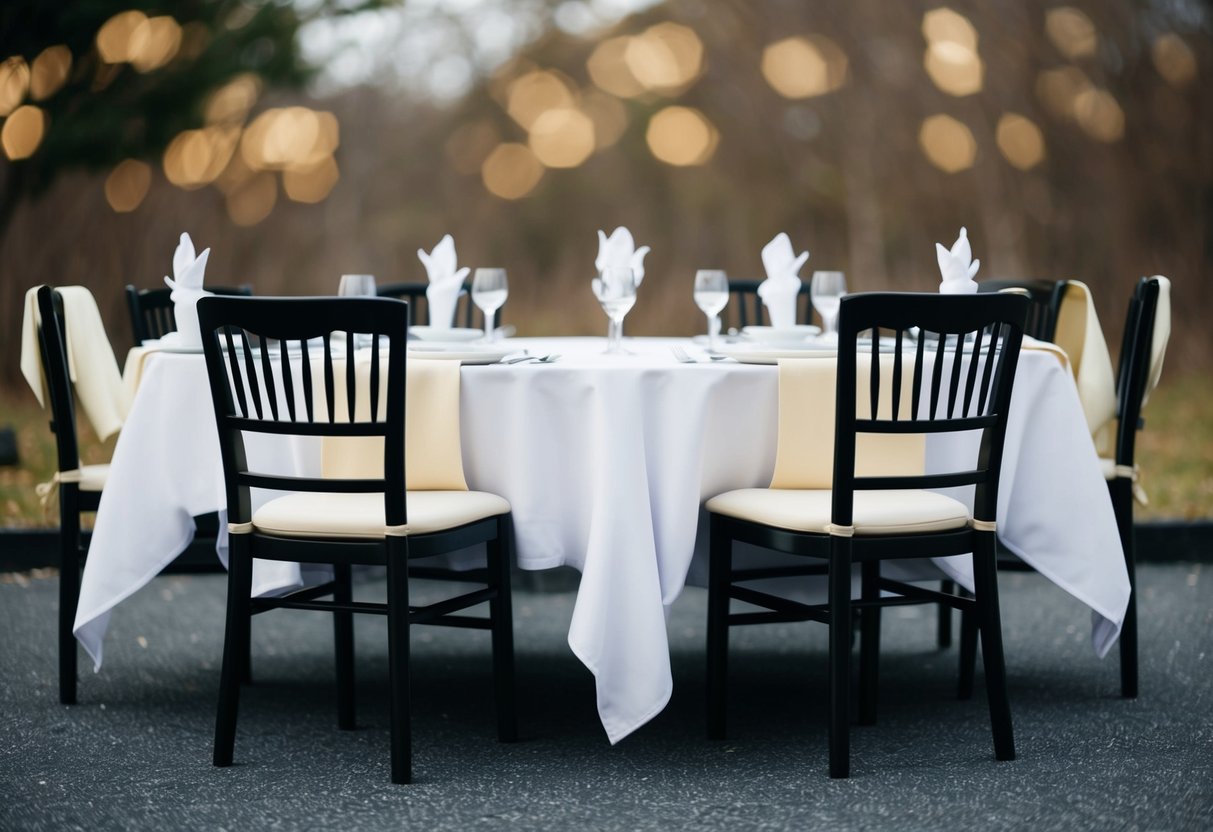
In formal dining situations, you may find assigned seats that reflect social hierarchies. It’s important to wait for your host to direct you to your seat and to follow any seating plan.
In contrast, informal settings often allow for more freedom, but it’s still polite to choose seats that keep conversations inclusive and enjoyable.
Remember, seating etiquette isn’t just about where you sit. It’s also about how you engage with those around you, promoting a friendly and welcoming environment. By keeping these simple principles in mind, you’ll help create a pleasant dining experience for everyone involved.
The Basics of Seating Etiquette

Seating etiquette is all about respecting hosts and ensuring guests feel comfortable. By understanding the seating hierarchy, using place cards properly, and knowing how to navigate different meal settings, you can contribute to a pleasant dining experience.
Understanding the Seating Hierarchy
In any dining setting, understanding who sits where is important. The host typically decides the seating arrangements.
The guest of honor usually gets the best spot, often facing the entrance. This shows respect and importance. You should wait for your host to indicate where you should sit.
If there are no place cards, try to help your host by filling seats according to comfort and relationships. Friends should sit together, especially in informal meals, creating a relaxed atmosphere.
Deciphering Place Cards and Seating Plans
Place cards are a simple tool that helps guests know where to sit. As a guest, always check for these cards. If a place card has your name, that’s your seat.
If you’re hosting, creating a seating plan can help everyone feel included. Think about each guest’s preferences and relationships. Some may prefer to sit near friends, while others might want a more formal arrangement.
Remember, if you see a name card, it’s best not to move it. That could disrupt the host’s arrangement. Following this will ensure everyone enjoys their meal.
Navigating Informal and Formal Meals
Eating arrangements differ in formal and informal meals. In informal settings, like a casual dinner, feel free to sit wherever feels comfortable. The environment might be more relaxed.
For formal meals, seating follows stricter rules. Guests should wait until the host indicates where to sit.
In these cases, the number of courses and table settings matter. You may find multiple utensils, so use them from the outside in.
Being polite and respectful goes a long way. Engage in conversation with those around you, and enjoy the company at your table.
Table Manners and Etiquette

Good table manners create a comfortable dining experience for everyone. Knowing how to use your utensils, pass food, and handle napkins is important at any meal. Here’s what you need to keep in mind.
Using Utensils and Silverware Correctly
When using utensils, knowing whether to use the American style or Continental style can be helpful.
In the American style, you cut your food with your dominant hand and switch the fork to your right hand to eat. For Continental style, you keep the fork in your left hand throughout the meal.
Start with the outermost utensils and work your way in as you enjoy courses. Place your knife and fork down across the plate when you’re finished. This signals that you are done eating.
Avoid pointing your utensils at others and never use your fingers to eat unless it’s finger food.
The Art of Passing Food and Condiments
When passing food at the table, always pass to the right, and hand items directly to the person so they don’t have to reach across others.
If you are passing a bowl of food, offer it with the handle pointing to your neighbor.
For condiments like salt and pepper, pass them together even if someone only asks for one. This is a polite way to ensure that the flavors are balanced.
Always wait until everyone is ready to serve themselves before diving in; this shows respect for fellow diners.
Appropriate Use of Napkins and Handling Specific Foods
Napkins are essential for keeping your area clean. Place your napkin on your lap as soon as you sit down.
If you need to leave the table, place the napkin on your chair to signal you’ll return.
When eating foods that might be messy, like finger foods, use your napkin as needed to keep your hands clean. Avoid blowing your nose at the table; excuse yourself if you need to attend to that.
Whenever possible, keep your eating area tidy to show respect for your hosts and fellow guests.
Special Considerations

When it comes to seating etiquette, context matters. Different settings can require unique approaches to ensure everyone feels comfortable and respected. Let’s explore details about seating in business dining, large events, and other settings.
Business Dining and Large Events
In business dining, seating can influence professional relationships. Always allow the host to choose seats first. You should wait for them to guide you, especially in formal business meals.
At large events, such as weddings or banquets, pay attention to the guest list.
It’s common to seat people together based on their backgrounds, roles, or connections. For example, placing an important client near the host shows respect and consideration.
If you’re unsure where to sit, politely ask a staff member for guidance. This can help you navigate the seating arrangement smoothly.
Dining in Public Places vs. Private Residences
Dining in public places often has more relaxed rules. You might choose your seat in a casual restaurant, but still, consider nearby guests. For instance, avoid loud conversations that might disturb others.
In private residences, customs can vary greatly. You should wait for your host to seat you.
Additionally, check for any assigned seating or name cards. These rules help maintain harmony at the table.
Respecting cultural norms is crucial in both environments. Always be aware of your surroundings and the comfort of others.
The Nuances of Body Language at the Table
Body language plays a big role in dining etiquette. Maintaining open and inviting gestures, like making eye contact and smiling, helps create a friendly atmosphere.
Avoid crossing your arms, as it can seem defensive. Leaning slightly forward can show engagement in the conversation.
Pay attention to others’ body language too. If someone appears uncomfortable, you might adjust your seating or tone. Small adjustments can make a significant difference in how everyone feels during the meal.
Being mindful of these nuances reflects your respect for others and enhances the dining experience.