
What is the Best Budget for a Wedding? Essential Tips for Planning Your Special Day
Planning a wedding can be both exciting and overwhelming, especially when it comes to setting your budget. It’s crucial to have a clear understanding of how much you can spend without stretching your finances too thin. The best budget for a wedding typically ranges from $20,000 to $34,000, but it ultimately depends on your unique vision and priorities.
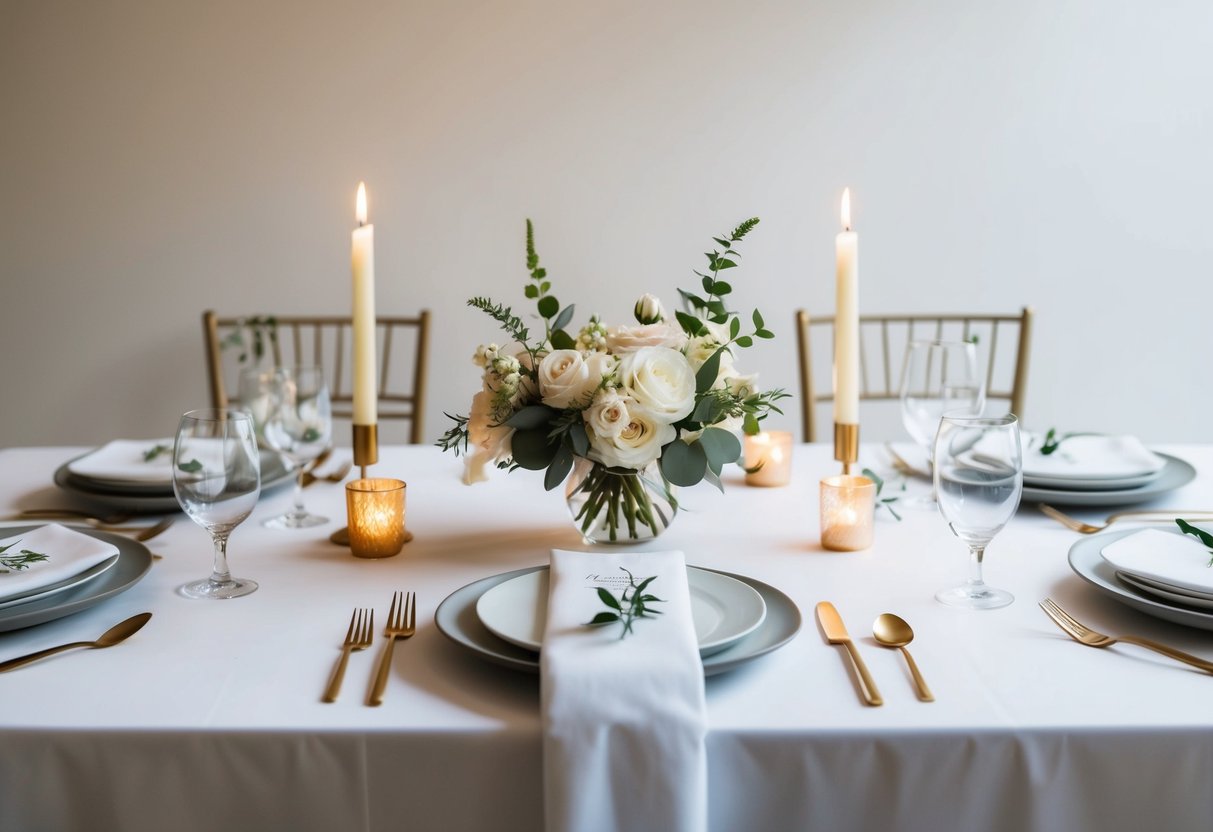
As you start to explore your options, think about the elements that matter most to you. Are you dreaming of a grand venue, or is a cozy gathering more your style? Understanding the average cost of a wedding can guide you in making choices that fit your vision while remaining affordable. This article will help you break down the essential costs and tips for creating a budget that works for you.
Setting your wedding budget doesn’t have to be a daunting task. With some planning and flexibility, you can design a beautiful day that reflects your love story without overspending. Discover the key components to consider, and set yourself up for a wonderful celebration without financial stress.
Understanding Wedding Budgets
Creating a wedding budget can feel challenging, but knowing key factors can help you plan effectively. You’ll want to consider what influences costs and how to break down your expenses.
Factors Influencing Wedding Costs
Several elements affect the total cost of your wedding. The location is often the biggest factor. Popular venues can charge more, especially during peak seasons.
Guest count also plays a big role. More guests mean more expenses for food, seating, and favors. Your choice of vendors will impact costs too. High-end photographers and caterers can take up a significant part of your budget.
Other influences include the style of your wedding, like formal or casual, and additional features like live music or elaborate decor. Each choice can alter your overall budget.
Wedding Budget Breakdown Essentials
Creating a solid wedding budget checklist can guide you in allocating funds. A common way to divide your budget is through percentage allocations.
Here’s a basic breakdown:
- Venue: 30% of your budget.
- Catering: 25% of your budget.
- Photography: 10% of your budget.
- Attire: 10% of your budget.
- Flowers and Decorations: 10% of your budget.
- Entertainment: 5% of your budget.
- Miscellaneous: 5% of your budget.
These percentages are just a guideline. You might need to adjust based on your priorities. Use a wedding budget planner to track all expenses and stay within your limits. This approach helps ensure you allocate your funds wisely.
Key Wedding Elements and Costs
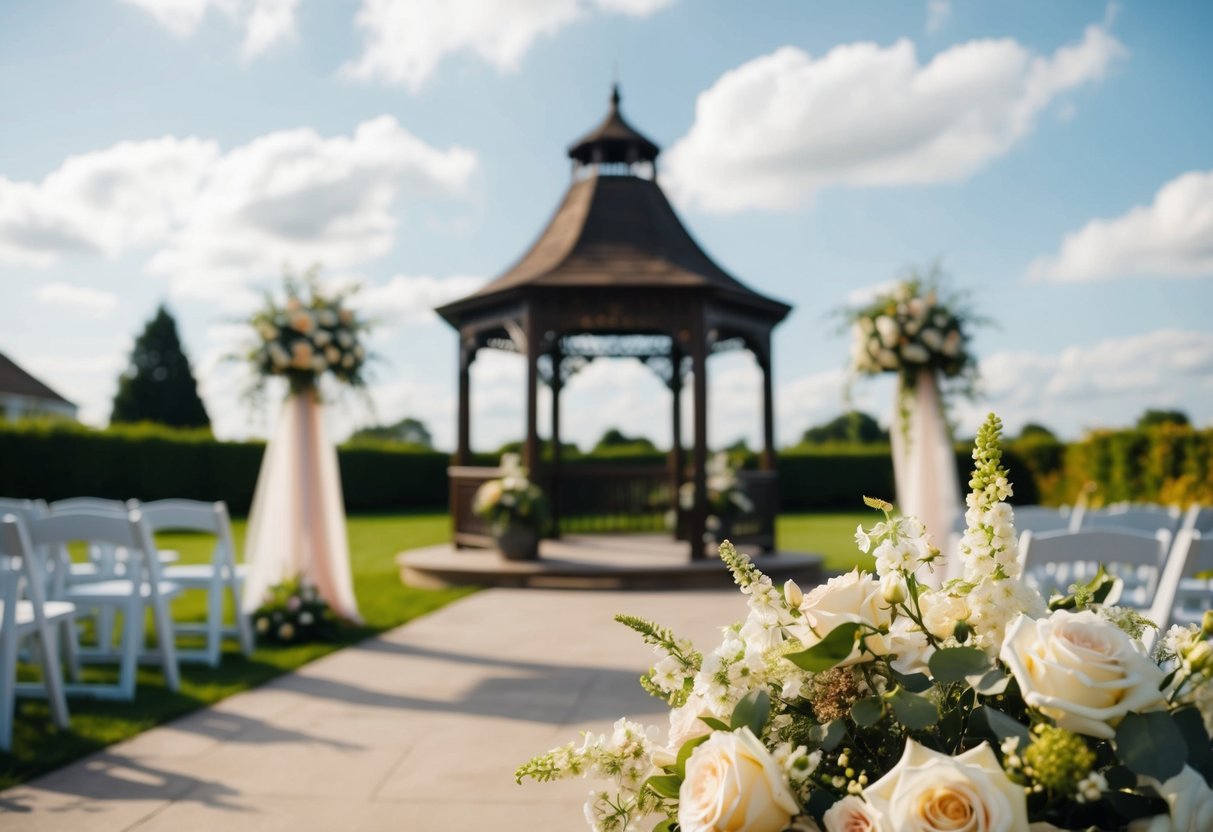
When planning your wedding, understanding the key elements and their costs can help you create a budget that works for you. Knowing where to allocate your funds can make a big difference in your overall expenses.
Venue and Rentals
Your choice of venue is one of the biggest parts of your budget. Wedding venues can vary significantly in price, so it’s important to find one that fits your theme and budget. Consider affordable wedding venues, such as parks or community halls, which can be less expensive than traditional locations.
You will also need to factor in rentals. This includes tables, chairs, linens, and decorations. Planning a brunch wedding may allow you to save on evening rentals since some venues charge less during non-peak times. Create a list of what you need to rent and get quotes from different suppliers to find the best deals.
Food and Catering
Catering is another major cost to account for in your budget. Your catering budget will depend largely on the number of guests and the type of meal you want to serve.
Buffets or family-style servings often cost less than plated meals. Additionally, considering options like food stations can provide a fun dining experience while controlling costs.
Try to include your favorite wedding food while keeping portion sizes in mind. Don’t forget to ask about cake-cutting fees, and consider alternatives to a large, elaborate cake to save more.
Photography and Videography
Capturing your special day is essential, but photography and videography can also add up quickly. Hiring a professional photographer may cost several thousand dollars, but it’s worth finding someone whose style you love.
Consider your priorities: Are both photos and videos important, or do you want to focus on one? If budget is tight, look for packages that include both photography and videography.
Reach out to multiple vendors and review their portfolios. Some may offer payment plans that can make their services more accessible. Remember, the memories captured through photos and videos are priceless!
Personalizing Your Wedding

Personalizing your wedding allows you to create a memorable event that reflects your unique style and relationship. Key areas to focus on include your wedding attire, décor and floral arrangements, and music and entertainment choices, which can all enhance the experience for you and your guests.
Choosing Your Wedding Attire
When selecting your wedding attire, think about what represents you as a couple. The wedding dress should reflect your personal style. You might prefer a classic gown, a boho-chic dress, or even a modern suit. Don’t forget about accessories! Include items that have special meaning, like a family heirloom or custom jewelry.
Grooms can also make a statement with their outfits. Consider a tailored suit or something more casual, depending on your wedding theme. Bridesmaids and groomsmen’s attire can match or complement your style, creating a harmonious look throughout the wedding party.
Decor and Floral Arrangements
Your wedding décor and floral arrangements set the tone for your special day. Think about colors and themes that resonate with you. You might favor soft pastels or bold, vibrant hues. Choose flowers that are not only beautiful but also meaningful. For example, if you have a favorite flower, include it in your bouquets and centerpieces.
Consider using unique decor elements that tell your story. You could display photographs from your relationship or use personalized items that represent how you met. This can create a warm and inviting atmosphere for your guests to enjoy during your celebration.
Music and Entertainment
Music can significantly enhance your wedding experience. Choose ceremony music that suits the mood you want to create. Whether it’s a live violinist, a soloist, or recorded music, it should reflect your tastes.
For the reception, decide between a DJ or live band based on your preference and budget. A live band can make the vibe more lively, while a DJ offers a wide range of genres. Remember to consider your guests’ tastes as well.
Incorporate special moments like a first dance or game activities to keep everyone entertained. This adds a fun personal touch and creates lasting memories for you and your loved ones.
Finalizing Your Wedding Budget

Finalizing your wedding budget is crucial for a smooth planning experience. By preparing for unexpected costs and keeping close track of your expenses, you can enjoy your big day without financial stress.
Allocating Funds for Unexpected Expenses
When planning, it’s wise to set aside an emergency fund. Weddings often come with surprises, so having about 10-15% of your total budget reserved for unexpected costs is helpful. This can cover anything from last-minute venue fees to emergency alterations on your dress.
Consider creating a list of potential extra expenses. For example:
- Additional decor items
- Extra catering costs for unexpected guests
- Transportation issues
By planning this way, you ensure that unexpected costs don’t derail your budget. Keeping your guest list manageable helps too. If you can predict about how many people will attend, it may help avoid extra charges.
Tracking Your Expenses
Tracking your spending is essential. You can start with a spreadsheet or budgeting app to record every expense.
Break it down by categories like venue, catering, and entertainment. This way, you can see how each part of your budget is used.
Include your guest list in this tracking. Each added guest may increase catering and seating chart costs.
It’s important to update your budget whenever you have an expense, no matter how small.
Regularly review your spending versus your budget. Make adjustments if needed to stay on track.
This will allow you to enjoy your day while knowing you’re financially prepared.