
What Is the Best Day to Get Married In? Discover the Perfect Date for Your Big Day!
Choosing the best day to get married is an exciting yet challenging decision. Your ideal wedding date should consider factors like weather, personal significance, and cultural beliefs.
Whether you prefer a sunny summer day or a cozy winter evening, each season has its unique charm that can enhance your special day.
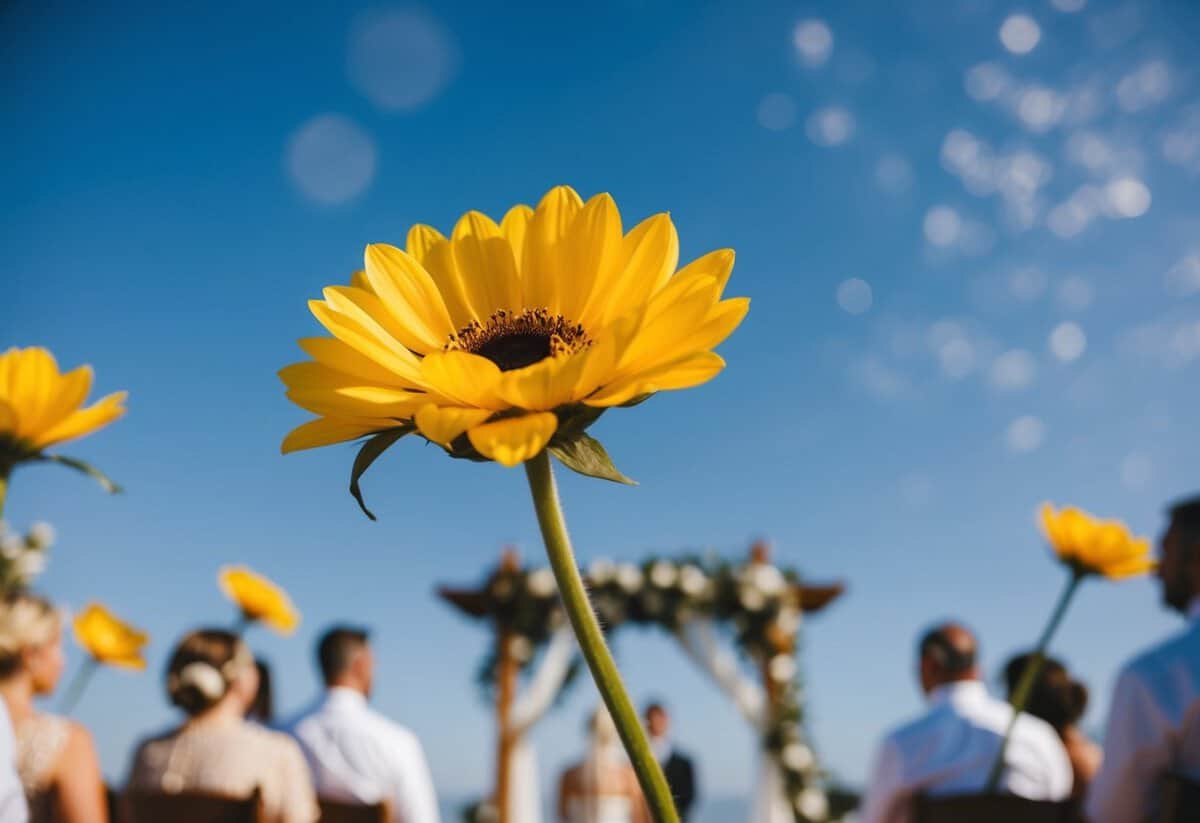
Many couples believe that certain dates hold special meanings that can bring good fortune to their marriage. Research suggests that weekends, especially Saturdays, are popular choices as they allow guests to attend without work commitments.
Additionally, considering holidays and local events can help you avoid scheduling conflicts and ensure the best possible celebration for everyone involved.
As you explore your options for the best day to get married, remember to reflect on what feels right for you and your partner. Your wedding date will not only mark the beginning of your life together but also be a lasting memory for you and your loved ones.
The Significance of Selecting the Right Wedding Date
Choosing the right wedding date is more than just a calendar choice. It can impact how you feel on your big day and what kind of energy surrounds the event. Understanding cultural beliefs and seasonal preferences can help create a memorable occasion.
Cultural and Spiritual Considerations
Certain dates are seen as auspicious in different cultures. For example, in some traditions, specific days are linked to good luck or favorable energy.
You may want to explore numerology and astrology when picking your date. Each number can carry meanings that resonate with your life path number.
Angel numbers, such as 11:11, are often considered lucky times. Events on culturally significant dates, like Lunar New Year or a full moon, may also hold special meaning.
Additionally, if you’re following a kosher calendar, specific dates might be more favorable for your ceremony.
Many cultures believe in consulting the Chinese calendar to find the right wedding day. Understanding these cultural elements can help you choose a date that aligns with your values.
Wedding Dates and Seasons
The season of your wedding can greatly affect its feel and style. Summer weddings are popular for their warmth and long days, allowing for outdoor ceremonies. The summer solstice offers the longest day of the year, often considered ideal for a celebration.
Fall weddings can bring vibrant colors and cooler weather, making it a cozy option. On the other hand, winter weddings provide a unique charm, especially around holidays. Each season offers different advantages, such as floral availability and venue choices.
Choosing a date in line with popular wedding months, like June or October, may increase vendor availability. Whenever you decide, keep in mind how the date and season can contribute to your wedding’s atmosphere and guest experience.
Practical Aspects of Wedding Planning
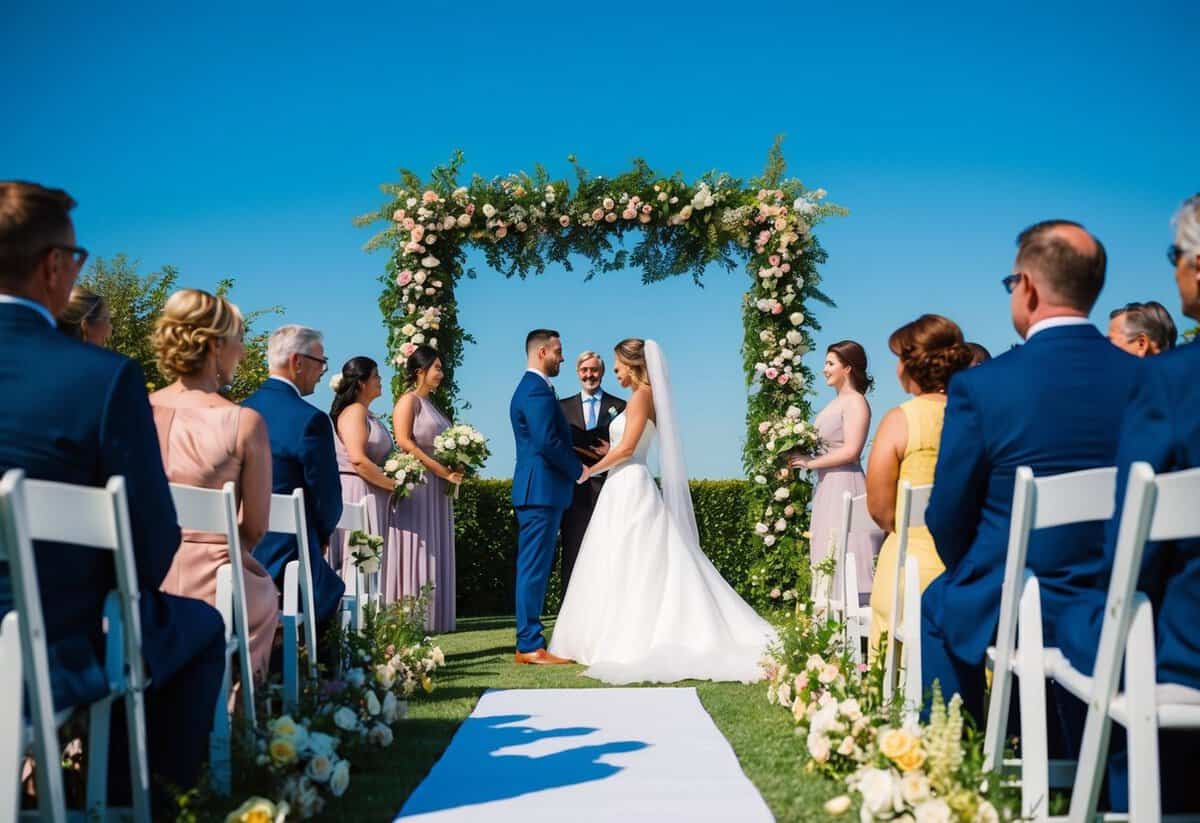
When planning your wedding, it’s important to consider holidays and special dates. These can impact your venue availability, guest attendance, and overall experience. Here’s what to keep in mind regarding holidays and special occasions.
Holidays and Special Dates to Consider
Choosing a wedding date that falls on a holiday can have pros and cons. If you pick a popular holiday like New Year’s Eve or Christmas, many guests might be busy with their own plans. However, this could also allow for a festive theme.
Popular U.S. holidays such as Thanksgiving and St. Patrick’s Day can offer unique wedding themes but may have travel implications. Be mindful of hotel bookings for an outdoor wedding around these times.
For religious dates, consider Rosh Chodesh or Adar, as they may affect your guest list. Lastly, some dates, like Columbus Day or Shrovetide, are less common but can provide a memorable backdrop for your wedding celebration.
Make sure to balance these factors with your vision for the day!
Astrological and Lunar Influences on Your Wedding Day
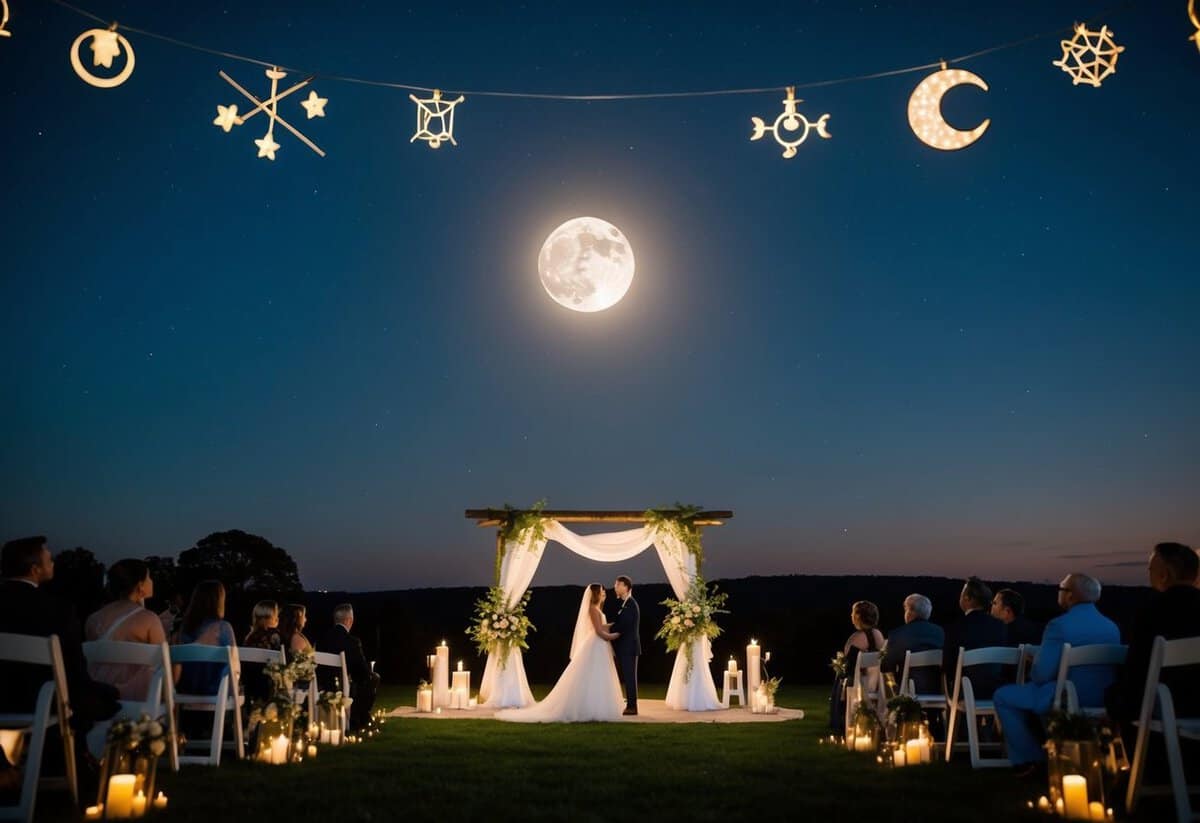
Choosing your wedding day can be enhanced by understanding astrological and lunar influences. The timing of your ceremony can align with celestial events to create a more meaningful experience. Let’s explore how to align your special day with these cosmic events.
Aligning Your Wedding with Celestial Events
When planning your wedding, consider the phases of the moon. New moons are great for new beginnings and setting intentions, making them a powerful choice for your ceremony. In contrast, full moons signify completion and celebration, perfect for a joyous occasion.
Many couples seek zodiac-approved dates for added cosmic guidance. For instance, selecting dates like August 8th can be seen as auspicious due to the significance of the number eight, which symbolizes balance and harmony.
Supermoons offer an extra special touch with their amplified energy. Blue moons, which are rare, add a unique charm to your wedding, making it a day to remember.
Also, the waxing moon is ideal for growth and prosperity, reflecting your hopes for the future together. By choosing dates carefully, you can infuse your wedding day with harmony and meaning.