
What is the Best Ending Line for a Speech? Tips for Leaving a Lasting Impression
When you’re wrapping up a speech, the ending line is your final chance to leave a lasting impression on your audience. The best ending line for a speech is one that resonates with the main message you’ve shared and prompts your listeners to think or feel something impactful. It’s more than just a closing; it should inspire your audience or encourage them to take action.
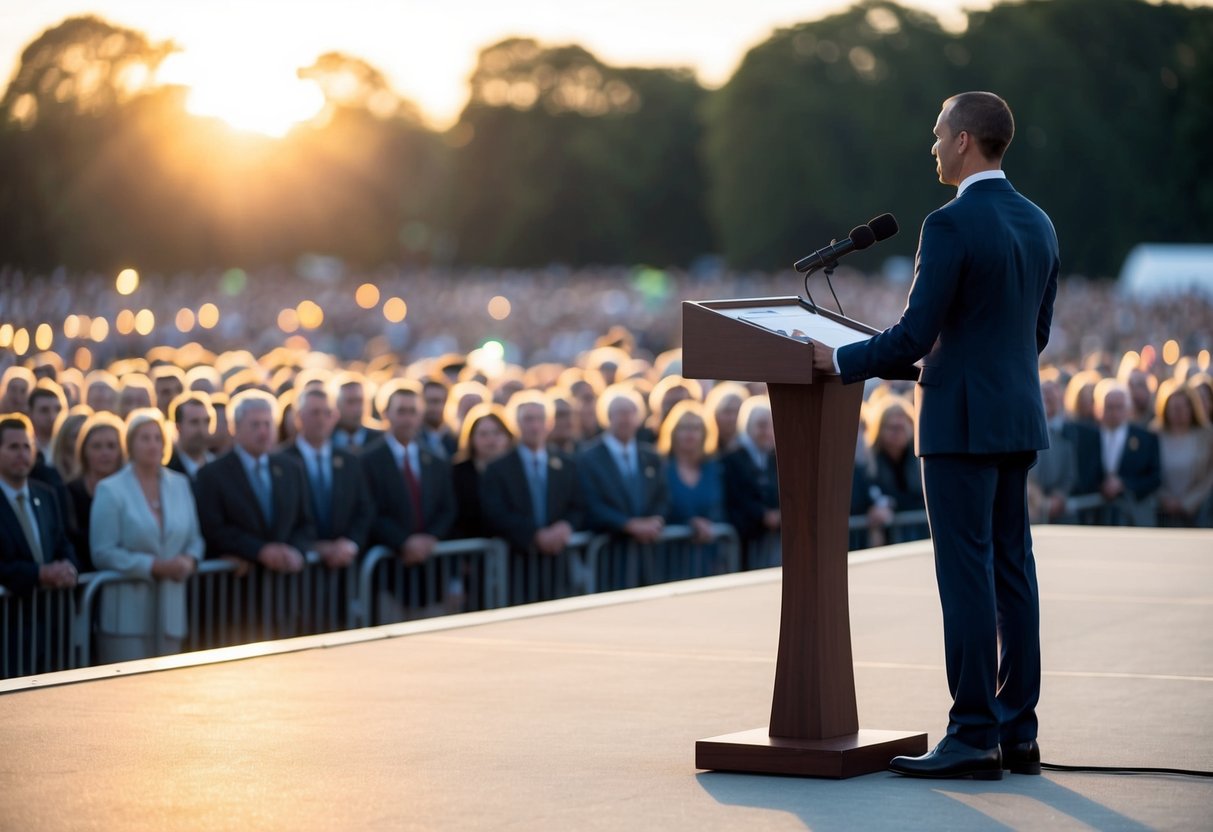
You’ll want to ensure that this line ties back to the key points you’ve made while also being memorable. Whether it’s a thought-provoking quote, a call to action, or a powerful statement, your closing line can energize your audience and make them want to engage with your ideas even after the speech is over.
As a public speaker, mastering your ending can elevate your message significantly. You may find that using a unique or personal statement leaves your audience with something to talk about long after they leave the room.
Crafting Your Speech Conclusion
A strong conclusion is essential for leaving a lasting impression. It shapes how your audience feels about your message. By identifying the purpose of your speech and structuring your conclusion effectively, you can create a powerful ending.
Identifying the Purpose of Your Speech
Before you write your conclusion, think about why you gave this speech. Are you trying to inform, persuade, or inspire? Your purpose will guide the tone and content of your concluding lines.
For instance, if you aim to persuade, restate your main arguments and emphasize their importance. If your goal is to inspire, consider ending with a motivational quote or a call to action. This connection to your purpose will make your conclusion resonate more with your audience.
Structuring Your Conclusion
Your conclusion should reflect the main points you covered in your speech, but in a concise manner. Here’s a simple structure to follow:
- Restate Key Points: Briefly revisit your main arguments or themes.
- Final Thought: Leave the audience with a memorable message. This could be a quote, a question, or a vision for the future.
- Call to Action: Encourage your audience to take some action based on what they learned.
Using this structure helps you stay clear and focused. It ensures that your audience walks away knowing exactly what you want them to remember.
Effective Ending Techniques
Ending your speech powerfully is key to leaving a lasting impression. You can engage your audience using various techniques. Here are some effective ways to wrap up your speech.
Utilizing Rhetorical Devices
Rhetorical devices add flair to your speech. You can use techniques such as anaphora, which repeats phrases for emphasis. For example, starting sentences with “We can” builds a sense of unity. Another effective tool is parallelism, where you balance phrases. This creates rhythm and makes your ending memorable.
Consider ending with a rhetorical question. Questions provoke thought and keep your audience reflecting on your message long after you finish. A well-placed question encourages listeners to engage and internalize your points. Think about what you want your audience to ponder and frame your question accordingly.
Incorporating Inspiring Quotes
Quotes can resonate strongly with your audience. When you use a relevant quote, it can deepen the impact of your message.
Choose quotes that relate to your topic and can inspire action or reflection. For instance, a quote from a well-known figure can lend credibility to your speech. You might say, “As Maya Angelou said, ‘You will face many defeats in life, but never let yourself be defeated.’” This not only inspires but also reinforces your message.
Make sure the quote feels natural and connects with your overall theme. This connection enhances your speech’s flow and leaves your audience with something they can remember.
Ending With a Call to Action
A call to action motivates your audience to take specific steps after your speech. By clearly stating what you want them to do, you create a sense of urgency.
This could be signing a petition, joining a group, or simply thinking about a topic. Make your call to action clear and achievable. You can say something like, “Join me in supporting our community by volunteering for local projects.” This gives your audience a practical way to engage.
Encourage them to act immediately. The more personal and direct your approach, the more likely they are to respond positively. A strong call to action can turn inspiration into tangible results.
Leaving a Lasting Impression
Creating a memorable ending for your speech is essential. It can help your audience remember your main points and inspire them to take action. You can achieve this by challenging your audience, using repetition effectively, and incorporating metaphors that resonate.
Challenging Your Audience
Engaging your audience by presenting a challenge can leave a strong impression. When you ask them to consider a problem or take action, it can stimulate thought and discussion.
For example, you might say, “I challenge you to think about how you can make a difference in your community.” This type of ending encourages active participation. It moves beyond passive listening and invites your audience to engage with your message. When people feel part of a challenge, they are more likely to remember your words and act upon them.
The Power of Repetition
Repetition is a powerful tool in speech endings. It emphasizes your main ideas and helps them stick in the minds of your audience.
By repeating key phrases, you reinforce your message. For instance, if your main point is about the importance of kindness, you might end with, “Remember, kindness starts with you. Choose kindness today.” This repetition makes it more likely that your audience will recall your message long after your speech concludes.
Using repetition also creates a rhythmic flow to your closing, making it more engaging and easier to follow. When your audience hears familiar phrases, they feel a sense of connection to your speech.
Using Metaphors to Resonate
Metaphors can be a powerful way to create lasting impressions. They help simplify complex ideas and make them relatable.
By comparing your message to something familiar, you can spark your audience’s imagination. For example, saying “Life is a journey, and every decision is a step on your path” can resonate more than a straightforward statement.
Such images can linger in the minds of your audience, making your message more memorable.
Effective metaphors evoke emotions and encourage personal connections. This emotional response can make your speech feel more impactful and inspire your audience to reflect on their own experiences.
By using vivid and relatable metaphors, you will ensure your message remains with your audience long after you finish speaking.