
What is the Best Time of Day for a Wedding? Tips for a Perfect Ceremony Timing
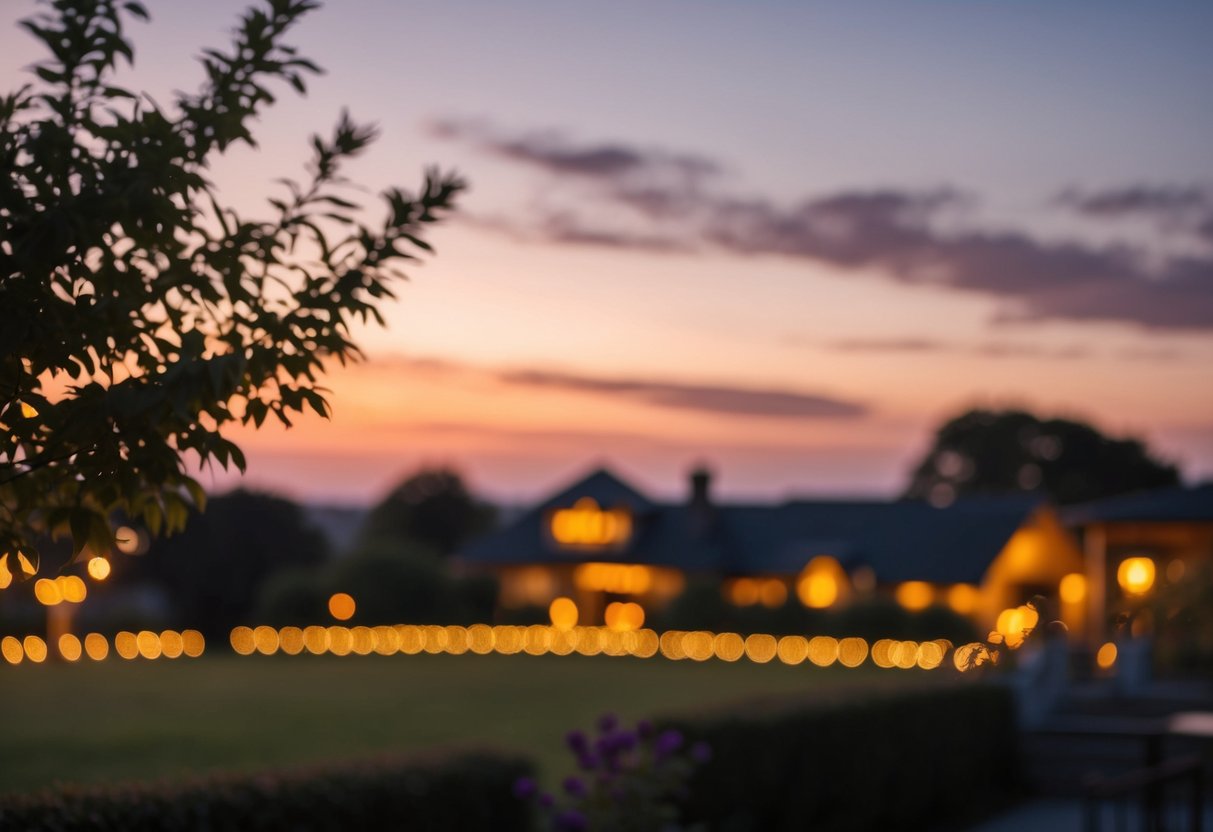
When planning your wedding, the timing of your ceremony can play a big role in the overall experience. Typically, the best time of day to get married is in the late afternoon or early evening, around 5:30 p.m. This allows you to enjoy the beauty of natural light, which is perfect for photographs and creating a warm atmosphere for your guests.
Choosing the right time can also help you create a smooth wedding day timeline. With a later start, you have flexibility for your morning preparations and an enjoyable reception that can extend into the night.
Keep in mind elements like the golden hour, where the light is soft and flattering, making it ideal for those cherished couple portraits.
As you consider your options, remember that the best time for your wedding will also depend on your venue, the season, and your personal preferences. By finding the perfect time, you set the stage for memorable moments that you and your guests will cherish.
Choosing the Right Time for Your Ceremony
Deciding on the best time for your wedding ceremony involves thinking about guest experience, natural lighting, and your overall wedding timeline. Each part of the day has its unique benefits, so consider what fits your vision best.
Morning Weddings
Morning weddings can be magical. They usually start between 10 AM and noon, allowing for fresh energy and bright natural lighting. This is perfect if you want outdoor photos with beautiful sunlight.
Your guests will appreciate an early ceremony, as it leaves the rest of the day free for them. Morning events can also lead to a relaxed atmosphere, with brunch-themed receptions being popular choices.
Just remember to serve coffee and light snacks, making sure everyone is comfortable. With less competition for venues and vendors, you may also find booking easier.
Afternoon Weddings
Afternoon weddings typically start between 1 PM and 3 PM. This time allows for a leisurely pace, giving you time to prepare without feeling rushed. The daylight is still bright, giving beautiful backdrops for photographs.
Many couples choose this time for convenience. Your guests won’t need to wake up early, making it easier for them to arrive. This is also a great time for a traditional sit-down meal, should you choose to have one.
Consider the season when planning this. If you’re in summer, an afternoon ceremony could be warm. Look for shaded venues or offer fans to keep everyone cool and comfortable.
Evening Weddings
Evening weddings usually kick off around 5 PM or later. The romantic atmosphere of twilight adds elegance to your ceremony. This time can create stunning visuals, especially if you plan to include lots of candlelight or string lights.
Think about your wedding timeline. With an evening ceremony, you can also schedule a fun cocktail hour before the reception. This lets your guests mingle while you take those all-important photos.
However, be mindful of sunset times, especially for outdoor weddings. If you choose to say, “I do,” right before sunset, plan for family photos beforehand. This ensures you won’t miss that gorgeous light!
Planning Your Wedding Photography
When planning your wedding photography, timing is key to capturing stunning images. The way you schedule your first look and family photos can greatly influence the quality of your wedding photos. Additionally, taking advantage of the golden hour can provide breathtaking sunset photos.
Scheduling the First Look and Family Photos
The first look is a special moment that many couples cherish. This is when you see each other before the ceremony. By scheduling the first look about an hour or two before the ceremony, you can have a relaxed atmosphere for those initial photos.
Coordinate with your photographer about the best location. This helps set the mood while capturing those candid emotions.
Next, schedule family photos immediately after the ceremony. This way, everyone is gathered and ready. Create a list of the must-have family groupings and share this list with your photographer to ensure nothing is missed.
Capturing the Golden Hour
Golden hour refers to the time shortly after sunrise or before sunset when the light is soft and warm. This is the perfect time for beautiful wedding photos.
Plan your photography schedule to include this time. For sunset photos, check the sunset time for your wedding day. Aim to start your photos at least an hour prior to ensure you capture the fading light.
Discuss with your photographer about positioning for the best effects. They can create a dreamy atmosphere with the right background. This strategy will contribute to gorgeous memories you can cherish for years.
Optimizing Guest Comfort and Experience

Ensuring your guests are comfortable can make a big difference at your wedding. From choosing the right weather and venue to planning engaging activities, these elements help create an enjoyable atmosphere for everyone involved.
Weather and Season Considerations
When planning your wedding, consider the season and weather. If you choose an outdoor venue, be aware of how the temperature can impact your guests.
During warmer months, provide shaded areas and cool drinks. In cooler seasons, think about heaters or cozy blankets. Including items like fans or misters can make a big impact in hot weather.
Also, check the forecast as your date approaches. A backup plan for unexpected rain or cold can ease stress and keep guests comfortable, so they can fully enjoy your special day.
Venue and Seating Arrangements
Selecting the right venue is crucial for guest comfort. Look for spaces that offer ample seating and room for your guests to move around easily.
Seating tips:
- Use comfortable chairs.
- Arrange seating for easy social interaction.
- Identify areas for quiet conversation.
Consider designating specific zones, such as a shaded area for relaxation or a lively dance floor. This helps guests feel comfortable while providing space for different activities.
Cocktail Hour and Entertainment
The cocktail hour is a great chance to keep your guests entertained and comfortable. Offer a variety of drinks and finger foods to cater to different tastes and dietary needs.
Think about fun entertainment options, like live music or interactive stations. This keeps the energy positive while guests mingle.
Set up comfortable lounge areas with seating that encourages relaxation. A relaxed atmosphere can help everyone enjoy the transition from the ceremony to the reception.
Finalizing the Wedding Details
Getting your wedding details sorted is key to a smooth celebration. Paying attention to timings for hair and makeup, creating a detailed timeline, and keeping your guests in the loop will help ensure everything flows seamlessly throughout your special day.
Hair and Makeup Timing
Scheduling hair and makeup for you and your bridal party is essential. You usually want all hair and makeup completed at least an hour before the ceremony. This allows you to have a moment to relax and enjoy some time with your friends.
Consider your ceremony time when planning. If your wedding is at 4 PM, start hair and makeup early in the morning. Communicate this schedule to your bridal party so everyone knows when to arrive. If you have a wedding planner, they can help coordinate this timing with the professionals you’ve hired.
Creating a Detailed Wedding Timeline
A detailed wedding timeline is your roadmap for the day. It helps everyone know what to expect and when. Write down the ceremony time, cocktail hour, and meal service.
Include important moments like when the photographer will arrive and the first dance. Share this timeline with your wedding planner and all involved professionals.
You can also post the timeline on your wedding website. This keeps your guests informed and can enhance their experience. When creating this plan, allow buffer times for activities to avoid feeling rushed.
Communicating with Guests and Wedding Party
Clear communication with your guests and bridal party is vital. You should send out your wedding invitations well in advance. Make sure to detail the date, time, and location. Consider including your wedding website link for additional information.
Updating your bridal party about any changes in plans keeps them in the loop. Share the detailed timeline with them, so they know when to be ready. This helps manage expectations and reduces confusion on the big day.
You want your guests to feel involved and informed. Keeping everyone updated enhances their experience and ensures your day is as joyful as possible.