
What Is the Best Time of Day to Get Married? A Guide to Perfect Timing for Your Big Day
Choosing the right time of day for your wedding can set the mood and feel of your special day. The best time to get married is usually between 1 PM and 3 PM. This timing helps avoid long gaps of downtime for guests. It’s a time when everyone is well-rested and ready to celebrate.

You’ll want to consider factors like your wedding date and the season, as they can affect the light and atmosphere of your ceremony.
For example, if you’re planning an outdoor wedding in the colder months, an earlier ceremony might work better to avoid chilly evenings.
As you plan your wedding, remember that the timing can have a big impact on your ceremony and reception experience. Finding the ideal time can help ensure that you and your guests enjoy every moment to the fullest.
Choosing Your Ideal Wedding Season
When planning your wedding, picking the right season can greatly influence the atmosphere, your guests’ experience, and even your budget. Each season has its own unique charm, and understanding these can help you make the best choice for your special day.
The Charm of Each Season
Spring (March, April) brings blooming flowers and mild weather. This season often evokes freshness and new beginnings. Popular spring months allow for beautiful outdoor ceremonies with nature in full bloom.
Summer (May, June, July, August) is the height of wedding season. With long days and plenty of sunshine, summer weddings are perfect for outdoor events. June is traditionally the most popular month, as many guests are on vacation.
Fall (September, October) offers stunning foliage and cooler temperatures, making it a favorite among many couples. October is known for great weather and picturesque landscapes, which create beautiful backdrops for photos.
Winter (December, January, February) is enchanting, especially with winter themes and decorations. If you dream of a cozy, intimate celebration, winter weddings can be magical, though you should prepare for potential weather challenges.
Considering Weather and Venue Availability
Weather plays a crucial role in deciding your wedding season. Popular months like June and October often bring ideal conditions. However, summer can get hot, so consider evening celebrations to keep guests comfortable.
Also, venues tend to book quickly during peak wedding seasons. It’s best to start looking at venues early, especially if you want a specific location. Off-peak times, like January or February, can offer better deals and availability.
Make sure to think about your desired venue’s seasonal offerings. Outdoor venues may require you to consider weather conditions, while indoor venues might have different themes for each season. This planning can help ensure a smooth and enjoyable day for you and your guests.
Determining the Perfect Date and Time

Choosing the right date and time for your wedding is essential. It can affect guest attendance, venue availability, and even your wedding’s vibe. Below, you’ll find important factors to consider about weekday versus weekend weddings, special dates, and the significance of specific days.
Pros and Cons of Weekday Vs. Weekend Weddings
Weekday weddings can offer several advantages. Venues may have lower rates, and you might get more options for preferred dates. It can also be less crowded, meaning you may secure your dream location more easily.
However, weekday weddings might limit guest attendance. Many people work, which could affect the number of loved ones who can celebrate with you. If you want a larger crowd, weekends are usually better.
On weekends, you can expect more guests, but venues may book quickly. Saturday is the most popular choice, leading to higher costs and competing bookings. Assess your priorities: budget, guest list, and venue options.
Holiday and Special Dates Impact
Holidays and special dates significantly influence wedding planning. While holiday weekends can be festive, they also come with potential downsides. For instance, many people travel during these times, which can affect attendance.
Festive dates often involve additional costs or logistical challenges, especially for venues. If you select a holiday like Valentine’s Day, the romance may be perfect, but venues may charge a premium.
On the flip side, special dates like 2/22/22 or 11/11 bring their own charm. Many couples believe these “lucky dates” are more auspicious, which can make your day feel unique. Just keep in mind these dates might also be highly sought after.
The Significance of Specific Wedding Dates
Specific wedding dates often carry sentimental meaning. Some couples choose dates that represent anniversaries or milestones in their relationship. This can make your day feel more personal.
Additionally, some cultures and traditions emphasize lucky wedding dates. These may vary based on astrology or numerology. For example, certain dates might be considered more auspicious for marriage according to cultural beliefs.
Planning for meaningful dates can create a deeper connection to your wedding. Just remember to check availability early, as these dates may fill up fast. Your chosen date should reflect both your love story and practical considerations for your celebration.
Managing Wedding Logistics
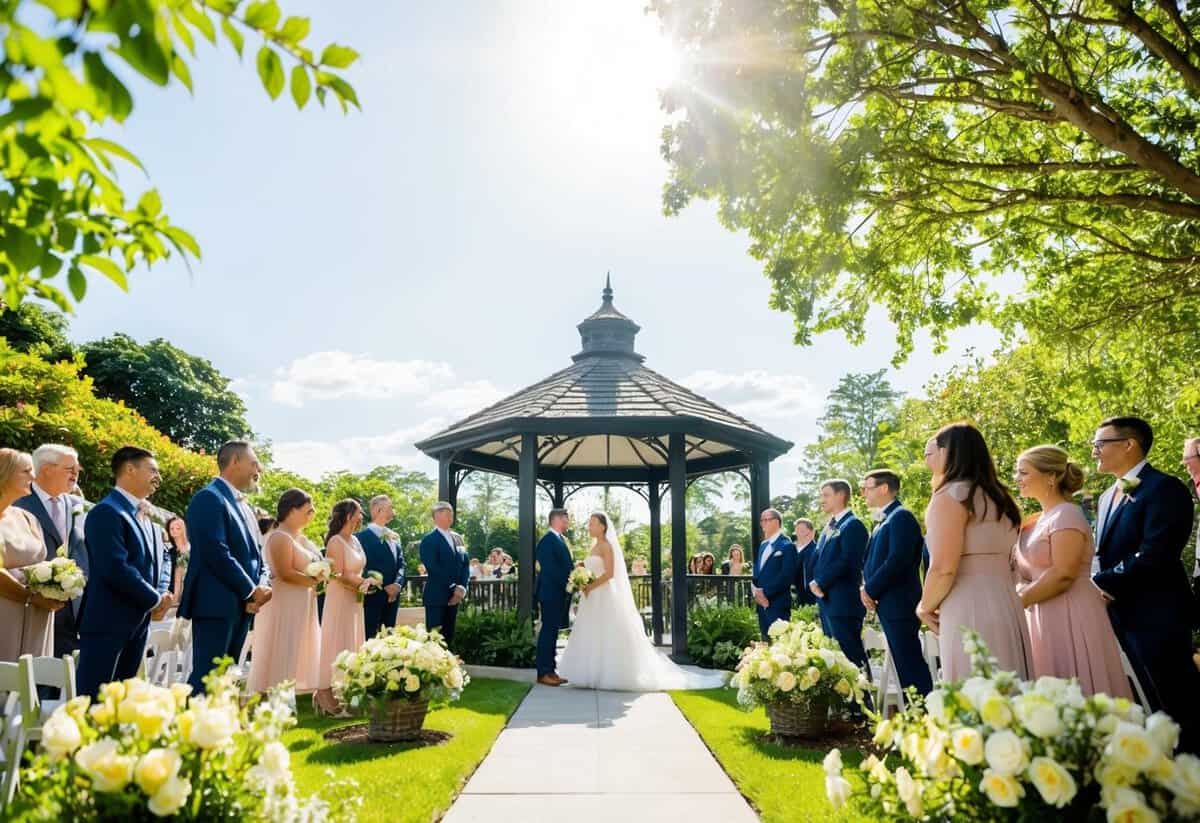
Planning your wedding involves a lot of moving parts. To make everything run smoothly, it’s essential to coordinate with vendors, create a detailed timeline, and choose the right venue. Each piece plays a critical role in making your day memorable and enjoyable.
The Role of Your Wedding Planner and Vendors
Your wedding planner is your best ally. They help you find the right vendors, like caterers, photographers, and bands. A planner can save you time and stress by coordinating schedules and managing logistics.
Make sure to communicate your vision with your planner. Their experience with wedding vendors will help you choose those who fit your needs and budget. Don’t hesitate to ask for their recommendations. Good vendors will enhance your day, making it flow effortlessly.
Creating a Smooth Wedding Timeline
A well-thought-out timeline is vital for your wedding day. Start by breaking down your schedule into key parts: getting ready, the ceremony, cocktail hour, and the reception. Make sure to plan time for family photos and personal moments.
Include buffer times between events. This allows for unexpected delays, ensuring you stay on track. A detailed wedding planning checklist can keep you organized. Share this timeline with your wedding party and vendors, so they know what to expect. Having everyone on the same page minimizes confusion.
Venue and Vendor Selection for Your Big Day
Choosing the right venue sets the mood for your wedding. Visit multiple locations to find the one that resonates with you. Think about the space needed for your guest list, a dance floor, and areas for photos.
Consider your vendors carefully. Choosing a caterer who understands your tastes is just as important as finding a talented photographer. Research and schedule tastings with caterers. Request portfolios from photographers and check reviews for bands. Ensuring each vendor collaborates well at your venue will create an unforgettable experience for you and your guests.
Financial Considerations for Your Wedding Day
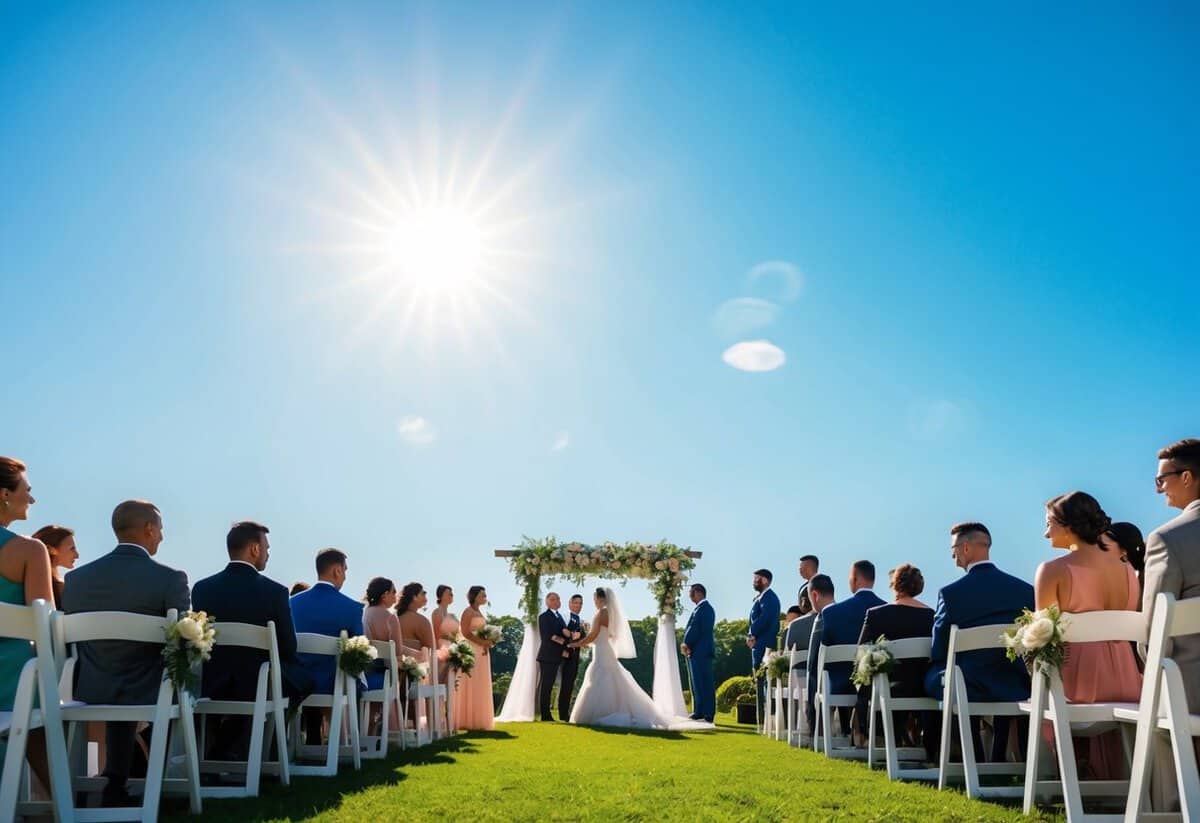
Planning your wedding involves many financial decisions. It’s important to understand how timing can impact your budget, guest attendance, and overall celebration.
Navigating Your Wedding Budget
Creating a realistic wedding budget is essential. Start by listing your priorities, like the venue, food, and entertainment. You can use online tools or apps to track expenses.
Consider allocating funds to elements that matter most to you. If you dream of a lavish reception, you may need to save on flowers or favors.
Don’t forget to factor in potential extra costs, such as permits for outdoor venues or overtime fees for vendors. This careful planning allows you to enjoy your day without financial stress.
Benefits of an Off-Season Wedding
Opting for an off-season wedding can lead to significant savings. Venues and vendors often have lower rates during slower months, usually January through March or late fall.
Choosing a weekday can also cut costs and increase availability. Many venues offer discounts for weekdays since there is less demand.
Additionally, you might receive more personalized attention from vendors during off-peak times. This can enhance your experience and make your celebration even more special.
Maximizing Your Guests’ Attendance and Enjoyment
Timing your wedding can greatly affect your guests’ ability to attend. Try scheduling your wedding on a long weekend or around popular vacation times. This allows your loved ones to take time off work easily.
Sending invitations early can also help your guests plan. If you have many out-of-town guests, give them suggestions for accommodations nearby.
Think about your wedding theme when choosing the time. An elegant evening wedding may suit formal themes, while a daytime celebration works well for casual themes. This thoughtful approach will enhance your guests’ experience and enjoyment.