
What is the Best Way to Have People RSVP for a Wedding? Simple Tips to Make It Easy!
One task that often causes stress in wedding planning is getting your guests to RSVP. You can collect RSVPs effectively by sending traditional response cards or using an online wedding website. This not only simplifies the process but also helps keep track of your guest list more efficiently.
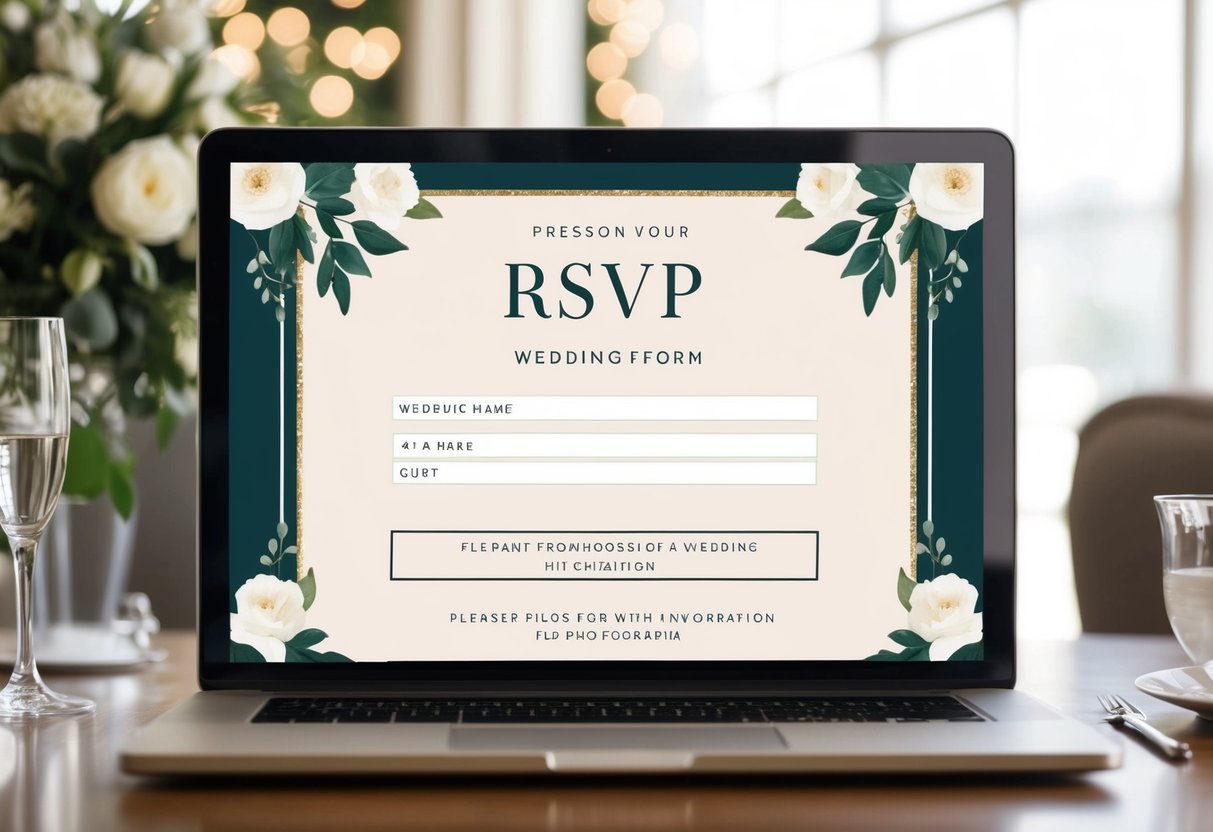
Make sure you give your guests plenty of time to respond, ideally sending out invitations about 8-10 weeks before the big day. This is especially important for your best friends and close family, as you want to ensure they can make arrangements to celebrate with you. By choosing the right method and timing, you can create a smoother planning experience.
Incorporating reminders can also help in getting those important RSVPs back. By reaching out through different communication channels, you cater to various preferences and increase your chances of a quick response. With these strategies, preparing for your wedding can be more enjoyable, allowing you to focus on what really matters—celebrating love with those you cherish.
Designing Your RSVP
Creating an effective RSVP for your wedding is essential for a smooth planning process. You want to make sure your guests can easily respond, and you have all the information needed to prepare for your big day.
Choosing the Right RSVP Format
Deciding on the format of your RSVP can make a big difference. You can opt for traditional RSVP cards, digital options, or a mix of both.
Traditional RSVP Cards
These are often included with your wedding invitations. They should be easy to fill out and return. Consider adding a self-addressed, stamped envelope for convenience.
Digital RSVPs
Using online forms makes it simple for guests to reply. Plus, you can gather data such as guest names, meal preferences, and any dietary restrictions. A link to your online RSVP can be included in the wedding invitation.
Make sure your chosen format fits your wedding style!
Information to Include on RSVP Cards
To ensure you gather all the necessary details, include specific items on your RSVP cards. Start with a clear “Please RSVP by [date]” message.
Then, provide space for the following:
- Guest Name(s): Clearly ask for the names of everyone attending.
- Attendance Confirmation: Use simple options like “Accepts with pleasure” or “Regrets.”
- Meal Preference: Offer choices if you’re planning a sit-down meal. You could ask for main dishes and any dietary restrictions.
Make sure the information is easy to understand!
Setting an RSVP Deadline
Having a clear RSVP deadline is key for your wedding planning. Typically, set this date about 3-4 weeks before the wedding. This allows ample time to finalize guest counts and meal arrangements.
Communicate the deadline clearly on your RSVP card. Consider including it in multiple places, like the main invitation and on the RSVP card itself.
Don’t forget to follow up! A gentle reminder via text or email can help you get those last few responses. This keeps your planning on track and stress-free!
Establishing an Efficient RSVP Process
A smooth RSVP process is key to a successful wedding. It ensures you know who will attend while keeping communication clear and organized. Here are some effective ways to simplify your wedding RSVPs.
Creating a Wedding Website RSVP
Building a wedding website is a great way to streamline RSVPs. You can include all the details, such as the date, time, and location. Make sure your RSVP section is easy to find and simple to use.
Consider adding a form where guests can select whether they will attend and note any dietary preferences. This not only gathers necessary information but also keeps everything in one place. A personalized wedding website can make guests feel special and share excitement about your big day.
Utilizing Online RSVP Tools
Using online RSVP tools can save you time and effort. Platforms like RSVPify or Google Forms let you create digital invitations that guests can respond to quickly.
These tools usually provide tracking options so you can see who has replied instantly. Some even send reminders to guests who haven’t responded yet. This means less stress for you and a more organized guest list to work from.
Organizing Guest Responses
Once you start receiving responses, it’s important to organize them efficiently. Create a spreadsheet with columns for names, responses, and any special notes. This allows you to keep track of your guest list at a glance.
Regularly update this list as more guests reply. You might also want to categorize responses like “attending” or “not attending.” This will help you communicate better with your venue, caterer, and any other vendors as your big day approaches.
Managing Guest Information and Preferences
Managing guest information well ensures a smooth wedding experience for you and your guests. You’ll want to keep track of who’s attending and their meal choices. This can help you communicate with your venue and caterer effectively.
Tracking Guest Count and Meal Selections
Start by creating a list for tracking guest RSVPs. You can use a simple spreadsheet or an online tool that allows you to monitor responses easily.
As guests reply, note their meal selections next to their names. This helps with accurate planning and avoids any confusion later.
Consider organizing the meal options in a table format. This way, you can quickly see who wants what:
| Guest Name | RSVP Status | Meal Preference |
|---|---|---|
| Jane Smith | Attending | Chicken |
| John Doe | Attending | Vegetarian |
Sharing this with your caterer ensures they are prepared for each guest’s meal choice. Keeping this updated helps with final headcounts too.
Handling Dietary Restrictions and Special Requests
It’s important to consider dietary restrictions to make all your guests feel welcome. When sending out invitations, include a section asking about allergies or special dietary needs.
Create a separate document where you can store this information.
Here are some examples of common restrictions:
- Gluten-free
- Vegan
- Nut allergies
Make sure to communicate this list with your caterer. They can prepare dishes that cater to specific needs.
Having this information will help you offer a thoughtful dining experience that respects everyone’s preferences.
Final Preparations and Follow-Up
As your wedding day approaches, it’s important to finalize your plans and ensure you have accurate RSVPs. This helps in organizing your seating chart and communicating effectively with your guests and vendors.
Finalizing the Seating Chart
A well-planned seating chart is essential for a smooth reception. Start by reviewing your guest list and their RSVP status. Make note of who has confirmed and who hasn’t.
Once you have an accurate guest count, consider the dynamics of your guests. Group friends and family who get along, while keeping any potential conflicts apart. You can use tools like online seating chart planners or even a simple spreadsheet to visualize placements.
Finally, print out the seating chart to display at the reception. Guests will appreciate the effort, and it will help them find their seats easily.
Communicating with Guests and Vendors
Good communication is key in the lead-up to your wedding. Stay in touch with your guests to remind them of the RSVP date. This can be done through text messages, emails, or social media updates.
For guests who haven’t replied, you can send a friendly follow-up message. Let them know how much you would love their presence on your special day.
In addition, communicate with your wedding vendors. Inform them of your final guest count and any specific requests. Whether it’s the caterer, florist, or venue manager, keeping them updated ensures everything runs smoothly.
Conducting Final RSVP Follow-Up
To get a clear picture of who is attending, conduct a final follow-up. Check your list for those who haven’t responded as the RSVP date approaches. A simple call or message can be effective.
Be friendly and understanding, as some guests may have forgotten. You could say something like, “Hi! We’re finalizing the details for the wedding and would love to know if you can make it!”
This follow-up allows you to secure a definitive guest count for food, seating, and other arrangements. Knowing how many will attend also eases communication with your vendors as the wedding day draws near.