
What is the Best Way to Start Planning a Wedding? Essential Tips for Every Couple
Planning a wedding can feel overwhelming, but it doesn’t have to be. To start planning a wedding, set a clear vision and budget first. By defining what you want, you can create a solid foundation for all your decisions ahead.
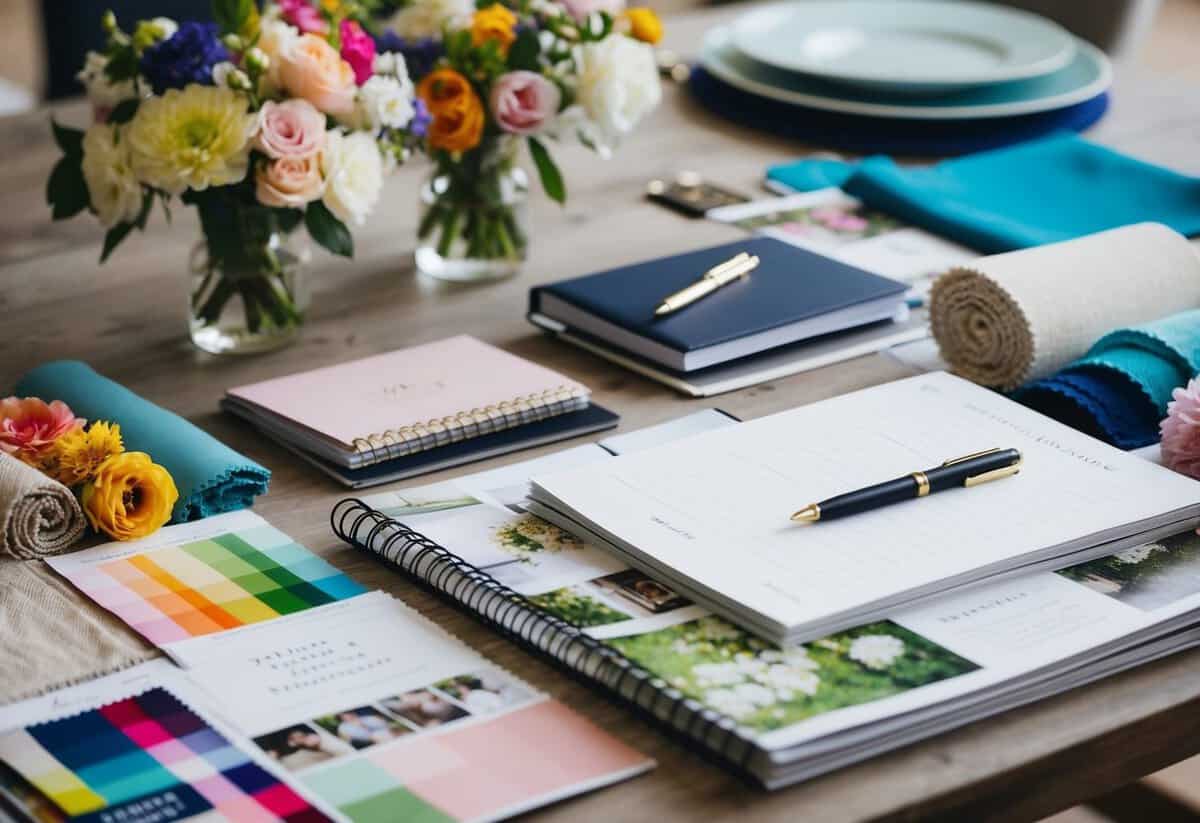
Begin by discussing with your partner about the type of wedding you both envision. Do you prefer a large celebration or a more intimate gathering? Establishing a theme will help guide your choices.
Once you have your vision, outline a wedding planning timeline to keep track of important tasks and deadlines, making the whole process more manageable.
With your vision and budget set, you can explore your options for venues, vendors, and styles that fit your ideas. This approach makes it easier to focus on what truly matters to you both and ensures a joyful planning experience. Dive in and enjoy each step of creating a memorable day!
Setting Your Wedding Vision and Priorities
To start planning your wedding, it’s important to define your vision and set your priorities. This will help you focus on what truly matters for your special day. You’ll need to determine your wedding style, create a timeline, and decide on your guest list.
Determining Your Wedding Style
Your wedding style sets the tone for your entire event. Think about what makes you happy. Do you prefer a formal theme, a casual backyard gathering, or something unique? Consider colors, decorations, and even the venue.
Make a mood board. Collect pictures of flowers, dresses, and settings that inspire you. This visual guide will help when discussing ideas with your partner and vendors.
Remember, your style should reflect you both. Don’t feel pressured by trends; focus on what feels right for your day.
Creating a Wedding Planning Timeline
A wedding planning timeline is essential. It serves as your roadmap and keeps you organized. Start by creating a timeline that spans several months to a year before your wedding date.
Begin with key dates, such as booking the venue and sending invitations. Then, break down tasks into manageable steps. For example, list important milestones like dress fittings and vendor meetings. This way, you avoid last-minute rushes and stress. An organized approach will make the planning process more enjoyable!
Deciding on Guest List and Wedding Size
Your guest list is a crucial part of wedding planning. Think about the type of wedding you want—intimate or grand. The size affects your venue choice and budget, so make this decision early.
Start by jotting down names that are a must-have in your celebration. Remember to include close family and friends. From here, you can modify the list based on your budget and venue size.
Consider how each person fits into your vision. A smaller guest list can create a more personal experience, while a larger one brings in more celebration.
Organizing the Logistics

Planning a wedding involves several logistical steps that can make a significant difference in the process. You’ll want to focus on choosing an ideal wedding date, selecting a beautiful venue, and arranging transportation and lodging for your guests.
Choosing the Perfect Wedding Date
Selecting your wedding date is one of the first and most crucial steps. Consider factors like the season, weather, and any significant dates for you or your partner.
Check for holidays or local events that might affect venue availability or guest attendance. It’s also smart to think about your guest list. A Saturday might be more convenient for most, but a weekday can save you money.
Once you have a few date options, consult with key family and friends. Their availability can help narrow down your choices.
Selecting a Dream Wedding Venue
Your wedding venue sets the tone for your celebration. Start by deciding on the style of your wedding—do you envision a beach, barn, or elegant ballroom?
Begin your search by looking at venues in your desired location. Make a list of options that fit your budget and capacity needs. Then, visit each venue to gauge the atmosphere and ask questions about services provided.
Consider the logistics of each site, including parking, accessibility, and nearby accommodations. Remember to check availability for your selected dates to streamline the process.
Arranging Transportation and Lodging for Guests
Transportation is key to ensuring your guests enjoy the day. Consider whether you need to arrange shuttles from hotels to your venue. This can be helpful, especially for larger weddings.
Provide your guests with lodging options that suit different budgets. Block book rooms at nearby hotels to make it easier for guests. This can also lead to discounts.
Share this information on your wedding website. Include details about transportation plans and accommodations for easy access. Clear communication will help everyone feel included and make planning simpler for them.
Financial Planning for Your Wedding
Planning your wedding can be exciting and overwhelming. A solid financial plan is essential to ensure you stay on track and reduce stress. Here are some key areas to focus on.
Establishing a Realistic Wedding Budget
Begin by setting a clear wedding budget. List all potential expenses like the venue, catering, flowers, and photographer.
A common approach is to determine what percentage of your budget each element will take. For example:
- Venue: 30%
- Catering: 20%
- Photography: 10%
- Flowers and Décor: 10%
- Attire: 10%
- Miscellaneous: 20%
This framework helps keep your spending within limits. Remember to account for additional costs such as tips and taxes.
Consider starting a sinking fund that allows you to save monthly for your wedding.
Understanding Costs of Wedding Elements
Knowing the costs of various wedding elements helps in making informed choices. Research local vendors to find average prices.
Common items to consider include:
- Venue rental fees
- Catering costs
- Photography packages
- Florist services
- DJ or live band fees
Look for seasonal discounts or packages that bundle services together. For example, some venues offer discounts if you book catering through them. This can save you money while simplifying your planning.
Planning a Wedding on a Budget
It is possible to plan a beautiful wedding without breaking the bank. Start by prioritizing what matters most to you. Do you prefer a stunning venue or an amazing photographer?
Consider these tips:
- DIY where possible: Create your own invitations or centerpieces.
- Limit the guest list: Fewer guests mean lower catering and venue costs.
- Choose an off-peak date: Weddings during off-peak months often have lower rates.
- Ask for help: Friends and family can assist you, from planning to decorating.
By making thoughtful choices and being creative, you can have a memorable day while keeping your finances in check.
Finalizing Details and Vendors
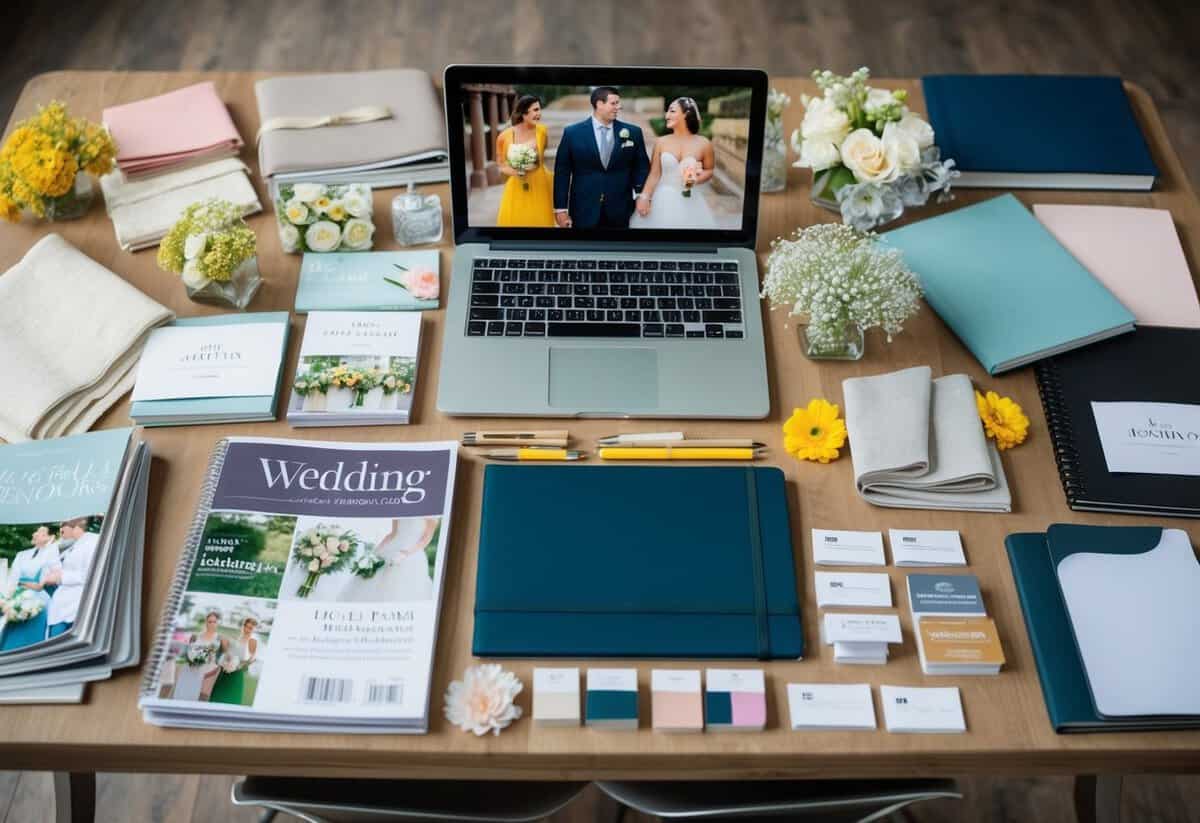
As your wedding date approaches, it’s crucial to finalize details and make sure your vendor team is in place. This stage includes hiring essential staff and curating your attire and rings. Each choice you make will help create the wedding of your dreams.
Hiring a Day-Of Coordinator or Wedding Planner
One of the best decisions you can make is to hire a day-of coordinator or a wedding planner. This person will help manage the details on your special day. They can oversee setup, direct vendors, and tackle any surprises that come up. This way, you can focus on enjoying the moment.
When choosing a planner, look for someone with positive reviews and experience in your venue type. Ask about their services and what they handle on the wedding day. A good planner can also provide planning tools and checklists to keep everything organized.
Curating Your Vendor Team
Your vendor team is vital to bringing your vision to life. This includes hiring professionals like photographers, caterers, and florists.
Make a list of all vendors you’ll need and start researching options. Read reviews and compare pricing to find what fits your budget.
When meeting with potential vendors, ask about their experience and availability for your date. It’s also helpful to see examples of their work. Once you’ve made your choices, secure your vendors by signing contracts and paying deposits to ensure they are committed to your day.
Choosing Your Wedding Attire and Rings
Choosing your wedding dress and wedding rings is an exciting part of the planning process.
Start by selecting your dress style. Then, make appointments at local bridal boutiques. Bring close friends or family to help you choose.
For rings, consider your style and lifestyle.
Visit jewelers to try on different designs and materials. Don’t forget about matching the rings with your wedding band.
Certificate of authenticity and warranty are important. These guarantees protect your investment.
Aim to finalize your attire and rings early to avoid any last-minute stress.