
What is the Best Wedding Colour Combination? A Guide to Perfect Palette Pairings
When planning your big day, choosing the right wedding colors can feel overwhelming. The best wedding color combination often blends your personal style with the mood of your venue. A well-selected color palette can tie together everything from your invitations to the floral arrangements, creating a beautiful and cohesive look.
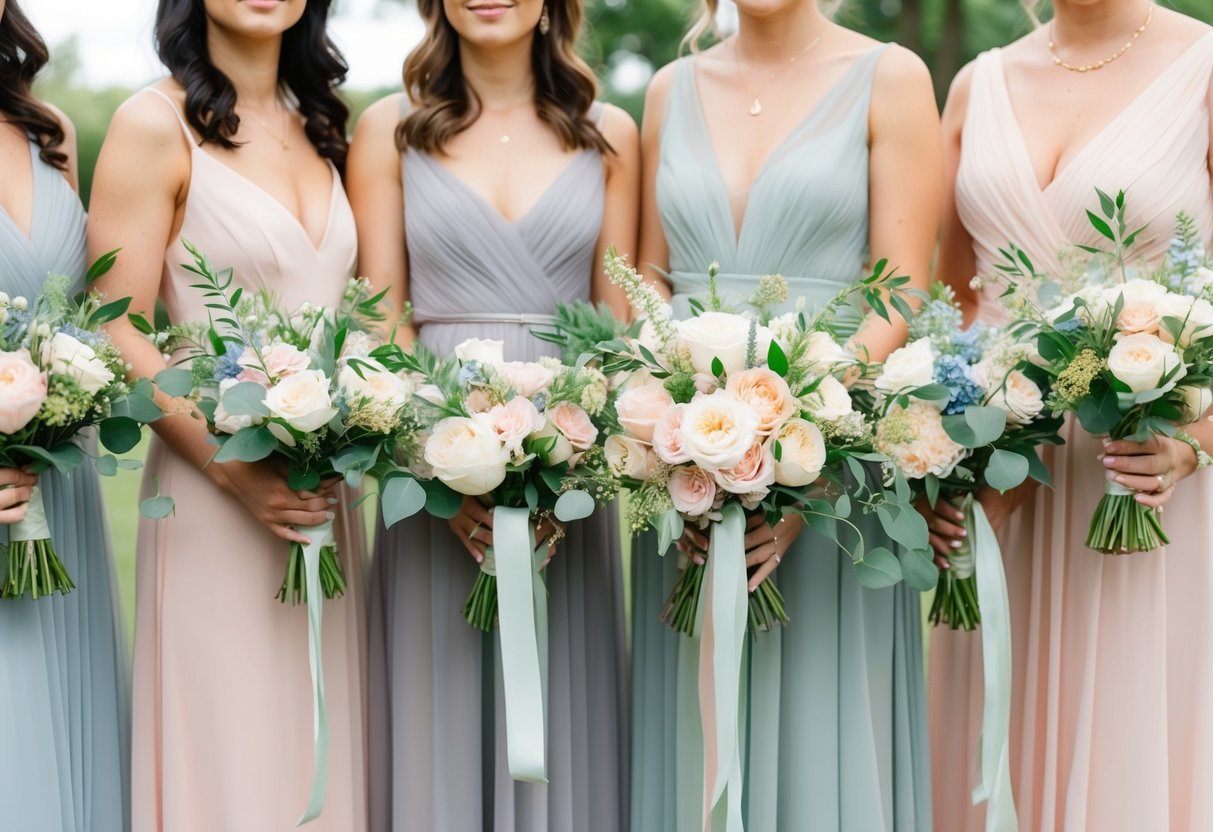
Start by thinking about colors that resonate with you. Do you prefer soft pastels, bold hues, or maybe earthy tones? The perfect wedding color scheme should reflect your personality and the season of your wedding. It’s all about highlighting what makes your celebration special while ensuring it complements the setting.
As you consider your options, remember that colors can evoke feelings and set a tone for your wedding. For instance, soft blues can create a serene atmosphere, while vibrant reds and oranges might add energy and excitement. Take your time to explore various wedding color palettes and find the combination that feels just right for you.
Color Scheme Basics
Choosing the right color scheme for your wedding can set the tone for the entire event. Understanding how colors work together will help you create a beautiful and cohesive look.
Understanding the Color Wheel
The color wheel is a helpful tool for selecting colors that complement each other. It consists of primary colors (red, blue, yellow) and secondary colors (green, orange, purple). You can create a harmony by choosing colors that are next to each other, known as analogous colors, or those opposite each other, known as complementary colors.
For example, if you pick blue as your main color, shades like green or purple can work well as accent colors. Pay attention to color temperatures too; warm colors (reds, yellows) create a lively feel, while cool colors (blues, greens) bring calmness.
Selecting a Dominant Color
Your dominant color will be the most visible throughout your wedding. It could be tied to your personal style, the venue, or the season. For instance, if you’re planning a spring wedding, soft pastels like blush pink or lavender can create a fresh look. In summer, vibrant colors like coral and turquoise can energize your décor. For a cozy fall wedding, deep hues like burgundy or mustard yellow bring warmth. In winter, classic colors like rich red and emerald green set a festive theme. Once you choose a dominant color, it will guide the rest of your palette.
Choosing Accent Colors
Accent colors add depth and interest to your main color. These shades can highlight specific decor elements such as flowers, table settings, and invitations. Choose one or two accent colors that complement your dominant color.
If your dominant shade is a bold red, consider pairing it with light gray or soft white for balance. For pastels, deeper shades like navy can add contrast without overwhelming the soft tones. Make sure your accents enhance the overall look while still being visually appealing.
Considering the Wedding Season
The season plays a significant role in color selection. Seasonal colors evoke the mood and feel of that time of year. For spring weddings, think of vibrant blooms and soft colors like peach or mint green. Summer weddings can capitalize on bright and cheerful tones like sunny yellow or ocean blue. As for fall, earthy colors like burnt orange and chocolate brown reflect the changing leaves. In winter, rich colors such as burgundy and silver can create a magical atmosphere. Aligning your colors with the season can enhance your wedding’s charm and beauty.
Wedding Style and Venue Influence
Choosing the best wedding color combination requires considering your wedding style and venue. These elements help determine which colors will create the perfect atmosphere for your big day. Let’s explore how various styles and settings can influence your color choices.
Adapting Colors to Your Wedding Style
Your wedding style is a reflection of your personal taste and the theme you want to create. Whether you’re planning a rustic, modern, or vintage wedding, your colors should align with that vision.
For a rustic wedding, earthy tones like greens, browns, and creams enhance the natural surroundings. A modern wedding might incorporate bold colors like teal, gold, or black for a chic look. If you’re leaning towards a vintage style, pastel colors and soft hues can bring out nostalgia.
Don’t forget about accents. Use metallics or bright pops of color to add depth and unique appeal. Your wedding theme should guide these choices, ensuring that each color complements others within your decor, attire, and floral arrangements.
Venue Colors and Your Palette
Your wedding venue significantly impacts your color selection. Understanding the existing colors in your venue will help you create harmony.
If your venue has warm tones, consider colors that blend well, like peach or soft yellow. A venue with cool tones might pair better with blues or greens. You want your chosen colors to enhance the space without clashing.
Also, consider the decor of your venue. Is it filled with elegant chandeliers or rustic wood? Choosing colors that match your surroundings can make your decor look more cohesive and well-planned.
Outdoor vs Indoor Settings
Outdoor weddings offer a unique opportunity to incorporate the natural environment into your color scheme. Think about the scenery: lush greens, open skies, or even beach views can inspire your palette.
For outdoor settings, vibrant colors like sunny yellows or bright blues can shine in natural light. Soft, muted colors can work well for a romantic feel.
In contrast, indoor venues can control lighting better, allowing you to experiment. You might choose deeper hues like burgundy or navy for an intimate feel that suits evening events. Indoor spaces give you more options to play with lighting and decor.
Popular Wedding Color Combinations
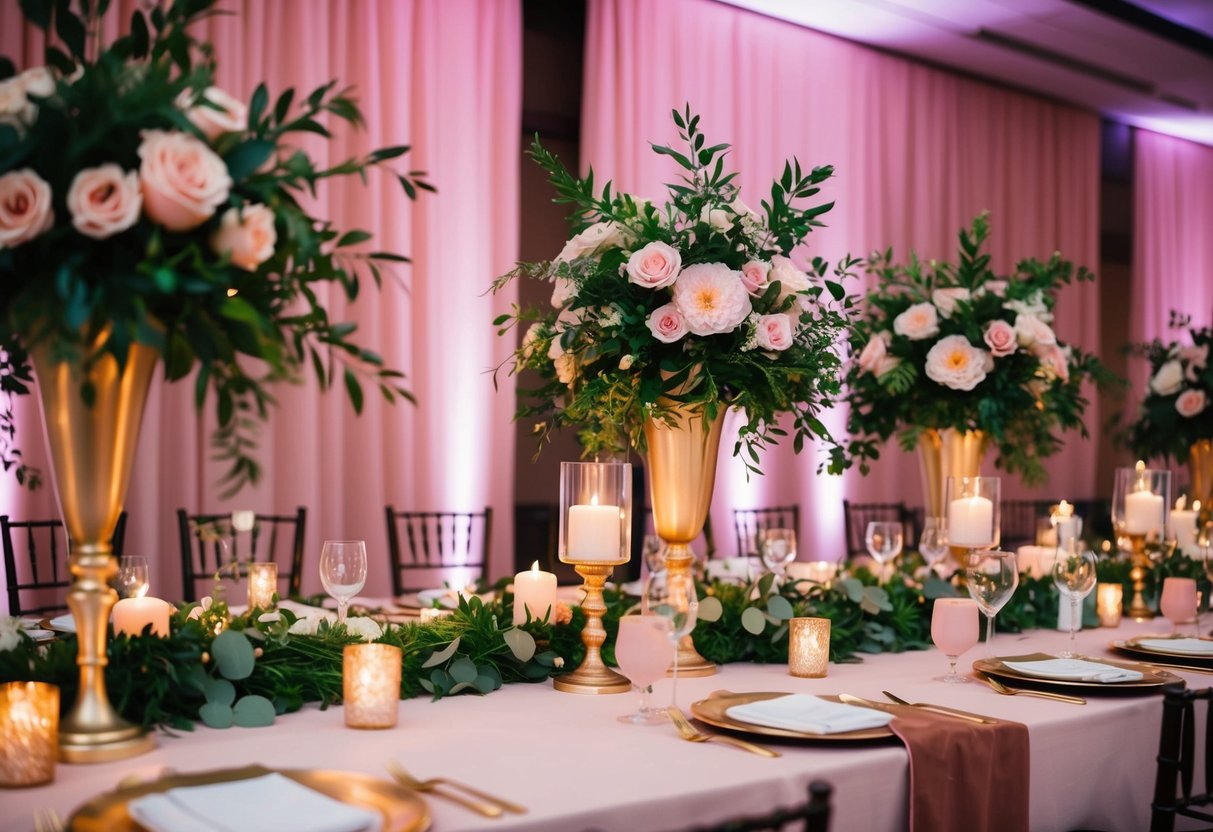
Choosing the right color combination for your wedding can make a big impact on the overall feel of the day. From classic palettes to trendy mixes, explore various options to find what resonates with you.
Classic and Timeless Palettes
Timeless color combinations are always in style. Consider shades like navy blue and gold, which offer elegance and sophistication. This pairing works well for formal settings and brings a touch of glam.
Another classic option is black and white. This combination is perfect for a chic and modern vibe. You can add floral accents in soft colors to lighten the palette.
Neutral tones like cream, taupe, and soft gray also create a serene atmosphere. This palette suits rustic charm and can be paired with greenery for a natural look. These colors never go out of style and adapt to any wedding theme.
Trendy and Unique Color Mixes
For a more modern feel, you might explore unique color mixes such as peach and turquoise. This combination is vibrant and fresh, making it suitable for a spring or summer wedding.
Another trendy choice is soft pastels with rich jewel tones. Think pale pinks alongside deep purples. This mix creates a stunning contrast that brings depth to your decor.
In 2025, Peach Fuzz has emerged as a favorite, representing warmth and connection. Pair it with muted greens or grays to balance the vibrancy. Such palettes can add a contemporary twist to your special day.
Thematic Color Inspirations
Theme-based colors can tie your wedding’s look together. For a rustic wedding, earthy colors like sage green and burnt orange work beautifully. These shades complement nature and create a cozy atmosphere.
For a beach wedding, consider aqua blue and coral. This lively combination reflects the seaside and adds a fun element to your decor.
If you’re looking for elegance, deep burgundy paired with soft blush gives a romantic feel. You can incorporate these colors into your floral arrangements, table settings, and attire for a cohesive look.
Integrating Colors Into Your Wedding
Choosing the right colors is just the beginning. To create a cohesive look, you’ll want to integrate these colors throughout your wedding. This includes floral arrangements, invitations, and reception decor.
Floral Arrangements and Centerpieces
Your choice of wedding flowers can greatly enhance your color scheme. Start by picking blooms that match your palette. For example, if your colors are blush and gold, consider using soft pink roses paired with golden accents in vases or table settings.
Centerpieces are another key area to focus on. They should draw attention and reflect your theme. Use a mix of heights and textures. Tall arrangements with cascading greenery can create a stunning visual impact. Don’t forget to include your accent colors through candles or decorative elements.
Wedding Invitations and Stationery
Your wedding invitations set the tone for your big day. Align your invitation colors with your wedding palette to create a seamless transition. Incorporate color pairings that represent your theme. For instance, a navy blue invitation could be paired with rose gold lettering.
Consider adding a mood board with fabric swatches to your invitations. This can give guests a sneak peek of what to expect. Use matching envelopes and RSVP cards to reinforce your color choices. Elegance in your stationery will excite guests about your celebration.
Reception Decor and Bridal Party Attire
Your colors can truly shine in the reception decor. Use table linens, napkins, and chair covers that reflect your theme.
For instance, if you chose emerald green, consider satin tablecloths with gold table runners for contrast.
Choose your bridal party’s attire to match or complement your colors. This could be matching ties and bridesmaid dresses in your chosen shades.
Floral crowns or accessories can also tie their looks together with the overall decor. This makes everything feel unified and thoughtfully planned.