
What Is the Bride’s Family Supposed to Pay For? A Guide to Wedding Costs
Planning a wedding can be exciting but also overwhelming, especially when you need to figure out who pays for what. Traditionally, the bride’s family is responsible for many of the major wedding expenses, including the venue, catering, and invitations. This long-standing etiquette can sometimes lead to confusion, especially in today’s world where financial independence is valued.
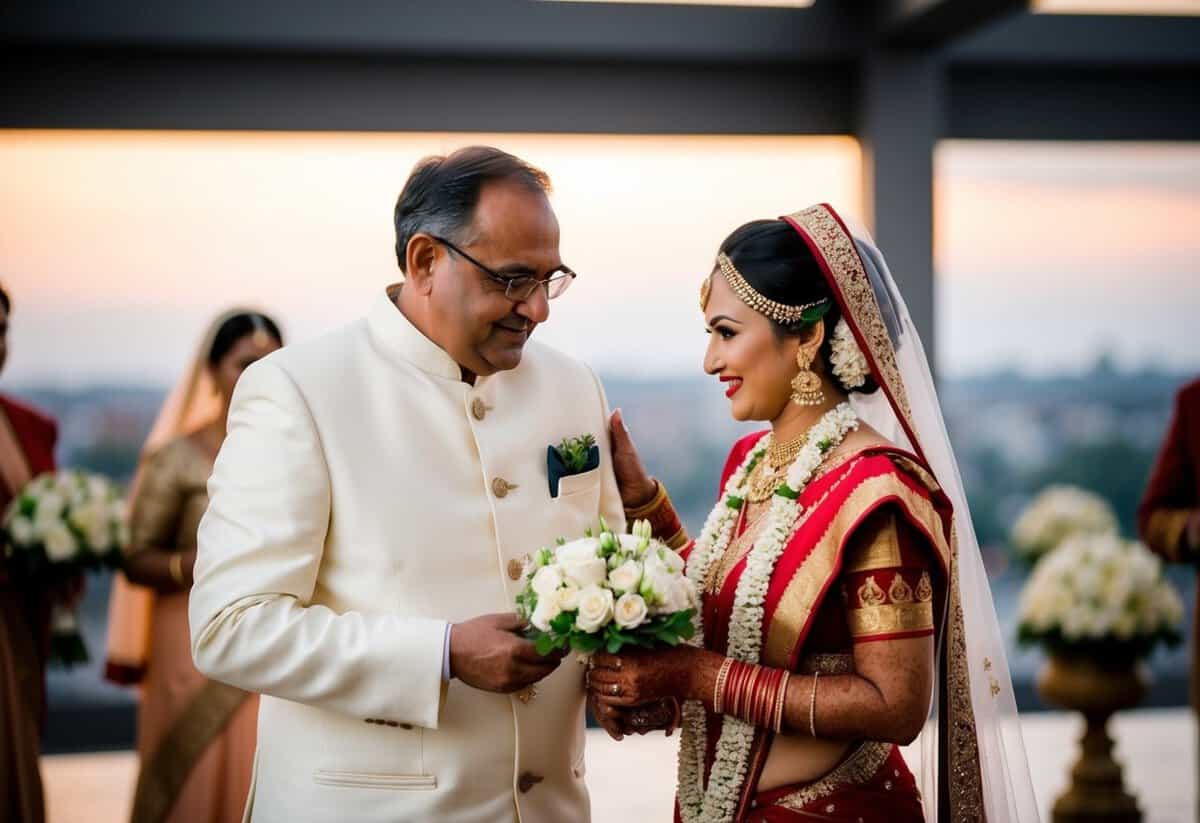
Understanding these traditional roles can help you navigate the planning process with ease. You might wonder what your family is expected to cover and how those expectations might differ from modern practices. Many families are now choosing to share the costs, creating a more balanced approach to financing the big day.
By delving into the specifics of what the bride’s family traditionally pays for, you can better prepare for your wedding budget and ensure that everyone is on the same page.
Let’s explore these traditions and see how they can fit into your unique wedding planning journey.
Pre-Wedding Celebrations
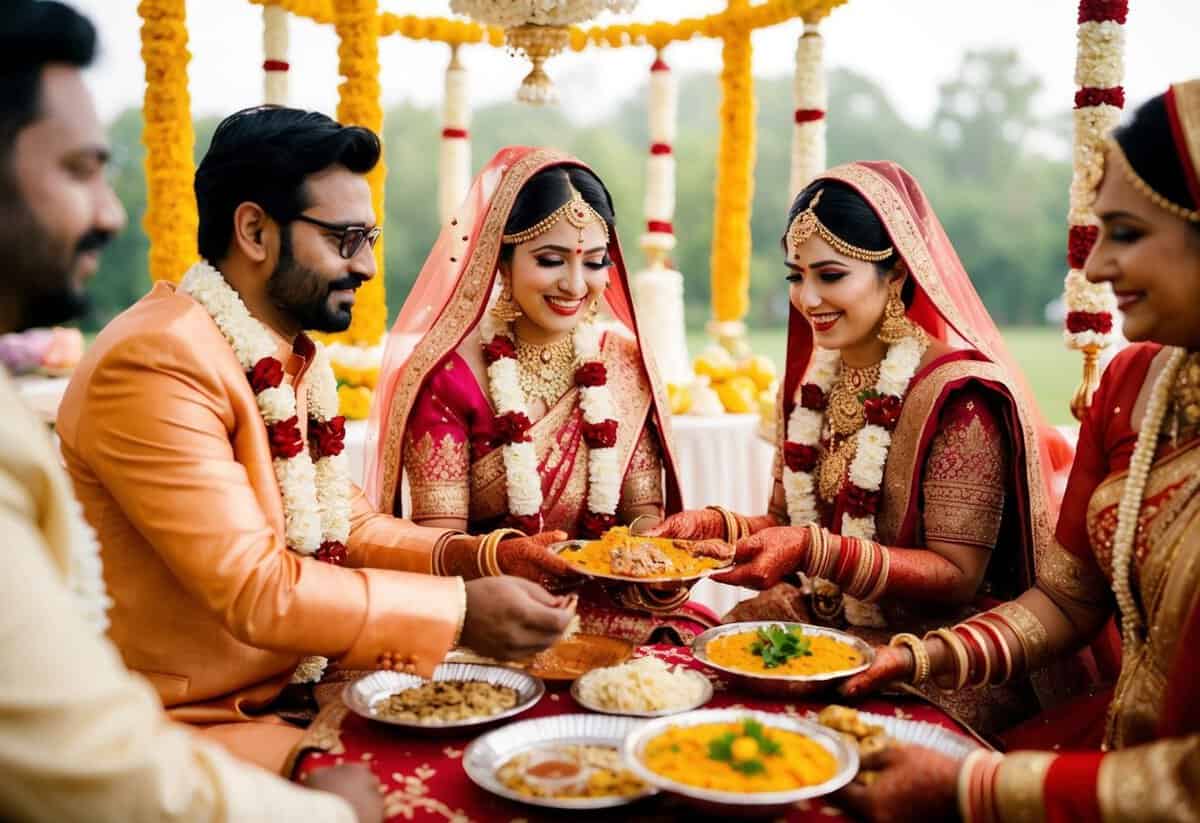
Pre-wedding celebrations are exciting events that help set the stage for your big day. These gatherings often involve family and friends coming together to celebrate the upcoming wedding and can include several special occasions, including the engagement party, bridal shower, and rehearsal dinner.
Engagement Party Costs
An engagement party is often the first celebration you’ll have as a couple. Traditionally, the bride’s family hosts this event. However, it can also be shared among both families.
Cost Coverage
- The bride’s family typically pays for the venue, food, and drinks.
- You may also want to consider costs for decorations and invitations.
The engagement ring serves as a symbol of your commitment. Even though the costs can add up, it’s important to keep the celebration enjoyable and personal. Keep your guest list manageable to make the event more intimate.
Bridal Shower Budgeting
The bridal shower is a special gathering focused on the bride-to-be. Usually, the bridesmaids or close friends organize this event, but sometimes the mother of the bride may assist with planning.
What to Consider
- The cost of the venue, food, and gifts are key expenses.
- Activities like games or prizes can add extra fun but may also increase your budget.
It’s common for guests to help by bringing light refreshments. You can keep things simple yet elegant with easy decorations. Encourage creativity while planning so it reflects your personality, making for memorable moments.
Rehearsal Dinner Responsibilities
The rehearsal dinner usually happens the night before the wedding. This gathering is a way to thank those involved in your wedding party, including the groomsmen and bridesmaids.
Payment Details
- Traditionally, the groom’s family covers this event.
- The costs often include the venue, food, and drinks.
You might choose a casual setting or a more formal experience. This dinner sets up a relaxed atmosphere for guests to bond before the big day. Be sure to communicate your preferences to keep it smooth and enjoyable for everyone involved.
Ceremony and Reception Essentials

When planning a wedding, understanding what the bride’s family typically pays for can help you set a clear budget. Several key areas like the venue, catering, attire, and decorations will require careful consideration and planning.
Venue and Catering Contributions
The wedding venue is one of the largest expenses. You are often responsible for booking a beautiful space that reflects the couple’s style. This could be a church, ballroom, or outdoor area.
In addition to the venue, catering plays a crucial role. You will cover the costs for food and drinks, which can vary based on the number of guests and menu choices. Popular options include buffet-style meals, plated dinners, or even food stations. Don’t forget to include costs related to the wedding cake, as it typically falls under catering expenses.
Wedding Attire and Styling
Another important area is the bride’s attire. This includes the wedding gown as well as accessories like shoes, veils, and jewelry. A good wedding dress can be a significant part of your budget, so it’s wise to research options that match your style and budget.
In addition to the dress, hair and makeup services are often included in your contributions. Hiring professionals can help the bride feel confident and look stunning on her big day. Consider booking a trial session before the wedding to ensure everything goes as planned.
Floral Arrangements and Decorations
Floral arrangements add beauty and elegance to a wedding. You will typically be responsible for funding the bouquets, boutonnières, and other floral decorations. The flowers you choose can greatly impact the overall theme.
In addition to flowers, decorations are essential for setting the mood. This can involve renting items like linens, centerpieces, and lighting. Work closely with a florist or decorator to create a cohesive look, keeping your budget in mind while achieving the desired atmosphere.
Photography and Videography Investments
Capturing the special moments of the day is vital. You will generally pay for both photography and videography services. A skilled wedding photographer can expertly document the event, ensuring you have beautiful memories to cherish.
Videography is also a wonderful way to capture the day in action. A professional videographer can create a highlight reel that brings back all the emotions of the day. Be sure to check packages that fit your budget. Investing in quality services in these areas can make a significant difference in preserving your wedding memories.
Additional Wedding Considerations
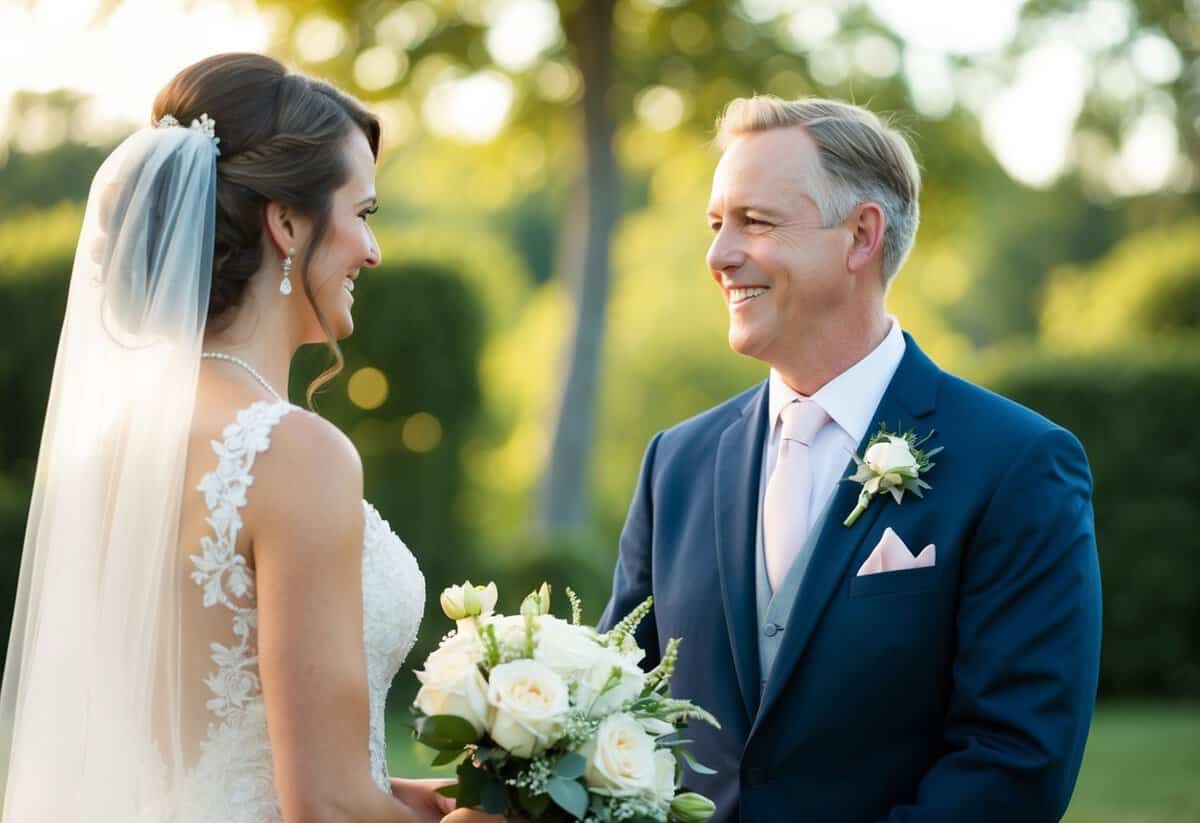
When planning a wedding, there are various elements to think about beyond the main costs. It’s essential to consider postwedding events and the gifts for your wedding party. Both play important roles in making your celebration memorable and showing appreciation to those involved.
Postwedding Events and Courtesy
After the big day, consider hosting a postwedding brunch. This gesture allows you to celebrate with close friends and family, especially those who traveled far to attend. You might cover the venue and meal costs, making it a warm and inclusive gathering.
You’ll also need a few other things. If you plan on having a bachelorette party, you are expected to contribute to this event. It usually involves some costs, such as activities, meals, and possibly transportation. Additionally, remember to pay for your marriage license and officiant fee, as these are essential for the legal part of your ceremony.
Gifts for the Wedding Party
Showing gratitude to your wedding party is important. You should consider giving personalized gifts for your bridesmaids and groomsmen. These could range from custom jewelry to meaningful keepsakes. Recognizing their support during the planning and on your special day is a nice touch.
In addition to personal gifts, thank-you notes can go a long way. Sending a heartfelt message to each member expressing your appreciation is a lovely gesture. You can include thoughtful words reflecting your shared experiences. Also, keep in mind any expenses for stationery.