
What Is the Bride’s Family Supposed to Pay For? Key Wedding Expenses Explained
When planning a wedding, you need to know who traditionally covers the costs. Typically, the bride’s family pays for a significant portion of wedding expenses, including the wedding dress, invitations, flowers, and the reception. Understanding what falls under their responsibility can help you better manage your wedding budget and expectations.
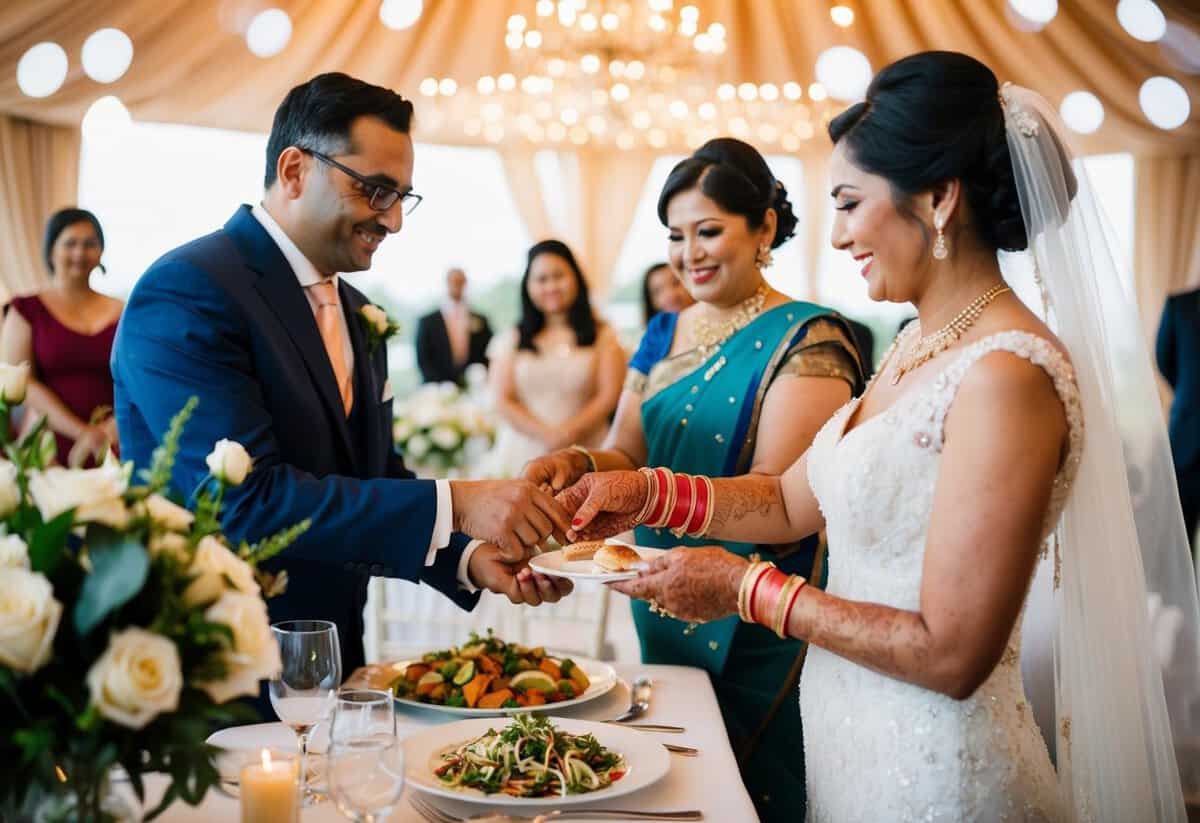
If you’re navigating the wedding planning process, it’s good to be aware of these costs upfront. While customs can vary, many brides’ families find themselves covering expenses like the wedding planner, photography, and even the groom’s ring. This shared responsibility is important in setting a clear budget right from the start, making planning easier for everyone involved.
As you explore the roles of each family in your wedding plans, knowing what the bride’s family typically covers can provide clarity. Having this information helps you communicate effectively with your partner and families, ensuring a smoother planning process overall.
Traditional Financial Responsibilities
When planning a wedding, the bride’s family typically covers several key expenses. These responsibilities may vary by tradition but often include costs related to celebrations, attire, and various details on the wedding day.
Engagement Celebrations
You may want to host an engagement party, which is a special way to announce your upcoming nuptials. Traditionally, the bride’s family pays for this celebration. Costs could include venue rental, catering, and decorations. If you choose to have this event, it’s important to set a budget and think about the guest list early on.
In addition to the engagement party, the bride’s family often covers the cost of the engagement ring. This symbolizes commitment and is a significant part of many wedding traditions. You may also consider small expenses related to the marriage license and officiant fee, though these can sometimes be shared between both families.
Ceremony Costs
The ceremony is a focal point of the wedding and incurs various costs. Traditionally, the bride’s family covers significant fees, including the officiant’s payment, which can vary based on their experience and location.
You will also need to think about the venue for the ceremony. Costs here can include rental fees and any necessary permits. Make sure to budget for floral decorations as well, as beautiful arrangements can enhance the setting.
Bridal Attire and Beauty
One of the bride’s family’s most recognized responsibilities is the bride’s attire. This typically includes the wedding gown, which can range from modest to extravagant. You should plan ahead, allowing time for fittings and alterations.
Additionally, hair and makeup costs are often covered. Hiring a professional can ensure you look your best on your special day. Don’t forget to budget for your bridal bouquet, which is another significant expense. It adds beauty to your look and complements the theme of the wedding.
Wedding Day Details
On the big day, the bride’s family usually takes care of several key details. This can include costs for floral arrangements, decorations, and entertainment. Traditional etiquette often dictates that these expenses fall to the bride’s family, adding to the overall experience for everyone involved.
If you want a stress-free day, consider hiring a coordinator to manage these details. Doing so can help ensure everything runs smoothly from the ceremony to the reception, allowing you to enjoy your celebration fully.
Pre-Wedding and Reception Planning

Planning a wedding involves many details, especially regarding pre-wedding preparations and reception activities. This is a significant time for the bride’s family, as they traditionally cover various expenses.
Invitations and Stationery
Your wedding invitations set the tone for the event. They should reflect your style and formality. The bride’s family typically pays for both the invitations and any additional stationery, such as save-the-date cards and thank-you notes.
When selecting invitations, consider the design, paper quality, and printing method. Discuss your budget with a vendor to ensure you make choices that fit. It’s also important to address all invitations properly, so guests feel welcomed. Remember, elegant invitations can create excitement and anticipation for your big day.
Rehearsal Dinner
The rehearsal dinner usually takes place the night before the wedding. This gathering is meant for immediate family, the wedding party, and close friends to celebrate together. Traditionally, the bride’s family pays for this dinner.
Choose a location that suits your style and budget. It can range from a casual restaurant to a more formal venue. Plan a menu that caters to various dietary needs to ensure everyone enjoys the meal. This event is a great chance to express gratitude to your guests while easing pre-wedding nerves.
Venue and Catering
The wedding venue and catering are two of the largest expenses in the budget. The bride’s family typically pays for the ceremony and reception venues. These places set the backdrop for your wedding day, so choose a location that matches your vision.
Catering options include buffet, plated meals, or food stations. Work closely with caterers to create menus that reflect your preferences. Don’t forget about the wedding cake, which is often included in the catering package. Discuss all these aspects to match your theme and ensure a memorable dining experience.
Decorations and Floral Arrangements
Decorations and floral arrangements play a crucial role in creating the wedding atmosphere. The bride’s family traditionally covers these costs. Consider color schemes and themes when selecting flowers and decor.
Common floral arrangements include bouquets, centerpieces, and boutonnieres. Coordinate with a florist to choose seasonal blooms that fit your style. Additionally, think about candles, table settings, and any rental items needed for the reception. These details enhance the venue and make the celebration feel special.
Day-Of Wedding Contributions

On the big day, certain costs typically fall on the bride’s family. These contributions are crucial for ensuring that everything runs smoothly and that memories are captured perfectly. Let’s take a closer look at some key areas of focus.
Photography and Videography
You will likely want to capture all the special moments of the day with professional photography and videography. The bride’s family traditionally covers the costs for hiring a wedding photographer and videographer.
It’s important to choose someone whose style matches your vision. Bring a list of must-have shots to your photographer. This could include family portraits, the ceremony highlights, and candid moments during the reception. Don’t forget about the videographer, who will record key moments and create lasting memories.
Allocating funds for both photography and videography ensures that these precious memories are preserved forever.
Transportation and Logistics
Transportation is another area where the bride’s family usually has responsibility. This can include arranging and paying for transportation for the bridal party and family members to the wedding venue.
Consider hiring a classy limousine or a vintage car for the bride and her family. You may also want to organize shuttles or other vehicles for guests, especially if the ceremony and reception are held at different locations.
Additionally, you will need to think about the getaway car for the newlyweds. Including this in your budget helps make sure everyone arrives on time and enjoys the day without stress.
Reception Entertainment
Your reception will need lively entertainment, usually funded by the bride’s family. This often includes hiring a wedding band or DJ to keep the party going.
When selecting entertainment, consider the type of music that fits your style. A live band can create a fun atmosphere, while a DJ may offer a wider range of song choices.
Also, think about any additional entertainment options, such as photo booths or live performers, which can enhance the experience for you and your guests. Allocating funds for these elements can make your wedding reception memorable and enjoyable for everyone.
Post-Wedding and Additional Aspects
After the wedding, there are several important financial responsibilities and traditions that involve the bride’s family. These can include contributions to the honeymoon, hosting follow-up events, and expressing gratitude through gifts.
Honeymoon Contributions
Traditionally, the bride’s family may help with honeymoon costs. This often covers travel expenses, accommodations, or activities that the couple has planned.
You might want to discuss what part of the honeymoon the bride’s family can contribute to. For example, you could cover flights or a special dinner at a nice restaurant. This assistance can lighten the financial load on the newlyweds, allowing them to enjoy this special time together without worrying too much about expenses.
Follow-Up Events
Another aspect is hosting follow-up events like a post-wedding brunch. This event serves as an opportunity for close family and friends to gather and celebrate once more.
You might also consider organizing casual get-togethers for guests who traveled from far away. This could include drinks or snacks to thank them for attending. Invitations can be more casual than the wedding, making it a fun and relaxed occasion for everyone involved.
Gifts and Gratitude
After the wedding, you must express gratitude. Wedding gifts are often sent to the couple, but the bride’s family can also give thoughtful gifts to the wedding party.
This could include items like engraved jewelry for bridesmaids or personalized gifts for best men. You might also consider writing thank-you notes to guests who attended. This will show appreciation for their support.
Thoughtful gestures can go a long way in maintaining relationships built during the wedding.