
What is the British Seating Etiquette? A Guide to Dining and Social Norms
When you think of British etiquette, you might picture formal dinners and polished manners. Understanding seating etiquette is an essential part of this culture. Proper seating arrangements show respect and create a harmonious dining experience, whether it’s a casual meal with friends or a formal business dinner.
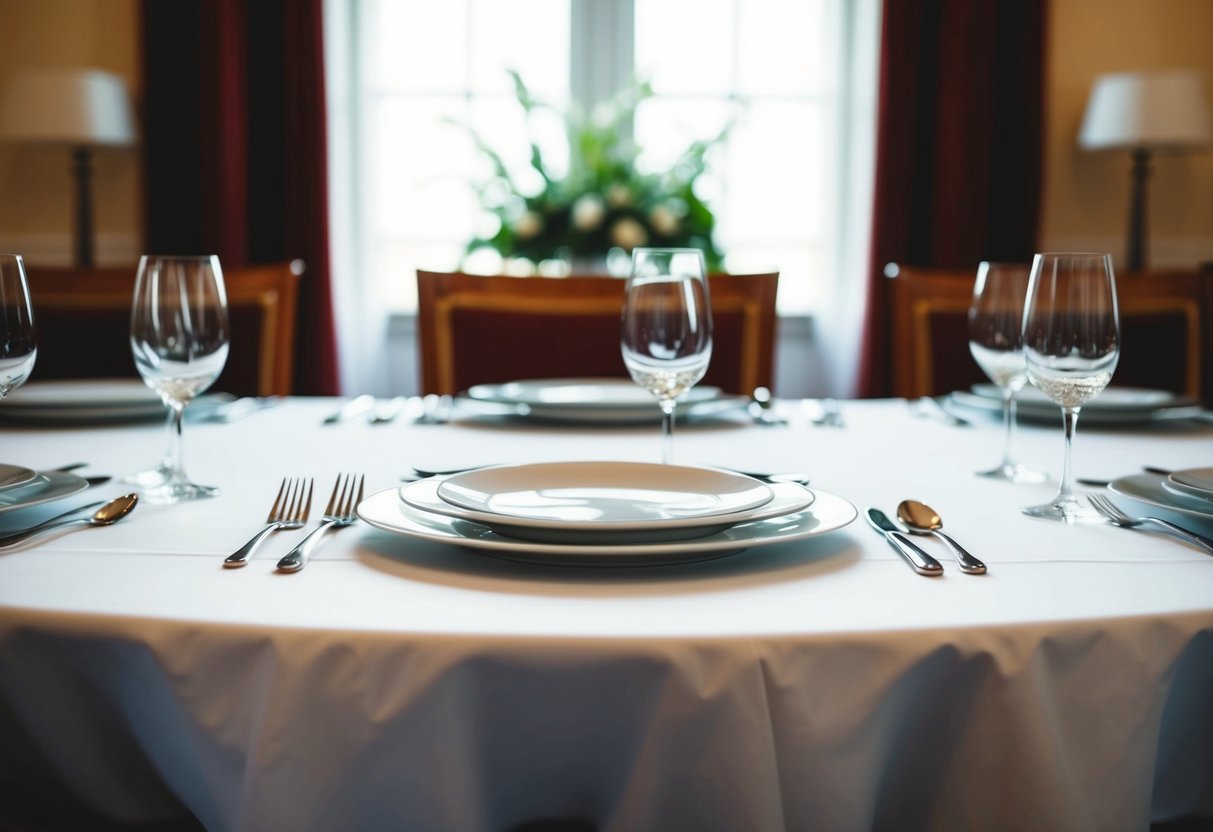
In British society, the host typically decides where everyone sits, and you must stay in your assigned seat. This practice not only maintains order but also signals the importance of each guest. Your position at the table can reflect your relationship with the host and your standing in the group, aligning with the saying, “Manners Maketh Man.”
As you navigate dining events, knowing a few key seating etiquette rules will help you make a great impression. By following these customs, you’ll ensure that you blend seamlessly into any social setting in the UK.
Understanding British Seating Etiquette
British seating etiquette is all about respect and tradition. Knowing how seating arrangements work can set the tone for a formal dinner and ensure that everyone feels comfortable. Understanding the roles of the host and hostess, as well as where the guest of honor should sit, is important for a successful gathering.
The Role of the Host and Hostess
As the host or hostess, your role is crucial in setting the atmosphere for the dinner. You should greet your guests warmly and guide them to their seats with care. A polite invitation to sit helps everyone feel welcome.
Typically, the host sits at the head of the table while the hostess sits next to you. This positioning shows leadership and helps guide conversation. It’s also your job to ensure that guests are evenly mixed and that no one feels left out.
Seating Arrangements and the Guest of Honor
When it comes to seating arrangements, placing the guest of honor correctly is key. This person should usually be seated to your right. This position signifies their importance and makes it easier for you to engage them in conversation.
The other guests should be seated based on their relationships and interests. Aim for a balanced mix to encourage lively interactions. Avoid seating close friends next to each other, as this can limit opportunities for new discussions.
Remember, thoughtful seating arrangements foster better conversations and a more enjoyable evening for everyone involved.
Table Setting Fundamentals
Knowing the basics of table setting is essential for creating an inviting atmosphere during meals. A well-arranged table can enhance the dining experience, making it comfortable and enjoyable for everyone.
The Correct Placement of Cutlery
When setting your table, the placement of cutlery is vital. Start with the fork on the left side and the knife to the right. The knife should be placed with the blade facing the plate.
For a formal dinner, include different pieces for each course. For example, add a soup spoon to the right of the knife if serving soup. Arrange dessert utensils above the plate.
Remember, if you have multiple courses, place the utensils in the order they will be used. This method helps guests easily identify which utensils to use for each dish, promoting a smooth dining experience.
Crockery and Silverware Placement
Crockery, including plates and bowls, should be centered in front of each seat. The main dinner plate is your foundation, and any additional plates should stack neatly on top.
Silverware should properly align with your crockery. Ensure the bottom of the utensils is in line with the edge of the plate. If you are using bread plates, place them to the left above the forks.
For glasses, position them above the knife, moving from right to left. This arrangement helps with easy access to drinks while maintaining an organized look on your table.
The Purpose and Placement of Place Cards
Place cards help guests find their seats and can also serve as a personal touch. When setting up place cards, consider their placement carefully.
Position each card above the corresponding plate. This placement makes it easy for your guests to see where to sit without confusion.
You can personalize cards with names or even small notes, adding a thoughtful element to the meal. Keep the design simple and elegant, as it reflects the formality of your gathering.
Formal Table Setting Essentials
A formal table setting requires specific items to create an elegant dining atmosphere. Start with a tablecloth, preferably in a neutral or soft color.
Include essential items like chargers, which are larger plates placed under the dinner plate. They add style and help catch any spills.
For glassware, provide a water glass, red wine glass, and white wine glass. Place these to the right of the knives, ensuring they do not overcrowd the area.
Lastly, add napkins. You can fold them into elegant shapes and place them on the plate or to the left of the forks. Each element contributes to a harmonious dining experience, making it enjoyable for all.
Mastery of Dining Manners
Mastering dining manners is essential for enjoying meals and making a good impression. Understanding basic table rules, the proper way to pass dishes, and the use of finger bowls can enhance your dining experience.
Basic Manners at the Table
When you sit at the table, remember a few key rules. Keep your elbows off the table while eating, as it shows respect for others around you. Hold your utensils properly; the knife is held in your right hand and the fork in your left.
Always chew with your mouth closed and avoid speaking while you have food in your mouth. This shows consideration for fellow diners. If you need to excuse yourself, politely ask to be excused and place your napkin on your chair.
The Etiquette of Passing Dishes
Passing dishes correctly is crucial in British dining etiquette. When someone asks for a dish, always serve it from the left side. This practice ensures that the person asking can easily reach the dish. If you are passing food, use your right hand and avoid reaching across others.
It’s polite to pass food items in the direction of the person requesting them. For instance, if someone asks for the salt, pass the salt along with the pepper, as they are often used together. This small act shows attentiveness and consideration.
Navigating the Use of Finger Bowls
Finger bowls are a unique part of British dining etiquette. You may find them at a formal meal, usually filled with water and possibly a slice of lemon. They are for cleansing your fingers after eating certain foods, such as shellfish.
To use a finger bowl correctly, gently dip your fingers in the water. Wipe your fingers on the napkin afterward, but avoid bringing the bowl closer to your mouth. This maintains a level of formality that is appreciated in British dining.
Special Considerations
When attending a dining event in a British setting, certain special considerations can enhance your experience. This includes paying attention to the dress code and understanding the etiquette for business dining.
Dress Code for Formal Dinners
The dress code for formal dinners in the UK can vary. Generally, smart attire is expected. For men, a suit and tie or a tuxedo is common for evening events. Women often wear elegant dresses or formal outfits.
Remember to consider the venue and occasion. Some places may specify “black tie” or “cocktail attire,” so check the invitation. It’s also polite to avoid overly casual clothing, such as jeans or sneakers, unless explicitly stated.
Accessories can add a nice touch. For example, understated jewelry for women and polished shoes for men will elevate your look. Dressing appropriately shows respect for the hosts and the occasion.
Etiquette for Business Dining
In a business dining setting, the atmosphere is typically more formal. Arrive on time; punctuality is a sign of respect. When you sit, wait for everyone to sit before you start eating.
Use appropriate table manners. Keep your hands on the table, but not your elbows. Pass dishes to your left and wait until the host begins the meal. It’s polite to engage in light conversation.
During business meetings, focus on the discussion without dominating the conversation. Avoid sensitive topics like politics or religion. Also, be mindful of any cultural differences if dining with international colleagues. This attention to detail will make a positive impression.