
What is the Buy the Bride Tradition? Exploring Its Origins and Significance
Weddings are filled with traditions, and one that stands out is the practice of the groom buying a gift for the bride. This tradition symbolizes love and commitment, reflecting the deep connection between the couple and the start of their life together. While this custom has evolved over time, it often includes gifts that range from meaningful jewelry to memorable experiences.
Many couples choose to embrace this tradition, viewing it as an opportunity to express their feelings on their special day. It can be a personal and intimate moment that adds even more significance to the wedding celebration. Whether you see it as a must-do or a nice gesture, understanding this tradition can deepen your appreciation for the wedding experience.
As you plan your big day, consider how the “buy the bride” tradition might fit into your celebration. It’s a chance not only to honor your partner but also to create a lasting memory that you’ll cherish as a couple.
History and Origin of Buy the Bride Tradition
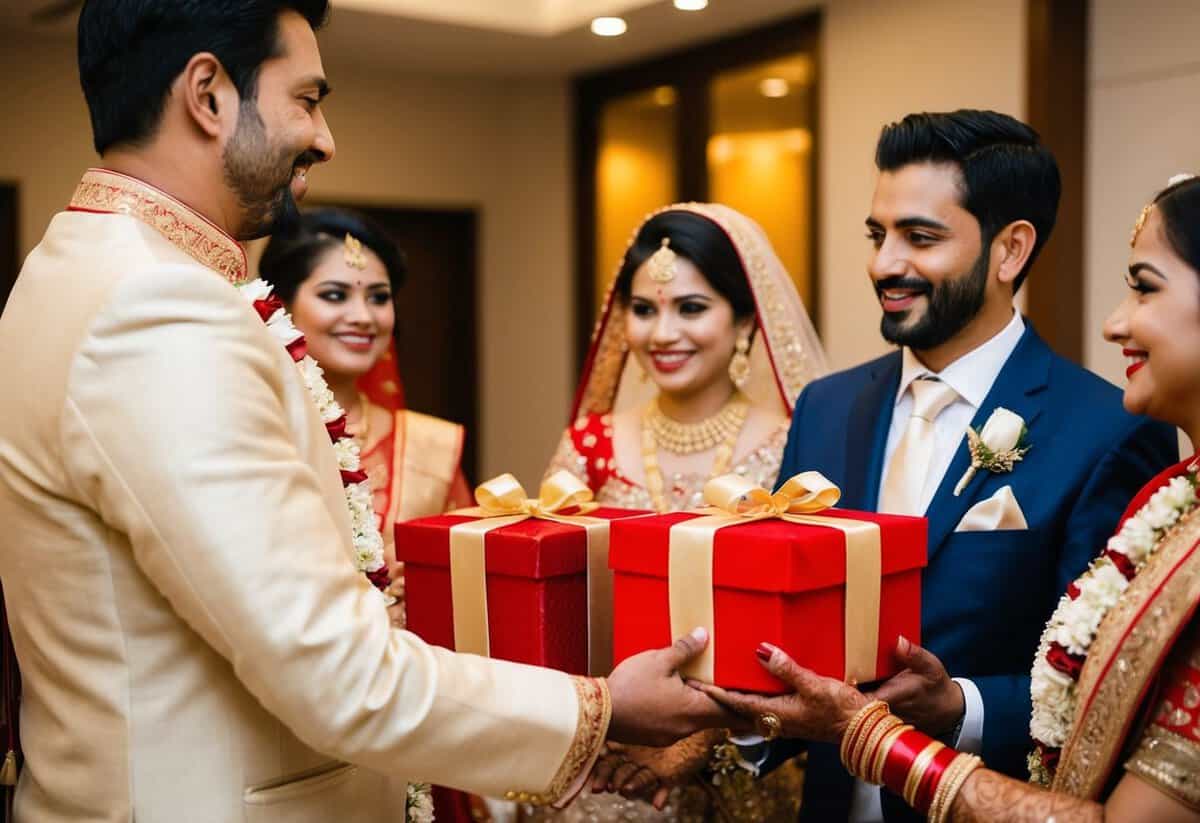
The “buy the bride” tradition has deep historical roots that vary across cultures. Understanding its cultural significance and how it has evolved over time can provide insight into present wedding customs.
Cultural Significance
In many societies, the buy the bride tradition symbolizes the joining of two families. It often involves the groom’s family providing resources or gifts to the bride’s family. This act is seen as a show of respect and commitment, reaffirming the importance of family ties in marriages.
In some cultures, this tradition supports the bride’s family economically. It can also represent the social status of families involved. For example, more valuable gifts might indicate higher status. In regions where this practice is common, it often reflects underlying beliefs about gender roles, family honor, and societal expectations.
Evolution Over Time
The buy the bride tradition has transformed significantly throughout history. Initially, it was a simple exchange of goods for marriage rights, often tied to survival needs or economic stability. Over time, it has become more symbolic and less transactional in many cultures.
Today, many places have adapted this tradition to fit modern values. In some societies, there may be greater emphasis on mutual consent between partners rather than a strict exchange of goods. The tradition now varies widely; in some regions, it’s a small part of the wedding celebration, while in others, it remains a central theme.
Understanding the Tradition
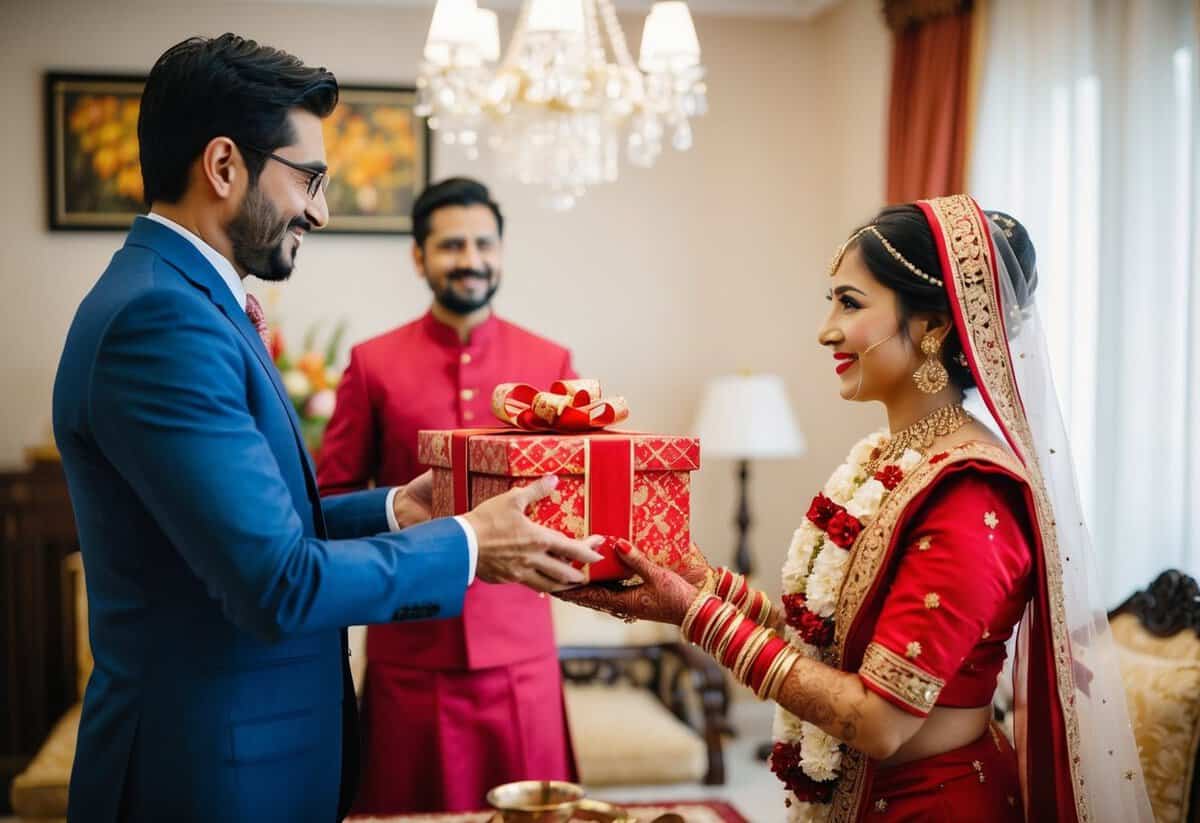
The tradition of buying a bride can take different forms across cultures, involving practices like dowry and bride price. Each has its own significance and implications for both parties involved.
Dowry vs. Bride Price
Dowry is a practice where the bride’s family provides gifts or money to the groom’s family. This often includes items like jewelry, furniture, or even land. The dowry can symbolize the bride’s worth and the family’s support.
In contrast, bride price refers to the groom or his family paying a sum to the bride’s family. This payment is often seen as compensation for the loss of the bride’s labor and potential contributions to her family. The bride price can also serve as a commitment to the bride and her well-being.
Both practices reflect cultural values and social structures, influencing marital arrangements in significant ways.
Modern Interpretations
Today, views on the dowry and bride price are evolving. Many people see these practices as outdated, promoting the idea that marriage should be based on love and equality.
In some areas, couples are choosing gift exchanges instead. These gifts can be symbolic of the couple’s commitment to each other, rather than transactions between families.
This shift is encouraging conversations about gender equality and personal choice in marriage. It allows couples to define their relationships without traditional financial expectations. You might find that some cultures embrace both new and old practices, blending them to fit modern values.
The Practice in Contemporary Weddings
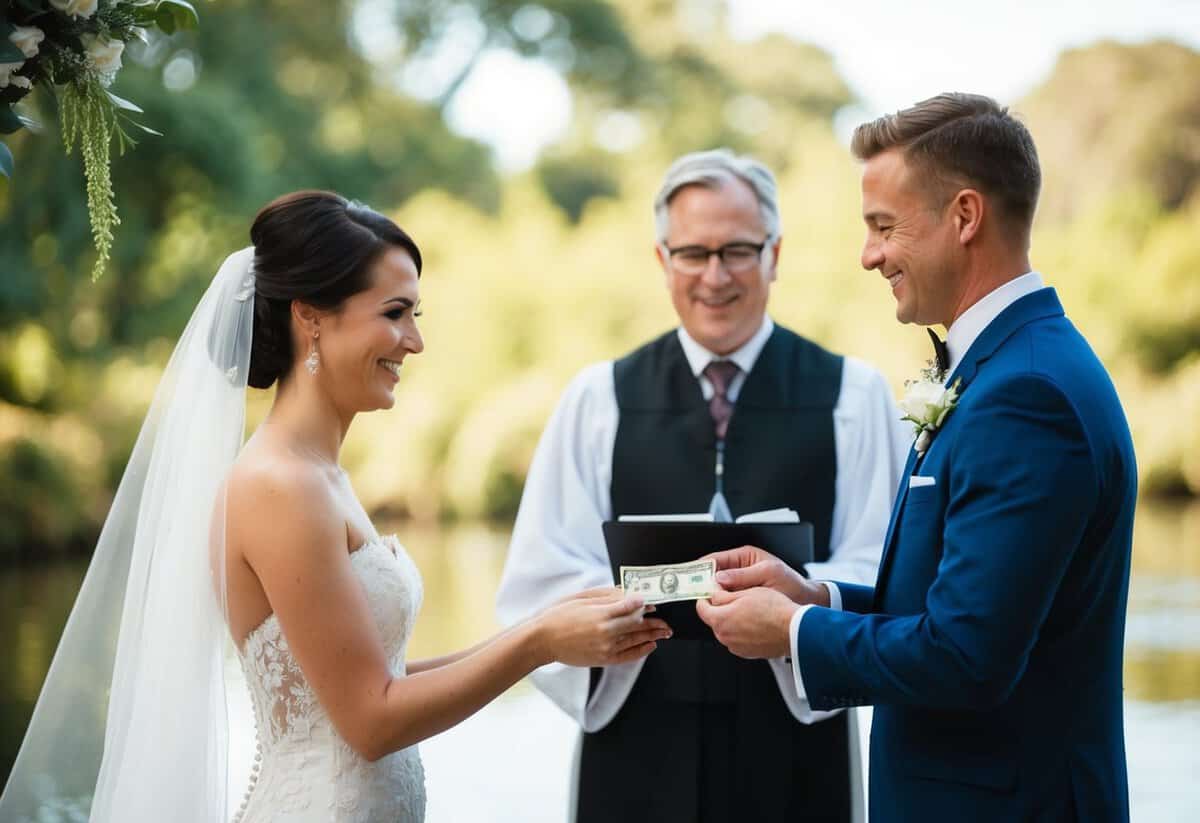
In contemporary weddings, the practice of buying the bride often varies from culture to culture. This tradition reflects not just customs but also values and beliefs surrounding marriage. Understanding these variations can help you appreciate the unique aspects of modern wedding ceremonies.
Variations Across Cultures
Different cultures have their own takes on the bride price tradition. In some African communities, the groom presents a bride price as a sign of respect for the bride’s family. This can include cash, livestock, or other valuable items. The bride’s family often responds with wedding gifts to symbolize goodwill.
In many Asian cultures, such as Chinese and Indian, the exchange includes elaborate gift exchanges. Here, the groom may present jewelry, clothing, and other wedding presents to demonstrate commitment.
In more Western settings, you might find that the focus shifts from bride price to symbolic gifts exchanged between the bride and groom. These gifts can represent love and appreciation, making the wedding day special for both partners.
Personal Touches in Modern Ceremonies
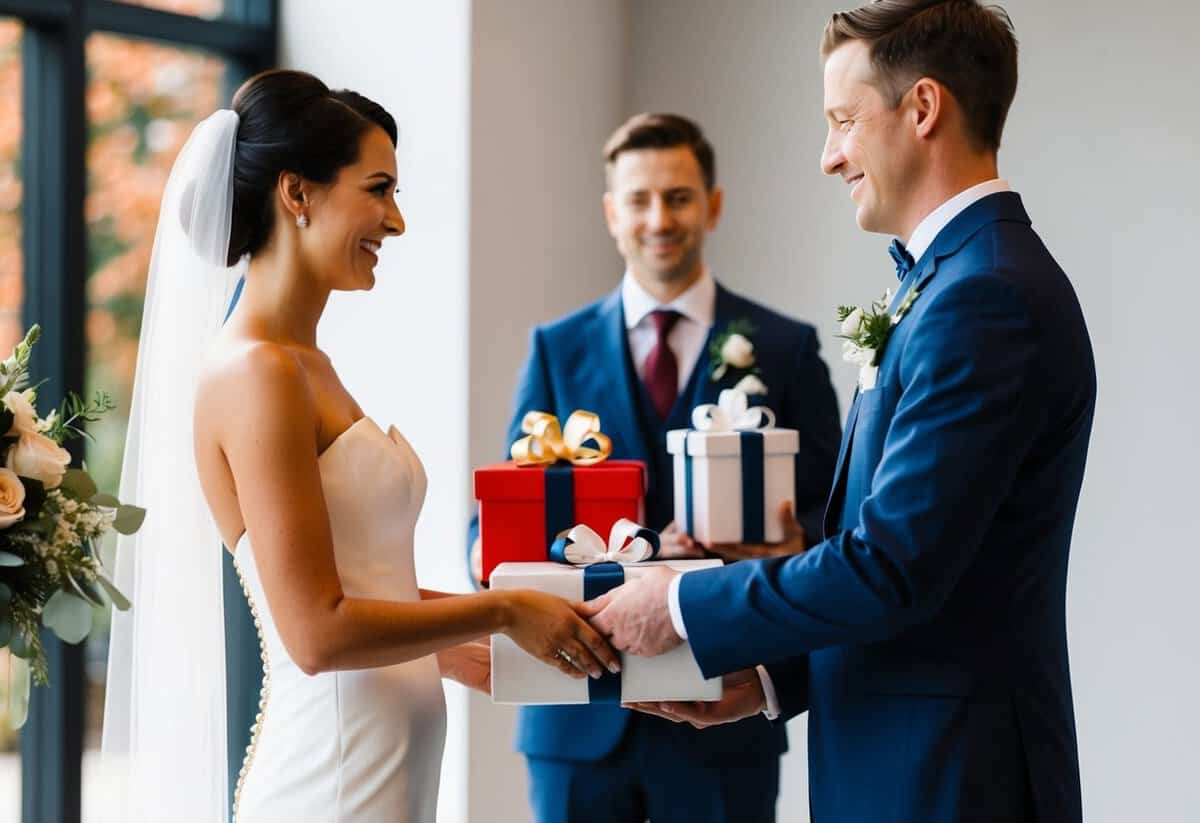
In today’s weddings, adding personal touches makes the ceremony unique and heartfelt. Consider incorporating love letters or handwritten notes, as well as meaningful gift cards, to enhance the connection between you and your partner.
Love Letters as Gifts
Love letters can be a special way to express your feelings during your wedding ceremony. Writing a letter to your partner allows you to share your emotions, hopes, and dreams for your future together.
You might choose to read these letters aloud during the ceremony or exchange them privately. This intimate moment can deepen your bond and create lasting memories.
Consider placing your letter in a beautifully designed envelope or a keepsake box. This way, you both can revisit those words in the years to come.
Significance of Handwritten Notes and Gift Cards
Handwritten notes stand out for their personal touch. A note feels more genuine compared to a text or email. You can place these notes in surprising locations. For example, you can put them inside wedding favors or on dinner tables for your guests to find.
Gift cards can also be a wonderful addition. Whether it’s a favorite restaurant or a fun weekend getaway, gift cards allow your partner to enjoy something special together after the wedding.
This thoughtful gesture shows you know their interests and care about creating lasting experiences. Consider pairing the gift card with a handwritten note. In the note, explain why you chose that particular place or activity.