
What Is the Cleansing Ritual at a Wedding? Understanding Its Significance and Meaning
A cleansing ritual is a beautiful tradition during a wedding ceremony that symbolizes commitment and the desire for a fresh start. These rituals often involve elements like water, sage, or other sacred herbs to help purify the couple and the space around them.
By participating in this meaningful act, you create a positive environment that encourages love and harmony as you begin your new life together.
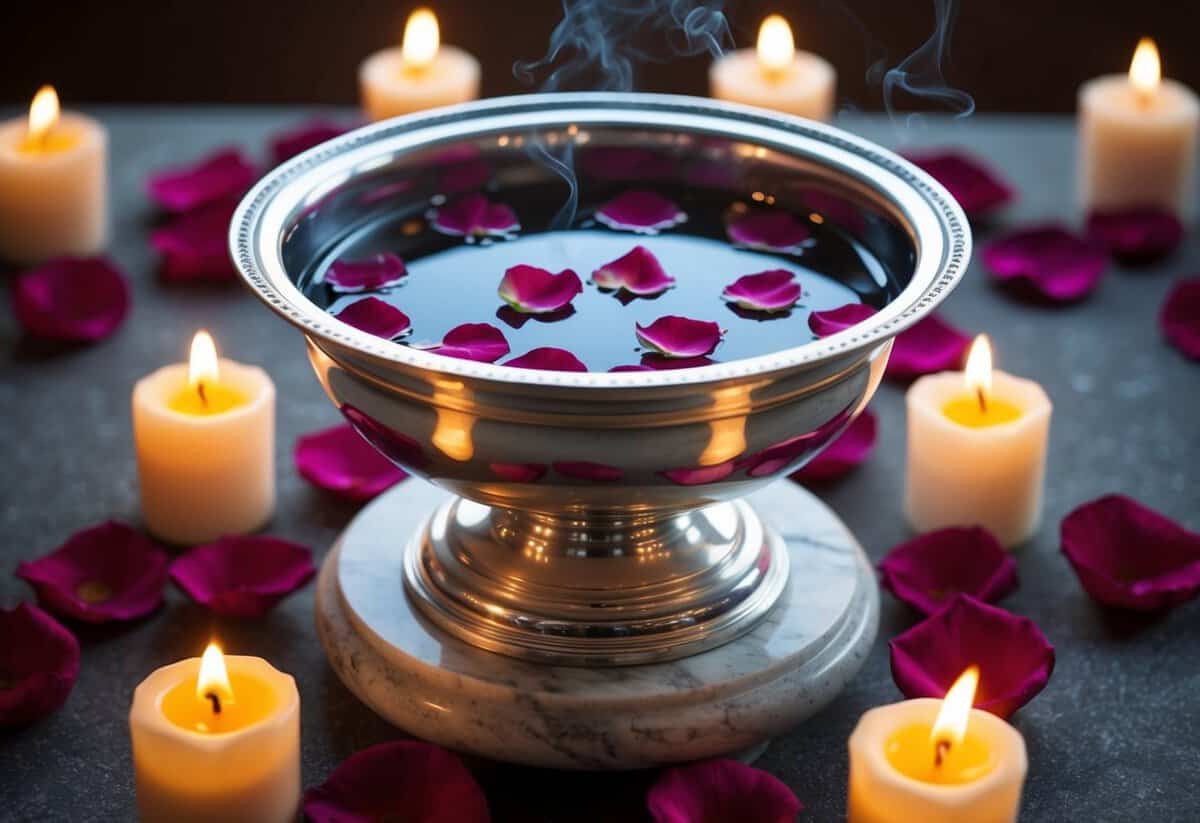
Many couples embrace these rituals to release past emotional baggage, allowing for a deeper connection on their wedding day.
Using methods like a water ritual or a sage smudging ceremony can help clear any negative energy, making space for joy and celebration. Incorporating such customs into your wedding can make the day feel even more special and memorable.
Whether you choose to include a simple cleansing with water or a more elaborate smudging ceremony, these practices can enhance your commitment to one another. Exploring these traditions can inspire you to create a wedding that truly reflects your values and hopes for the future.
Understanding Wedding Rituals
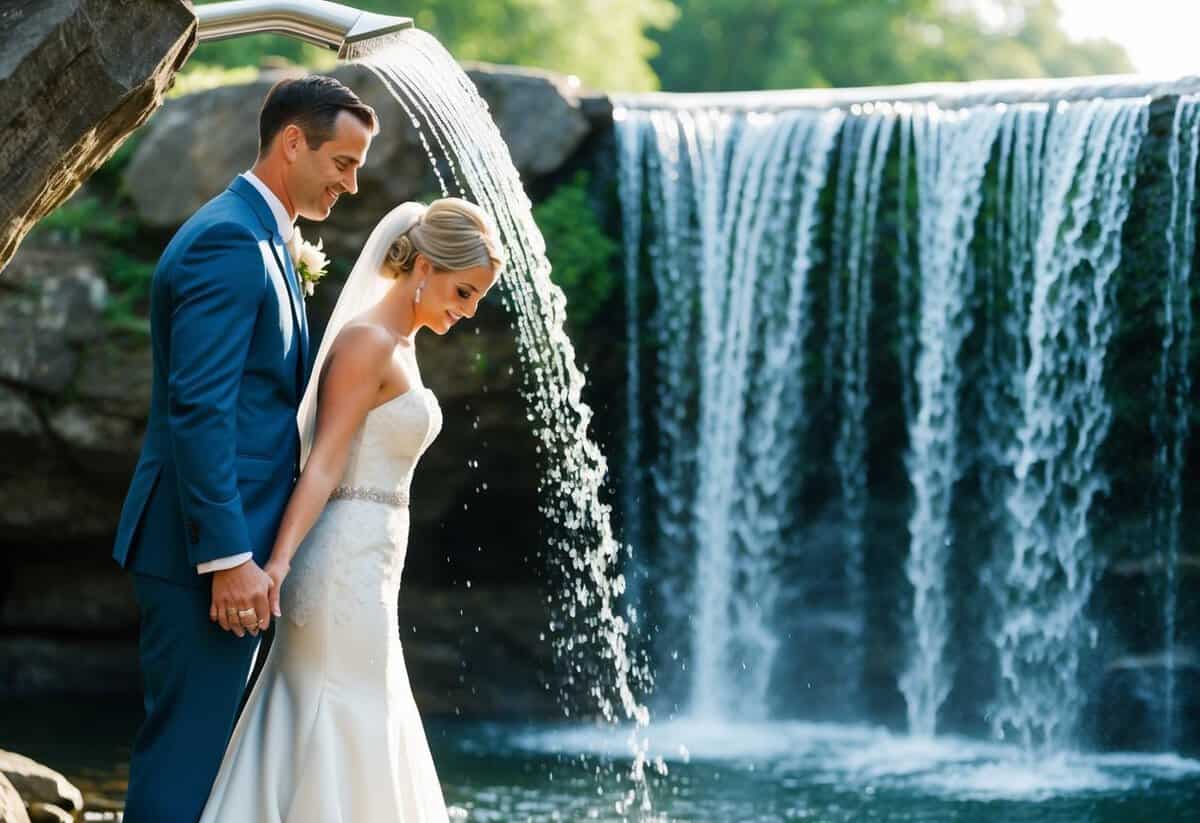
Wedding rituals play an important role in celebrating love and commitment. They help create unity and symbolize a fresh start for the couple.
One significant aspect of many ceremonies is the practice of ritual cleansing, which often represents purity and the couple’s dedication to their relationship.
The Role of Rituals in Matrimony
Rituals in matrimony enrich the wedding experience. They provide a framework for the event, helping couples and their families connect through shared traditions.
These practices often signify important values, like commitment and love. A couple participating in rituals shows a desire to build a strong foundation for their future together.
Such rituals can also help in uniting two families and creating a sense of community.
Rituals often involve symbolic actions, such as lighting a unity candle or exchanging vows. These acts remind everyone of the couple’s promises to each other, reinforcing their commitment to a loving marriage.
Cleansing Rituals Across Cultures
Cleansing rituals appear in many cultures and religions, each with unique meanings. These rituals often symbolize a fresh start and the cleansing of past emotional baggage.
For instance, some weddings incorporate water rituals, where the couple washes their hands or feet together. This act represents purity and a new beginning.
In Amish traditions, the wedding night includes a washing ritual to symbolize physical and spiritual cleanliness.
In Jewish customs, the mikvah is a ritual immersion that takes place before the wedding. This practice emphasizes spiritual cleansing and preparation for a loving marriage.
Foot washing ceremonies, found in Christian and Hindu weddings, reflect humility and love. By washing each other’s feet, couples act out their commitment to serve and support one another in their journey together.
Rituals of Purification
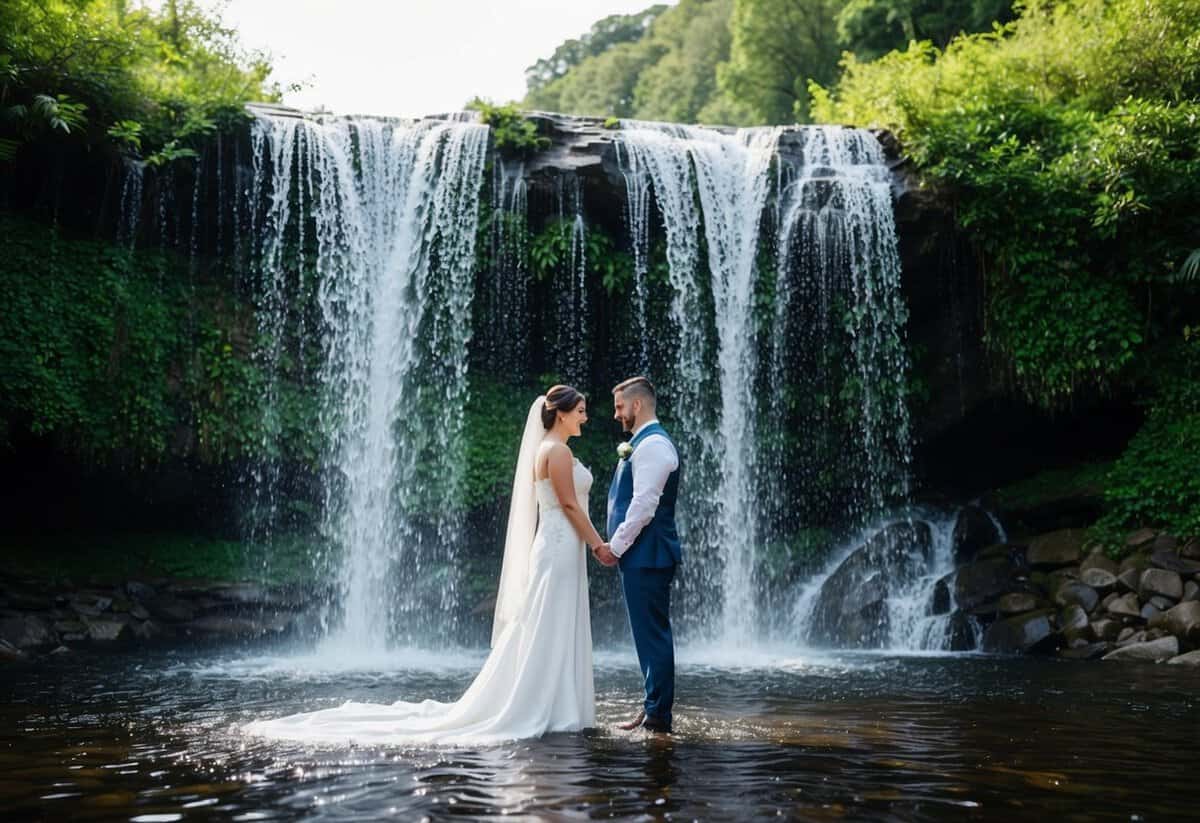
When preparing for a wedding, many cultures emphasize rituals of purification. These rituals help the couple cleanse themselves spiritually and mark their transition into married life.
Below are two important customs from Jewish and Hindu traditions.
Jewish Wedding Customs
In Jewish tradition, the mikveh is a significant ritual for purification before marriage. This involves immersion in a special pool of naturally sourced water.
The concept of niddah, which relates to menstrual purity, is key to this practice. Before your wedding, you would immerse yourself in the mikveh to symbolize renewal and spiritual cleansing.
The term mayyim hayyim translates to “living waters,” showcasing the importance of natural water in this ritual. This act helps create a holy space for the couple and prepares them for their life together.
The mikveh serves not just as a physical cleanse but also as a moment of reflection and peace amid the wedding preparations.
Hindu Pre-Wedding Rituals
In Hindu weddings, several rituals focus on purification before the big day.
One prominent ritual is the haldi ceremony, where turmeric paste is applied to the bride and groom. This ritual is believed to protect you spiritually and physically, bringing good luck and removing any negative energy.
Another important ritual is the kanyadaan during the wedding ceremony. This involves the bride’s father giving her away, which symbolizes the purification of her spirit.
Ritual chants and prayers are recited throughout these ceremonies to invoke blessings and enhance spiritual purification. Each of these customs contributes to a feeling of readiness for a new life together.
Symbolic Actions for Unity and Commitment
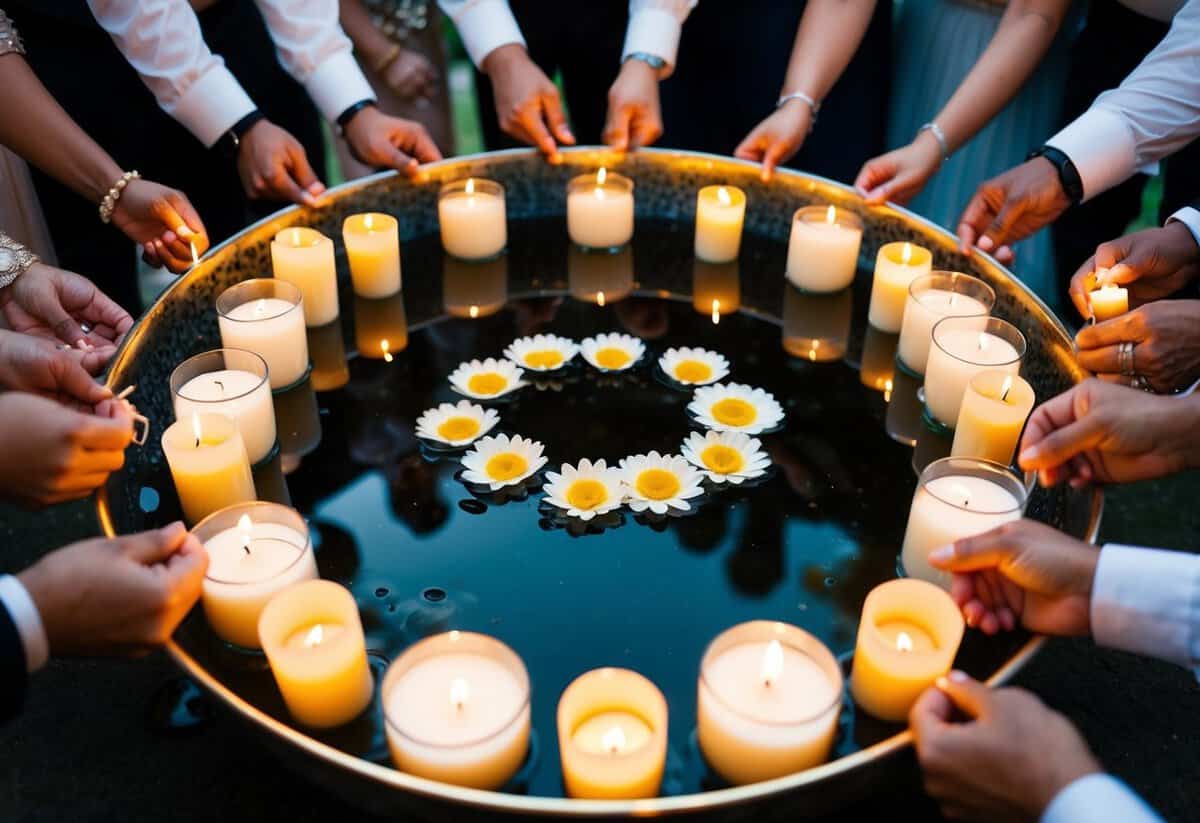
Incorporating symbolic actions during your wedding can enhance feelings of unity and commitment. Two meaningful rituals are handfasting and a smudging ceremony. Each brings its own significance and emotional depth to your special day.
Handfasting and Its Significance
Handfasting is a beautiful ritual where your hands are bound together, symbolizing your union. Traditionally, this practice dates back to ancient cultures and signifies a commitment to support and honor each other in marriage.
During the ceremony, you can choose colorful cords or ribbons that represent different aspects of your relationship, such as love, trust, and strength.
As the officiant ties the cords, they may offer affirmations or prayers for your future together. This grounding ritual allows you to visualize your connection and the promises you share.
Many couples personalize this moment by including family members. You can invite loved ones to tie the cords, which adds another layer of meaning and connection for everyone involved.
Smudging Ceremony with Sage
A smudging ceremony involves burning sage to cleanse your energy and create a sacred space. Indigenous cultures root this tradition, believing it clears negative energies and makes way for positivity and love.
To perform this ritual, you hold a bundle of dried sage and let it smolder. As the smoke surrounds you and your partner, you can express prayers or affirmations for your marriage. This act helps you focus on your intentions and emphasizes a fresh start together.
Consider encouraging guests to participate by smudging themselves. This fosters an inclusive atmosphere, purifying and strengthening the communal bond.