
What is the Correct Order for a Wedding? A Step-by-Step Guide for Your Big Day
When planning your wedding, knowing the correct order of events is essential for a smooth and enjoyable ceremony. Typically, the processional begins with the officiant and is followed by the groom and wedding party, leading up to the grand entrance of the bride. Understanding this flow will help you create a memorable experience for you and your guests.
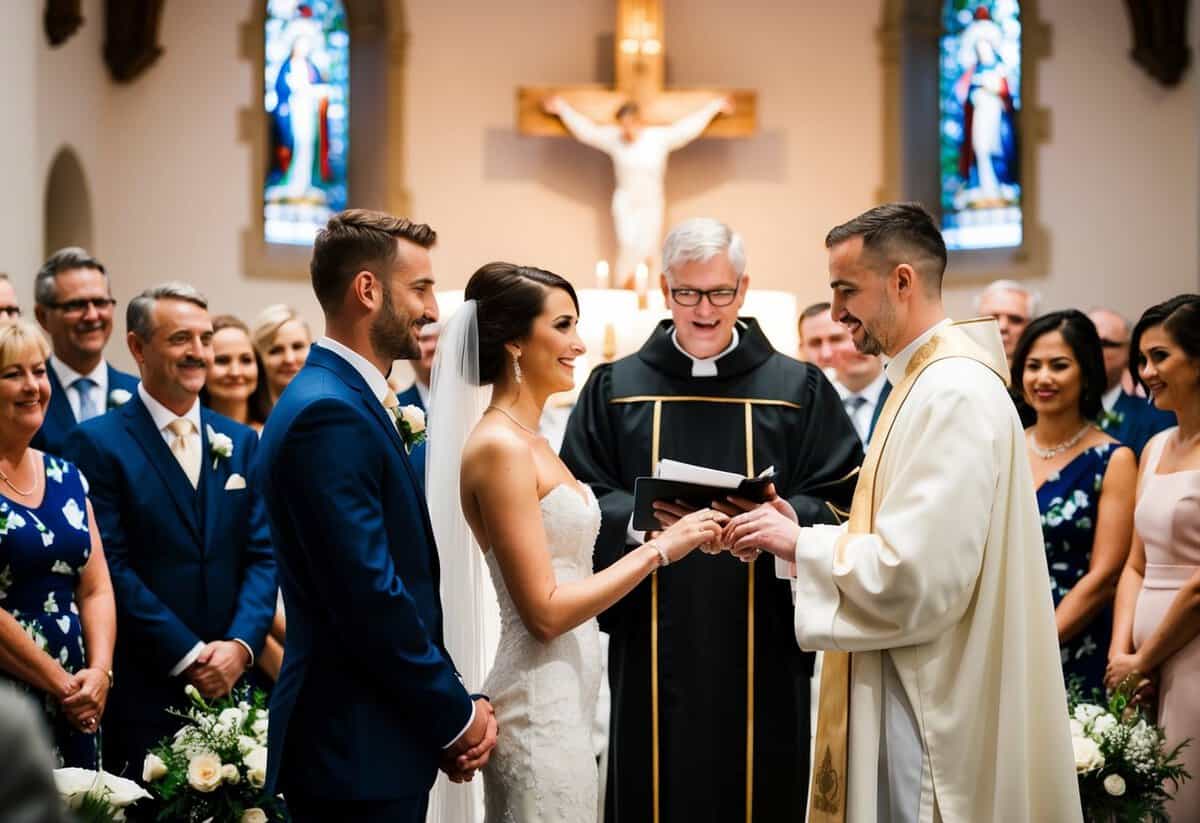
Each wedding is unique, and you have the freedom to personalize the order to fit your style and traditions. Whether you’re following a religious ceremony or planning a nondenominational event, establishing a clear processional order is crucial. This organization not only sets the tone but also makes the day feel truly special.
Curious about the specific steps and how to make this part of your day the best it can be? Keep reading to discover tips and ideas for crafting the perfect wedding order that reflects your vision.
Pre-Ceremony Preparations
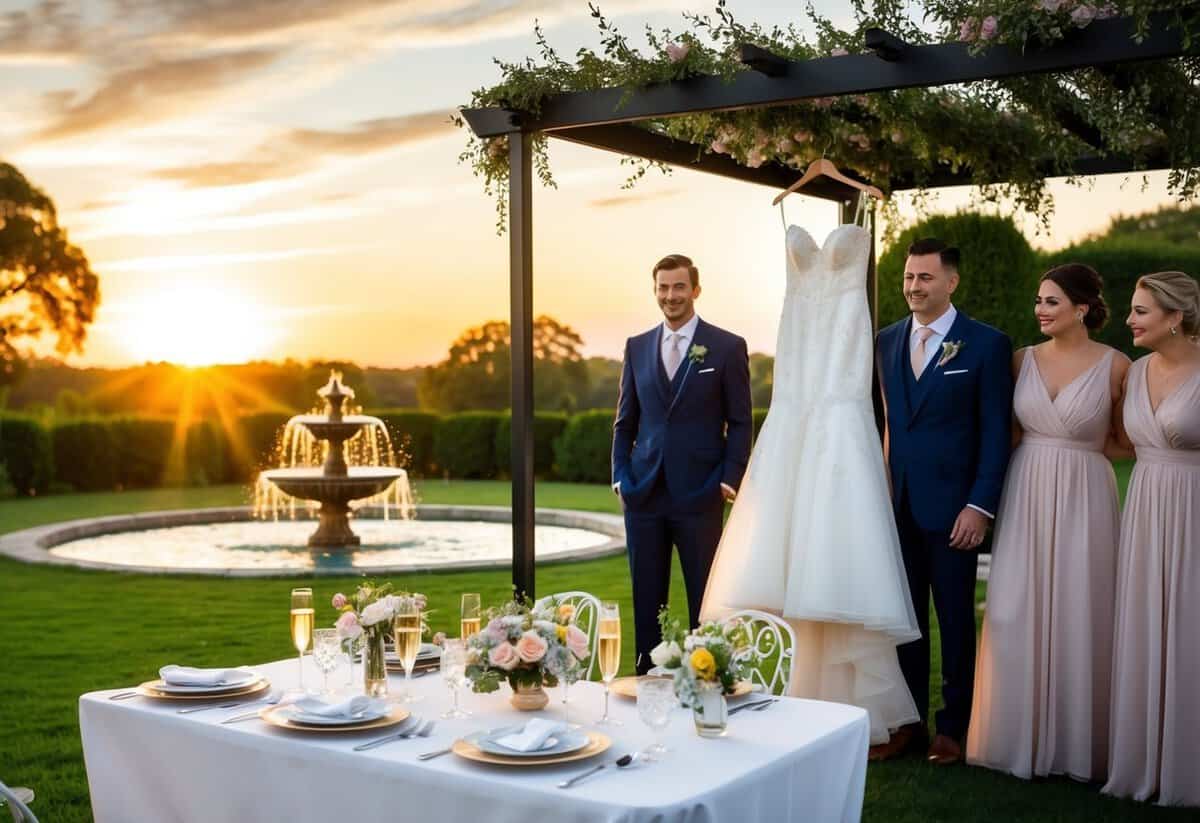
Preparing for a wedding involves several important steps that set the stage for your big day. You’ll need to make decisions about the venue, assign roles, choose music, and organize a rehearsal. Each of these elements plays a crucial part in ensuring everything goes smoothly.
Understanding the Basics
Before jumping into detailed plans, take a moment to grasp the overall timeline for your wedding day. This typically begins with pre-ceremony preparations. Your guests will start arriving, and it is your responsibility to create a welcoming atmosphere.
Consider working with a wedding planner to help coordinate these details. They can guide you through the essential tasks you’ll need to complete. This includes sending out invitations and arranging transportation to the venue. Planning ahead will help ease stress as the day approaches.
Selecting the Right Venue
Choosing the venue is one of the most critical decisions. Think about the location that best fits your vision and accommodates your guest list. Look for places that suit your wedding style, be it a beach, garden, or church.
Make sure the venue has adequate space for pre-ceremony activities, like the welcoming of guests. Ensure the layout allows for an organized flow, especially for the ceremony itself. You might also consider how accessible it is for all guests, including elderly family members or those with disabilities.
Role Assignments
Assigning roles to your wedding party and family members is essential for clarity on the wedding day. Create a list of responsibilities so everyone knows what to do. Common roles include ushers, who will greet and guide guests, and a point person for any issues that arise.
Communicate clearly to your wedding party about their roles. A quick meeting can help everyone feel prepared. When each person knows their duties, it allows your day to unfold smoothly, leaving you to enjoy every moment.
Choosing the Processional Music
Music sets the tone for your ceremony. Selecting the right processional music is important as it creates a memorable atmosphere as you walk down the aisle. Think about melodies that are meaningful to you and your partner.
You should also consider the timing of the music. It should begin when the processional starts, creating a seamless experience. If you’re uncertain, consult with your wedding planner or a music professional. They can provide recommendations based on your preferences and the ceremony style.
Organizing the Rehearsal
A rehearsal is a critical step in preparing for the ceremony. Schedule it close to your wedding day, often the evening before, to ensure everyone knows what to expect. This is a chance to practice the order of events, from the processional to the vows.
During the rehearsal, guide your wedding party through their roles. Make sure everyone knows where to stand and when to walk. This helps alleviate any nerves on the big day and makes sure everyone is coordinated, leading to a beautiful ceremony.
The Wedding Ceremony Order
Planning a wedding ceremony involves understanding the key steps that create a meaningful experience. Each part serves to highlight the love shared between the couple and honor traditions that can vary greatly. Here are the main components of a typical wedding ceremony.
Processional Flow
The processional marks the start of the ceremony, setting the tone for what is to come. It begins with the guests taking their seats, usually done by ushers about 30 minutes before the ceremony.
Next, the officiant enters, followed by the wedding party. This includes bridesmaids, groomsmen, the maid of honor, and the best man. The flower girl and ring bearer often follow. Finally, it is time for the bride’s entrance.
Many couples choose to involve their parents in the processional. The groom, often escorted by his mother, stands in front of the altar. The bride typically walks down the aisle with her father or a loved one, creating a moment of excitement and anticipation.
Main Ceremony Rituals
Once everyone is in place, the main ceremony rituals begin. This usually starts with a declaration of intent, where both of you publicly express your willingness to marry each other.
Next comes the exchange of vows, where you share promises that reflect your love and commitment. This can be personalized or follow traditional formats, depending on your style.
Following the vows, the ring exchange symbolizes your union. Some couples choose to incorporate a unity ceremony, such as lighting a candle or blending sand, to represent the joining of two lives.
During religious ceremonies, such as a Jewish wedding, the ketubah (marriage contract) is presented, and blessings like sheva brachot are often recited. In a Hindu wedding, the baraat processional may include vibrant music and dance, setting a festive mood.
Special Traditional Elements
Every wedding can include unique traditional elements that have special meaning. For instance, in a Catholic wedding, the mass may be part of the ceremony, presenting the couple in the context of faith. This includes readings from the Bible and other rituals.
In Jewish weddings, a chuppah symbolizes the home the couple will build together. The breaking of the glass is a poignant moment that signifies both joy and sorrow, reminding you to cherish both aspects of life.
Regard special moments like readings from friends or family, adding a personal touch. These elements not only involve loved ones but also tell your story and uphold traditions that honor your backgrounds.
The Concluding Acts
As the ceremony nears its end, you prepare for a joyful conclusion. The officiant will pronounce you married after you share your first kiss as a married couple, marking a beautiful moment.
Following this, the recessional takes place. This signals the wedding party’s exit, typically to upbeat music. The order usually sees the bride and groom leave first, followed by the wedding party, giving everyone a chance to celebrate.
Make sure to embrace the joy of these concluding acts. They create lasting memories right after your vows, setting a festive tone for the celebrations ahead.
Special Considerations
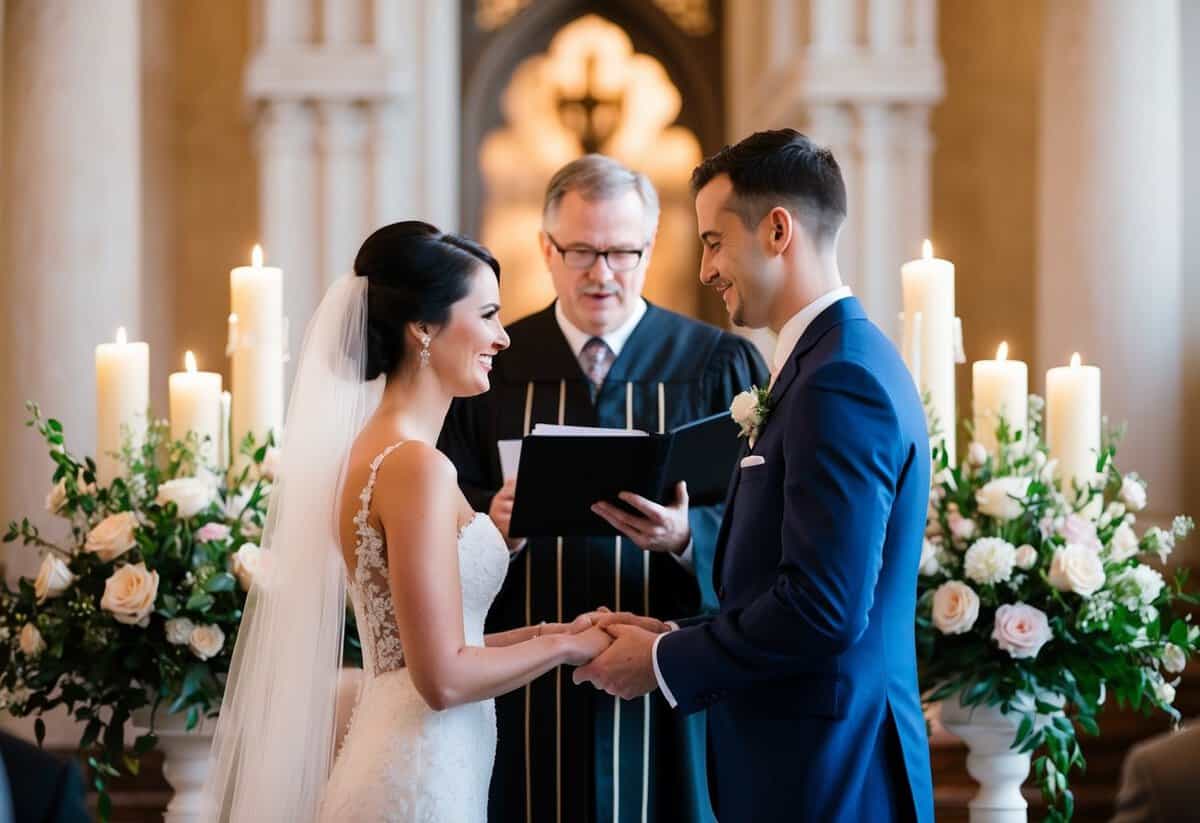
When planning your wedding, you may want to think about specific traditions and the importance of inclusivity. Balancing these elements can create a ceremony that respects your background and welcomes all loved ones.
Accommodating Various Traditions
Different cultures and religions have unique customs for wedding processions. For example, in a Jewish wedding, the bride often walks down the aisle under a wedding chuppah, signifying her new home. In contrast, a Hindu wedding may include colorful rituals and a baraat, where the groom arrives with his family.
It’s also essential to consider the role of key family members. Grandparents, immediate family, and the bridal party can have special places in the processional. This could mean having them walk in pairs or giving them a separate entrance to honor their status.
Make sure to follow a ceremony structure that reflects both your traditions and personal preferences. You can even blend elements from different backgrounds, such as including a vow exchange and the exchange of rings to connect various customs meaningfully.
Inclusivity for All Couples
It’s important to create a ceremony that feels welcoming for every couple, including LGBTQ+ couples. You can personalize your processional order to reflect your journey together. Whether you choose to have both partners walk down the aisle together or have a traditional Christian wedding processional, make choices that resonate with you.
Considering friends and family is vital, too. For instance, if you have children, including flower girls and ring bearers can add joy to the ceremony. Every detail counts, so think about how you want to showcase your love story. You can even include various family roles and backgrounds to celebrate diversity and love in your union.
Post-Ceremony Transition
After the wedding vows, it’s time to transition to the next exciting part of your celebration: the reception. This phase is important for setting the mood for the festivities ahead. The right organization will help ensure that everything flows smoothly.
The Wedding Reception
As the ceremony ends, the newlyweds typically lead the exit, followed by the wedding party. You may want to have your ushers assist in guiding guests to the reception area.
Consider using a welcoming song or tune that reflects your style and sets a celebratory atmosphere.
It’s helpful to have designated areas at the reception for guests to mingle, dine, and dance. Seating arrangements are important, so plan carefully to keep everyone comfortable.
You might also want to plan a grand entrance for the newlyweds to kick off this part of the celebration, making it feel special and memorable.