
What is the Correct Order for a Wedding? A Guide to Planning Your Big Day
Planning a wedding can feel overwhelming, especially with so many details to consider. Knowing the correct order for the ceremony can help make everything smoother and more enjoyable. The typical order includes the processional, vows, ring exchange, and the recessional, ensuring a beautiful flow to your special day.
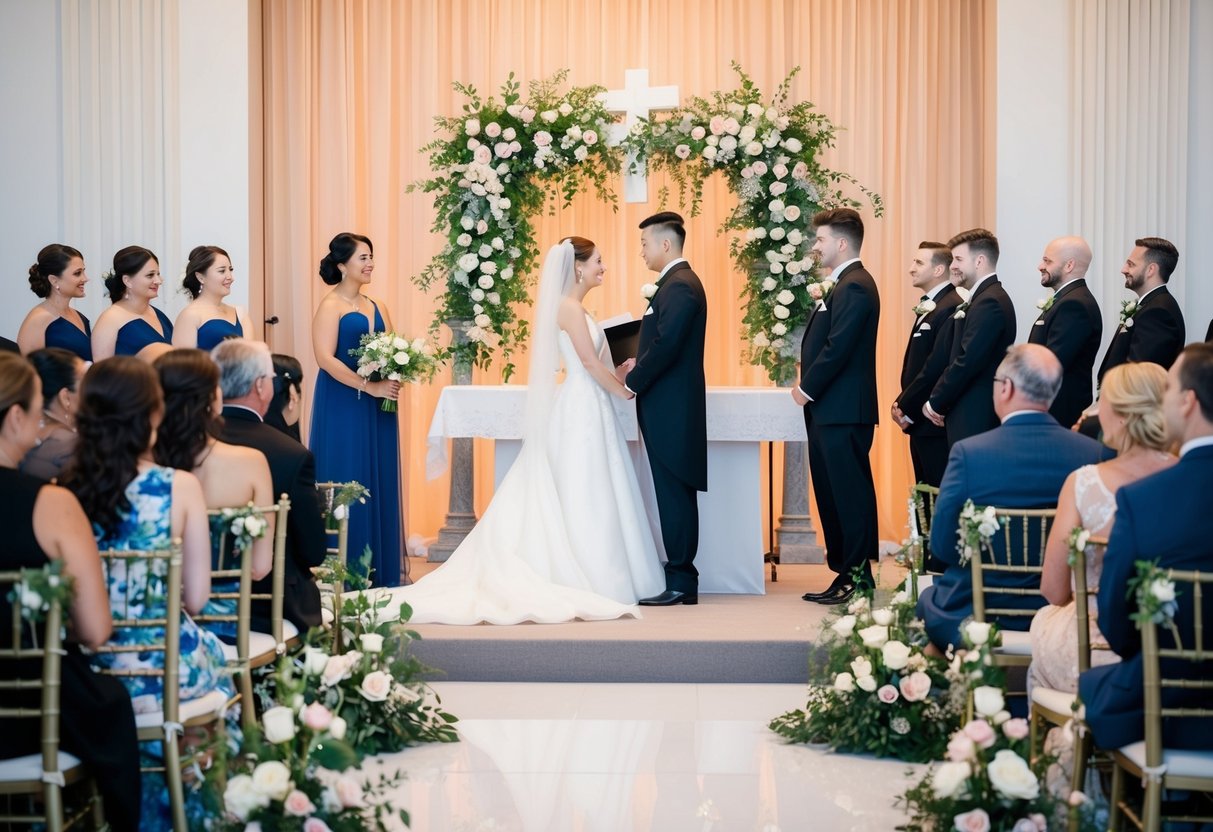
Each part of the ceremony holds its significance, from the emotional moments when you exchange vows to the joyful celebration of your first walk together as a married couple. Understanding this structure not only helps you prepare but also creates lasting memories for you and your guests.
So whether you’re planning a big event or a simple gathering, having a clear order for your wedding can make all the difference. Let’s dive deeper into each step and help you create the memorable ceremony you envision.
Planning the Perfect Wedding Ceremony
Planning your wedding ceremony is an exciting step toward your big day. Understanding the different types of ceremonies, key roles in the order of events, and creating an outline will help you organize a beautiful and memorable occasion.
Understanding Ceremony Types
You have several options when choosing a wedding ceremony type. The traditional wedding ceremony often follows a set structure that’s been used for years. In contrast, a nondenominational wedding allows for more flexibility in what you include.
If you prefer a religious service, you might choose a Christian wedding, which typically includes readings and hymns. Catholic weddings have their specific order of events. Jewish weddings feature unique traditions, while Hindu weddings may span several days with rituals and celebrations. Tailor your ceremony to reflect your beliefs and style.
Key Roles and Their Order
Your wedding ceremony will include several important roles. It starts with the officiant, who leads the ceremony and is responsible for making your marriage official. Next comes the processional, where the wedding party walks down the aisle.
The order generally begins with immediate family, followed by bridesmaids and groomsmen. Finally, the bride and groom make their entrance. The ceremony often includes the exchange of vows and rings, showcasing the commitment you’re making to each other. Discuss these roles with your wedding planner to ensure everyone knows their part.
Creating a Wedding Ceremony Outline
A well-structured wedding ceremony outline helps everyone involved understand the flow of events. Start with the processional music, setting the tone for the occasion. Next, include a welcome message from the officiant.
Move on to readings, vows, and the ring exchange. You might want to add special touches like unity ceremonies or personalized elements that reflect your relationship. Finish with the recessional, as you and your partner exit together.
Consider hosting a rehearsal for your wedding party. This will help everyone know their roles and the ceremony order. With thoughtful planning, your wedding ceremony can be a seamless and joyful experience.
The Processional and Ceremony Structure
Understanding the order of events during the wedding ceremony is essential for a smooth and memorable experience. The processional sets the tone, while significant elements keep the ceremony meaningful and organized.
Order of Entrance
The wedding processional begins the ceremony, marking a special moment for you and your loved ones. The entrance typically starts with the officiant, setting a formal tone. Then, the groom may enter, followed by the groomsmen, who walk down the aisle.
Next, the bridesmaids and the maid of honor follow. They usually walk in pairs or one at a time. The highlight is when the flower girl and ring bearer enter, adding cuteness to the event. Lastly, you make your entrance with your father or another significant person. This moment is filled with anticipation as everyone turns to see you journey down the aisle.
Significant Ceremony Elements
After the processional, the ceremony includes key moments that create lasting memories. Your wedding vows are a focal point, where you and your partner express your love and commitment. The officiant usually leads the vow exchange, ensuring everything flows smoothly.
You may also include a unity ceremony, symbolizing your bond. It could be as simple as lighting a candle together or more elaborate. The exchange of rings follows, with both of you confirming your commitment through a ring exchange.
Other parts of the ceremony include readings, the declaration of intent, and the pronouncement of marriage, where you are officially declared married. The kiss marks a beautiful conclusion to this part of your day, followed by the recessional, where you exit together as a married couple.
Cultural Considerations in Wedding Ceremonies
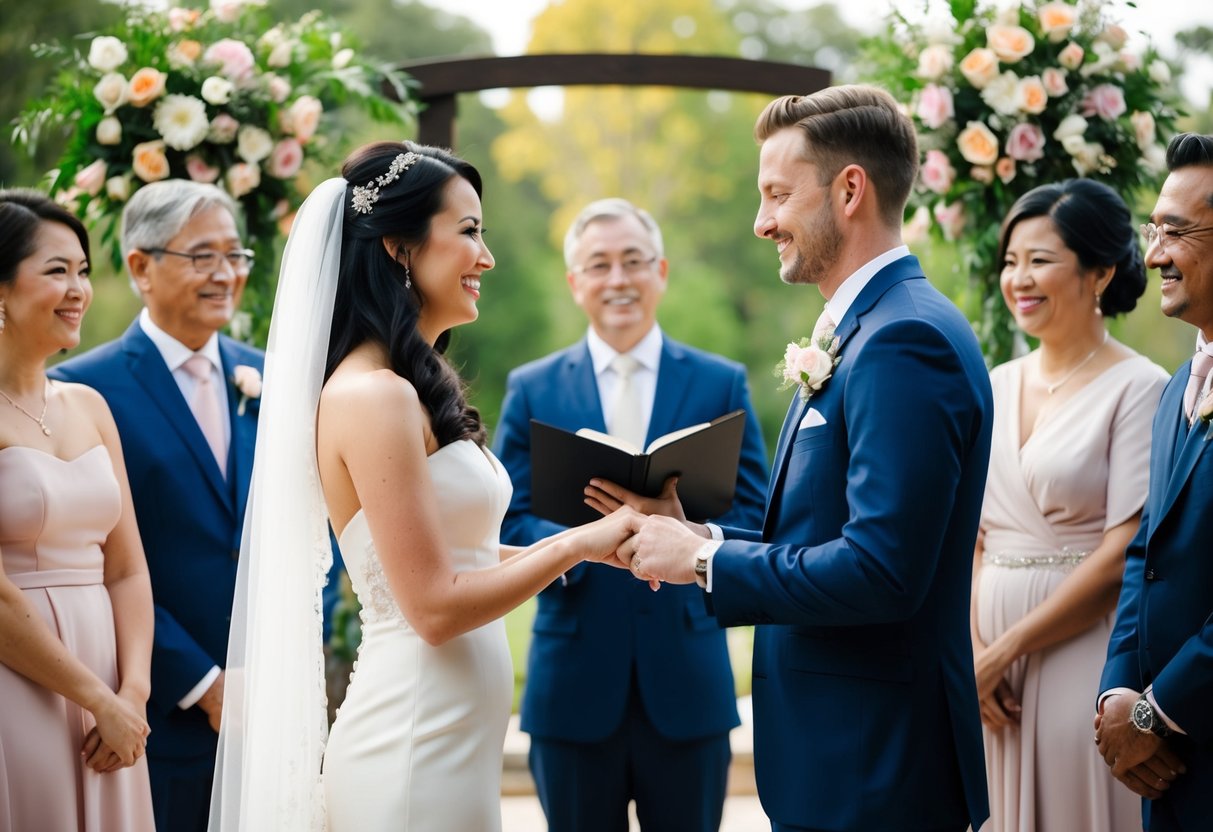
When planning your wedding, it’s important to consider the cultural traditions that may play a role in your ceremony. Different cultures have unique customs that shape the order of events and rituals. Being aware of these can help you create a meaningful experience for you and your guests.
Diverse Wedding Traditions
Various cultures have distinct wedding ceremonies, each with its own order and special elements. For instance, in a Jewish wedding, the ceremony includes customs like the bedeken, where the groom veils the bride, and the breaking of the glass, symbolizing the destruction of the Temples in Jerusalem.
In a Hindu wedding, traditions such as the baraat (the groom’s procession) and shagun (a blessing ritual) are essential.
Christian ceremonies often follow a typical processional order, which includes the bridal party walking down the aisle before the bride. Each tradition offers a unique perspective on love and commitment, making it crucial for you to choose what resonates most with your beliefs and values.
Incorporating Cultural Elements
You can personalize your wedding by incorporating cultural elements that reflect your heritage.
For example, a Catholic ceremony may include a Mass, exchanging vows, and the lighting of the unity candle.
If you prefer a nondenominational ceremony, you can blend elements from various traditions to create your own unique experience.
Consider including specific rituals or readings from your culture that hold special meaning. This approach not only honors your background but also allows guests to appreciate the diversity of your union.
By thoughtfully including these elements, you can make your wedding deeply personal and memorable for everyone involved.