
What is the Correct Order of a Wedding Ceremony? A Simple Guide to Your Big Day
When planning your big day, knowing the correct order of a wedding ceremony is key to a smooth and memorable event. This sequence helps ensure everything flows perfectly, from the entrance of the wedding party to the exchange of vows. Each part of the ceremony can be personalized to reflect your style, making your special day even more meaningful.
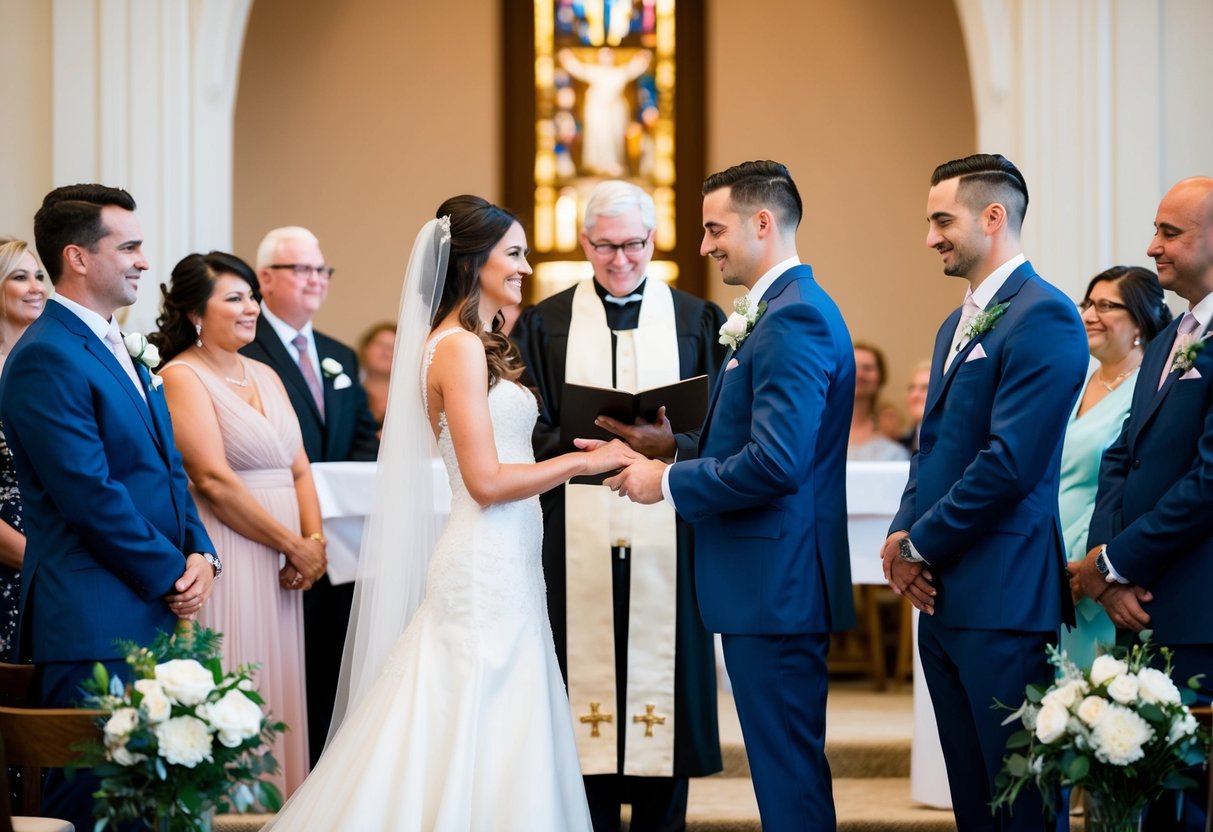
In a traditional wedding ceremony, you can expect a specific outline that includes the processional, readings, and the pronouncement of marriage. Understanding this order will help you effectively communicate with your officiant and wedding party, making the planning process easier.
Whether you opt for a classic approach or choose to personalize your ceremony, being aware of the typical wedding ceremony order will help you create a joyful atmosphere for you and your guests. Engaging with the details now will ensure you don’t miss out on making your wedding day exceptional.
Ceremony Prelude and Processional

The ceremony prelude sets the stage for your wedding, creating an inviting atmosphere. Following this, the processional order introduces key participants, leading to the emotional moment when the couple joins together.
The Prelude
During the prelude, guests arrive and find their seats. This time allows for soft, festive music to play, creating a warm ambiance. Prelude music can last anywhere from 15 to 45 minutes, depending on how early guests arrive.
Consider hiring a musician or creating a playlist that represents your style. Popular choices often include classical pieces or modern love songs.
This is also a chance for family members to enjoy the moment before the ceremony begins. Encouraging guests to socialize a little adds to the excitement of the day.
The Processional Order
The processional marks the official start of your ceremony. It generally begins with the officiant followed by key members of the wedding party.
Here’s a common order:
- Officiant
- Groom (often accompanied by his parents or a close family member)
- Groomsmen
- Bridesmaids
- Flower girl
- Ring bearer
- Bride
Your flower girl and ring bearer can add charm as they walk down the aisle, often scattering petals or carrying rings in a special way. You can adjust the order based on your preferences or traditions, creating a moment that resonates with your style.
Main Ceremony Components

During the main part of your wedding ceremony, several key components set the tone and create lasting memories. From the welcome to exchanging vows, each part plays an essential role in the celebration of your union.
Welcome and Opening Remarks
The ceremony often begins with the officiant welcoming your guests. This is a chance for them to explain the significance of the day and how special it is to share it with loved ones.
You might hear a few opening remarks that reflect your journey as a couple. The officiant may share a personal story or thought about love. This helps create a warm atmosphere.
If you’re planning a religious wedding, the officiant might include prayers or blessings. In a nondenominational wedding, you can choose more neutral language that reflects your values.
Readings and Traditions
Readings can add a personal touch to your ceremony. You may select poems, passages, or even song lyrics that resonate with your relationship.
Consider incorporating traditions unique to your culture or beliefs. For example, a sand ceremony represents the blending of two lives, while handfasting symbolizes unity with cord or ribbon.
These elements can be performed by friends or family members, making it more intimate. Choose readings that reflect your feelings and expectations for the future.
Vow and Ring Exchange
The most crucial moment is the vow exchange. Here, you and your partner declare your love and commitment. Your wedding vows can be traditional or personalized to reflect your journey together.
After sharing your vows, the ring exchange symbolizes your promises. As you place the rings on each other’s fingers, it represents your unending love.
You might choose to include a unity ceremony, enhancing the moment further. Whether it’s lighting a candle or pouring sand, this adds a special touch to the vow and ring exchange.
Cultural and Religious Elements
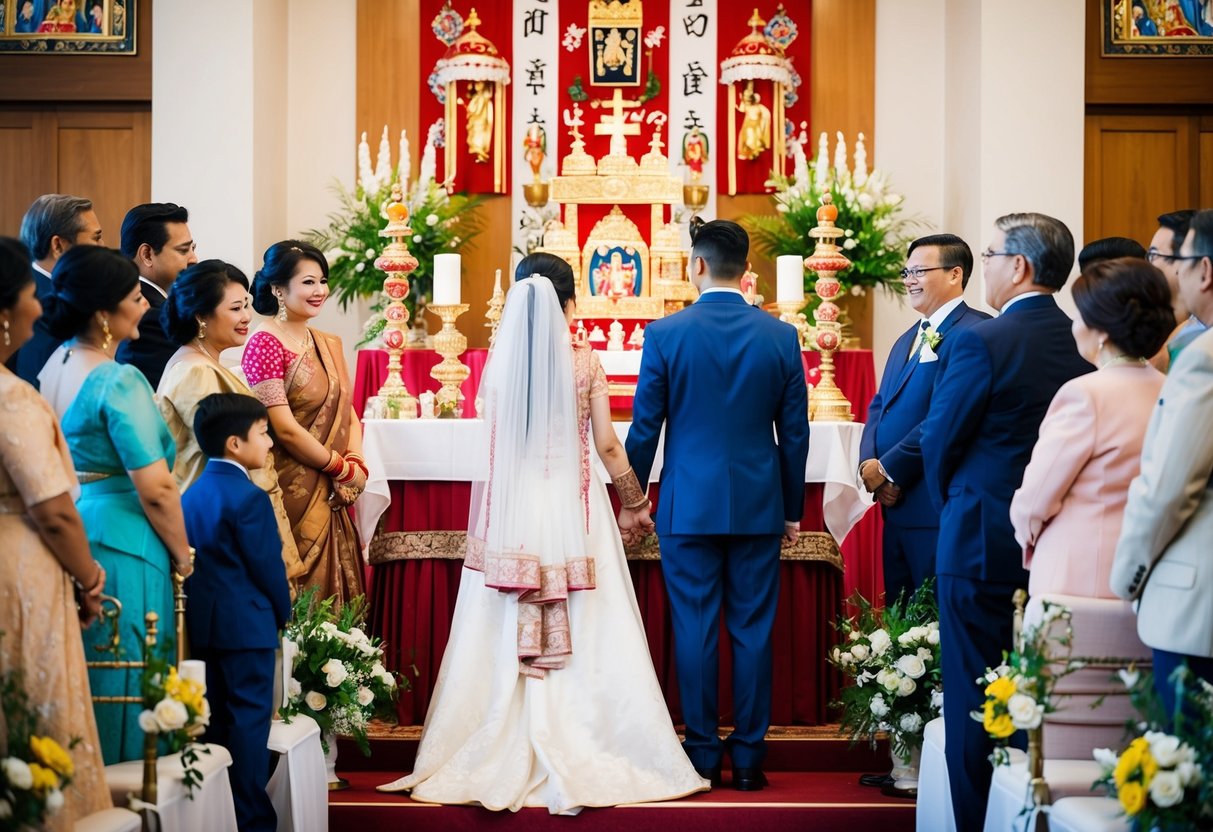
Every wedding ceremony carries unique cultural and religious significance. These elements often shape how the ceremony unfolds, reflecting the couple’s beliefs and traditions. Here are some key practices to consider.
Specific Religious Rites
In a Jewish wedding, significant rites include the chuppah, a canopy symbolizing the couple’s new home. The ketubah is a marriage contract outlining responsibilities. After the ceremony, families often participate in the sheva brachot, where seven blessings are recited.
For a Hindu wedding, festivities can include the baraat, where the groom’s procession arrives, and shagun, signifying good luck. Each ritual has profound meaning, celebrating the couple’s union, like the saptapadi, where they take seven vows together.
In a Catholic ceremony, the rite of marriage is essential. Couples often participate in the Catholic mass, which may include the Lord’s Prayer and communion. The service emphasizes the sanctity of the marriage bond, guiding you through traditional steps and blessings.
Cultural Wedding Practices
Cultural wedding practices can vary widely. In many Christian ceremonies, the focus may be on vows and exchanging rings, establishing a bond before family and friends. The Christian wedding ceremony order often includes readings, prayers, and a sermon to bless the couple’s future.
In Hindu cultures, the wedding ceremony is rich in symbolism. The havan, a sacred fire ritual, represents purification and divine presence. The couple circles the fire to affirm their vows, highlighting their commitment.
Both cultural and religious elements contribute depth and meaning to weddings. Understanding these practices helps you honor family traditions while creating your unique celebration.
Conclusion of the Ceremony

As the wedding ceremony nears its end, it’s important to focus on the final moments that will leave a lasting impression on you and your guests. The last part consists of the pronouncement and closing, followed by the recessional and exit, both of which signify the transition into your new life together.
Pronouncement and Closing
The officiant will start the closing with important remarks. This usually includes the pronouncement of marriage, where they affirm that you and your partner are now officially married. This is a special moment, often followed by a joyful first kiss.
In many ceremonies, a final blessing is offered. This blessing represents good wishes for a happy and fulfilling marriage. Depending on cultural traditions, some couples may perform specific actions, like the breaking of the glass, to symbolize their union. This part is significant; it ties together the emotions and love shared throughout the ceremony.
Recessional and Exit
After the pronouncement, the recessional marks the official exit of the newlyweds. You and your partner walk back down the aisle together, often hand in hand.
Guests typically cheer and celebrate, making this a joyful moment. Your wedding party usually follows behind, creating a festive atmosphere.
This is a time for smiles, laughter, and perhaps a few dance moves! As you leave, your guests may toss flowers or confetti, adding to the celebration.
The way you exit can set the tone for your reception and the rest of the day.