
What is the Difference Between a Celebrant and a Registrar? Understanding Their Roles in Ceremonies
When planning your wedding, you might wonder about the roles of a celebrant and a registrar. A celebrant offers a personalized ceremony tailored to your style, while a registrar is responsible for the legal aspects of the marriage. Understanding these differences can help you choose which option aligns with your vision for the big day.
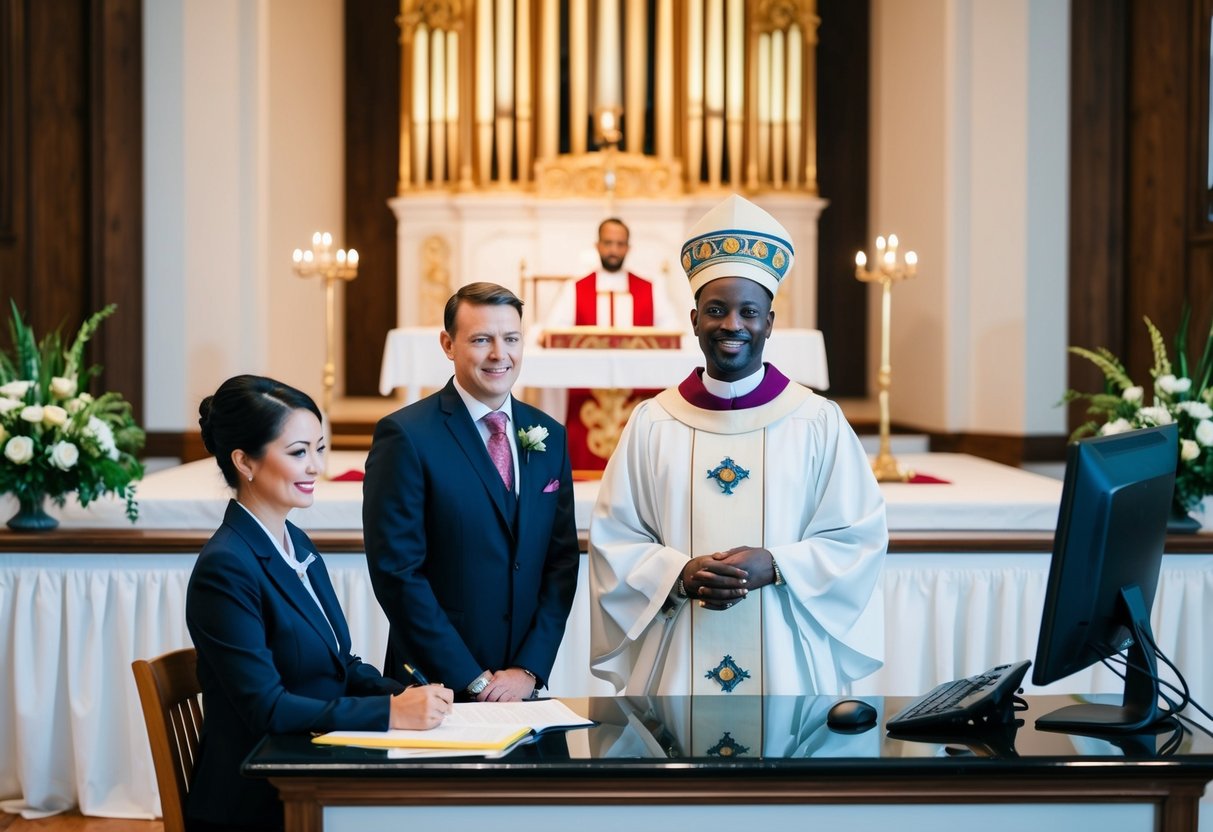
Celebrants focus on creating unique and meaningful ceremonies. They work with you to reflect your story and values in the vows and rituals.
On the other hand, registrars are typically assigned through the local council and handle the legal requirements of the marriage. This means you won’t have much say in who performs the ceremony.
Choosing between a celebrant and a registrar can shape the tone of your wedding. Whether you desire a traditional ceremony or something more personal, knowing what each role entails can lead to a more fulfilling experience on your special day.
Understanding the Roles
When planning a wedding or a civil partnership, it’s important to know the different roles of a registrar and a celebrant. Each has unique responsibilities regarding ceremonies and legal requirements.
Role of a Registrar
A registrar is an official who works at a registry office. Their job is to handle the legal aspects of weddings and civil partnerships.
Registrars keep records of all births, deaths, and marriages. They ensure that the necessary legal paperwork is completed correctly. You will not get to choose your registrar, as they are assigned based on where you live.
During a legally binding ceremony, the registrar reads specific legal wording to make the marriage official. They also oversee the signing of the marriage register, so everything is documented correctly.
Typically, registrars can only conduct ceremonies at licensed premises. These can be venues that the local council has approved for weddings. This means your options for location may be more limited when you choose a registrar.
Role of a Celebrant
A celebrant offers a more personalized approach to weddings and civil partnerships. Unlike registrars, celebrants have the freedom to create unique ceremonies tailored to your wishes.
You can meet with a celebrant ahead of time to discuss your preferences and ideas. This can include special readings, rituals, or themes that are meaningful to you.
Celebrants are not restricted by legal wording and can make the ceremony truly special.
However, it’s important to note that celebrants cannot create legally binding marriages on their own. You will still need to complete the legal requirements with a registrar. Many couples choose to have a celebrant for a more heartfelt ceremony and a registrar for the legal part afterward.
Types of Ceremonies
Understanding the types of ceremonies helps you decide what fits your needs best. Each option offers different experiences, styles, and legal standings.
Registrar-Led Ceremonies
A registrar-led ceremony is a legal marriage ceremony. This type of ceremony typically takes place at a registry office or a licensed venue. It includes a set script that must be followed, ensuring that all legal requirements are met.
Your registrar will ask for specific details like your names and the date. You might find this setting to be more formal and straightforward. It focuses primarily on the legal aspects rather than personalization.
Many couples appreciate the simplicity of this option, although the ceremony may include short personal vows. This type of wedding does not allow much flexibility in terms of content or style.
Celebrant-Led Ceremonies
A celebrant-led ceremony offers more room for creativity and personalization. You can choose the location, style, and elements that matter most to you.
Your celebrant can weave in storytelling and symbolic elements that represent your journey as a couple.
These ceremonies can include spiritual content or even religious themes if desired. They are not legally binding on their own, so you’ll likely need to have a registrar sign the paperwork separately.
A celebrant-led wedding allows for a more relaxed and meaningful experience. You can include special rituals or cultural traditions that resonate with you. This makes it unique and reflective of your personality.
Flexibility and Personalization
When planning your wedding, flexibility and personalization are key to creating a ceremony that truly reflects your unique love story. Celebrants offer the freedom to tailor every aspect of your wedding, making it memorable and special.
Customizing Your Ceremony
With a celebrant, you can design a ceremony that fits your vision perfectly. Unlike registrars, who often follow a set script, celebrants work closely with you to create a completely bespoke ceremony.
You can choose your venue, whether it’s a park, beach, or a cozy space at home. This allows you to set the scene just as you envisioned.
Your vows can be customized, adding personal touches that resonate with your relationship. You might include meaningful readings or unique rituals that reflect your journey together.
Incorporating Personal Elements
Celebrants excel at incorporating personal elements into your ceremony. They take the time to learn about your story, values, and dynamics as a couple.
This knowledge allows them to weave your favorite memories or experiences into the ceremony script. For instance, couples often share how they met or fond moments that define their relationship.
You can highlight family traditions or cultural practices that are significant to you. Whether it’s music selections or specific symbols that hold meaning, a celebrant can seamlessly integrate these into your ceremony.
This level of personalization is what transforms a standard wedding into a unique celebration of your love.
Navigating Legal Requirements
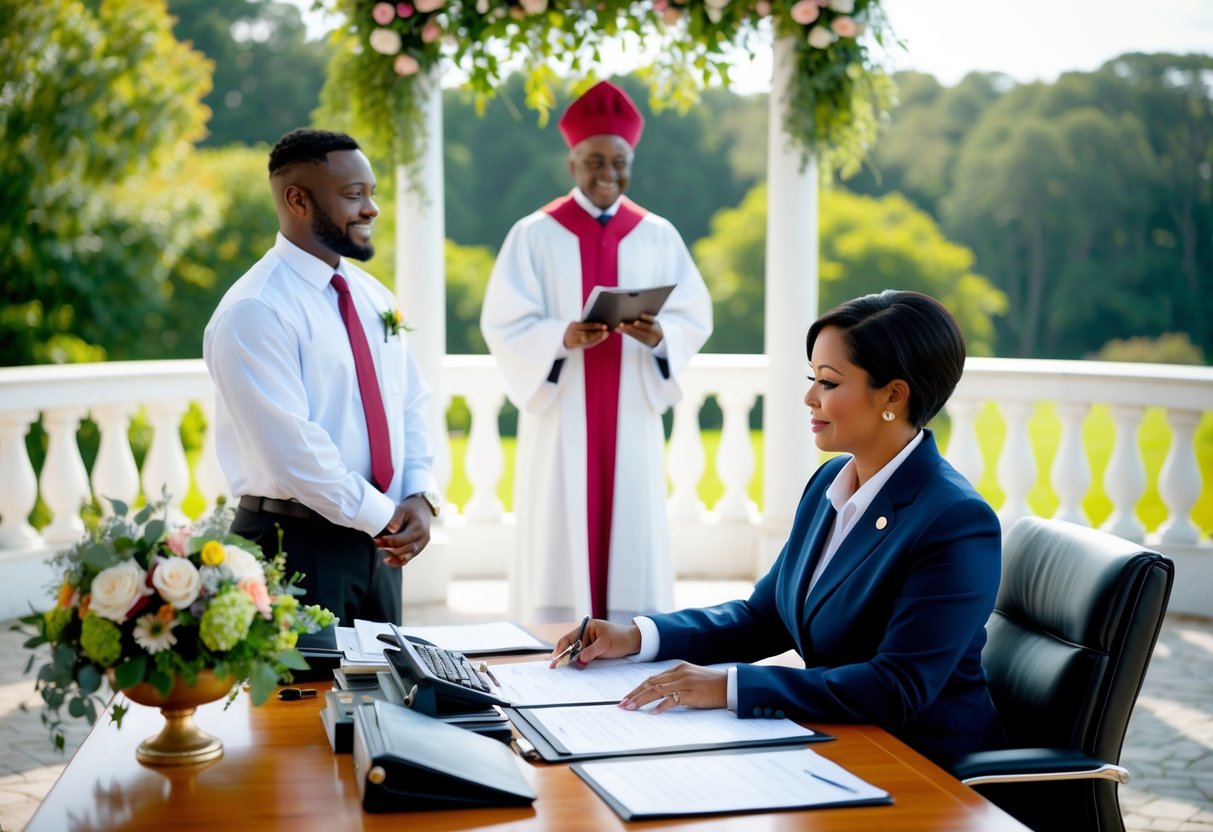
Understanding the legal aspects of marriage can help you choose the right path for your ceremony. Knowing what is needed for a legal marriage can make your planning smoother and stress-free.
Legal Marriage Criteria
To get legally married, you must meet specific criteria. First, you must be at least 16 years old in the UK, although those under 18 need parental consent. Both partners must not be closely related.
You may choose to marry in a registry office or licensed premises. A civil ceremony typically occurs in these locations.
Before your wedding day, you must give notice of your intention to marry at your local registry office. This notice must be provided at least 28 days before the ceremony.
During this time, you will also need to present proof of identity and address, ensuring all legal requirements are met.
Planning for Two Ceremonies
If you decide to use a celebrant for your wedding, you may still need a legal ceremony. This is especially true if you want to be recognized as legally married. Many couples plan for both a civil ceremony and a celebrant-led event.
The civil ceremony can be quick and simple, often done in a registry office. Meanwhile, the celebrant can help you create a unique ceremony that reflects your beliefs and values. This approach allows for more creativity and personal touches, such as incorporating specific traditions or readings. Always ensure the legal part is done beforehand to enjoy your special day worry-free.