
What is the Difference Between a Celebrant and an Officiant? Understanding Their Roles in Ceremonies
When you plan a wedding or any special ceremony, you might wonder about the roles of a celebrant and an officiant. An officiant typically focuses on the legal aspects of a ceremony, while a celebrant creates personalized and meaningful experiences that reflect the couple’s beliefs and values. Understanding this distinction can help you choose the right person to lead your important event.
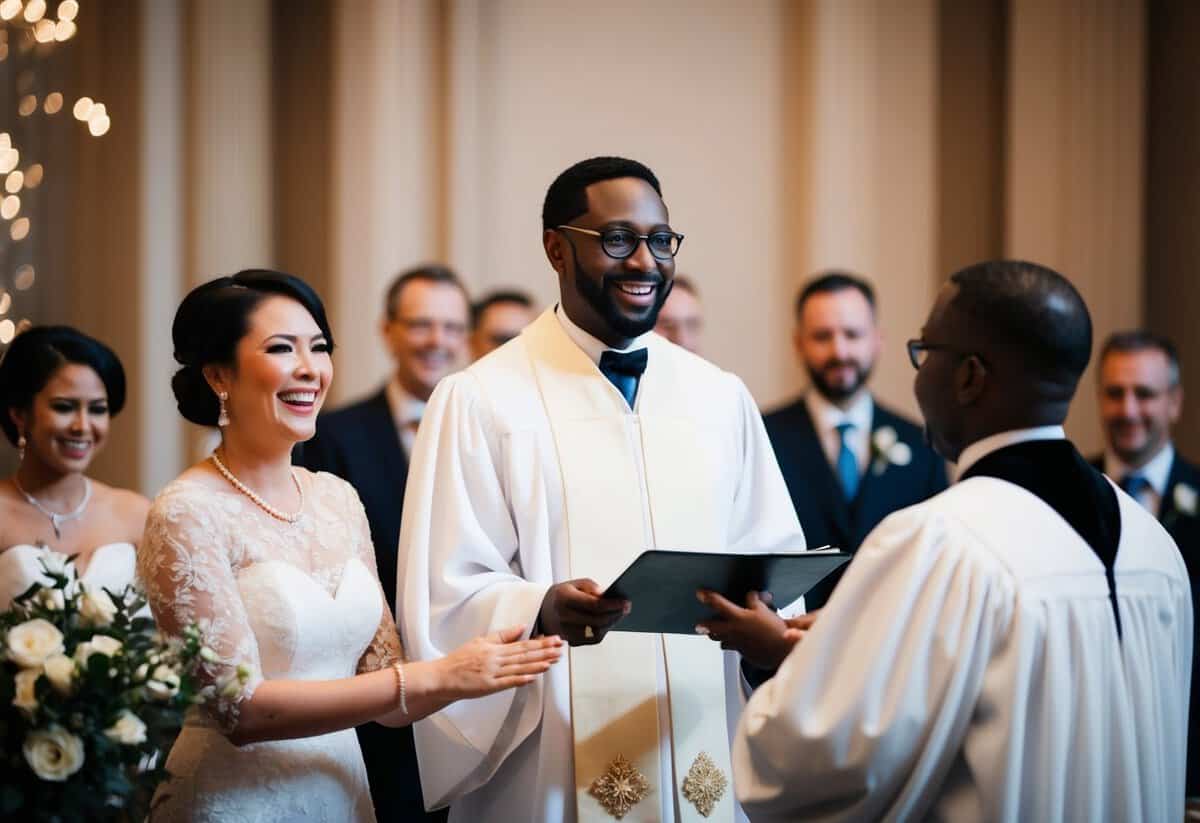
Choosing the right person for your ceremony is crucial. An officiant may be more involved in traditional or religious ceremonies, while a celebrant offers flexibility, allowing for unique and customized events. This means you can have a ceremony that truly represents your style and wishes.
Whether you are planning a wedding or another type of celebration, knowing these differences can make your planning process easier. With the right celebrant or officiant, your ceremony will be memorable and special for you and your guests.
Roles and Responsibilities
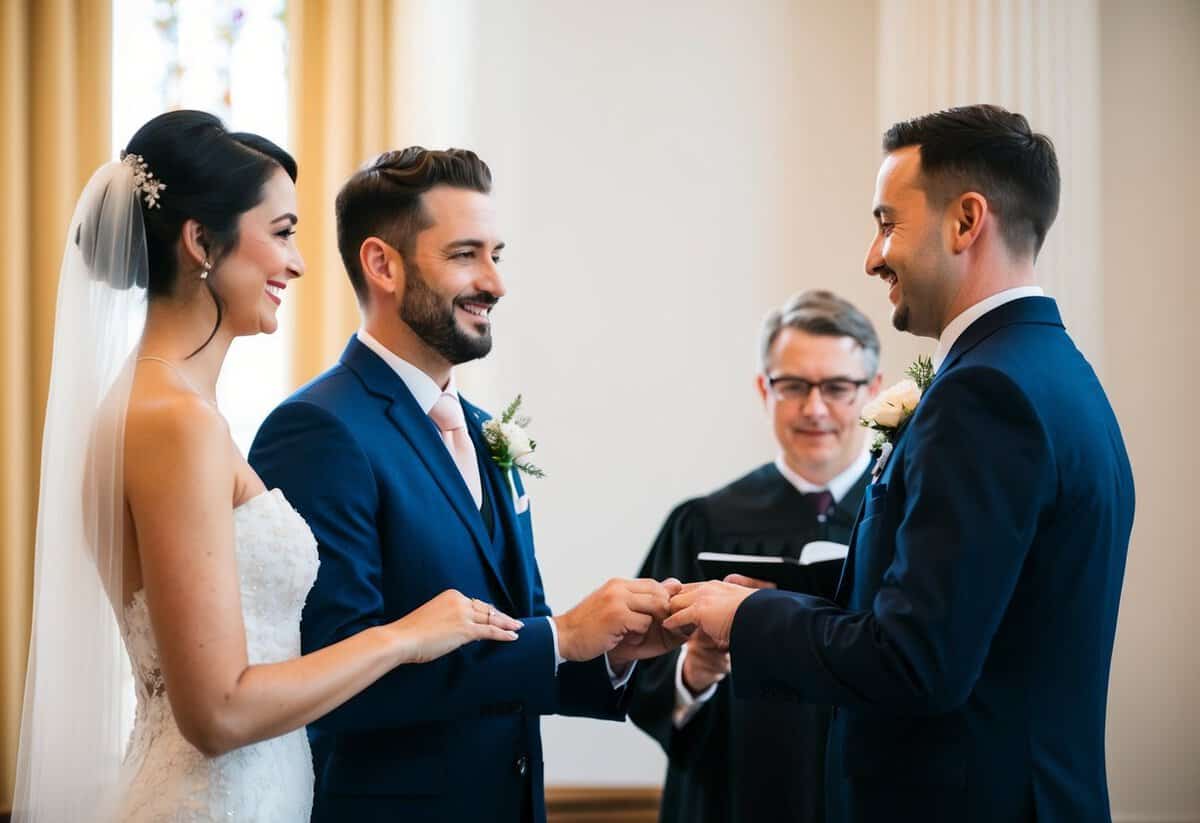
Understanding the roles and responsibilities of officiants and celebrants can help you make an informed choice for your ceremony. Each role has unique duties, especially regarding legal requirements and the ceremonies they perform.
The Role of an Officiant
An officiant is a person responsible for conducting your ceremony, whether it’s a wedding, a funeral, or any other significant event. They ensure that the ceremony follows legal requirements, which can vary by location.
For weddings, officiants often need to be ordained or hold a specific license. This allows them to perform the marriage legally. They also handle the signing of documents after the ceremony, making sure it’s all done correctly.
Public speaking skills are crucial for officiants. They need to deliver the ceremony script clearly and confidently. This can include personal vows, rituals, and readings you choose.
Make sure to communicate your vision with your officiant. Clarity about the ceremony’s tone and content helps them represent your wishes perfectly.
The Role of a Celebrant
A celebrant, on the other hand, focuses more on personalizing the ceremony. They craft unique scripts that reflect your beliefs, values, and life stories. Celebrants often conduct weddings, naming ceremonies, and memorial services.
Unlike officiants, celebrants may not have formal legal authority to marry couples. Instead, they create deeply meaningful experiences. They may help you include rituals, readings, and other elements that are personally significant.
Celebrants are skilled in public speaking too. They engage the audience and create an emotional connection during the event. This personal touch sets them apart, making the ceremony memorable and heartfelt.
Choosing a celebrant means opting for a unique, tailored experience for your special occasion.
Types of Ceremonies
Ceremonies can be among the most meaningful events in your life. Different types of ceremonies serve various purposes, making it essential to choose the right type for your needs.
Wedding Ceremonies
Your wedding ceremony can take many forms, depending on your beliefs and preferences. You might choose a traditional religious service, a civil ceremony, or a unique celebration reflecting your personality.
A celebrant often personalizes the ceremony to include your love story, vows, and any rituals that hold special meaning for you. You can also decide on elements like readings, music, and guest involvement.
Many couples are looking for a ceremony that stands out. Whether you want an intimate gathering or a large celebration, it’s crucial to communicate your vision to your celebrant or officiant.
Vow Renewals and Elopements
Vow renewals are beautiful ways to celebrate your commitment after years of marriage. This ceremony allows you to reaffirm your love and dedication.
You can create a ceremony that highlights your journey, including the struggles and triumphs you’ve faced together. This can make your vows even more meaningful. Whether you’re inviting friends and family or keeping it intimate, the choice is yours.
Elopements, on the other hand, focus on a couple’s desire for privacy and simplicity. These ceremonies often involve just the two of you and a celebrant. Choose a stunning backdrop that represents your relationship, and you’ll create a lasting memory.
Funerals and Memorial Services
Funerals and memorial services are essential for honoring a loved one who has passed away. These ceremonies provide a space for family and friends to grieve together and celebrate the deceased’s life.
A celebrant can work with you to create a service that reflects the individual’s personality, values, and beliefs. You can include readings, music, and personal anecdotes that capture the essence of your loved one.
The structure can be flexible, allowing for both traditional and modern elements. Many families appreciate the chance to share stories, making the ceremony a heartfelt tribute.
Naming and Adoption Ceremonies
Naming ceremonies celebrate the arrival of a new child and can be tailored to fit your family’s beliefs and values. These ceremonies often include special readings, blessing, and the involvement of family and friends.
You might also choose to incorporate cultural traditions or personal rituals that hold significance for you. It’s a wonderful way to welcome a child into your family and community.
Adoption ceremonies can be equally meaningful. These events symbolize the love and commitment of the adoptive parents, formally recognizing the new family bond. A celebrant can help craft a service that reflects your family’s unique journey together.
Personalizing Your Ceremony
Every couple wants their wedding to reflect their unique love story. Personalizing your ceremony makes it special and memorable. You can choose elements that truly resonate with you and your partner. This helps create a meaningful experience for everyone involved.
Incorporating a Love Story
Including your unique love story in your ceremony can make it heartfelt. You can share how you met, significant moments in your relationship, and what you love most about each other. This can be done by having your officiant tell your story or by writing a personal vow that reflects your journey together.
Consider adding anecdotes or funny stories that make your relationship special. This not only entertains your guests but also deepens the emotional connection during the ceremony. Encourage your officiant to use your love story to engage the audience while keeping it meaningful.
Cultural and Religious Elements
If you come from different cultural or religious backgrounds, think about how to blend these traditions. You might include rituals or symbols from both sides. This creates a more inclusive atmosphere, honoring your backgrounds and beliefs.
For example, you can light a unity candle, participate in a handfasting ceremony, or incorporate blessings from family members. Your officiant can guide you in selecting these elements to ensure they resonate with both you and your guests. This creates a rich tapestry that reflects your values and love.
Readings and Traditions
Selecting readings or traditions can add depth to your ceremony. You can choose poems, quotes, or passages that inspire you. Personal readings can express your feelings, reinforcing your commitment in a way that speaks to your hearts.
Consider including family members or friends to do readings, making it more interactive. This allows loved ones to play an active role in your day. Traditional vows or cultural blessings can also enhance the ceremony, making it even more meaningful.
Choosing the Right Professional for Your Ceremony
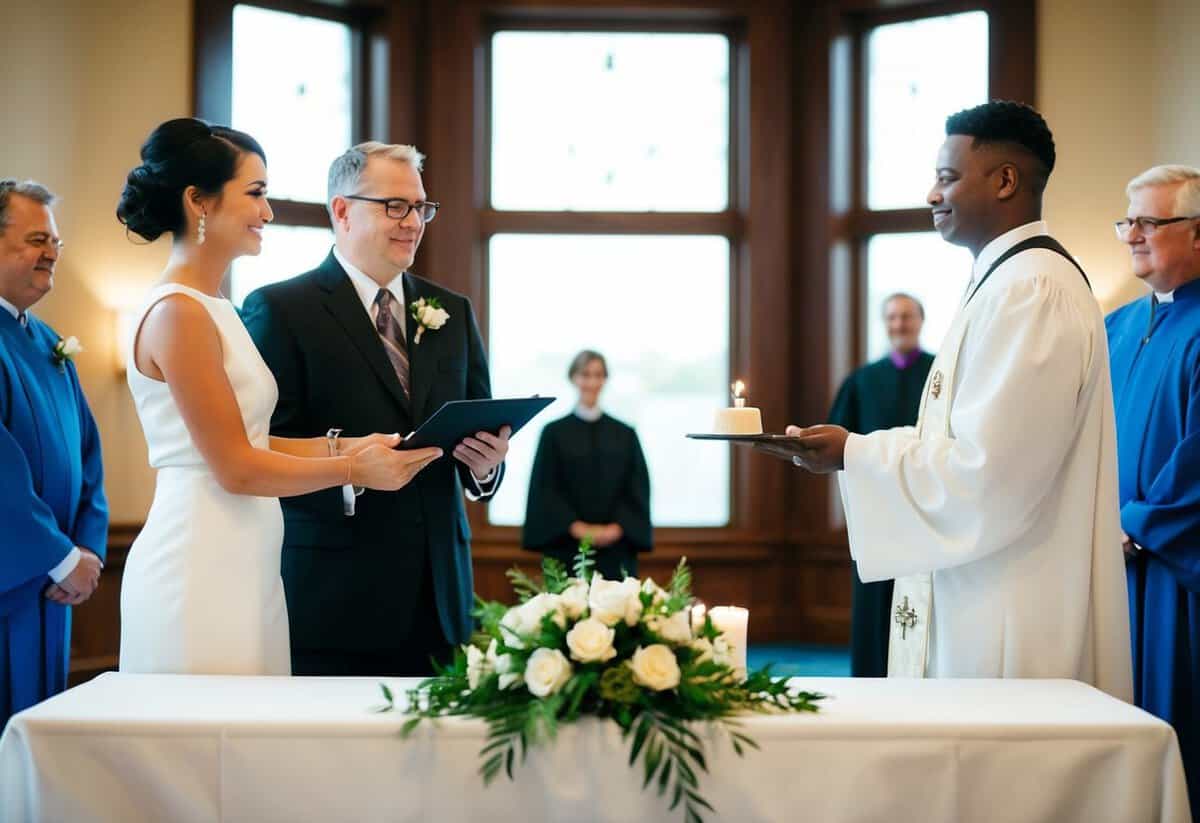
When planning your wedding day, picking the right professional is important. Do you want a celebrant or an officiant? Understanding their roles can help you decide.
Celebrants are great for personalized ceremonies. They focus on your love story and values. If you prefer a humanist celebrant, they can create a non-religious ceremony that feels special and unique.
On the other hand, officiants like a justice of the peace often handle civil ceremonies. They may have specific legal requirements to meet. This can be ideal if you want a straightforward ceremony without extra frills.
Here are some factors to consider:
- Type of Ceremony: Determine if you want a religious or secular event.
- Personal Touch: If you want a unique ceremony, a celebrant might suit you better.
- Legal Needs: Make sure your choice meets any legal requirements for officiants in your area.
Ask professionals questions. Ensure they understand your vision and are willing to work with you.
It’s also helpful to read reviews or get references. This can give you insight into their experience and style.
Ultimately, choose someone who makes you feel comfortable and excited about your wedding day. Trust your instincts, and pick the person who resonates with you.