
What is the Difference Between a Civil Celebrant and a Celebrant? Understanding Their Unique Roles
When planning a ceremony, it’s important to understand the roles of a celebrant and a civil celebrant. A civil celebrant conducts legal ceremonies, while a celebrant often focuses on creating personalized, non-religious experiences. This distinction can help you choose the right person for your special day, especially if you’re considering a celebrant-led wedding that reflects your unique beliefs and values.
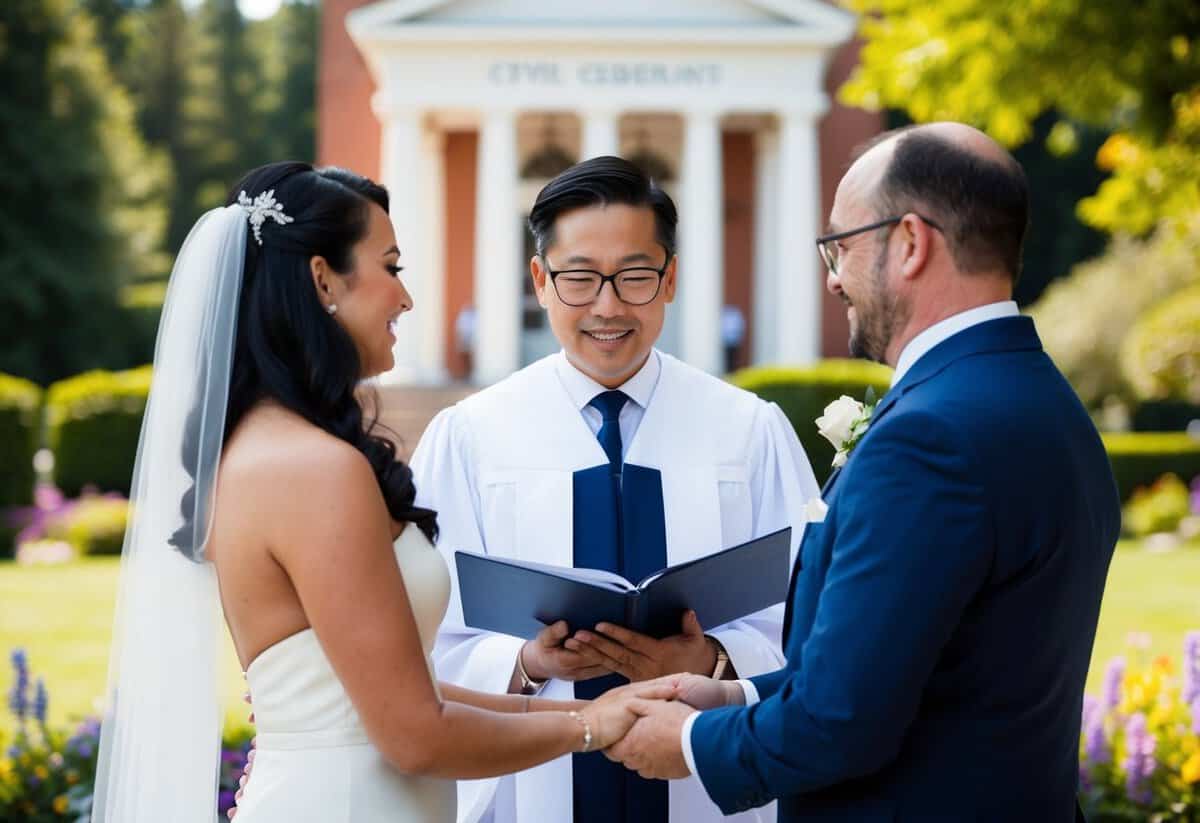
If you’re looking for a meaningful, customized ceremony, a celebrant can offer a range of options that may not be available through traditional avenues. Celebrants often work closely with couples or families to ensure the event aligns with personal wishes, making it a memorable experience. Knowing this difference can guide you in making the best choice for your celebration.
Understanding Celebrants
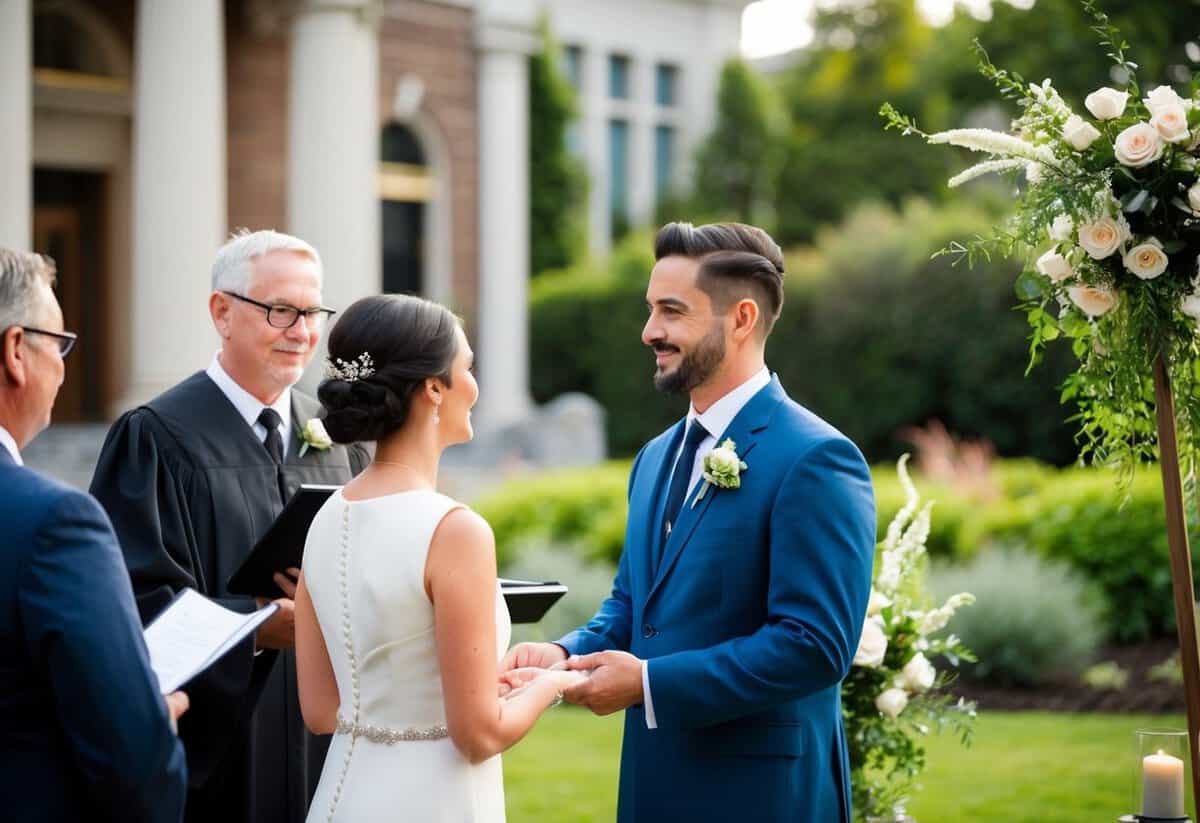
Celebrants play a vital role in various life events, from weddings to memorials. They offer personalized ceremonies that reflect the beliefs and wishes of those involved. This section will discuss their roles and responsibilities, as well as the different types of celebrants you may encounter.
Roles and Responsibilities
A celebrant is mainly responsible for creating and leading ceremonies. This can include weddings, funerals, and other significant occasions. They work closely with clients to understand their needs and desires.
Key Responsibilities:
- Consultation: Meet with clients to discuss their vision and preferences.
- Ceremony Planning: Design a unique ceremony that fits the occasion.
- Officiation: Legally officiate events, ensuring all necessary paperwork is completed.
While a civil celebrant focuses on non-religious ceremonies, a humanist celebrant emphasizes secular values. Both types share the goal of creating meaningful experiences for you and your guests.
Types of Celebrants
There are several types of celebrants to choose from, each with unique features.
- Civil Celebrant: Specializes in non-religious ceremonies like weddings and naming days.
- Humanist Celebrant: Focuses on humanist values, promoting personal beliefs without religious elements.
- Independent Celebrant: Not tied to any specific organization, allowing for personalized, flexible ceremonies.
- Ordained Minister: A religious leader who can perform both religious and non-religious events.
- Wedding Celebrant: Specifically focuses on weddings, catering to couples’ unique tastes.
- Funeral Director: Often works closely with celebrants to create memorial services.
Choosing the right celebrant helps ensure that your ceremony is just as you envisioned.
Conducting Ceremonies
Conducting a ceremony involves careful planning and seamless execution. Whether you are organizing a wedding, a naming ceremony, or a vow renewal, the details matter to create a memorable experience.
Planning the Event
Planning your ceremony is the first essential step. You need to decide on the type of ceremony—be it a civil ceremony or a bespoke, personalized event.
Key considerations include:
- Theme: Choose a theme that reflects your personality.
- Location: Select a venue that fits your vision, whether it’s indoors or outdoors.
- Participants: Decide who will be part of the ceremony, including speakers and guest roles.
It’s critical to share your vision with your celebrant. They can help you craft a unique script that embodies your story, making sure every detail aligns with your wishes. Remember to finalize any legal requirements, particularly for civil ceremonies, to ensure everything runs smoothly.
Execution on the Day
On the day of your ceremony, the execution is just as vital as the planning. Your celebrant will arrive early to set up and make any necessary arrangements.
Tips for a smooth execution:
- Communication: Keep in touch with your celebrant to address last-minute changes.
- Rehearsal: Schedule a rehearsal if possible to ensure everyone knows their roles.
- Timing: Stick to the timeline for the event to avoid rushing.
Whether it’s a wedding or a naming ceremony, your celebrant guides you through each step, from the processional to the final vows. Their role is to create a warm, inviting atmosphere that honors your special occasion.
Legal Considerations
When planning a wedding, understanding legal aspects is essential. This section covers the specific laws that apply to civil celebrants and registrars, focusing on the legal requirements surrounding marriage ceremonies.
Marriage Legislation
In many places, a wedding must be conducted according to specific legal guidelines for it to be considered valid. Civil celebrants have the flexibility to perform non-religious ceremonies but still must follow these rules to ensure that the marriage is legally binding.
You will need to complete certain legal paperwork before the ceremony. This often involves notifying your local registry office about your intention to marry. The civil celebrant must also ensure all legal wording is correctly included in the ceremony.
Without proper adherence to these regulations, a wedding may not be recognized legally, which can lead to complications later on. Therefore, communication with your celebrant about these legal aspects is crucial.
Ceremony Script Requirements
Civil celebrants offer personalized ceremonies, allowing you to incorporate your own touch. However, there are mandatory legal components that must be included in the ceremony script. These legal wording requirements ensure that the ceremony meets the standards set by law.
Typical inclusions are statements about the freedom to marry, and the couple’s consent. These must be clearly articulated to meet legal expectations.
Remember, while your celebrant can add personal stories and customs, the legal parts must remain intact. It’s a balance between customization and adherence to the laws governing marriage, ensuring your special day is also officially recognized.
The Significance of Personalization
Personalizing your ceremony is essential for creating a memorable and meaningful experience. It reflects your unique love story and makes the event truly yours. Below are key aspects to consider when bringing personalization into your ceremony.
Choosing the Right Celebrant
Selecting the right celebrant is crucial for creating a personalized experience. Not all celebrants offer the same level of customization. Look for someone who can tailor the ceremony to suit your style and preferences.
Discuss your ideas about readings, music, and vows. A good celebrant will listen to your wishes and incorporate them into the ceremony script.
Consider their experience with wedding celebrations and vow renewals as well. Check for reviews or testimonials to ensure they can deliver a ceremony that feels authentic and special to you.
Creating a Unique Experience
Creating a unique experience involves more than just words in a script. Think about how you can weave in personal elements throughout the ceremony.
You can choose special readings that resonate with your relationship. Select music that holds meaning for both of you. Personal vows can add a heartfelt touch to the ceremony.
Don’t forget the rings. Incorporating a special tradition or moment during the exchange can make it memorable. The choice of wedding venue also plays a role. Whether it’s a beach, garden, or historic site, ensure it reflects your personality as a couple. These elements make your celebration distinct and enjoyable for you and your guests.