
What is the Difference Between a Day-of Coordinator and a Venue Coordinator? Understanding Their Roles in Event Planning
Planning a wedding can be exciting, but it often comes with a lot of questions. If you’re wondering about the roles that help make your special day run smoothly, you’re not alone.
A venue coordinator focuses on the venue’s services, while a day-of coordinator manages all the details of your wedding day for you.
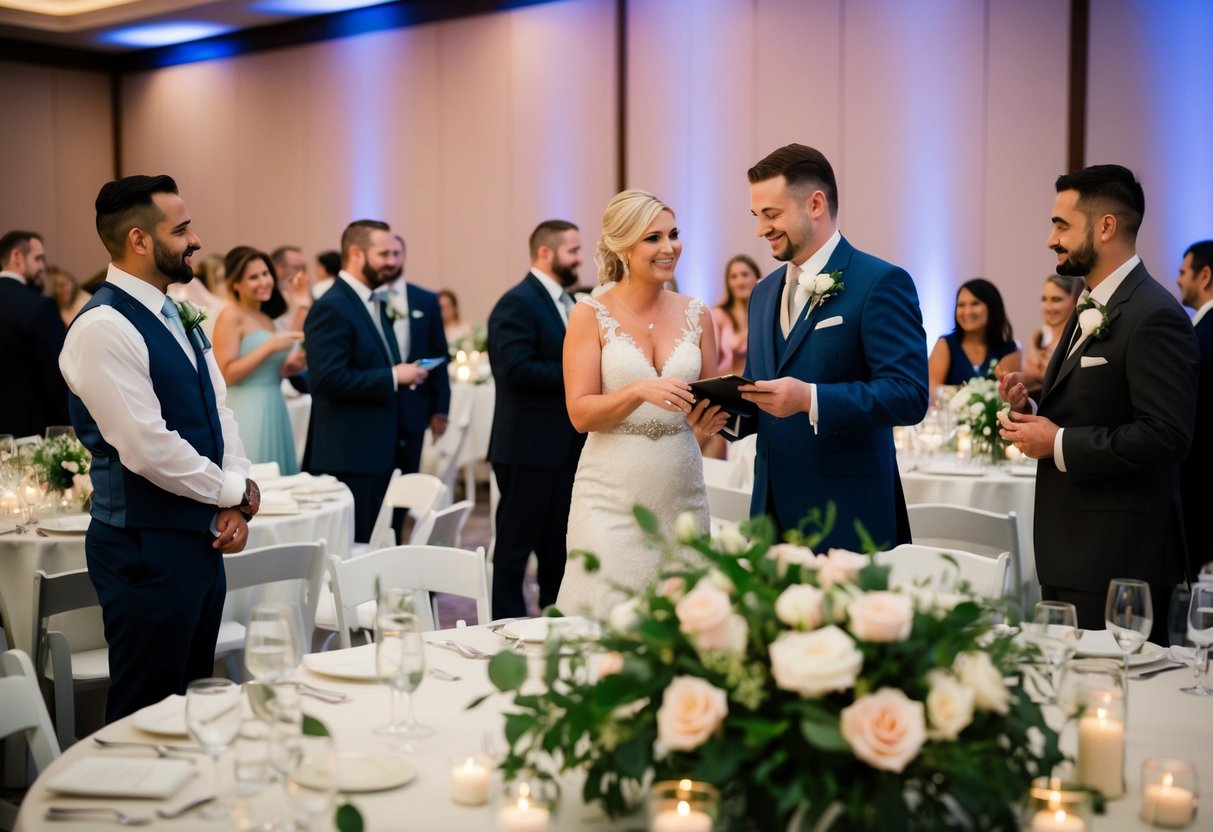
Understanding these roles can be essential as you navigate through your wedding planning. A venue coordinator assists with logistics related to the venue, ensuring everything runs according to their policies.
In contrast, a day-of coordinator acts as your personal advocate, taking care of vendors and timing, so you can enjoy every moment without stress.
Choosing the right person for these roles can greatly affect your wedding experience. By knowing what each coordinator does, you can make informed decisions that lead to a more enjoyable and memorable day.
Understanding the Role of a Day-Of Coordinator
A Day-Of Coordinator plays a crucial role in your wedding, ensuring that everything runs smoothly on your special day. They handle many important tasks, allowing you to enjoy your celebration without stress.
Responsibilities on the Wedding Day
Your Day-Of Coordinator takes charge of the wedding day logistics. They arrive early to ensure everything is set up correctly.
This includes overseeing the venue layout, checking decor, and managing vendors. They also handle any last-minute issues that may arise.
Instead of you worrying about small details, your coordinator handles them discreetly. Their goal is to keep everything on track, so you can focus on enjoying your big day.
Having this support means you can relax and soak in all the joy of the occasion.
Creating a Detailed Timeline
One of the most important tasks a Day-Of Coordinator will do is create a detailed timeline for your wedding day. This timeline outlines the schedule, including when vendors arrive, the ceremony start time, and key moments like cake cutting.
Your coordinator will share this timeline with you, your wedding party, and all vendors. This ensures everyone knows what to expect and when to be ready.
With a clear timeline, everyone can stay organized and focused on the festivities.
This level of preparation makes a big difference in creating a seamless and enjoyable experience for you and your guests.
Being the Point of Contact
Your Day-Of Coordinator serves as the main point of contact on the wedding day. They communicate directly with all vendors, managing timelines and addressing any questions or needs that come up.
If any issues arise, your coordinator is there to manage them without involving you. This way, you can focus on your celebration and enjoy every moment with your loved ones.
With this personal advocate by your side, you can trust that everything is taken care of, allowing you to be fully present on your special day.
Defining the Role of a Venue Coordinator
A venue coordinator plays a vital part in making your event run smoothly. They focus on managing the venue aspects, ensuring that all policies and logistics are in order. Here are some key responsibilities they handle.
Venue Policies and Logistics
Understanding venue policies is essential for a successful event. Venue coordinators are knowledgeable about rules regarding music, catering, and decor.
They’ll help you navigate these guidelines to avoid any surprises. You’ll need to discuss the layout and flow of your event.
The venue coordinator will ensure that everything fits the space and meets safety codes. They consider details, like exits and accessibility, which are crucial for your guests’ experience.
Being aware of the venue’s logistical requirements means fewer last-minute changes or issues.
Coordination with the Venue
Your venue coordinator acts as a bridge between you and the venue staff. They handle all communication, so you don’t need to worry about orchestrating that detail.
Having a dedicated person for venue coordination means they’ll be available on your event day. This allows you to focus on enjoying your celebration without concern for any venue-related issues.
They’ll address any concerns or adjustments needed during the event, ensuring everything goes as planned.
This level of coordination leads to a more organized and less stressful experience for you and your guests.
Venue-Specific Tasks
A venue coordinator handles various venue-specific tasks. They are responsible for setting up tables, chairs, and other necessary arrangements based on your instructions.
They also ensure that all equipment, like sound systems and lighting, is functioning properly. If any issues arise, they are on hand to troubleshoot or make quick changes.
Additionally, they will coordinate with any other vendors, like caterers and decorators, to ensure everyone is on the same page. This teamwork helps create a seamless and enjoyable event for you and your guests.
Comparing Day-Of and Venue Coordinators
When planning your wedding, it’s important to know the roles of your support team. Both day-of coordinators and venue coordinators serve different purposes that can shape your wedding experience.
Day-of Coordinator
Your day-of coordinator focuses entirely on you and your needs. They manage the wedding day timeline, ensuring everything goes smoothly from the ceremony processional to the first dance. Their goal is to reduce stress and give you peace of mind.
Venue Coordinator
A venue coordinator works for the location of your event. They handle details related to the venue, such as layout, catering, and safety checks. While they ensure the venue is ready, they may not manage outside vendors you hire.
Key Differences
| Aspect | Day-of Coordinator | Venue Coordinator |
|---|---|---|
| Focus | You and your wedding day | The venue and its operations |
| Responsibilities | Timeline, logistics, vendor coordination | Venue setup, safety, and services |
| Personalization | Tailors details to fit your vision | Limited to venue-specific guidelines |
| Stress Reduction | Provides support and solves problems | Ensures venue functions smoothly |