
What is the Difference Between a Wedding Coordinator and Planner? A Friendly Guide to Their Roles
When planning a wedding, understanding the roles of a wedding coordinator and a wedding planner can make your journey smoother. A wedding planner takes charge of the entire planning process, while a wedding coordinator focuses on managing the details and execution on the big day. Knowing this difference can help you decide which professional best fits your needs.
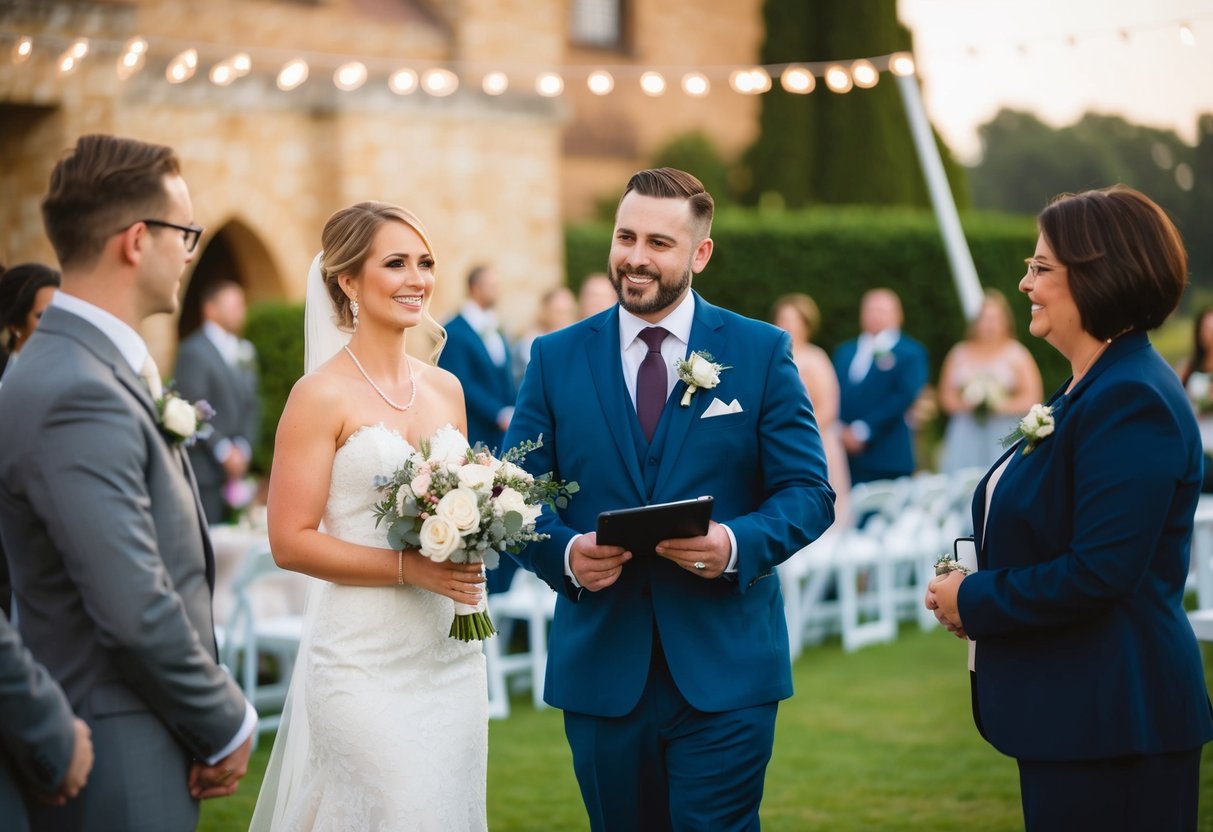
In the busy world of the wedding industry, you want someone who can ease your stress and ensure everything runs smoothly. A planner will assist with budgeting, vendor selection, and overall design. Meanwhile, a coordinator will step in closer to the date to handle logistics and problem-solving. This distinction is crucial in helping you navigate your options.
Whether you’re knee-deep in planning or just starting, choosing the right support can impact your experience significantly. Understanding the key differences between these roles will help you make an informed decision that aligns with your vision for your special day.
Defining the Roles

Knowing the differences between a wedding planner and a wedding coordinator can help you choose the right support for your big day. Each role has its unique responsibilities and involvement in the planning process.
What Is a Wedding Planner?
A wedding planner is your go-to person from the very start of your wedding journey. They help you plan every detail of your event, from setting a budget to finding the right venue.
Their services often include vendor coordination, allowing you to relax knowing that all your suppliers are well-managed. Planners also create the overall design of your wedding, ensuring that everything matches your vision.
If you want a seamless experience, a full-service wedding planner can be invaluable. They take care of every component, allowing you to focus on enjoying your engagement.
What Is a Wedding Coordinator?
A wedding coordinator steps in closer to your wedding day, typically a few weeks prior. Their main job is to execute all the plans you and your planner have made. They focus on making sure everything goes smoothly on your special day.
Coordinators manage the timeline and logistics, overseeing vendor arrivals and ensuring that each part of the event happens on schedule. They are often the point of contact for all vendors, which helps ease your stress.
With a coordinator, you can relax knowing that the details are in capable hands, allowing you to enjoy your day without worrying about minor issues.
Core Responsibilities

Understanding the core responsibilities of a wedding planner and coordinator helps you decide who to hire. Both roles are essential for a smooth wedding, but they have distinct duties and focus areas.
Wedding Planner Duties
A wedding planner guides you through the entire wedding planning process. They help with budgeting, timeline management, and vendor selection. This includes finding caterers, florists, and photographers who fit your style and budget.
They also assist with venue selection. This means they find and book a location that matches your vision and accommodates your guest list.
In addition, the planner is responsible for the overall design and styling of your wedding. This involves creating a cohesive look that ties everything together. Planners also communicate with vendors leading up to the big day, ensuring everyone is on the same page.
Wedding Coordinator Duties
A wedding coordinator steps in closer to your wedding day, focusing on day-of execution. They manage the logistics, making sure everything runs smoothly. This includes overseeing the setup of the venue and coordinating with vendors, ensuring they arrive and set up on time.
Coordinators excel at troubleshooting any issues that arise on the wedding day. Whether it’s a last-minute change in the schedule or a vendor delay, they handle it calmly. Their role is to take the stress off you so that you can enjoy your day.
On the day of the wedding, coordinators handle all on-the-day coordination, guiding your bridal party and guests through the schedule. They keep an eye on the details, making sure everything aligns with your vision while allowing you to focus on making memories.
When to Hire

Knowing when to hire a wedding planner or a wedding coordinator can help make your big day stress-free. Each role serves different purposes and comes into play at different times during the wedding planning process.
Choosing a Wedding Planner for Your Big Day
Hiring a wedding planner early in the process is key. This professional can help you from the beginning, assisting with everything from budgeting to vendor selection.
You might want to consider a wedding planner if you desire a seamless experience and expert guidance. Planners manage the logistics involved in your event and can save you from overwhelming stress. They have experience in negotiating contracts and ensuring quality.
If you have a vision but lack the time or knowledge to execute it, a planner might be the ideal fit for you.
You can expect to hire a wedding planner several months to a year before your wedding. This way, you ensure ample time for planning and adjustments. Their proactive approach can make your wedding day smoother.
Opting for a Wedding Coordinator
A wedding coordinator is generally best for last-minute details and managing your wedding day logistics.
You should hire a wedding coordinator if you have your plans in place but want help with execution. This professional typically comes into play a few months before the event or on the wedding day itself.
Coordinators focus on making sure everything runs smoothly. They are your go-to person for handling vendor communication, timeline management, and any unexpected issues that may arise. Their goal is to create a stress-free wedding experience for you and your guests.
You might hire a coordinator if you have already arranged most details or if your venue has its own coordinator. This ensures you have support on the day without needing a full-service planner.
Benefits and Considerations

Hiring a wedding planner can bring many benefits to your special day. They help you refine your wedding vision and ensure everything aligns with your dreams. Planners also manage budget management, so you avoid overspending.
A wedding coordinator often steps in closer to your big day. They focus on executing details, which reduces wedding-related stress for you. Coordinators create a day-of timeline, ensuring everything flows smoothly.
If you’re considering a destination wedding, a planner can simplify logistics. Their vendor connections can lead to trusted caterers, photographers, and florists, saving you time. You can enjoy your planning while they handle the behind-the-scenes work.
For couples with a larger guest count, planners help manage seating arrangements and catering needs efficiently. This ensures your guests have a memorable experience without overwhelming you.
In contrast, a coordinator is perfect if you’ve planned most of the wedding yourself. They oversee the day to ensure all goes according to plan. This allows you to relish every moment without worrying about the details.