
What is the Difference Between a Wedding Planner and a Wedding Organizer? Your Guide to Wedding Coordination Roles
When planning your big day, you might wonder about the roles of a wedding planner and a wedding organizer. A wedding planner takes care of the entire planning process, while a wedding organizer focuses on the logistics during the event day. Knowing the difference can help you choose the right support for your wedding needs.
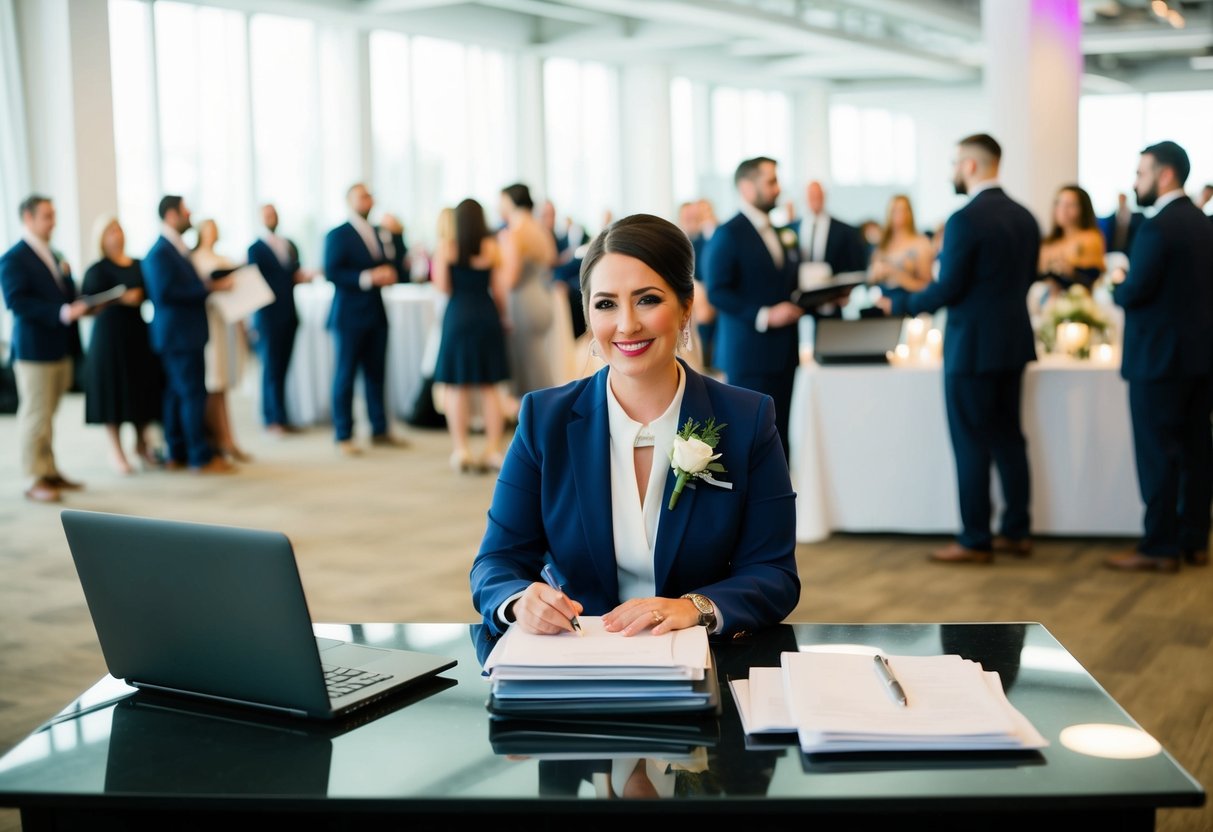
A wedding planner is your go-to professional for everything from budget management to vendor selection. They help shape your vision and ensure all details come together smoothly. On the other hand, a wedding organizer usually steps in closer to the event to manage the flow of the day itself, making sure everything runs without a hitch.
Understanding these distinctions will not only relieve stress but also clarify what type of professional you need to create your dream wedding. With the right help, your special day can be one to remember for all the right reasons!
Defining Roles

When planning a wedding, it’s essential to understand the distinct roles of a wedding planner and a wedding organizer. Each has specific duties that contribute to your special day.
What Does a Wedding Planner Do
A wedding planner is your go-to person for comprehensive planning. They take charge of the entire process, from the initial vision to the final details. This includes tasks like:
-
Budget Management: They help you set a budget and stick to it, ensuring you get the most value.
-
Vendor Selection: Planners research and recommend venues, caterers, and other vendors that fit your style and budget.
-
Design and Theme: They assist in creating the theme, choosing decorations, and planning the layout of the event.
-
Timeline Creation: A planner develops a detailed timeline, keeping everything organized and on track.
-
Ongoing Communication: Your planner stays in touch with vendors, ensuring everyone is aligned with your vision.
Duties of a Wedding Organizer
A wedding organizer typically focuses on the logistics of the wedding day itself. They may not be involved in the planning stages, but their role is crucial for smooth execution. They handle many responsibilities, such as:
-
Day-of Coordination: Organizers oversee the venue setup, ensuring everything is in place before you arrive.
-
Point of Contact: They act as a liaison between you and your vendors, managing questions and concerns throughout the day.
-
Problem Solving: If issues arise, such as delays or last-minute changes, organizers handle them swiftly to keep your day stress-free.
-
Schedule Management: They ensure the event runs on schedule, managing the timing of each part of the ceremony and reception.
Planning Process and Coordination
Planning a wedding involves careful organization and coordination to ensure everything runs smoothly. You will need to focus on managing timelines, budgeting, and selecting the right vendors for your special day.
Timeline Management
Creating a timeline is crucial in the wedding planning process. It helps you keep track of important dates and deadlines.
Start by determining your wedding date and working backward.
Use a checklist to outline key tasks like booking venues, hiring vendors, and sending invitations.
This timeline should also include deadlines for when you need to make deposits or final payments.
By staying organized, you ensure that everything aligns as your big day approaches.
A well-managed timeline helps reduce stress and keeps everyone on the same page.
Budgeting and Vendor Communication
Effective budgeting is essential to avoid overspending. Start by setting a clear budget and prioritize what matters most to you.
Identify fixed costs like venue fees, catering, and attire. Next, allocate funds for each category, leaving room for unexpected expenses.
Communicating with vendors is equally important.
Keep an open line of contact to discuss your budget and needs.
Clear communication can prevent misunderstandings and ensure that vendors deliver what you expect.
Consider using budgeting tools or apps to track your expenses and maintain control.
Vendor Selection and Coordination
Choosing the right vendors can make a big difference in the success of your wedding.
Start by researching local options like photographers, florists, and caterers, and ask for recommendations from friends, family, or wedding planners.
When selecting vendors, compare their styles, availability, and pricing.
After choosing your vendors, coordinate with them about details like timelines and preferences.
You may want to schedule meetings or calls to ensure everyone understands the plan.
Continued contact keeps vendors informed and helps your wedding day go off without a hitch.
Event Design and Execution

Creating a memorable wedding involves both design and execution. This includes bringing your unique wedding vision to life through thoughtful concepts and careful planning. Let’s explore how these elements come together.
Crafting the Wedding Vision
Your wedding vision is the foundation of your celebration. It should reflect your personality and style. Think about themes such as rustic, modern, or classic. Each theme will influence everything from your color palette to your floral design.
Start by gathering inspiration. Create a mood board with images that resonate with you. This can include colors, fabrics, and styles. A clear vision helps a planner or designer understand what you want, ensuring they execute your ideas accurately.
Involving your planner or designer in this process is essential. They can suggest ideas and help refine your vision. This collaboration makes your wedding truly special and personal.
Design Concept and Decor
The design concept includes various elements like floral arrangements, stationery, and other decor aspects. It’s about turning your vision into a tangible reality.
First, select colors that represent your theme. This will guide your choices in everything from table settings to invitations. Next, choose floral designs that fit your vision. Discuss with a florist to find arrangements that enhance your overall design.
Don’t forget about your stationery. This includes invites, programs, and thank-you cards. These can set the tone for your wedding and provide guests with a glimpse of your theme.
By working closely with your planner and designers, you can ensure that every detail aligns with your vision. This attention to design and execution leads to a beautifully coordinated event.
Special Considerations

When planning a wedding, certain factors can significantly affect your experience. Understanding the specific roles of a wedding planner and organizer in unique situations is key. Here are some important aspects to keep in mind.
Destination Weddings and Logistics
Planning a destination wedding presents unique logistics challenges. You will need to consider travel arrangements for guests and yourself. A wedding planner typically handles these details expertly. They can assist with venue selection, local vendor recommendations, and accommodations.
Key Logistics to Consider:
- Travel: Organizing flights and transfers.
- Accommodations: Booking hotels or rentals for guests.
- Legal Requirements: Understanding marriage laws in your chosen destination.
A wedding organizer can help with the day-to-day details once you arrive. This includes managing local vendors and ensuring everything aligns with your plan. Their expertise ensures a smooth process, making your wedding day stress-free.
Troubleshooting and Day-of Details
On the wedding day, things may not go as planned. This is where a wedding organizer shines. They focus on troubleshooting any issues that arise. Having someone on-site is essential.
From unexpected weather changes to late vendors, a wedding organizer can handle it all.
Day-of Timeline Tips:
- Create a schedule: Make sure everyone knows their roles.
- Checklists: Have comprehensive lists for each vendor and task.
Your wedding planner will have set the timeline, but your organizer will implement it. You can relax, knowing that any hiccup will be managed. They will handle the timing and coordination so that you can enjoy your special day.