
What is the Difference Between a Wedding Planner and a Wedding Stylist? A Friendly Guide to Their Roles
When planning your big day, you might confuse a wedding planner with a wedding stylist. The key difference is that a wedding planner handles the logistics and overall coordination, while a wedding stylist focuses on the aesthetics and visual design. Understanding this distinction can help you choose the right professional for your needs.
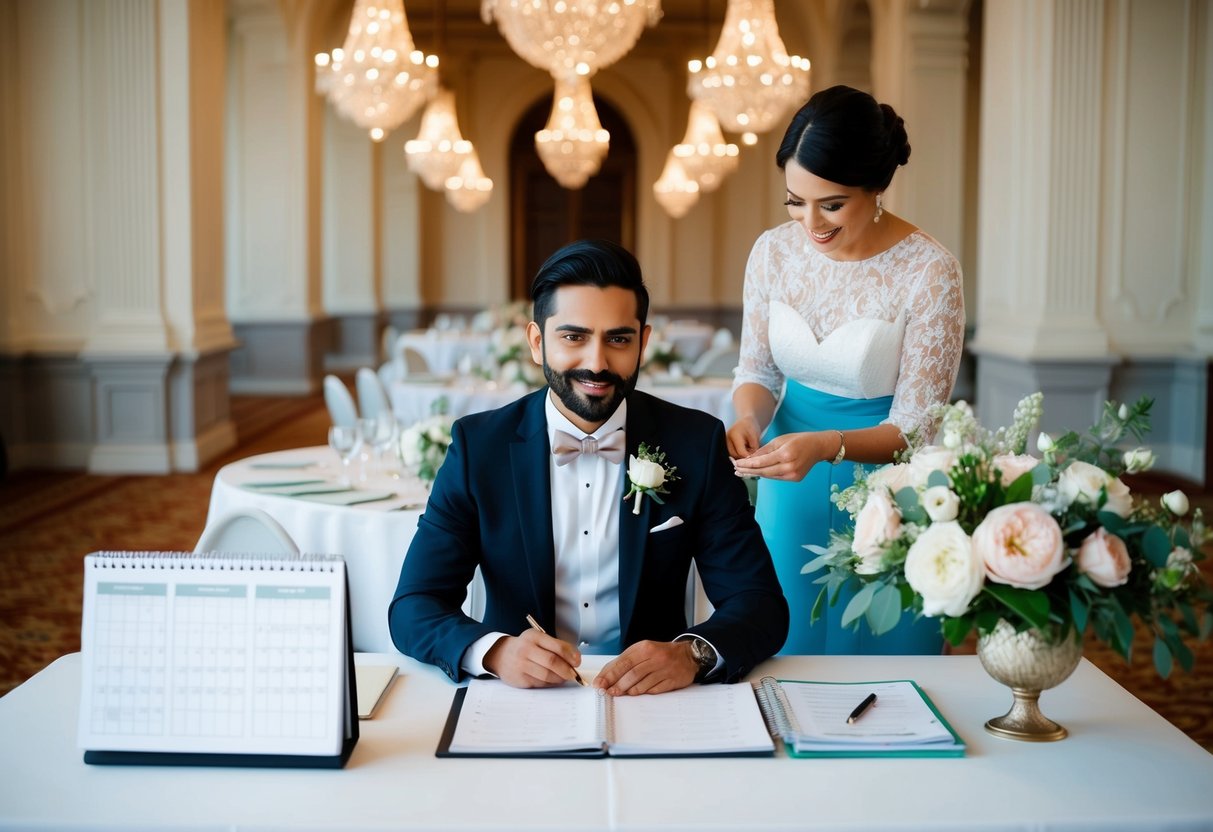
A wedding planner is your go-to person for managing timelines, budgets, and vendor communications. They ensure everything runs smoothly on the day of the event.
On the other hand, a wedding stylist brings your vision to life by selecting colors, decorations, and layouts that reflect your style. Their expertise in design can turn your ideas into a stunning reality.
By knowing the roles of these two important players in the wedding industry, you can make informed decisions that lead to a beautiful and well-organized celebration. Whether you need help with planning or styling (or both!), understanding these differences will help you create the perfect day.
Roles and Responsibilities

Understanding the distinct roles of a wedding planner and a wedding stylist is key to successful wedding planning. Each plays a unique part in making your special day happen smoothly and beautifully.
What Does a Wedding Planner Do?
A wedding planner takes on the role of your event manager. They handle all the logistics to ensure everything runs smoothly.
This includes tasks like organizing meetings with vendors, managing contracts, and setting timelines for the big day.
You can expect them to assist with budgeting as well. They often know how to find the best deals through their industry connections.
A wedding planner also coordinates with the venue coordinator on the day of the event, ensuring that everything aligns with your vision and schedule.
What Does a Wedding Stylist Do?
A wedding stylist focuses on the look and feel of your wedding. They create the visual theme, from color schemes to floral arrangements.
A stylist pulls together elements like centerpieces, lighting, and decor to coordinate with your preferences.
Unlike planners, stylists may not handle logistics. Their goal is to express your personality through aesthetics.
This includes working closely with vendors to ensure that the design elements match your vision. An effective stylist makes your dream wedding visually stunning and cohesive while leaving the planning details to the wedding planner.
Planning and Coordination
When planning a wedding, two major roles come into play: planning and coordination. Each has different responsibilities and focuses to help ensure your special day goes smoothly. Understanding both aspects can help you choose the right support for your needs.
The Art of Planning
Wedding planning involves outlining the entire process. As you start, you’ll set a budget and select your wedding venue.
A good planner helps you pick the right place that fits your vision and price range. They also focus on details like themes, colors, and timelines.
Your planner will help you create a guest list and manage RSVPs. This part is essential for knowing how many people to expect.
They will also connect with vendors, from caterers to photographers, ensuring all services run seamlessly. The planner’s goal is to turn your ideas into reality.
Coordination and Management
Coordination is where the planner ensures everything fits together. This role usually kicks in as the wedding day approaches.
They confirm bookings and double-check details with all vendors.
On the big day, your coordinator manages the schedule. They work to ensure things stay on track, from the ceremony to the reception.
Their attention to timing helps your day flow without hiccups. You can relax knowing someone is overseeing all moving parts.
In essence, while planners focus on creating the wedding, coordinators ensure that everything happens as planned. This teamwork is key to a successful celebration, allowing you to enjoy every moment.
Design and Aesthetics

When planning your wedding, design and aesthetics play a crucial role in creating the perfect atmosphere. Here are important aspects to focus on, such as crafting the wedding vision, choosing the right color palette, and incorporating visual elements.
Crafting the Wedding Vision
Creating a wedding vision starts with your personal style and preferences. Think about the theme you want, whether it’s rustic, elegant, or bohemian.
A mood board can help visualize your ideas. Gather images that represent your desired vibe, including colors, textures, and decor.
This board not only guides your choices but also communicates your vision to your planner and stylist.
You want every detail to reflect your story and personality.
Choosing the Right Color Palette
Selecting a color palette sets the tone for your wedding. Start with two to three main colors that resonate with you.
Consider seasonal influences, like soft pastels for spring or rich jewel tones for fall.
Colors evoke emotions. For example, blues can create calm, while bold reds energize the space.
Be mindful of how colors work together. They should complement each other to enhance the overall look.
Once your palette is chosen, you can apply it to your invitations, flowers, and decor.
Incorporating Visual Elements
Incorporating visual elements is where your vision comes to life. Think about centerpieces, backdrops, and table settings.
Each piece should align with your overall design.
Using the color palette, choose flowers, linens, and decorative items that enhance your theme.
Consider unique touches, like personalized signage or themed table numbers.
Textures also matter. Mixing materials like wood, glass, and fabric adds depth and interest.
Ensure these elements work together to create an inviting and cohesive atmosphere for your guests.
Collaboration with Vendors
When planning your wedding, working with the right vendors is crucial. It creates a seamless flow between your vision and execution. This section will focus on the key areas of collaboration with styling suppliers and lighting suppliers.
Working with Styling Suppliers
When collaborating with styling suppliers, clear communication is key.
Share your vision and theme early on. This helps suppliers understand your taste and style preferences.
Consider creating a mood board with colors, textures, and decor items that inspire you. This visual aid makes it easier for suppliers to grasp your ideas.
Ask about their previous work to ensure their style aligns with yours. Discuss timelines and delivery schedules to avoid any last-minute surprises.
Establish a budget and work within those limits, as this helps you prioritize essential items.
Trust your suppliers’ expertise while also sharing your unique ideas. They can offer valuable insights and suggestions to enhance your vision.
Coordination with Lighting Suppliers
Lighting plays a vital role in setting the mood for your wedding. Coordination with lighting suppliers starts with understanding your venue and layout.
Discuss different lighting options—such as uplights, string lights, or chandeliers. Each option can create a unique atmosphere for your event.
Be specific about the times when you need lighting set up. This ensures everything is ready before guests arrive.
A timeline helps avoid confusion and keeps everything on track.
You should also address power requirements and placement of lighting fixtures. The suppliers can guide you on what will work best for your venue.
By sharing your overall vision with lighting suppliers, they can suggest ways to highlight key areas, such as the dance floor or head table. This collaboration brings your wedding ambiance to life.