
What Is the Difference Between Eloping and Getting Married? Exploring Your Relationship Options
When planning a special day to celebrate your love, you might wonder about the choices ahead.
The main difference between eloping and getting married in a traditional wedding lies in the scale and focus of the event. A wedding can include various guests and elaborate traditions, while elopements offer a more intimate experience centered solely on you and your partner.
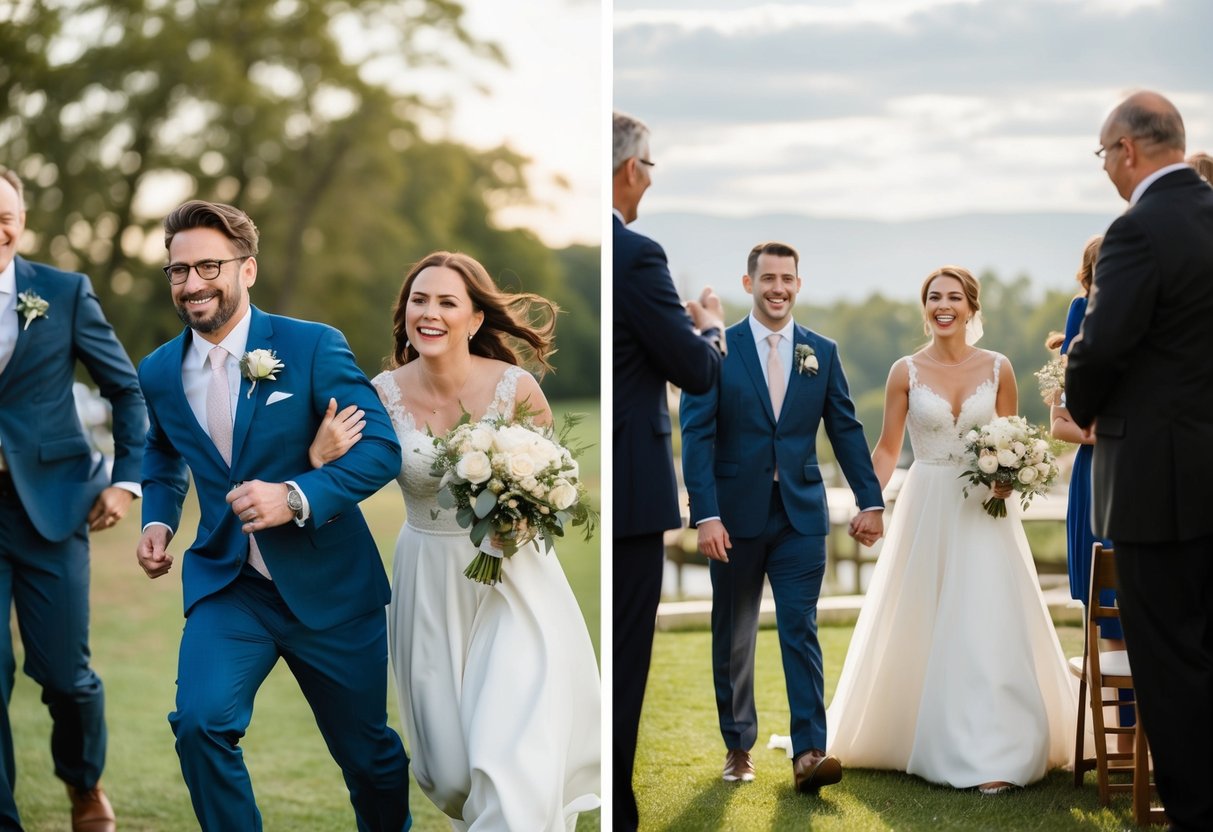
Elopements are often chosen by couples looking for a unique way to express their commitment without the pressures of a large gathering. You might find yourself saying your vows in a breathtaking location, whether it’s a scenic mountain or a quiet beach.
On the other hand, traditional weddings usually emphasize family involvement, rituals, and larger celebrations, making them a different kind of experience altogether.
Understanding these differences can help you decide which path fits your vision of love and marriage. Whether you crave an intimate elopement or a large wedding surrounded by friends and family, what’s most important is that the day reflects your unique bond.
Understanding Elopement
Elopement offers a unique way to celebrate love with simplicity and intimacy. This section covers what elopement is, why couples choose this path, and how to effectively plan an elopement.
Defining Elopement
Elopement is the act of getting married without a large ceremony or many guests. Traditionally, it meant running away to marry secretly. Today, it often means a private ceremony that focuses on the couple’s connection.
Many couples choose stunning locations like national parks for their elopement, adding an adventurous touch. The focus is on an authentic wedding experience tailored to your desires.
Elopements usually have a smaller guest count or none at all, allowing couples to enjoy intimacy and privacy.
Reasons for Choosing to Elope
Many couples opt to elope for various reasons. One key reason is the desire for simplicity. Planning an elaborate wedding can be stressful and time-consuming. Eloping minimizes that hassle, leading to a more enjoyable experience.
You may also value adventure and want to marry in extraordinary locations. Whether it’s a mountaintop, a beach, or even a cozy courthouse, the choice is yours.
Cost is another factor. Traditional weddings can be expensive, while an elopement can be much more affordable, allowing you to allocate funds towards a memorable experience or even a luxurious honeymoon.
Planning an Elopement
Planning an elopement is exciting and much less stressful than organizing a large wedding.
Start by selecting a location that speaks to you and your partner. This could be a scenic overlook, a forest, or a charming town hall.
Next, consider the guest list. Many couples prefer a completely private ceremony, while others invite close family and friends.
Don’t forget the details, like hiring an elopement photographer to capture your special day. Lastly, ensure you obtain your marriage license in your location. With thoughtful planning, your elopement can be an unforgettable celebration of love.
Exploring Traditional Weddings
Traditional weddings are grand celebrations designed to honor the couple’s love. These events often involve various customs and bring together family and friends. Let’s look closer at what makes these weddings special.
Characteristics of Traditional Weddings
A traditional wedding typically features a formal ceremony, often held in a venue suited for the occasion. You will usually have a defined guest list that can range from a few dozen to several hundred people. This includes family, friends, and sometimes colleagues.
The wedding day often follows established rituals, such as exchanging vows and rings. An officiant usually leads the ceremony, emphasizing the couple’s commitment. You might also include cultural or religious traditions that add a personal touch.
Additional elements may include music, readings, and special rituals that symbolize your journey as a couple. These characteristics create a unique atmosphere filled with love and significance.
Aspects of Wedding Planning
Planning a traditional wedding involves many moving parts. You need to create a wedding budget that covers everything from the venue and catering to flowers and photography.
Choosing the right vendor is crucial, as they’ll help bring your vision to life.
You will also need to select the perfect wedding venue that fits your style, whether it’s a church, garden, or banquet hall.
Additionally, coordinating the guest experience is key. Think about invitations, seating arrangements, and accommodations.
Don’t forget about the timeline for the day. This includes the ceremony, reception, and any special moments you want to highlight, such as the first dance or cake cutting. All these aspects shape your overall wedding experience.
Celebrating with Family and Friends
A hallmark of traditional weddings is the involvement of family and friends. The celebration allows loved ones to share in your joy and witness your commitment. Their presence enriches the experience, making it memorable for everyone.
You can encourage guest involvement in various ways, such as having them participate in readings or form special roles during the ceremony.
The reception often features a feast, music, and dancing, inviting everyone to join the festivities. Planning activities and entertainment helps maintain a joyful atmosphere, ensuring all guests feel part of the celebration of love.
Comparing Elopements and Weddings
When choosing between elopements and weddings, understanding their key differences can help you make the best decision for your special day. This section will look at size and scope, the nature of the ceremony, financial aspects, and emotional considerations.
Size and Scope
Elopements are typically small, intimate affairs. You may find yourself exchanging vows in a secluded spot with only a few witnesses or even just the officiant. The focus is on you and your partner, creating a meaningful experience without the pressure of a large crowd.
Weddings, on the other hand, can vary greatly in size. You might invite anywhere from a small group of friends and family to hundreds of guests. This can create a festive atmosphere, filled with celebration, but it often comes with more planning and stress.
Nature of the Ceremony
An elopement ceremony allows for more flexibility and personalization. You can choose your location, whether it’s a scenic mountain top, a quiet beach, or even a charming little courthouse.
The ceremony can be short and sweet, reflecting your unique love story without many traditional elements.
Weddings often include established traditions, such as a formal venue, specific rituals, and a detailed schedule. This can add layers of meaning but might also limit your creativity. While some couples appreciate these customs, others might find them constrictive.
The Financial Aspect
Cost is a significant factor when weighing elopement versus a traditional wedding.
Elopements can be more budget-friendly, as you need fewer resources. You can often save on venue costs, catering, and decorations, allowing you to spend your money on other experiences, like a honeymoon or adventure.
Weddings can quickly add up in expenses. From venue rentals to food, decorations, and guest accommodations, the costs can be substantial. However, you do have the opportunity to allocate your budget for “must-haves,” which might include special touches like a stunning cake or personalized favors.
Emotional Considerations
An elopement often fosters a deep sense of intimacy. Without a large audience, you and your partner can focus entirely on each other and your love. This privacy may also help reduce stress, allowing you to truly enjoy the moment without distractions.
Weddings can be emotionally fulfilling, too. Celebrating your relationship in front of family and friends brings a unique joy. However, the pressure of entertaining guests and adhering to traditions can sometimes take away from the emotional connection.
It’s essential to consider what feels right for you as a couple when making your decision.