
What is the Difference Between Event Planner and Wedding Planner? Understanding Their Unique Roles
When planning an event, knowing who to hire can be confusing. A wedding planner focuses specifically on creating the perfect wedding experience. Meanwhile, an event planner caters to a wider range of events. Understanding this difference can help you make the right choice for your special day or any other occasion.
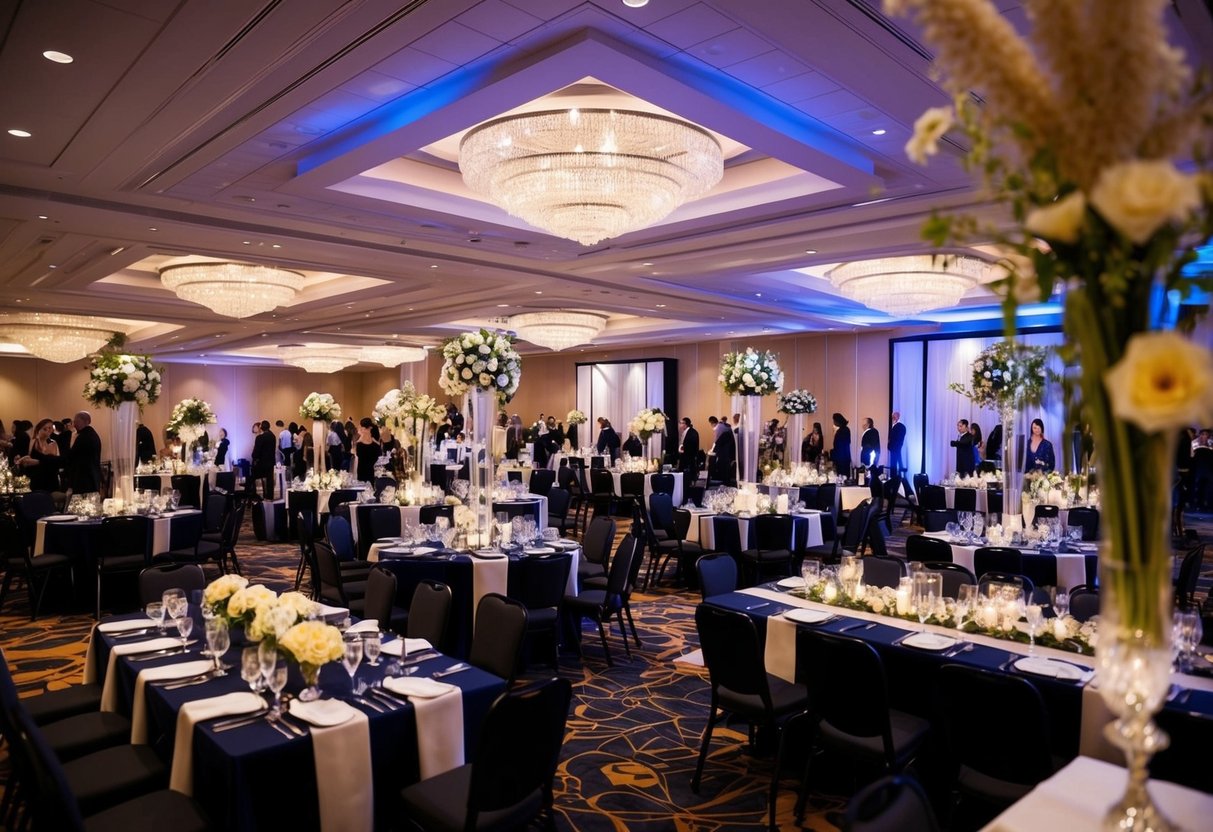
If you’re getting married, a wedding planner can manage everything, from venue selection to floral arrangements. They work closely with you throughout the planning process to ensure your vision comes to life. On the other hand, an event planner is skilled in organizing various types of events, which might include corporate gatherings or parties. This makes them versatile but less specialized in weddings.
Choosing between a wedding planner and an event planner depends on your needs. If you want someone who knows the ins and outs of wedding specifics, a wedding planner is your best bet. However, for broader event planning help, an event planner could be the way to go.
Understanding the Roles

When it comes to planning special occasions, distinguishing between a wedding planner and an event planner is crucial. Each type of planner has unique responsibilities and expertise, which can significantly impact your event’s success.
Defining a Wedding Planner
A wedding planner focuses specifically on organizing weddings. They guide you through the entire wedding planning process, from selecting a venue to managing timelines. Your wedding planner is knowledgeable about wedding traditions and can ensure all aspects fit your style and preferences.
They often have strong relationships with vendors, which can make coordination smoother. Their expertise helps you create a memorable wedding experience that reflects your personality and desires. A wedding planner also assists with event logistics, ensuring everything runs on schedule on your big day.
Defining an Event Planner
An event planner handles a wide range of events beyond just weddings. This includes corporate events, conferences, and unique gatherings. Their versatility allows them to adapt their skills to various occasions.
Event planners focus on the overall management of the event, including budgeting, venue selection, and logistics. They coordinate all elements to ensure a seamless experience for you and your guests. With their experience in diverse event types, they bring a broad perspective to creative execution and organization.
Contrasting Responsibilities
While the roles of wedding planners and event planners overlap in some areas, their responsibilities differ significantly. A wedding planner’s duties are deeply focused on weddings, ensuring every detail aligns with wedding traditions and your vision.
In contrast, an event planner may manage more varied responsibilities across different types of events. They are skilled in juggling multiple priorities, whether coordinating speakers for a conference or planning activities for a corporate retreat. Each planner brings unique strengths to the table.
Skills and Expertise Required

To be successful in event or wedding planning, you need a blend of core skills and specialized knowledge. These abilities help you manage every aspect of the planning process, ensuring a smooth and memorable experience.
Core Skills for Success
Strong organizational skills are vital for any planner. You need to keep track of multiple details simultaneously. This includes venue selection, budget management, and logistics.
Time management is also crucial. You’ll be coordinating various vendors and scheduling events.
Budgeting skills help you determine what is feasible for your client. This means knowing how to allocate funds wisely and negotiate vendor contracts effectively.
Additionally, good communication allows you to keep clients and vendors on the same page. Being friendly and approachable helps you build relationships that can lead to better collaboration.
Specialized Knowledge in Planning
For wedding planners, having specialized knowledge in wedding traditions and customs is important. This background enriches the planning experience for couples.
Understanding various event types can enhance your versatility. Whether planning a corporate gathering or a birthday party, tailoring your approach is key.
You should also be familiar with vendor management. This includes knowing reliable suppliers and understanding their contracts.
Lastly, education in event planning can set you apart. Formal training often covers important topics like event coordination, logistics, and effective communication. This expertise is essential for executing successful events or weddings.
Planning and Execution

When planning an event, the details really matter. From initial ideas to the big day, a clear process helps ensure everything runs smoothly.
The Planning Process
The planning process begins with understanding your needs and vision. As an event planner, you will focus on venue selection, budget management, and vendor coordination. It’s essential to create a list of must-haves and priorities.
You’ll also want to think about the wedding theme early on. This is crucial for decisions regarding decor, catering, and entertainment. Make sure to choose vendors who align with your vision and budget.
Managing logistics is key. Create a timeline that outlines all tasks, including setting up the seating chart and catering details. Regular check-ins with vendors will help keep everything on track.
On the Day of the Event
On the day, your role shifts to execution and coordination. You’ll oversee the entire event to ensure that everything goes according to plan. This means you will be the main point of contact for all vendors to handle any issues that arise.
You will confirm catering is on schedule and the entertainment is ready to go. It’s also crucial to monitor guest needs, such as seating arrangements and food preferences.
Flexibility is important. Sometimes, plans change, and you need to adapt quickly. Being calm and collected will help you manage any surprises. Your aim is to create a seamless experience so everyone, especially the guests, can enjoy the day.