
What Is the Difference Between the Wedding Reception and the Wedding Breakfast? A Friendly Guide
On your wedding day, understanding the difference between the wedding breakfast and the reception can make your planning simpler and more enjoyable. The wedding breakfast is a formal meal served immediately after the ceremony. Meanwhile, the reception is the entire celebration that follows, including drinks, dinner, and dancing. For newlyweds and guests alike, these two events play distinct but significant roles in the celebration.
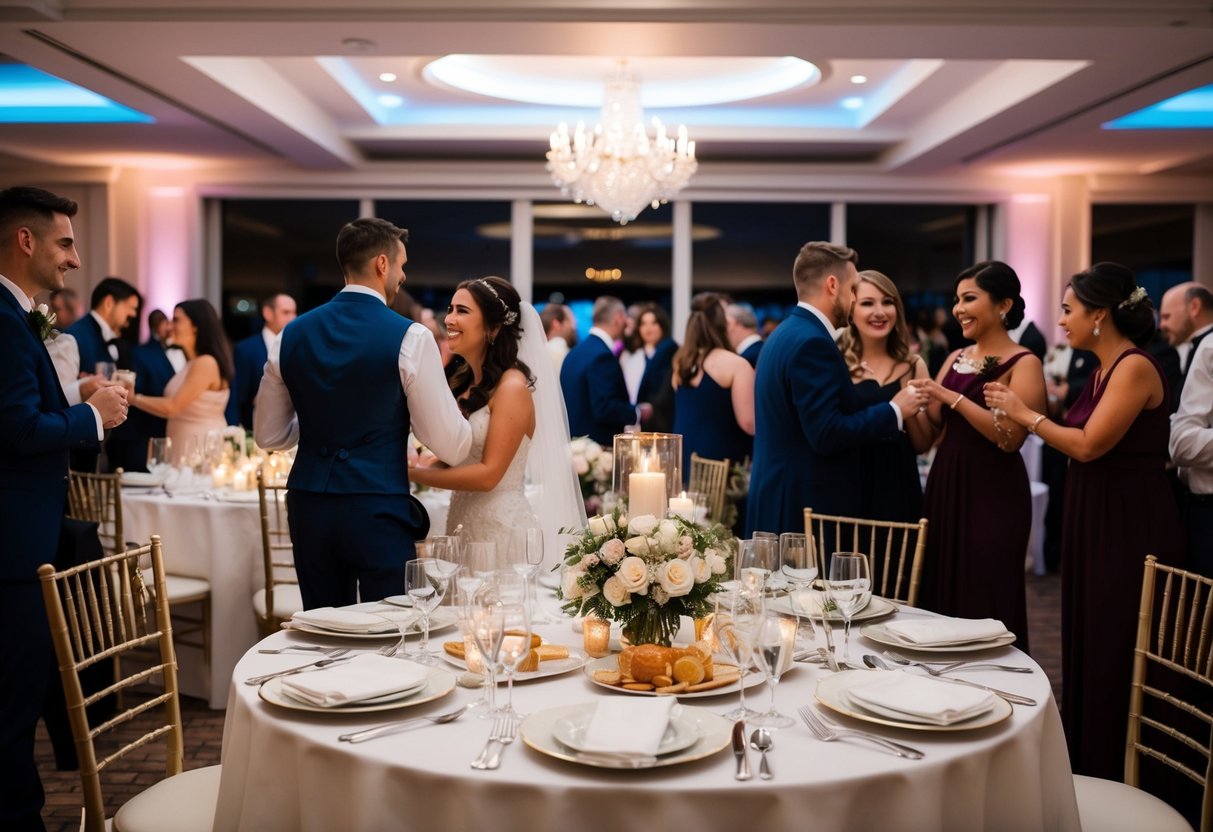
After saying “I do,” you and your guests will typically enjoy the wedding breakfast, where everyone can relax and savor a meal together. This meal is a British tradition and often includes the first chance to socialize after the ceremony. On the other hand, the reception is the vibrant party where you can celebrate your new status as a married couple, featuring entertainment, the first dance, and all the joy that comes with your special day.
Knowing the difference will help you create a timeline and experience that resonates with you, making sure every moment is memorable. Whether it’s the meal at the wedding breakfast or the festive atmosphere of the reception, each part of your day has its own charm and importance.
Understanding Wedding Breakfast
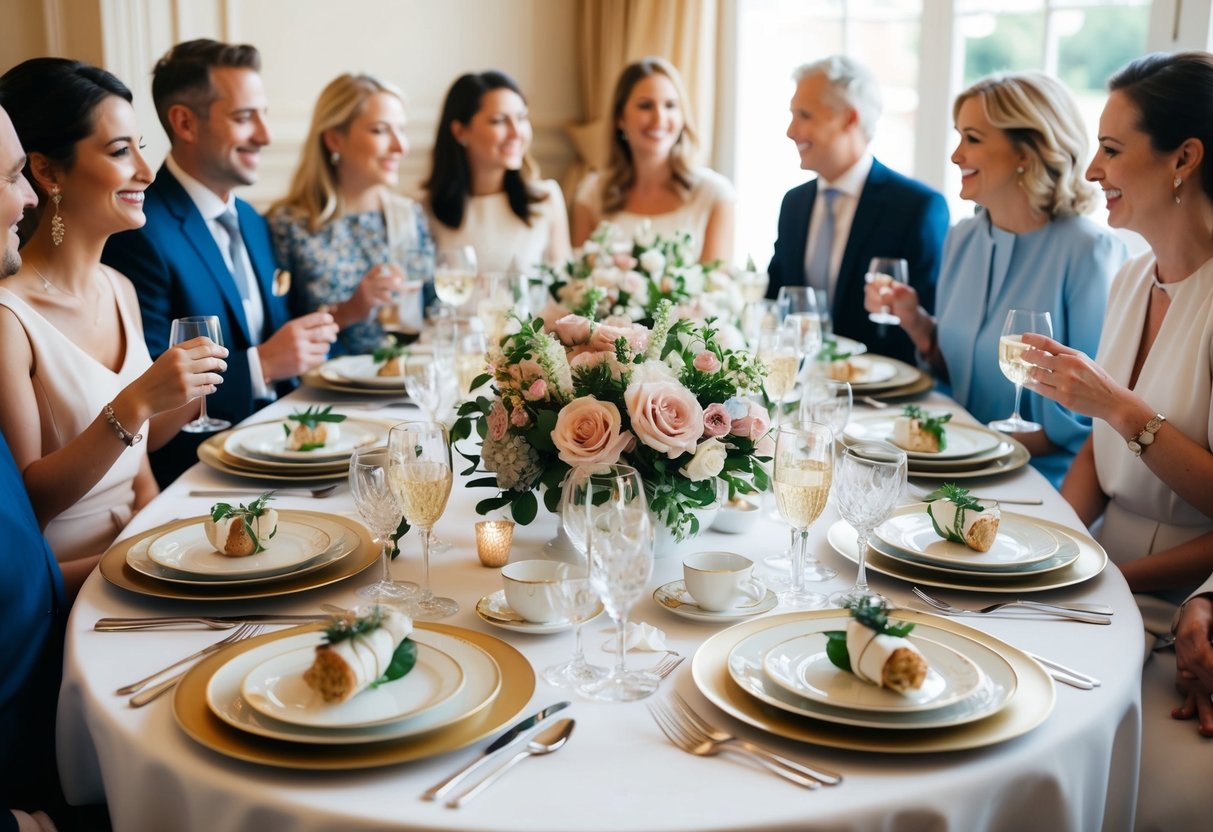
The wedding breakfast is an important part of the wedding celebration. It usually takes place right after the ceremony and serves as the first meal for the newlyweds and their guests. This meal has its own unique history and components that are worth exploring.
Origins and Meaning
The term “wedding breakfast” comes from a time when couples fasted before their wedding ceremony. The first meal after the ceremony was a celebratory feast. This tradition is deeply rooted in British culture and signifies the breaking of the fast.
You might hear this meal described as a formal sit-down meal, often featuring a mix of guests. It’s typically not a breakfast in the traditional sense but rather a special three-course meal. Guests gather to toast the couple, share smiles, and enjoy the celebration together.
Typical Components of a Wedding Breakfast
When you’re planning a wedding breakfast, think about the kinds of foods you want to serve. A typical wedding breakfast includes several key elements:
- Appetizers: Light starters to whet the appetite.
- Main Course: This is often a three-course meal with options like chicken, fish, or vegetarian dishes.
- Dessert: A sweet finish, often featuring the wedding cake.
Speeches and toasts are also an important part of this meal. Guests will share kind words about the couple, adding a personal touch to the celebration. The wedding breakfast lays the groundwork for a joyful reception that follows.
Exploring the Wedding Reception
The wedding reception is a joyful gathering that follows the wedding ceremony, where you and your guests can celebrate in a relaxed atmosphere. It features delightful food, lively activities, and plenty of opportunities for socializing and fun.
Distinguishing Features
At a wedding reception, the setting is typically festive and welcoming. You might have a sit-down dinner or a buffet, offering a variety of dishes to please all your guests. The venue can range from a grand hall to a cozy backyard.
You’ll usually see a grand entrance for you and your partner, setting the tone for the evening. This is often followed by traditions like the first dance, where you share a special moment as a newlywed couple. Other highlights may include the cutting of the cake, which is a sweet reminder of your vows and commitment to each other.
Activities and Entertainment
Entertainment is a key part of the wedding reception. Dancing is often a popular choice, where you and your guests can show off your best moves. A DJ or live band can keep the energy high throughout the evening.
You might also organize games or activities to engage everyone. This could range from photo booths with fun props to interactive games that encourage guests to mingle. All these elements contribute to a lively atmosphere where memories are made, and laughter fills the air, making it a memorable celebration for you and your loved ones.
Catering and Dining Options
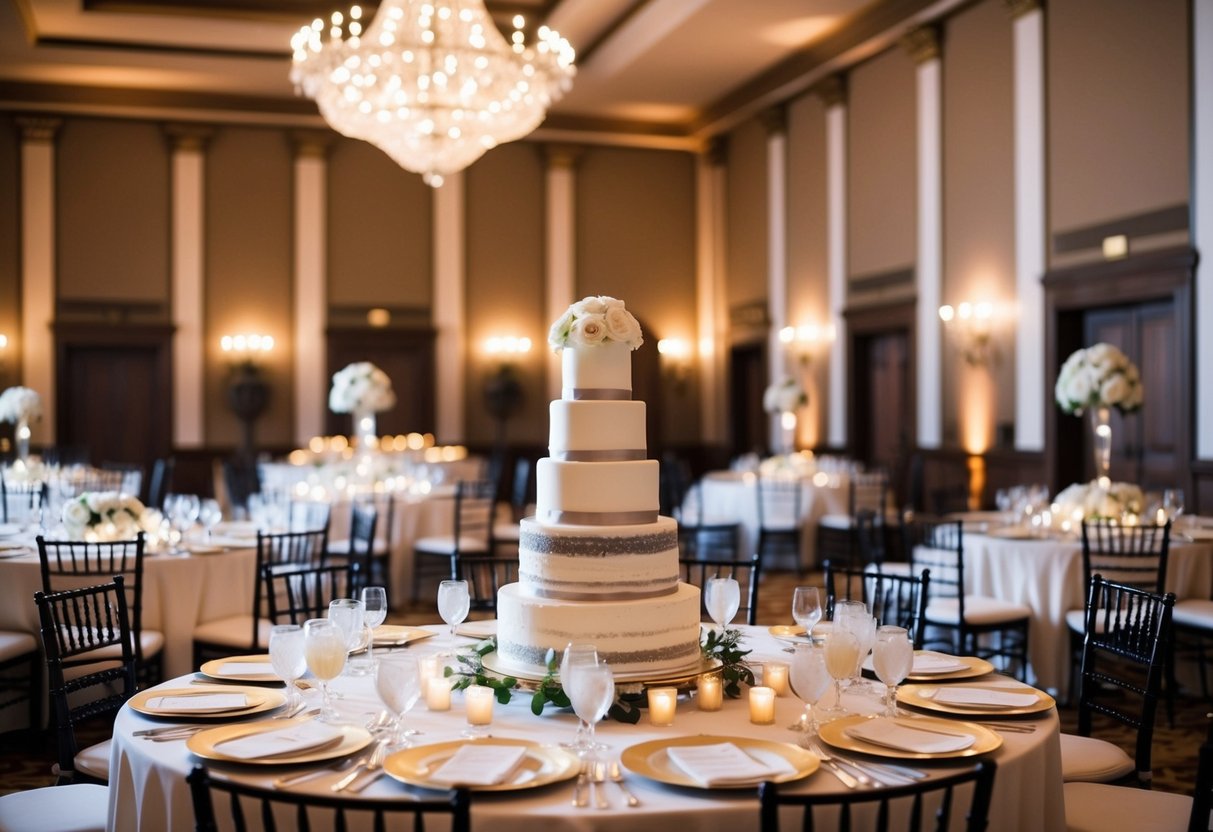
When planning your wedding, selecting the right catering and dining options is essential. You want to ensure that your guests have a memorable experience with delicious food.
Menu Diversity
A diverse menu can make your wedding feel special and accommodating. Traditional wedding breakfasts often include a sit-down meal, while receptions might offer more casual options.
You can consider a variety of styles, such as plated meals, buffets, or even food trucks. These trucks can provide a fun twist with street food favorites that everyone will enjoy.
Including items like canapés during the cocktail hour keeps guests satisfied before the main meal. Think about having a grazing table with cheese, meats, and fruits for a lighter, conversational starter. Offering a vegan option ensures everyone feels included, making your menu both versatile and delightful.
Special Dietary Considerations
Your guests may have specific dietary requirements, such as allergies or lifestyle choices. It’s important to be mindful of these needs when planning your wedding menu.
Make sure to discuss with your wedding caterer about customizing your meal options. This can include gluten-free, dairy-free, and vegetarian dishes.
Clearly labeling food items can help guests navigate their choices. Offering separate meals that cater to dietary restrictions ensures everyone has something delicious to enjoy.
Don’t forget to include options for children if there will be young guests. Keeping your menu thoughtful and inclusive will create a welcoming atmosphere for all, allowing everyone to relax and enjoy the celebration.
Planning and Coordination
When planning your wedding, careful coordination of the reception and breakfast is essential. You must think about the venue choices and how to make the experience enjoyable for your guests.
Selecting the Right Venue
Choosing the right venue is key to a successful wedding. Start by considering the type of atmosphere you want for both the wedding breakfast and reception. You might prefer a formal setting for the breakfast and a more relaxed venue for the reception.
Make sure the venue can accommodate your guest list comfortably. Pay attention to the layout, as a good seating plan can help guests mingle easily. Also, think about locations for key moments like the cake cutting.
Consider whether the venue offers services like catering and decoration, which can simplify your wedding planning.
Organizing the Guest Experience
Creating a memorable experience for your guests involves several important aspects. To begin, finalize your guest list early. Knowing who will attend helps you plan seating and catering better.
During the reception, consider activities that engage your guests, such as a photo booth or speeches by your bridal party. Also, think about providing entertainment, like a DJ or live band, to keep the energy up.
Don’t forget to plan for the post-wedding brunch. This is a nice way to keep the celebration going and allows everyone to catch up after the big day. Your guests will appreciate any thoughtful touches you include!