
What Is the Difference Between Wedding Planner and Stylist? Understanding Their Unique Roles in Your Big Day
Planning your wedding can feel overwhelming, especially when deciding who to hire. While both a wedding planner and a wedding stylist play important roles, they have different responsibilities that can greatly impact your special day. A wedding planner handles the logistics and execution of your event, while a wedding stylist focuses on bringing your wedding vision to life with the right look and feel.
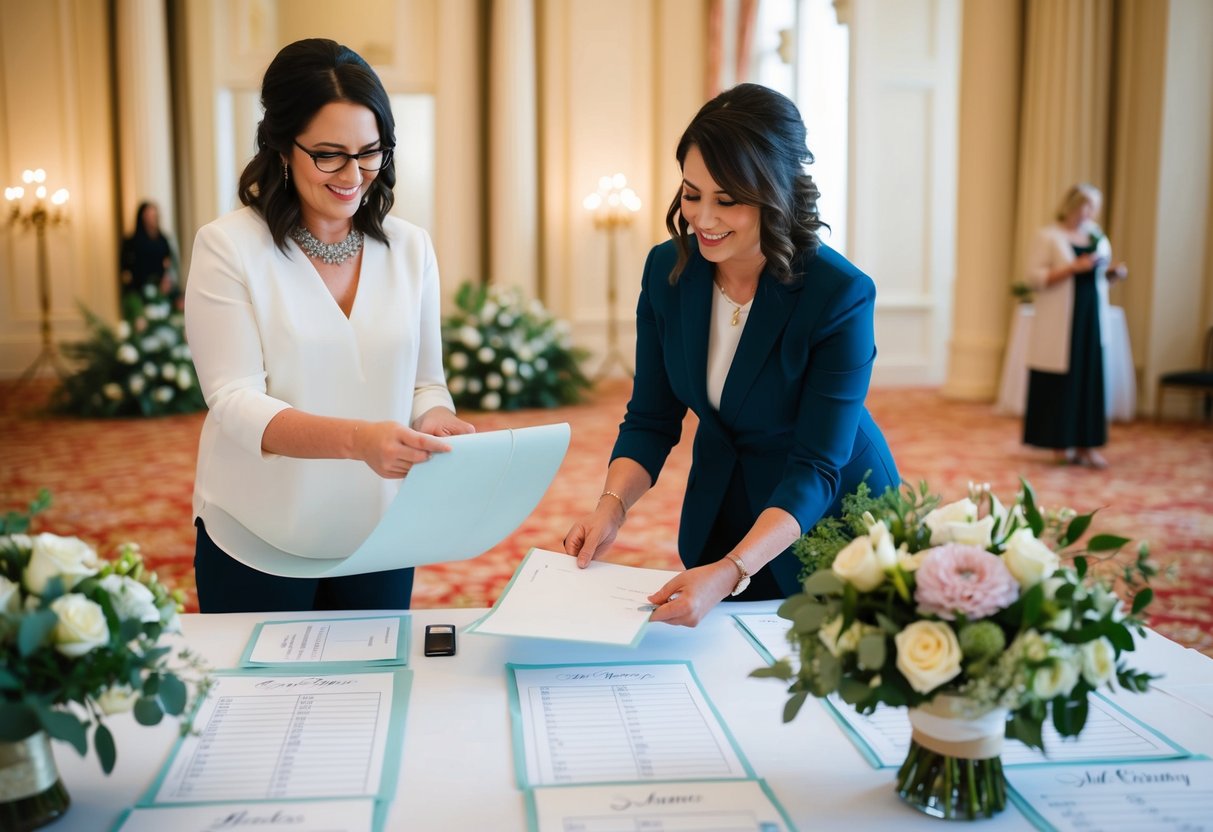
Understanding the distinction between these two can help you choose the right professionals for your wedding planning journey. A planner will take care of everything from vendor coordination to timelines. On the other hand, a stylist can help you create an atmosphere that reflects your unique style and preferences.
Finding the right balance between planning and styling is crucial. Whether you want a stress-free planning experience or an unforgettable visual impact, knowing the difference can guide you in making informed decisions for your celebration.
Roles and Responsibilities

Understanding the roles and responsibilities of a wedding planner and a stylist helps you decide which professional fits your needs. Each plays a unique part in making your special day successful and memorable.
Core Functions of a Wedding Planner
A wedding planner’s main job is to organize the entire wedding process. They help you with everything from budgeting to finding the right vendors. Your planner will create a timeline for your events and ensure that everything runs smoothly on your big day.
They also liaise with various professionals like caterers, photographers, and venue coordinators to keep everyone on track. Good planners listen to your ideas and offer suggestions based on their experience. You can expect them to oversee the execution of your plans, making sure every detail is perfect.
Key Duties of a Wedding Stylist
A wedding stylist focuses specifically on the visual aspects of your wedding. They create the overall look and feel, bringing your aesthetic vision to life. This includes selecting decorations, flowers, and color schemes that reflect your style.
Stylists coordinate all visual elements to ensure a cohesive design. They are responsible for setting up the venue, arranging decor, and ensuring everything looks beautiful on your wedding day. They work closely with vendors to achieve the desired look, making your day truly stunning.
Creating the Wedding Aesthetic
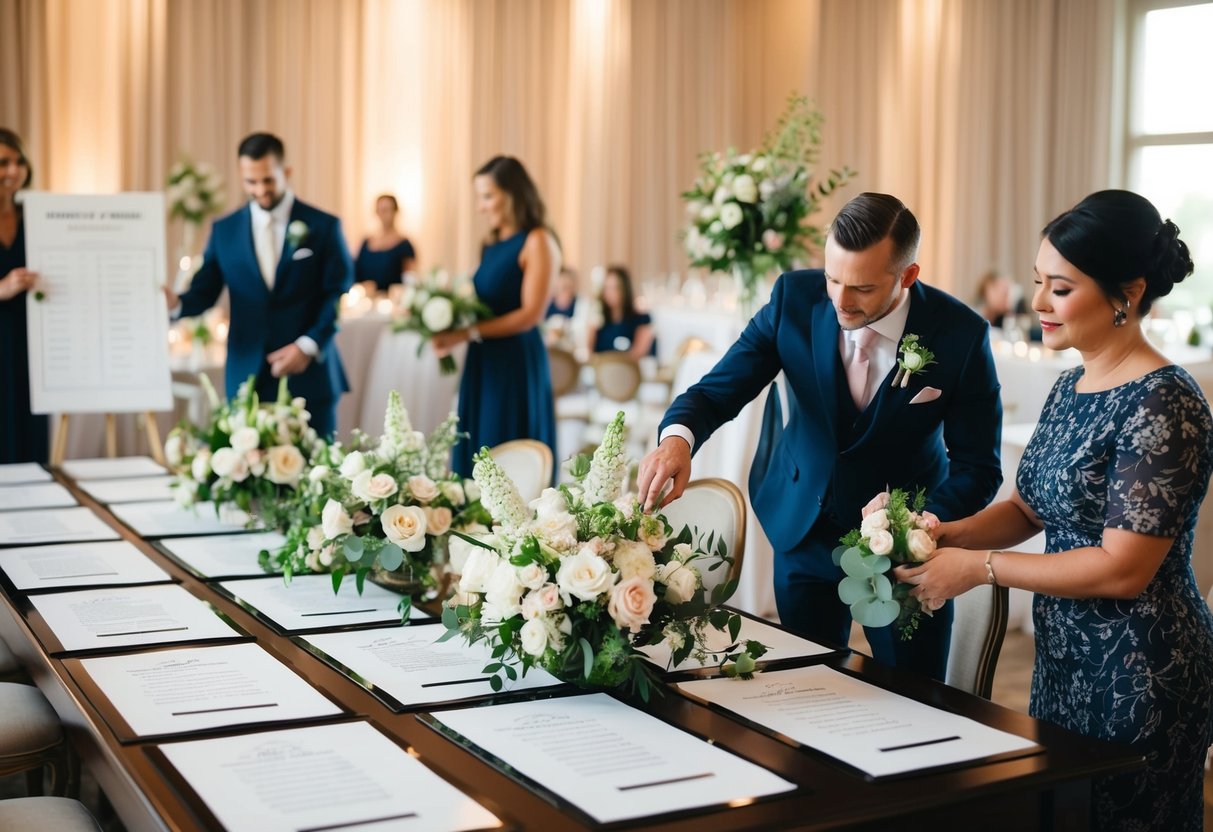
Creating the perfect wedding aesthetic is essential for setting the right mood on your special day. You will focus on choosing a color palette and designing the layout of the wedding venue, both of which play important roles in the overall look of your event.
Deciding on a Colour Palette
Choosing a color palette is one of the first steps in designing your wedding. This palette sets the tone for everything from flowers to table settings.
Start by considering the season of your wedding. For example, spring weddings often feature pastels, while fall weddings may lean towards warm earth tones.
You can use color combinations that complement your personality and style. Create a list of your favorite colors and see how they work together. An experienced stylist can help you fine-tune your palette.
Tip: Use online tools to visualize your colors on different elements of your wedding. This ensures all your choices fit harmoniously.
Designing the Wedding Venue Layout
Designing the layout of your wedding venue is crucial for flow and enjoyment. A well-planned floor plan allows your guests to move comfortably and interact easily.
Consider important areas like the seating arrangement for the ceremony and reception. Use a wedding day timeline to determine when each part will occur.
Utilize designated spaces for dining, dancing, and conversations. Think about how you want guests to feel as they move through the venue.
Checklist for Venue Layout:
- Ceremony space
- Reception area
- Dance floor
- Lounge areas
An experienced stylist can enhance your layout by incorporating elements that align with your color palette, contributing to a cohesive and inviting atmosphere.
The Logistics of Wedding Planning

Planning a wedding requires thorough attention to detail and effective organization. You’ll need to manage vendor relationships, track event timelines, and ensure everything runs smoothly on your special day.
Coordinating with Vendors and Venues
As a wedding planner, you are the main contact for all vendors. This includes caterers, florists, photographers, and musicians.
Start by gathering a list of potential vendors and researching their services. Once you select vendors, maintain clear communication.
Share your wedding vision and any specific needs. You should set meetings to go over details, contracts, and payments. A well-coordinated team ensures a seamless experience.
Don’t forget to connect with the wedding venue coordinator. They play a vital role in handling the logistics of space and setup.
Discuss timelines, load-in times, and any restrictions the venue may have. This teamwork keeps everything on track.
Drafting the Event Run Sheet
The event run sheet is crucial for your wedding day’s success. It is a detailed schedule that outlines each part of the event.
Start by listing all activities, from the ceremony to the reception. Include specific times for each element, such as vendor arrivals and guest seating.
Make sure to include contact information for all key individuals. This helps everyone know who to reach out to for questions or issues.
Be prepared for spontaneous changes. Flexibility is essential on your wedding day. Communicate any adjustments to your vendors and venue coordinator. A clear, well-prepared run sheet keeps things organized and allows you to enjoy your big day.
Finalizing Your Wedding Day
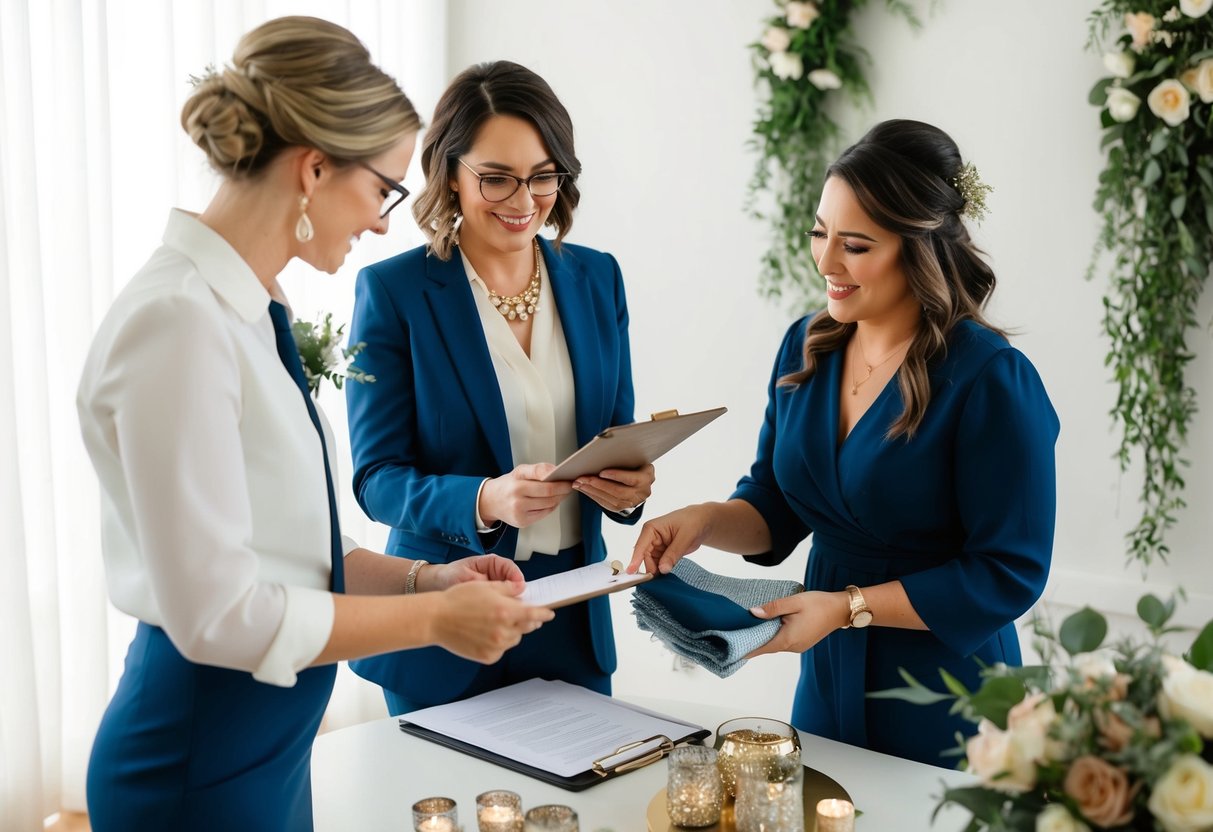
As your wedding day approaches, it’s time to finalize everything with both your wedding planner and stylist. They will help ensure your day goes smoothly.
Communicate with Your Planner
Talk to your wedding planner about the final guest list and seating arrangements for the wedding party. This will help manage how your ceremony will flow.
Coordinate with Your Stylist
Your stylist will focus on the look of your wedding. Discuss how the decor will enhance the ceremony. This includes floral arrangements, table settings, and background design.
Confirm Details
You should confirm all details a week before your big day. Check with vendors and ensure everyone knows the schedule. This includes photographers, caterers, and anyone involved in the ceremony.
Assign Roles
Make sure to assign roles for the bridal party. Also, designate a point person for the day. This will help direct any last-minute questions or issues that may arise.
Stay Calm
Finally, remember to stay calm and enjoy the day. With proper planning and coordination, you’ll have a memorable wedding ceremony surrounded by family and friends. Embrace the moment and make it special!