
What Is The Doors Signature Song? Exploring Their Most Iconic Track
When you think of The Doors, one song often comes to mind: “Light My Fire.” This iconic track not only topped the charts but also became a defining anthem of the 1960s. Its catchy melody and powerful lyrics showcase the band’s unique style and creativity, capturing the essence of their music.
As you explore what makes “Light My Fire” The Doors’ signature song, you’ll discover how it blends elements of rock and psychedelia. This song’s influence has spanned generations, inspiring countless artists and continuing to resonate with fans today.
Dive into the story behind this legendary hit and see why it has secured its place in music history. You’ll learn about the songwriting process, its impact on the music scene, and what makes it unforgettable for both old fans and new listeners alike.
History and Origin of ‘Light My Fire’
‘Light My Fire’ is a classic rock song with a rich history and many creative influences. Learn about the song’s creation, its unique style, and how it was received upon its release.
Creation and Songwriters
Robby Krieger, the guitarist of The Doors, primarily wrote the song. He crafted the song in a folky style, which evolved into its famous psychedelic sound.
Jim Morrison, the band’s iconic lead singer, contributed with his provocative lyrics. The entire band, including Ray Manzarek on keyboards and John Densmore on drums, played a part in shaping the final version.
They recorded the track in August 1966 for their debut album, released on Elektra Records in January 1967. Producer Paul Rothchild played a key role in guiding the band through the recording process.
Influence and Style
‘Light My Fire’ is recognized as one of the early examples of psychedelic rock. Its innovative structure deviates from typical song formats, featuring extended instrumental sections.
The combination of Krieger’s catchy riff, Manzarek’s distinctive keyboard work, and Morrison’s compelling vocals created a sound that was fresh and different. The song’s energetic rhythm and emotional depth helped it resonate with listeners, making it a staple in rock music.
Many artists have covered this song, which showcases its lasting influence. It can be considered a standard that many musicians aspire to interpret in their own style.
Initial Reception and Success
Upon its release, ‘Light My Fire’ quickly climbed the charts. It topped the Billboard Hot 100 for three consecutive weeks in 1967, marking a breakthrough for The Doors.
The song’s success catapulted the band into stardom, turning them into one of the top rock groups of the era. Critics and fans praised its innovative sound and lyrics, despite some controversy over the mature themes in Morrison’s writing.
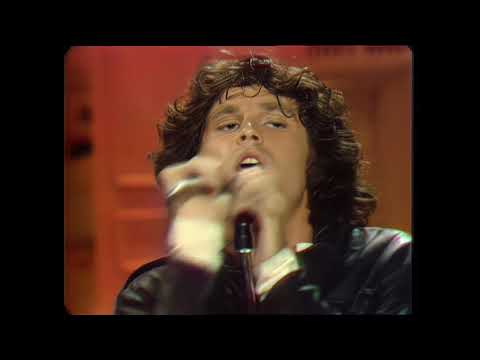
The performance of ‘Light My Fire’ on television, including its memorable appearance on The Ed Sullivan Show, further solidified its place in music history. It has continued to be celebrated and is often associated with the counterculture movement of the 1960s.
Cultural Impact and Legacy
The Doors have made a significant mark on music and culture, particularly through their iconic song “Light My Fire.” This track not only shaped the classic rock genre but also featured prominently in film and inspired countless artists through its cover versions and adaptations.
Classic Rock Influence
“Light My Fire” is often considered one of the defining songs of classic rock. Released in 1967, it topped charts and became synonymous with the sound of the late ’60s. The song’s unique blend of rock, blues, and psychedelia captivated listeners and influenced countless bands.
The Doors’ approach to songwriting and music has inspired many artists. Their willingness to experiment with sound and structure paved the way for future rock musicians. The song continues to be a staple on classic rock radio stations and is revered by both new and old generations.
Cinematic Features
The Doors’ music has also found a significant place in film. One of the most notable examples is the use of “The End” in Francis Ford Coppola’s 1979 classic “Apocalypse Now.” This haunting piece helped set the tone for the film, enhancing its themes of chaos and war.
Additionally, “Light My Fire” has appeared in various movies and television shows, reinforcing its cultural significance. The song’s memorable melody and lyrics frequently evoke a sense of nostalgia, making it a go-to choice for filmmakers seeking to capture the essence of the ’60s.
Cover Versions
Many artists have put their spin on “Light My Fire,” showcasing its timeless appeal. Noteworthy versions include those by José Feliciano, whose Latin-flavored rendition brought a fresh perspective to the song while reaching new audiences.
Covers by various musicians not only keep the song alive but also introduce it to younger listeners. These reinterpretations celebrate the original while allowing for creative expression, proving how influential The Doors’ music remains today.
Notable Performances and Variations
The Doors delivered several memorable performances that showcased their unique sound, especially with “Light My Fire.” Their live shows often featured improvisations and expansive interpretations of their songs, making each performance special. Additionally, some appearances, particularly on television, sparked conversations about the band’s bold approach to music.
Live Renditions
During live shows, The Doors were known for their energetic performances and improvisational style. For example, their rendition of “Light My Fire” often extended well beyond the original, allowing Jim Morrison to explore themes and express emotions that resonated deeply with fans.
Songs like “Break on Through” and “Riders on the Storm” also received fresh takes during concerts. The band’s chemistry was undeniable, as they fed off the energy of the audience, creating a unique experience each time.
Jazz influences can be observed, with Morrison’s poetic lyrics often blending with the band’s melodies, akin to improvisations by artists like John Coltrane. Fans appreciated the spontaneity in these live versions, making them classics in their own right.
Controversial TV Appearances
One of the most talked-about performances was on The Ed Sullivan Show. While promoting “Light My Fire,” the show asked them to change the lyrics, which hinted at drug use. This request led to tension, but Morrison famously defied expectations, singing the original lyrics anyway.
Another memorable moment came when they performed “When the Music’s Over.” This song’s deep themes and Morrison’s passionate delivery often captivated viewers, raising eyebrows with its provocative style.
The Doors also performed “The Crystal Ship” on various occasions, showcasing their softer side. These appearances raised questions about artistic freedom versus commercial television’s expectations, making their performances lasting parts of rock history.