
What is the English Version of Groomsmen? Understanding Wedding Roles and Traditions
When planning a wedding, you might wonder about the role of groomsmen and what they are called in English. The English version of groomsmen refers to the male attendants who support the groom on his big day. These trusted friends or family members help make the wedding experience enjoyable and organized.
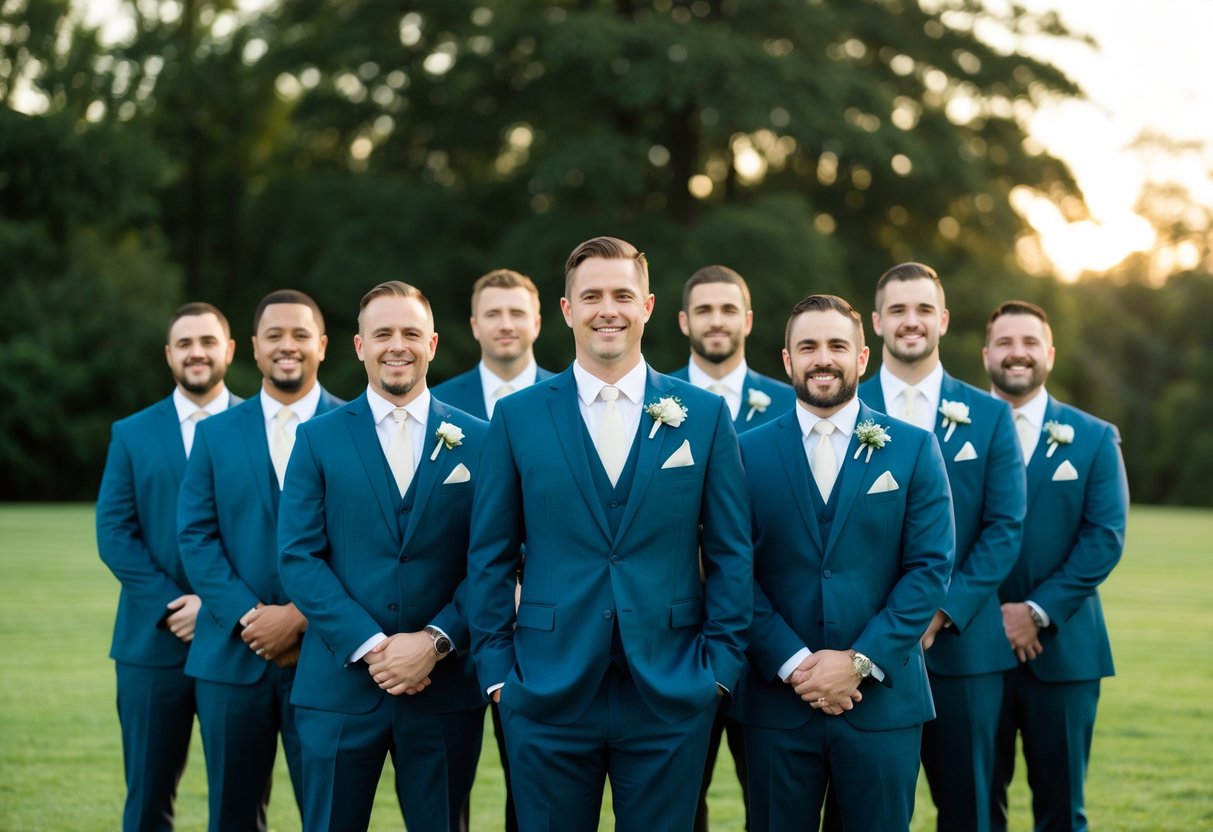
Groomsmen play a significant role in the wedding tradition. They assist the groom in a variety of ways, from planning the bachelor party to standing beside him during the ceremony. Understanding this term and its context helps you appreciate the importance of these roles in making weddings memorable.
Knowing the terminology surrounding weddings can enhance your experience as you prepare for such a special occasion. Whether you’re a couple getting married or a friend supporting the groom, being clear about these roles can help everyone understand their place in the celebration.
Understanding the Role of Groomsmen
Groomsmen play a vital part in supporting the bridegroom before and during the wedding ceremony. Their duties go beyond just standing by the groom; they are essential for keeping everything running smoothly on that special day.
Duties and Responsibilities
As a groomsman, your responsibilities include several important duties. One key task is planning the bachelor party, which should reflect the groom’s personal preference. This event usually happens a few weeks before the wedding.
On the wedding day, you will help the groom get ready. This includes tasks like picking up tuxedos and ensuring everyone is on time. Posing for photos is also a significant duty. You’ll want to be punctual and ready for group pictures after the ceremony. Following the photographer’s cues and staying alert is crucial.
The Significance in a Wedding Ceremony
Groomsmen hold a unique position in the wedding ceremony. Your support helps the bridegroom feel calm and collected. Having trusted friends by his side allows him to focus on what’s most important.
You will stand alongside the groom during the ceremony, representing his close friendships. This role highlights the importance of those relationships. Your presence reinforces the bond shared among friends.
Choosing the Right People
Choosing the right groomsmen is essential for the success of the day. Think about people who support you and have a strong relationship with the bridegroom. They should be reliable, respectful, and genuinely excited to help.
Consider their ability to fulfill responsibilities, like helping with the bachelor party and keeping the groom grounded. Personal preference matters, so choose those who share your interests or values. A supportive group of male attendants can create a fun and relaxed atmosphere, making your wedding day even more memorable.
The Origin and Etymology
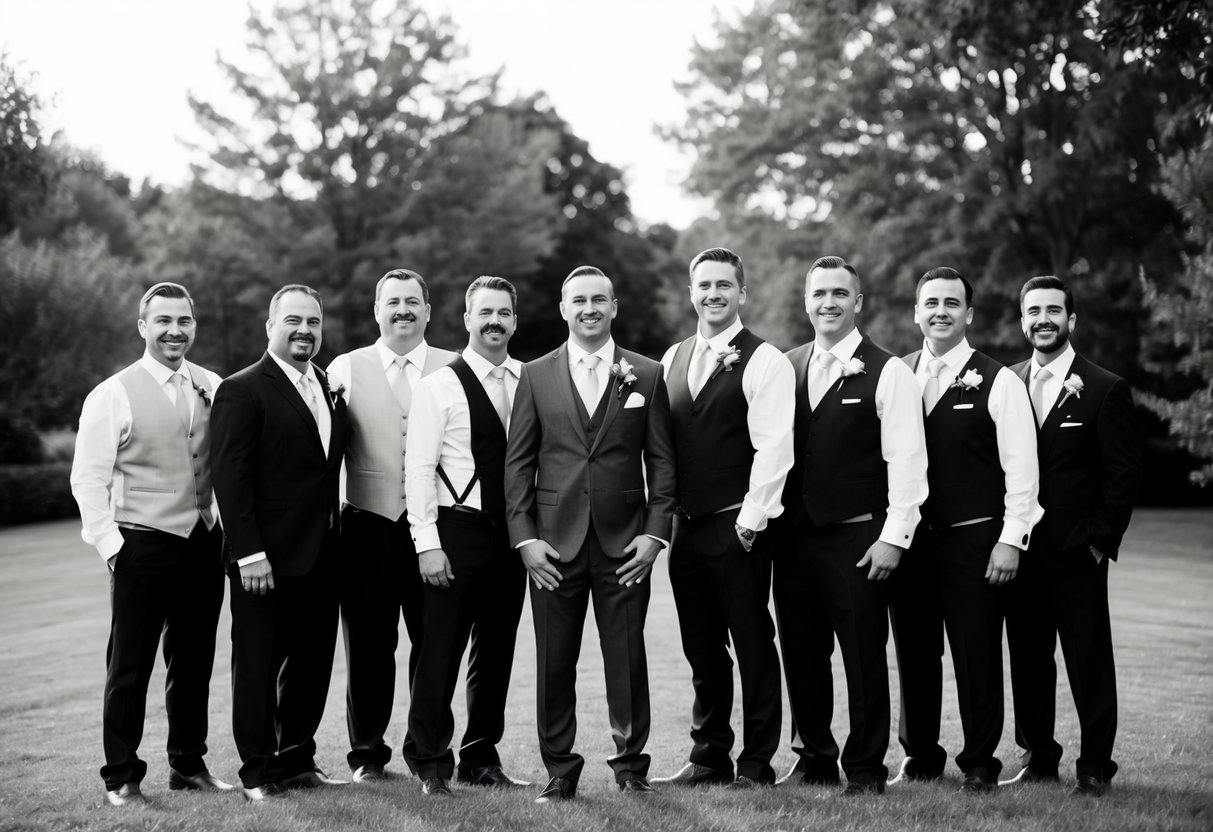
Understanding the history of groomsmen can provide insight into their role in weddings today. The term has roots in both tradition and language, reflecting how practices have changed over time.
Historical Context of Groomsmen
The role of groomsmen dates back to ancient traditions. In many cultures, male members of the groom’s family or friends assisted in marriage rites. Their primary duty was often to protect the bride and groom.
In some regions, groomsmen played a part in what was known as “marriage by capture,” where the groom would take the bride with the help of his friends. This practice highlighted the importance of having strong male figures during the ceremony.
As time passed, the role evolved, focusing less on protection and more on support and celebration. Today, groomsmen are key participants in weddings, offering moral support and helping with planning.
Linguistic Evolution and Pronunciation
The word “groomsman” combines “groom” and “man,” with “groom” historically meaning a young man or servant. The earliest use of the term in writing appears around 1782. The phrase captures the essence of a male attendant at a wedding.
Pronunciation has remained mostly consistent, but people sometimes struggle with the term “bridesman” for female counterparts. This linguistic dilemma reflects society’s shifting views on gender roles within weddings.
The term “best man” also evolved from this tradition, designating the chief supporter of the groom. Understanding these terms and their origins helps clarify their significance in modern weddings.
Apparel and Presentation
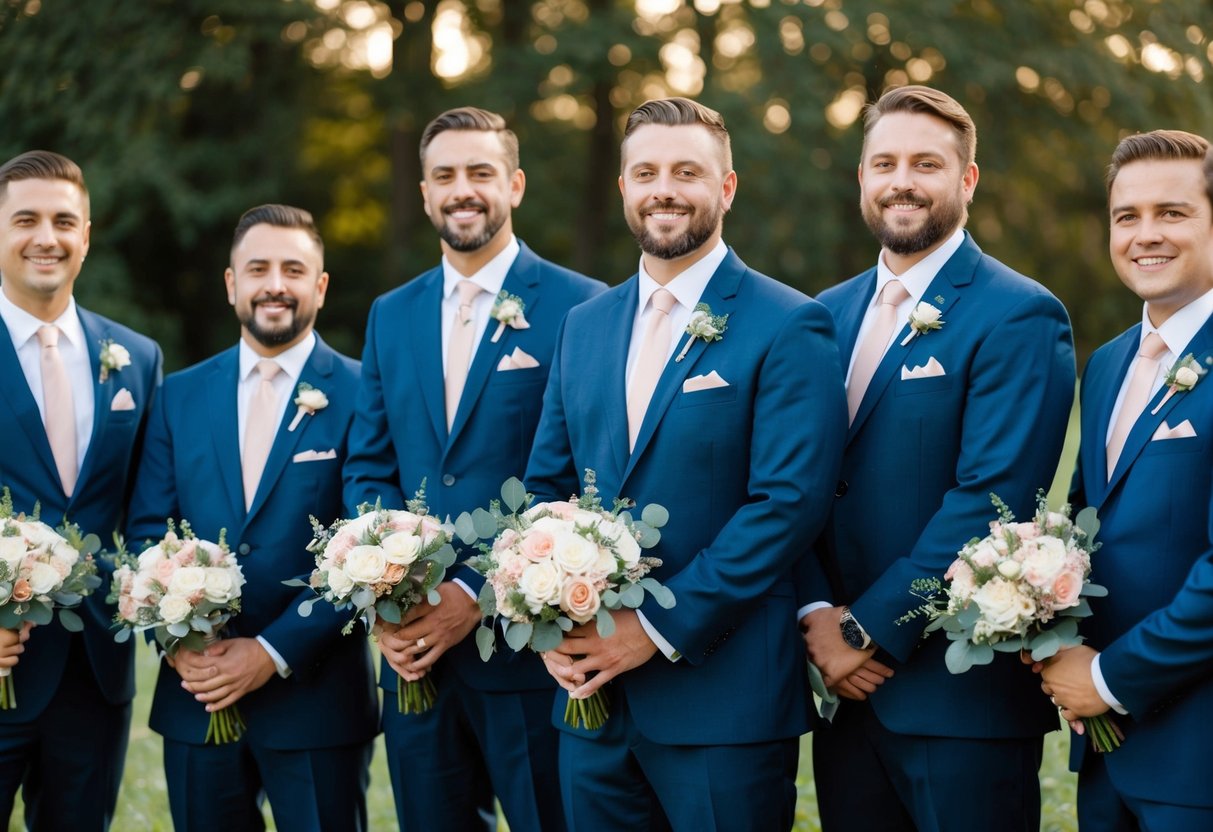
The way you and your groomsmen dress for the wedding is key to creating a cohesive look. It’s important to understand the styles that match the wedding theme and what makes the groom stand out.
Dressing for the Occasion
When selecting attire, consider the formality of the event. A tuxedo is a classic choice for formal weddings. If the wedding is more casual, suits in lighter fabrics may be suitable.
Colors and Fabrics: Choose colors that complement the bride’s wedding dress. Coordinate with the wedding party to maintain a unified look.
Fittings: Ensure that each groomsman has their suit fitting scheduled well in advance. This gives time for any necessary adjustments. Aim to have everyone dressed similarly, while the groom should elevate his look slightly to stand out.
Variations in Wedding Attire
Different themes can lead to variations in groomsmen attire.
Beach Wedding:
Light linen suits or even shorts may fit best for a beach setting.
Rustic Wedding:
Opt for darker colors or suspenders to match the venue’s vibe.
Color Schemes:
Stay aligned with the wedding’s color palette to create a seamless appearance.
When everyone matches in style and tone, it enhances the overall presentation. Remember, it’s all about making the bride and groom shine on their special day!
Common Questions and Misconceptions
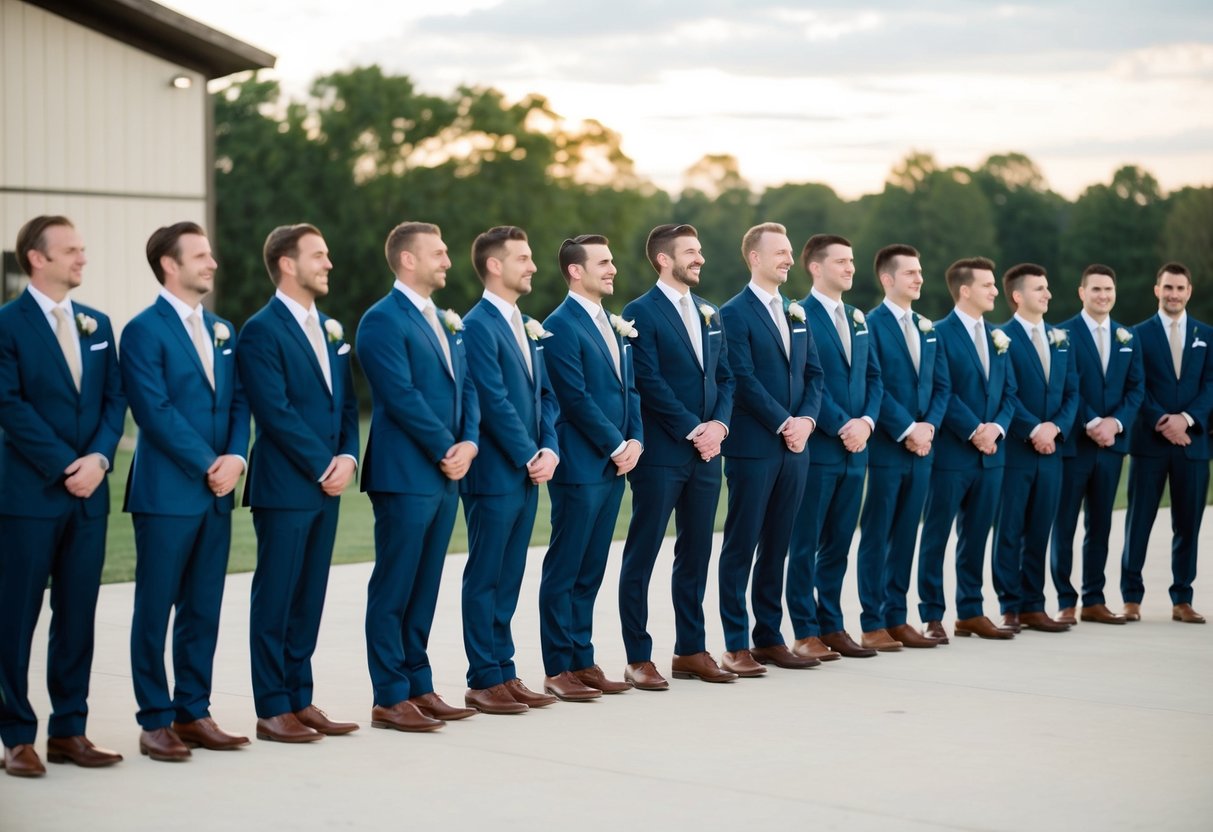
When discussing groomsmen, many people mix up the terms or have misunderstandings about their roles. Knowing the differences can help you communicate clearly and avoid common pitfalls.
Plural Form and Usage
The term “groomsman” refers to one individual who stands by the groom. In contrast, “groomsmen” is the plural form, signifying a group of these attendants. A common misconception is using “groomsman” to describe the entire group.
Simply put, if you have multiple attendants, you should use “groomsmen.” For example, if there are three friends helping the groom, you would say, “The groomsmen are ready.” Misusing these terms can lead to confusion, so it’s important to use them correctly.
Expectations vs. Reality
Many people often think that all groomsmen have strict roles and responsibilities, but this isn’t always true. While groomsmen traditionally wear matching outfits and assist the groom, their involvement can vary.
Some may take on specific tasks, like organizing the bachelor party or helping with attire. Others may simply be there for support.
Each groom will have unique expectations, so communication is key. Discuss your plans with your groomsmen to ensure everyone knows their roles and can enjoy the celebration together.