
What is the Etiquette for Divorced Parents of the Bride? Tips for a Harmonious Wedding Day
Planning a wedding can be exciting but also challenging, especially when navigating family dynamics. If you have divorced parents, you might wonder about the etiquette that applies on your special day. Understanding how to manage these relationships can make a big difference in creating a harmonious wedding atmosphere.
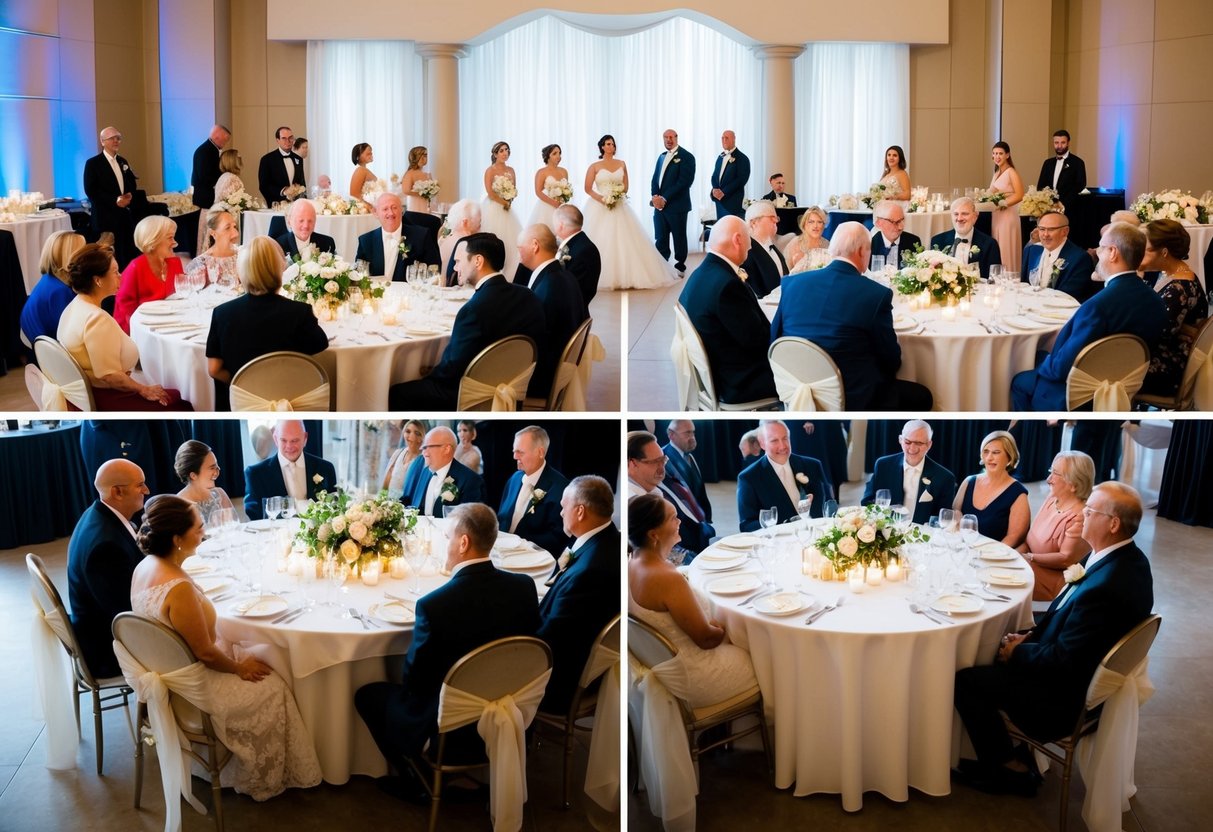
It’s important to set clear expectations early in the wedding planning process. Communicating about roles and responsibilities can help prevent misunderstandings and ensure everyone feels included.
From walking down the aisle to seating arrangements, every detail matters when you want your day to go smoothly.
Remember, your wedding day should be about celebrating love and family. This occasion is a chance for your parents to put aside any past differences and focus on supporting you. Being thoughtful about their involvement can lead to a more enjoyable and memorable experience for everyone involved.
Getting Started with Wedding Planning
Starting the wedding planning process can feel overwhelming, especially with divorced parents involved. Clear communication and thoughtful decisions about invitations and guest lists can help ease tensions and set a positive tone.
Communicating Expectations Early
One of the most important steps is to talk openly with your parents about your wedding plans. Have a clear discussion about your vision and what role each of them will play.
Discuss any preferences regarding the event, including the guest list and any specific traditions you want to maintain.
Make sure to establish boundaries, especially if family drama may arise. Let them know that the goal is to create a joyful celebration, not to revisit past conflicts. Encourage them to support each other and focus on your happiness.
Using a calm and respectful tone can help reduce any tension. You might consider writing down key points from your conversations to refer back to later.
Considerations for Invitations and Guest Lists
Creating your guest list is a significant task. When considering invitations, think about how to balance both sides of the family.
You might choose to invite separate groups if your parents do not get along well.
Be sensitive to your parents’ feelings while maintaining your priorities. If your dad has a new partner, you might want to discuss whether to include her on the invitation.
Clearly state on the invitation who is hosting the wedding, whether it is one parent or both. If needed, you can also include a note explaining the unique family situation. This can help set expectations for your guests.
Ceremony Logistics and Etiquette
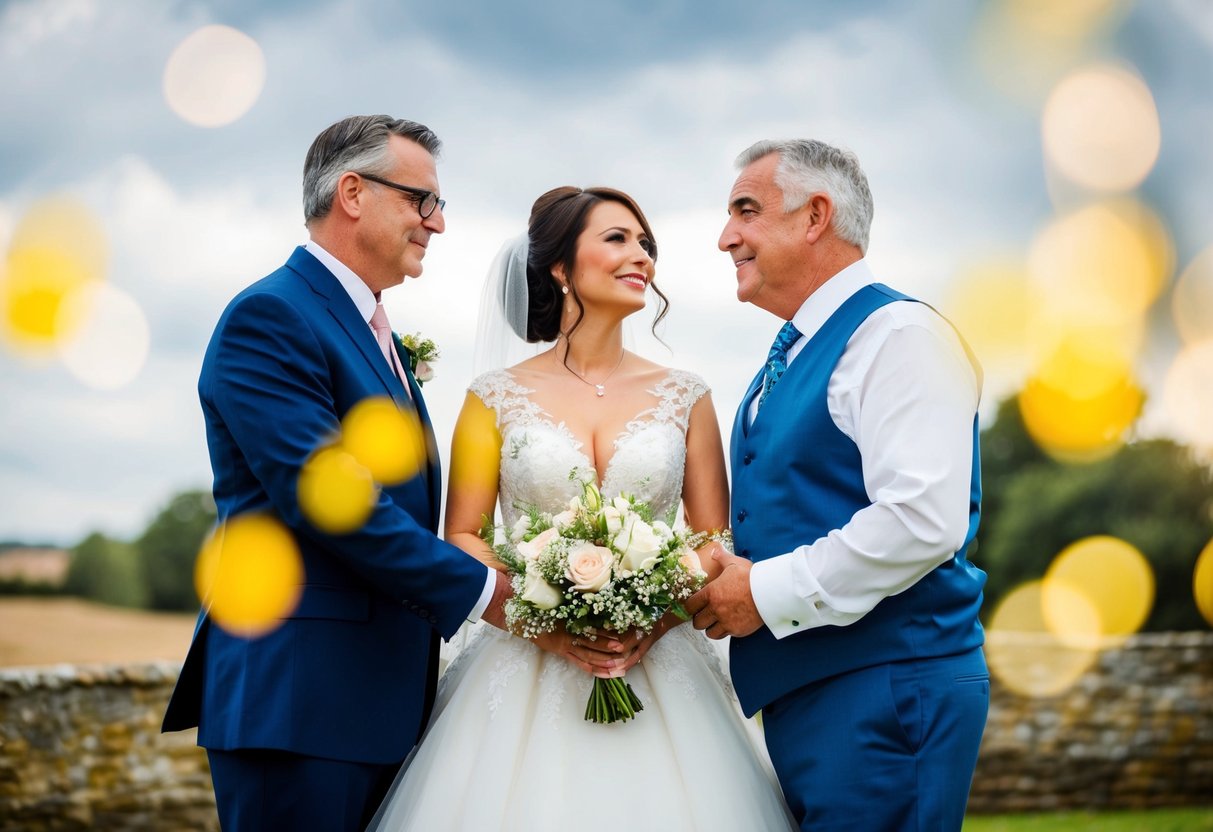
When planning the wedding ceremony, it’s important to consider how to handle seating arrangements, the walking order, and family dynamics. These details help ensure a smooth and respectful experience for everyone involved.
Seating Arrangements and Processional Order
Seating arrangements can set the tone for the ceremony. Typically, the mother of the bride sits on the left side of the aisle. You should consider listing your biological parents first, followed by stepparents if applicable.
For the processional, the order matters too. Often, the mother of the bride walks down the aisle first, followed by the couple’s parents together or separately.
If your father or stepparent is involved, discuss with both sides to ensure everyone feels included.
The Question of Who Walks the Bride Down the Aisle
Choosing who walks you down the aisle can be sensitive. Many brides opt for their father, but it can also be a stepparent, both parents together, or even a close family member. Think about which option feels right for you.
Consider having a conversation with your parents about this decision. Let them know your feelings and involve them in the process if you can. This helps to avoid hurt feelings and ensures the moment is special for everyone.
Managing Family Dynamics During the Ceremony
Managing family dynamics is important for a smooth ceremony. If parents are divorced, think about how seating can help. You might use siblings or grandparents as buffers between parents to ease any tension.
During the ceremony, focus on creating a positive atmosphere. Encourage everyone to support you and your partner.
Setting clear communication upfront can help reduce misunderstandings and allow everyone to enjoy the day together.
Reception Considerations
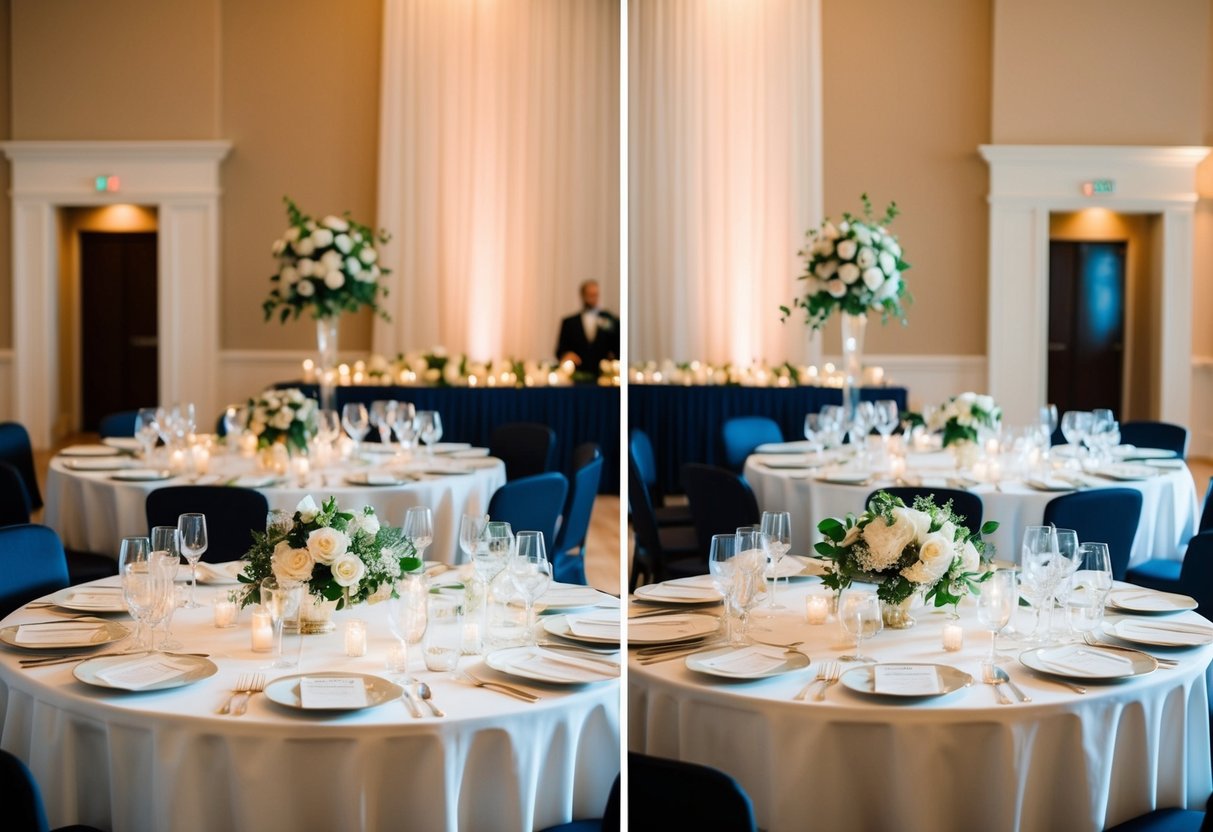
Planning your wedding reception with divorced parents in mind can help create a comfortable atmosphere. With careful thought about seating, dances, and photos, you can ensure that everyone enjoys the day without undue stress.
Designing the Seating Plan
Your seating plan is one of the most important aspects to consider. Start by identifying where your parents and stepparents will sit.
A flexible approach can work well. For example, you can place divorced parents at separate tables but ensure they are in the same section to avoid discomfort.
Consider a sweetheart table for you and your partner. This allows you to enjoy the company of both parents without putting them too close together.
If tension might arise, create a buffer by seating other family members nearby. Keeping communication open with your parents about seating preferences can ease any worries.
Navigating Wedding Dances and Traditions
Wedding dances are a special part of the reception. You may want to stick to traditional dances like the parents’ dance. This can be tricky with divorced parents.
One option is to include a dance with each parent separately, allowing both to have their moment without causing tension.
Another idea is to have a family dance, which can involve stepparents, too. This shows unity and respect for everyone’s role.
Discuss your plans with your parents ahead of time to make them comfortable and avoid surprises.
Coordinating Wedding Photos Without Conflict
Capturing memories through photos is essential during your reception. To avoid potential issues, make sure to communicate with your professional photographer about your family dynamics in advance.
Share your preference for group shots and separate photos with each parent. When it comes time for pictures, consider scheduling family photos before the reception begins. This way, you can ensure that everyone is in the right mood and there’s no pressure during the event.
A designated area can help keep things organized, ensuring that both sides of the family feel valued. This thoughtful approach can lead to beautiful photos that reflect a joyful day.