
What is the Etiquette for Inviting Plus Ones to a Wedding? A Guide for Couples and Guests
When planning a wedding, you need to understand plus-one etiquette to keep harmony among your guests. The general rule is that guests in a serious relationship or those you’ve specified on the invitation should receive a plus-one. This approach helps make everyone feel comfortable and included during your special day.
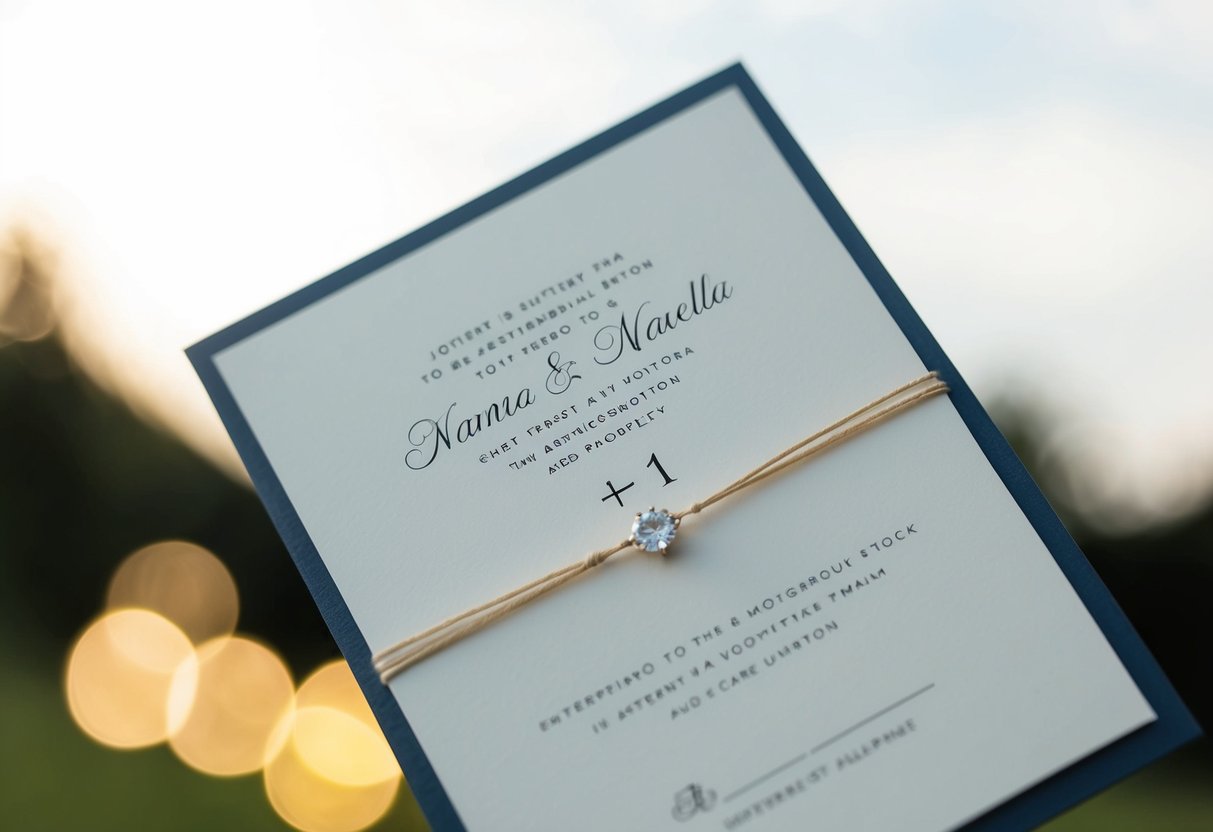
It’s important to consider who your guests will want to bring along. Inviting someone to a wedding can be a big deal, and not all friends will expect a plus-one. Think about the dynamics of your guest list. You may want to stick to close friends and family for plus-one invitations to keep your numbers manageable.
Navigating plus-one invitations can be tricky, but clear communication can help. Use your wedding website or invitations to convey your preferences. Keep it friendly and straightforward, and your guests will appreciate the thought you put into the planning process.
Deciphering Plus-One Etiquette
Understanding how to navigate plus-one etiquette can help you feel confident when planning your wedding guest list. Knowing who to invite as a plus-one and the reasons behind these choices can create a more enjoyable experience for everyone.
Understanding the Plus-One Concept
The term “plus-one” refers to an invitation that allows a guest to bring a companion to the wedding. This applies not only to engaged couples but also to those in serious, long-term relationships.
When you see “and Guest” on the invitation, it’s an indication that you can bring someone. This does not mean that you can bring anyone. Usually, plus-ones are meant for partners or someone the invited guest feels comfortable with. Keeping the guest list manageable is important for the couple.
It’s wise to check with the engaged couple if you’re uncertain about your plus-one.
The Significance of Plus-Ones in Wedding Etiquette
Offering a plus-one is about balance and thoughtfulness. Including plus-ones can make the wedding more enjoyable for guests who might otherwise feel out of place. This is especially true for single guests.
Unmarried couples who have been together for a while generally expect to be invited together. Also, friends or family members in steady relationships should be considered when finalizing the guest list.
It’s important to be considerate of the couple’s wishes. Some might want to limit the plus-ones to avoid an oversized crowd. Always remember to respect their decisions to keep everything harmonious.
Crafting the Perfect Guest List
Creating a guest list can feel overwhelming, but knowing who to invite and how to manage your guest count makes it easier. This section helps you decide who gets a plus-one and how to balance your venue capacity while considering your guests’ needs.
Determining Who Gets a Plus-One
You want your guests to feel comfortable at your wedding. Consider giving plus-ones to those who are in serious relationships. This often includes partners who live together or have been dating for a long time.
For friends or family members who are single, think about including a plus-one if they might feel out of place. On the other hand, casual acquaintances or friends from work might not need a plus-one.
You could also set a clear policy, like only offering plus-ones to guests who are part of the wedding party or close relatives.
Managing Guest Count and Venue Capacity
Your guest list must fit your venue’s capacity. Start by setting a total guest count that works within your budget and space. Keep in mind that each additional guest increases your costs significantly, including catering and seating.
Create a list of must-invite people first. Then determine how many additional guests you can have. It helps to categorize guests into tiers: must-haves, friends, and acquaintances.
Once you hit your capacity, be firm with yourself. If someone needs to be cut, think about whose presence is most important to you on your special day.
Guidelines for Solo Guests and Single Guests
Solo guests often appreciate knowing they can bring someone. If you decide to give plus-ones, consider how it affects your guest list.
For single guests, a few factors can guide your decisions. If you know they are in a new relationship, providing a plus-one might be thoughtful.
For guests who are happily single, you might feel comfortable leaving off the plus-one. Ultimately, consider the dynamics of your guest list carefully to ensure everyone feels welcome, even those attending alone.
Invitations and RSVPs
Inviting plus-ones to your wedding involves clear communication in your invitations and RSVPs. Making sure your guests understand the rules about plus-ones can help create a pleasant atmosphere for everyone involved.
How to Address Plus-One Invitations
When sending out wedding invitations, be specific about who can bring a plus-one. If a guest is allowed to invite someone, make sure their name is written on the invitation as “Guest” or “Plus-One.” This clarity helps avoid confusion.
For example, you can write:
- “John Smith and Guest”
- “Emily Johnson +1”
If space is limited, you may need to communicate before sending out invitations. Consider using a wedding website to share the guest list and plus-one policy. This way, everyone knows what to expect and can plan accordingly.
The Importance of RSVP Cards
RSVP cards are essential for knowing how many guests will attend your wedding. They help you sort out who is coming and if plus-ones are bringing a friend. Make sure to include a line for guests to indicate if they will bring a plus-one.
For added convenience, create an option for guests to respond through your wedding website as well. This allows for easy tracking and helps gather accurate numbers.
Consider including a note like:
- “Please let us know if you will bring a plus-one.”
Clear RSVPs ensure you can plan seating, catering, and activities properly.
Budget Considerations and Additional Guests
When planning your wedding, it’s important to think about how inviting additional guests can impact your budget. Understanding your limits and making smart choices can help you manage these costs effectively.
Allocating Budget for Additional Guests
Deciding how many plus-ones to allow can greatly affect your wedding budget. Each guest adds to costs like food, drinks, and seating. For instance, if a plate costs $100 and you invite five extra guests, that’s an additional $500.
To keep spending in check, you might consider limiting plus-ones to those in serious relationships. This way, you can include important people without drastically increasing costs. You can also track your budget with a simple spreadsheet showing expenses for each guest category.
Balancing Bar Expenses
Bar costs can add up quickly, especially with additional guests. Think of whether you want a cash bar, open bar, or a limited selection. An open bar is generally more expensive, while a cash bar allows guests to pay for their drinks.
You might choose to provide a signature cocktail to control costs while still offering a fun option. If you’re hosting an intimate affair, you can focus on quality drinks rather than quantity, which may save you money and create a more personal experience.
Planning for an Intimate Affair vs. a Large Wedding
When considering your guest list, think about the atmosphere you want to create. An intimate affair can be more affordable and allow for deeper connections with each guest. You can offer a more personalized experience with fewer people.
In contrast, a larger wedding may require more money and careful planning. You might need to reserve a bigger venue and cater to more preferences. Weigh the pros and cons based on your budget and your vision for the day to find the right balance.