
What Is the Etiquette for Not Going to a Wedding? Tips for Declining Gracefully
Deciding not to attend a wedding can be difficult, especially when you want to show your support for the couple. The key to handling this situation gracefully is to communicate your regrets as soon as possible and consider sending a gift to express your good wishes.
Understanding the proper etiquette can help you navigate this situation and maintain positive relationships.
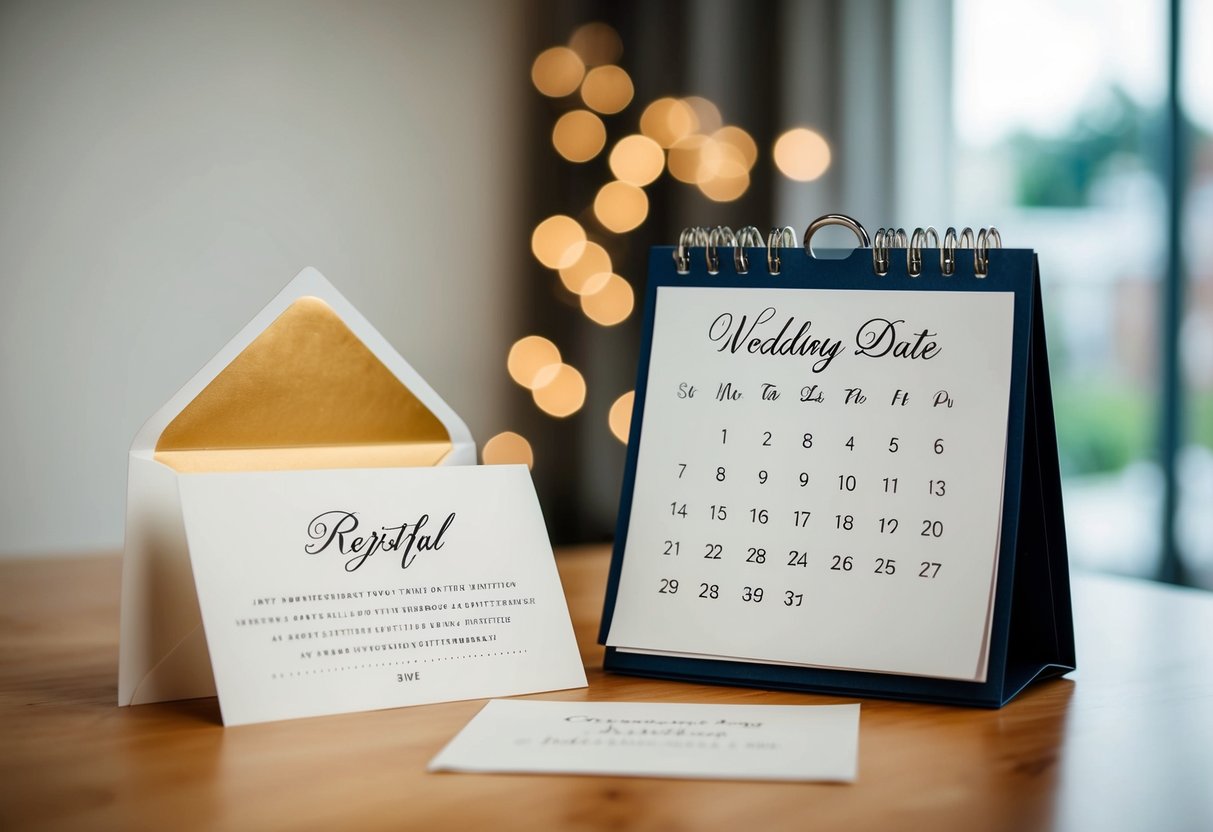
When you can’t attend a wedding, it’s important to let the couple know. A simple phone call, text, or email can go a long way in showing you care.
If you’re worried about the timing, remember that informing them ahead of time, if possible, is best to avoid any last-minute confusion.
Sending a thoughtful gift is another way to show your love and support. It’s good practice to send it within a few months after the wedding, but you typically have up to a year to fulfill this gesture. This way, you can celebrate the couple even if you can’t be there in person.
Understanding Wedding Invitation Etiquette
When you receive a wedding invitation, it’s important to know how to respond properly. Understanding wedding invitation etiquette helps you navigate your RSVP and the details of the invitation itself.
The Importance of a Timely RSVP
Sending back your RSVP on time is crucial. Most invitations specify a deadline for responses. This lets the couple finalize their guest list for catering and seating arrangements.
If you cannot attend, let them know as soon as possible. Use the RSVP card or their preferred communication method, like email or text.
Even if you are busy, taking a moment to respond shows respect. It also helps avoid any last-minute confusion for the couple.
Deciphering the Wedding Invitation
Reading the invitation carefully can help you understand its details. Pay attention to who is invited. Sometimes, invitations may only include your name, meaning it’s not a plus-one situation.
Look for dress code instructions, usually at the bottom. Common dress codes include “black tie” or “cocktail.” This helps you decide what to wear.
Also, check the date, time, and location. Knowing these details early helps you plan accordingly. If you have questions, don’t hesitate to reach out to the couple. Open communication is key in wedding etiquette.
Navigating Pre-Wedding Events
When it comes to pre-wedding events, understanding the etiquette is key. Whether you’re considering an engagement party or a bridal shower, knowing how to navigate these gatherings can help you maintain good relationships with friends and family.
Engagement Party Considerations
If you’re invited to an engagement party, it’s a good idea to attend if possible. This gathering typically marks the start of the wedding celebrations. It’s a chance for both families to meet and for friends to wish the couple well.
If you can’t make it, send a thoughtful message or a small gift to show your support. Remember, it’s polite to RSVP as soon as possible. This helps the hosts plan for food and drinks.
If you’re not invited to the wedding but are invited to the party, it’s usually seen as a way to involve friends. Still, express gratitude to the couple for including you.
Bridal Shower Attendance
A bridal shower is another important event. It’s usually organized by the bride’s friends or family to celebrate her upcoming marriage.
If you receive an invitation, it’s polite to attend if you can. Show your support and excitement for the bride.
If you cannot go, send a gift that reflects your friendship. Writing a heartfelt card will mean a lot to her. Make sure to RSVP to let the host know whether you’ll be attending.
If you are not close to the bride but still get invited, consider attending if it feels right. It’s a way to show your respect and good wishes.
Gift-Giving Guidelines
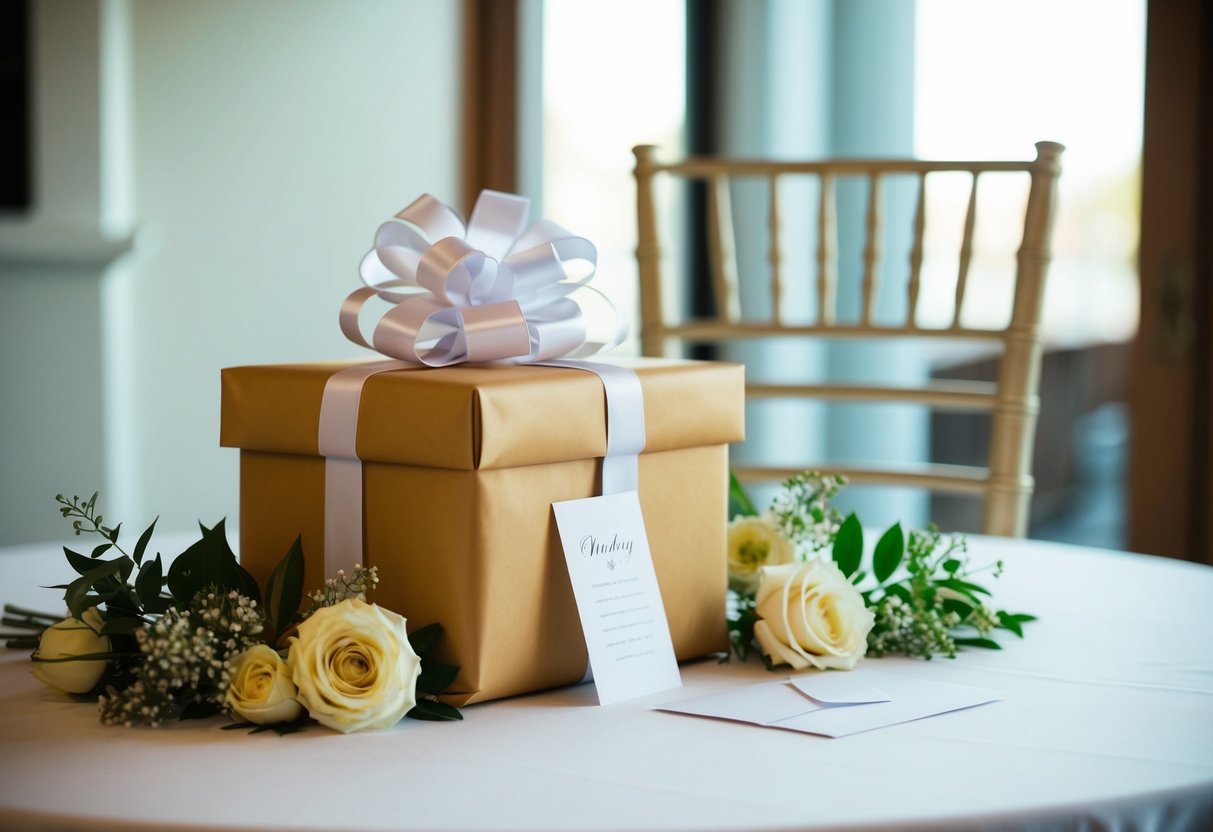
When you can’t attend a wedding, navigating gift-giving can feel tricky. It’s important to choose a thoughtful gift while following wedding gift etiquette. Here’s what you need to know.
Choosing an Appropriate Wedding Gift
Picking the right wedding gift is key to showing your love for the couple. If they have a wedding registry, this is a great place to start. A gift from their registry ensures it’s something they want or need.
Consider your relationship with the couple when deciding how much to spend. A good rule of thumb is to spend between $50 to $150, depending on your closeness. If you’re part of a large group, a group gift can lighten the financial load while providing a more significant present.
If you’re unsure about the couple’s preferences, cash gifts or contributions to a honeymoon fund can be a suitable option. This allows the couple to use it however they choose.
Wedding Gift Etiquette for a Destination Wedding
Destination weddings often involve extra costs for guests. If you can’t attend, sending a gift is still appreciated. It shows your support despite not being there in person.
For these weddings, consider a thoughtful gift like an experience or a contribution to their travel fund. Since destination weddings may have unique themes or settings, tailor your gift to match these. Research the couple’s travel interests to choose something meaningful.
Even if you send a smaller wedding gift, your gesture will still convey your good wishes and love.
To Give or Not to Give: Attending Wedding-Related Events
If you’re invited to events like engagement parties, showers, or receptions leading up to the wedding, it’s important to consider gift expectations.
Although you may not attend the main event, it’s polite to send a gift for the earlier celebrations. Gifts for these occasions can be smaller. You may opt for a small wedding gift or something related to their journey as a couple, like home essentials.
If you’re still unsure, ask mutual friends or check any suggestions from the couple.
In these situations, sending a meaningful note along with your gift adds a personal touch. This connection helps bridge the gap created by your absence from the wedding day.
When You Can’t Attend the Wedding
Not being able to attend a wedding can be disappointing, but it’s important to handle the situation with care. You can still express your support and convey your best wishes to the couple. Consider how you decline the invitation and what actions you might take to show your thoughtfulness.
Sending Your Best Wishes
Even if you can’t make it to the wedding, sending your best wishes is key. A heartfelt message can mean a lot to the couple. You can use a card, email, or even a text to express your sentiments.
Be sure to include specific wishes. For example, you might say, “I’m so happy for you both! Wishing you a lifetime of love and happiness.” This personal touch shows that you genuinely care.
Consider pairing your message with a small gift. It doesn’t have to be expensive. A thoughtful gesture, like a gift card or something meaningful, can enhance your message. Always remember to keep your wishes sincere and warm.
When to Decline Gracefully
If you need to decline the invitation, do so as early as possible. Reach out to the couple and let them know. A simple call, text, or email can help.
When you communicate, be apologetic but brief. You don’t need to go into too much detail about why you can’t attend.
For example, you can say, “I’m so sorry, but I won’t be able to attend your wedding. I hope it’s a wonderful day for you!” This keeps the conversation polite and focused.
It’s also good etiquette to follow up with a gift. Various etiquette resources talk about sending a gift. It shows that you still care, even if you can’t be there in person.