
What is the Etiquette for Parents of the Bride? A Guide to Their Role and Responsibilities
Navigating wedding etiquette as a parent of the bride can feel overwhelming, but it doesn’t have to be. Understanding your role means you can support your daughter while enjoying the planning process. Being involved in wedding planning can not only strengthen your relationship with her but also provide valuable support during a busy time.
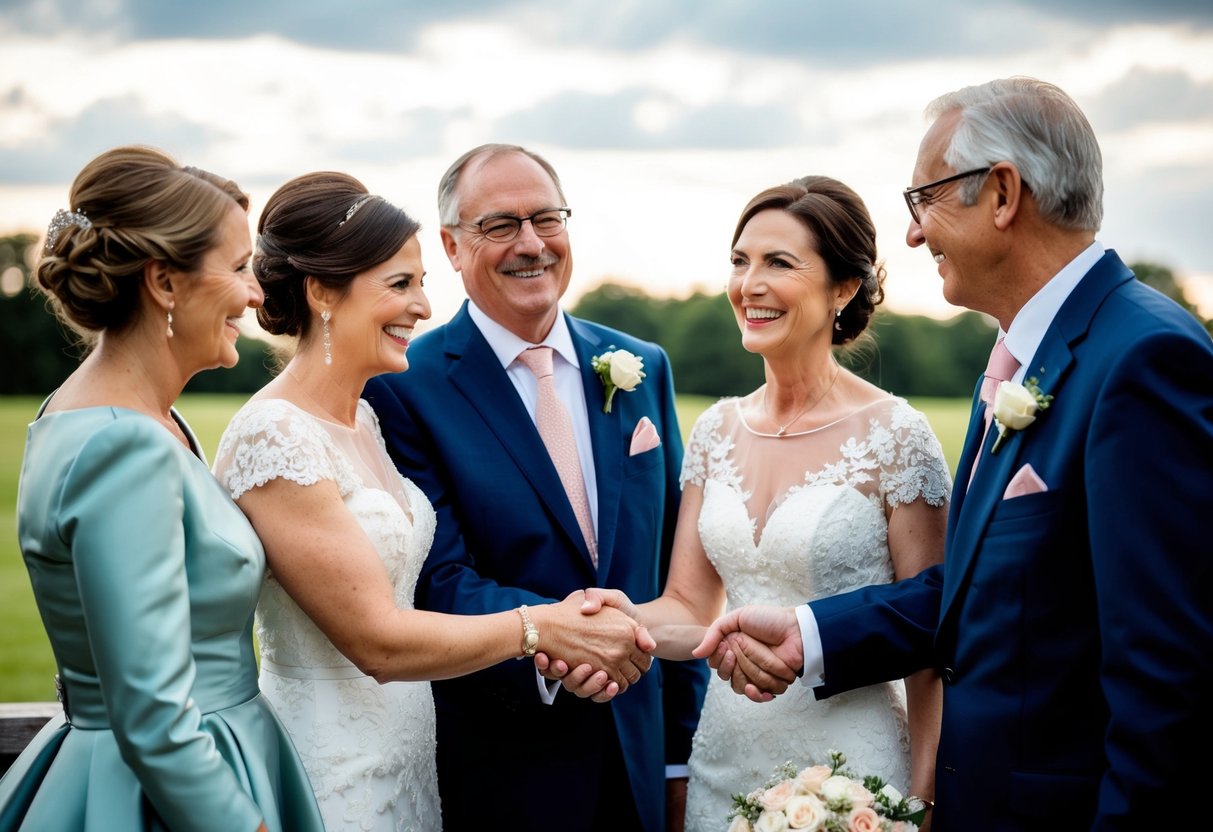
You will want to balance being helpful and respectful of your daughter’s wishes. From planning pre-wedding events like engagement parties to being present on the big day, there are many ways you can contribute. The key is to communicate openly about expectations and to prioritize your daughter’s happiness throughout the process.
Remember, the wedding day is ultimately a celebration of love. Emphasizing respect for your daughter’s choices can help ease any potential tension. By focusing on what matters most—your daughter’s joy—you’ll find that your role can be rewarding and memorable.
Pre-Wedding Planning and Responsibilities

As the parents of the bride, you play a vital role in the pre-wedding activities. Your involvement sets a supportive tone for the couple as they plan their big day. Here are the key responsibilities you may take on.
Managing the Guest List and Invitations
You’ll help create the guest list, which is a crucial step in the planning process. Start by discussing with the couple who they want to invite. Gather names and addresses for each guest.
Once the list is set, work with the couple on invitations. You might be responsible for ordering them and ensuring they go out on time. This involves picking a style that matches the wedding theme.
It’s also a good idea to manage RSVPs. Keep track of who responds, so the couple knows how many guests to expect. Open communication is key throughout this time.
Selecting the Venue and Organizing Pre-Wedding Events
Selecting the venue is another important task. Together with the couple, explore different locations. Consider size, style, and budget. Book the venue as soon as possible, as popular spots fill up quickly.
In addition to the wedding venue, you may also help organize pre-wedding events. Common events include the engagement party, bridal shower, and rehearsal dinner. Each event has its own planning details.
You’ll need to collaborate with both sets of parents. Discuss who will host each event and how costs will be shared. This teamwork can ease any potential tensions, making the planning experience more enjoyable.
Handling Finances and Wedding Costs
Discussing finances is essential early in the planning process. Talk with your child about what costs you are willing to cover. Common expenses include the officiant’s fee, marriage license, and parts of the reception.
Creating a budget helps everyone understand where money will be spent. Be transparent about what is feasible for your family.
Involve the groom’s parents if they are contributing as well. Discussing finances together can avoid misunderstandings later on. You want to ensure that everyone is on the same page.
The Wedding Attire and Presentations
When it comes to weddings, the attire of parents carries significant importance. From selecting the right outfits to preparing speeches, these elements play a role in the overall celebration and support for the couple.
Guidance on the Wedding Dress and Bridal Party Outfits
As a parent, you may be involved in choosing the wedding dress or assisting the bride with her style decisions. It’s essential to focus on her vision. Offer your opinions respectfully and encourage her to choose what she loves.
For bridal party outfits, discuss color palettes and styles with the bride. These outfits should complement the wedding theme. Make sure to coordinate with other parents and bridal party members to ensure a cohesive look. Your support during this process can ease stress for the bride.
Mother of the Bride Dress and Wedding Day Look
Choosing the mother of the bride dress is a special task. Traditionally, you should select your outfit before the mother of the groom. This way, you can coordinate colors and styles.
Consider the wedding theme and season. A formal gown may be fitting for an elegant venue, while a light dress can suit a beach wedding. Keep comfort in mind, too. You’ll want to enjoy the day without worrying about your attire.
Accessorize your look with complementary jewelry and shoes. Your wedding day look should feel true to your style while honoring the significance of your role.
Writing and Delivering Heartfelt Speeches
A touching speech can leave a lasting impression. When preparing your father of the bride speech or any toast, focus on your relationship with the bride. Share meaningful stories and express your wishes for the couple’s future.
Start with a warm welcome to the guests. Keep your speech between 2-5 minutes to hold attention. Practice beforehand to avoid nerves on the big day. Deliver your speech with confidence. A heartfelt toast can create a beautiful moment that everyone will remember.
These aspects of attire and presentations help make a wedding day extraordinary and memorable for everyone involved.
The Big Day: Roles and Etiquette at the Ceremony and Reception
On the wedding day, parents of the bride play important roles. Your involvement in wedding traditions and duties at the reception can enhance the celebration for everyone.
Participation in Wedding Traditions and the Ceremony
As the parent of the bride, you have meaningful tasks during the wedding ceremony. One of the most significant is walking your daughter down the aisle. This moment is emotional and symbolizes your support.
You may also have a role in the ceremony’s rituals. This could include giving a speech or toast, welcoming guests, or even participating in cultural traditions.
Don’t forget about the special moments like the father-daughter dance. This dance is a cherished tradition that symbolizes the bond you share. It’s a spotlight moment that will create lasting memories.
Fulfilling Responsibilities at the Reception
During the wedding reception, your role continues to be important. You should be present to greet guests as they arrive. This sets a warm tone for the celebration.
You’ll also want to be involved in the first dance. Make sure to encourage participation from family and friends as the newlyweds take the floor.
Additionally, it’s your job to ensure everything runs smoothly. This may include helping organize parent dances or making sure guests know where to go. If you have a boutonniere or are holding the bride’s bouquet at any point, keep these items close.
Your presence and support can create a joyful atmosphere for your daughter and her partner on this special day.
Post-Wedding Responsibilities and Sentiments
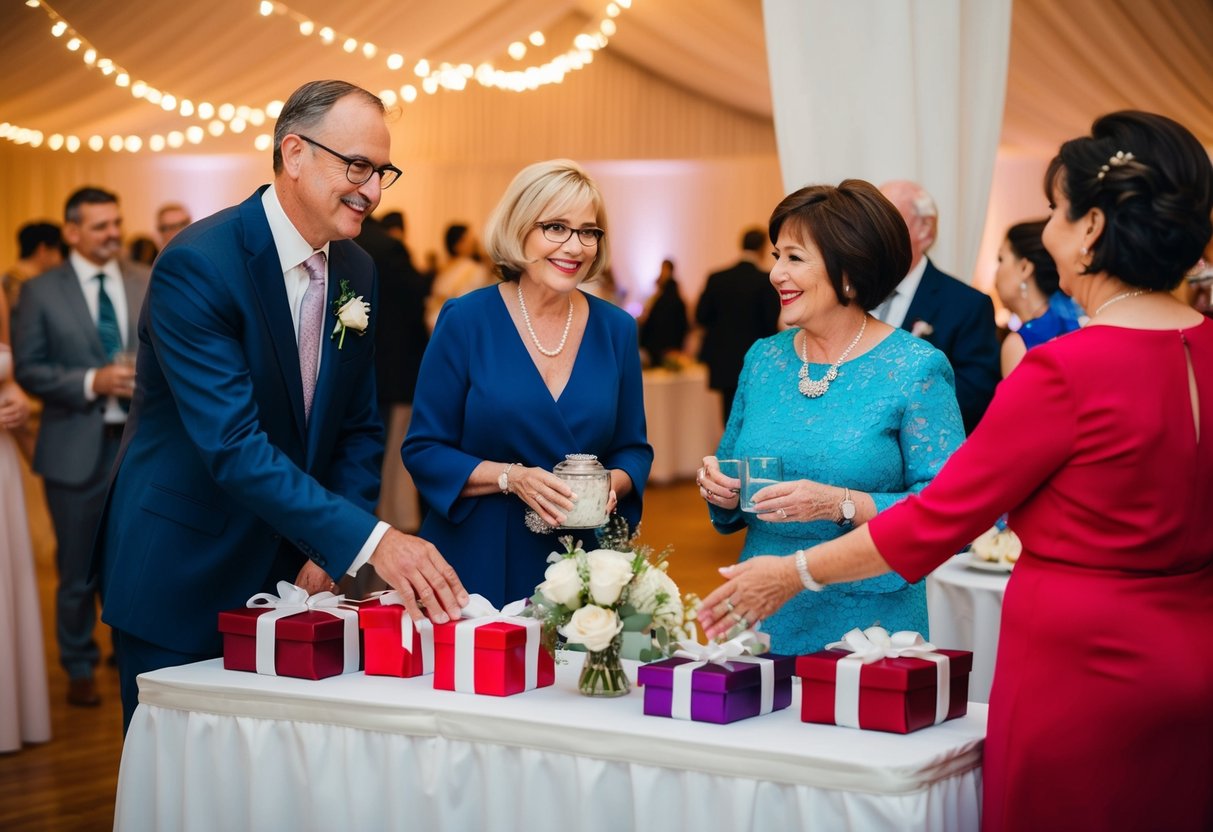
After the wedding, you’ll want to acknowledge those who contributed to your special day. This involves expressing gratitude through thank-you notes and gifts. You’ll also want to think about preserving family heirlooms and traditions that signify your family’s unique history.
Expressing Gratitude with Thank-You Notes and Gifts
Sending thank-you notes is a key responsibility after the wedding. You should aim to send these notes within three months. Each note should mention the specific gift received and how it will be used or appreciated.
Start with a friendly greeting, followed by a heartfelt message. For example, “Dear Aunt Jane, thank you for the beautiful vase. It will be a lovely addition to our home.” If you received cash or a gift card, express your intent to use it wisely for your future.
You might also consider small gifts as a way to show appreciation to those who helped with the wedding planning. Think about gifts that reflect the couple’s style or something personal. This effort goes a long way in maintaining strong relationships with family and friends.
Preserving Family Heirlooms and Traditions
Family heirlooms and traditions play an important role in your family’s history. These items can connect generations and add sentimental value to your marriage.
Consider preserving heirlooms, like a wedding dress or jewelry. You can properly store them in acid-free boxes and protect them from light and moisture. Documenting the story behind these items allows you to share their significance with future generations.
You may also want to discuss and participate in cherished family traditions, such as holiday gatherings or specific rituals. Incorporating these elements into your married life strengthens bonds with family.
Another idea is to create printed materials, like albums featuring wedding invitations and photos. These serve as lasting reminders of your special day and family legacy.