
What is the Etiquette for Parents on Wedding Invitations? Essential Guidelines to Follow
Planning a wedding can be exciting but also overwhelming, especially when it comes to the finer details like wedding invitations. In traditional wedding invitations, parents’ names are traditionally included to show their involvement and support for the couple. Knowing how to phrase these names and when to include them can make a significant difference in the overall presentation of your invitation.
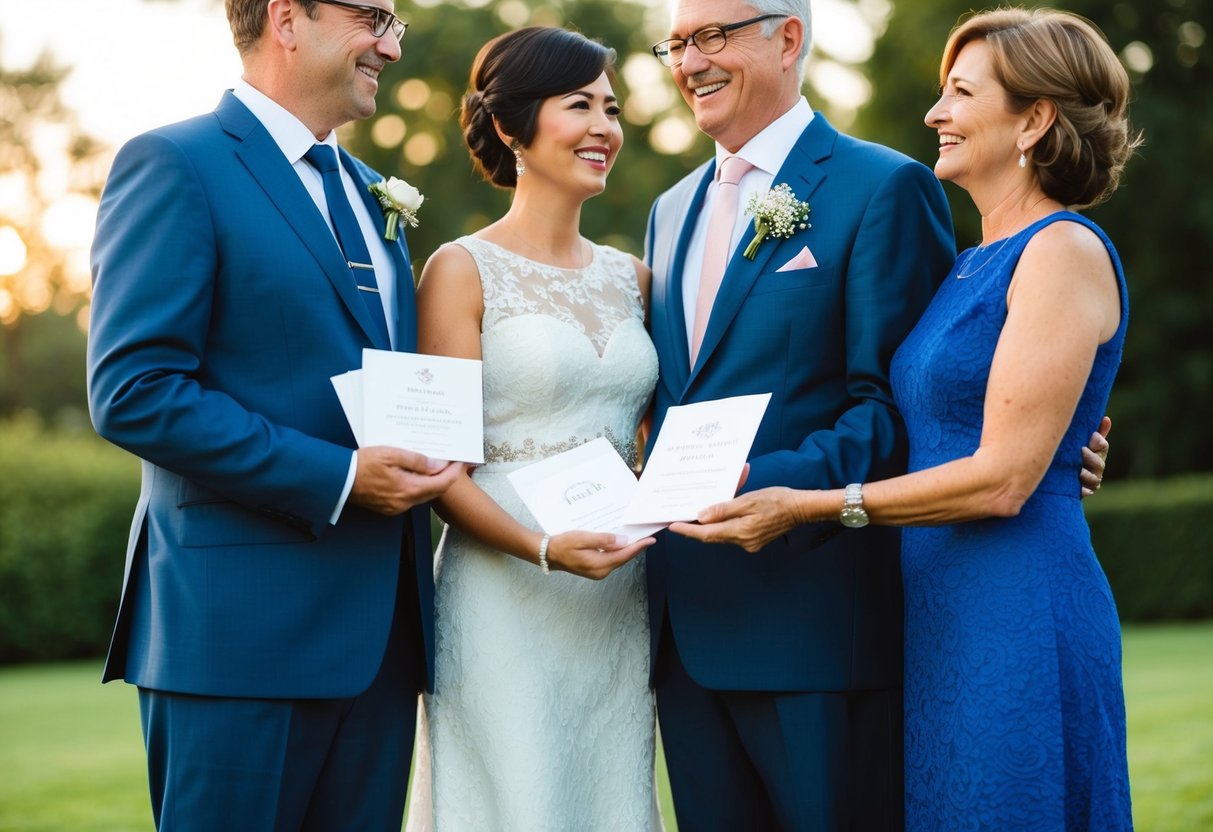
You might wonder how to word the invitation to ensure it respects both family traditions and your personal style. Many couples choose to list the bride’s parents at the top of the invitation, signaling their role as hosts. However, if both sets of parents are contributing, you can include all their names in a way that reflects everyone’s involvement while keeping the invitation clear and elegant.
Understanding the nuances of wedding invitation etiquette can help set the tone for your big day. By crafting your invitation wording with care, you can honor your families and create a lasting impression for your guests.
Crafting the Perfect Wedding Invitation
Creating the ideal wedding invitation involves careful consideration of both design and wording. These elements set the tone for your special day and inform guests about important details, including who is hosting the event.
Choosing the Right Design and Wording
When it comes to the design of your wedding invitation, think about the style of your wedding. A formal wedding, for example, typically calls for a classic layout with elegant fonts and traditional embellishments. For a more casual gathering, playful designs and vibrant colors can reflect a relaxed atmosphere.
Invitation wording is just as important. You should include essential details like the names of the couple, the date, time, and location of the wedding. For formal invitations, you might use wording like “request the honor of your presence.” For casual invitations, a more relaxed phrase such as “would love for you to join us” might be appropriate.
Incorporating Parents’ Names
Including your parents’ names can enhance your invitation’s formality and respect tradition. If the bride’s parents are hosting, tradition usually places their names first. For instance, you can phrase it as, “Mr. and Mrs. John Smith request the honor of your presence…” If both sets of parents are involved, mention both with “together with their families” or a similar phrase.
Make sure names are spelled correctly and formatted consistently. It shows attention to detail and appreciation for your parents’ support. If you prefer a modern approach, you can choose to just list your names instead while still honoring your parents’ presence in the celebration.
Presenting the Host Line
The host line on a wedding invitation plays a crucial role in setting the tone for your celebration. It identifies who is hosting the event, usually the couple and their parents. Here’s how to handle this part with care, especially when dealing with different family structures.
Understanding the Role of the Host
In traditional weddings, the host line indicates who is paying for the wedding. This is typically the bride’s parents, the groom’s parents, or both sets of parents.
You can phrase this line respectfully, for example:
- “Mr. and Mrs. Smith request the honor of your presence at the marriage of their daughter, Emily.”
- “Together with their parents, Emily Smith and Jake Johnson invite you to join them.”
If the couple is hosting the event, they can state, “Together with their families” before their names.
Addressing Divorced and Remarried Parents
If your parents are divorced, you can format the host line to represent both parents. For example:
- “Mrs. Jane Smith and Mr. John Doe request the honor of your presence…”
If a parent has remarried, include step-parents too. You could write:
- “Mrs. Jane Smith and Mr. Tom Brown, together with Mr. John Doe, request the honor of your presence…”
This clearly shows the blended family structure while honoring all involved.
Etiquette for Same-Sex Couples and Non-Traditional Families
For same-sex couples, honor both partners equally in the host line. You might say:
- “Together with their families, Alex Johnson and Jamie Taylor invite you to their wedding.”
In unique family situations, where a guardian or close family member is hosting, make sure their names are included clearly. For instance:
- “Mrs. Linda Thompson and Mr. David Interviews request the honor of your presence…”
This acknowledges diverse family structures while remaining respectful and clear in your invitation wording.
Honoring Special Circumstances
When planning your wedding, it’s important to recognize special situations involving parents. Whether honoring deceased parents or considering financial contributions, these details shape the presentation of your wedding invitation.
Paying Respect to Deceased Parents
If you have lost a parent, you may want to include their memory in your wedding invitation. This can be done by adding a line such as, “In loving memory of [Parent’s Name].” This shows your acknowledgment of their presence in your life and their importance on your special day.
You may also choose to create a small memorial space at the venue. Consider placing a framed photo or a small bouquet of flowers in their honor. This gesture can add a personal touch that reflects how much they meant to you.
Navigating Financial Contributions
When parents contribute to the wedding costs, the invitation should include their names. You can phrase it as, “Together with their families,” followed by your names. This respects their support and acknowledges their role in your celebration.
If one parent is handling most of the expenses, you may mention them specifically. For example, “With great joy, [Parent’s Name] invites you to celebrate the marriage of…” This approach honors their financial contribution while still including the other parent, if appropriate.